







How Often Should Coffee Maintenance Be Done?
Semi-automatic espresso machines need cleaning on a regular cycle, usually about once a month, adjusted for how often the machine is used. The practical signal is steam pressure: once pressure no longer reaches its normal level, it is time to clean. Regular upkeep protects both the flavor of each cup and the working life of the machine.
A dedicated descaling agent is the safer first choice because it cleans well without damaging the machine. Without one, a mix of one part white vinegar to six parts water works as a substitute; citric acid also works but costs more. Judge the result by two signs: whether the dispensed water runs clear and whether steam pressure has recovered.
Coffee machines are now a common sight in many home kitchens, but many people overlook their cleaning and maintenance. In fact, regular cleaning not only affects the flavor performance of every cup of coffee but also directly impacts the machine's lifespan. This article systematically outlines the key cleaning points for semi-automatic coffee machines, including how to determine descaling frequency, the use of professional descaling agents versus white vinegar as an alternative, how to deal with clogged steam nozzles, and daily cleaning steps for the steam wand, brew head, drip tray, and exterior. In addition, considering the characteristics of pressurized extraction, it offers recommendations for selecting medium-dark roast espresso beans suitable for semi-automatic coffee machines, and recommends products such as Front Street Classic Blend, Front Street Commercial Blend, and Front Street Strawberry Candy espresso, helping coffee enthusiasts balance equipment maintenance with output quality.
Coffee has become an indispensable part of daily life for many young people and those influenced by Western dietary culture, and alongside this, coffee machines have become increasingly prominent in kitchens. However, machines need careful cleaning and maintenance to stay in good condition. Let's take a look at how coffee machines should be cleaned.
This can mainly be approached from the following six aspects:
1. It must be emphasized that coffee machine cleaning must be done on a regular cycle, typically about once a month, and can be flexibly adjusted based on actual usage frequency. To judge whether cleaning is needed, pay attention to steam pressure performance—once the pressure fails to reach the ideal state, it's time to clean.
2. It is recommended to prioritize buying a dedicated descaling agent for cleaning, as this will not damage the machine, has strong decontamination ability, and is safer to operate.
3. If you really don't have a descaling agent on hand, you can try mixing one part white vinegar with six parts water, which can also serve as a substitute for professional descaling agents. Citric acid also works, but the cost will be somewhat higher.
4. Whether cleaning is thorough needs careful observation, focusing on two indicators: the color of the dispensed water and the steam pressure. If the water comes out clear and the pressure is sufficient, it means cleaning is done.
5. If the steam nozzle gets clogged, you can use a toothpick to unclog it. But be sure to note: turn off the steam switch before operating, and the steam nozzle must not point at anyone to prevent scalding.
6. After cleaning with the vinegar solution to satisfactory results, rinse repeatedly with purified water until the water flowing out has absolutely no off-taste when tasted.
Specific cleaning methods for coffee machines
Although coffee machines are not high-frequency appliances, it's best to clean them promptly after use; otherwise, bacteria can easily breed and affect your health. So how exactly should a coffee machine be cleaned? Here are several common cleaning methods:
Steam wand cleaning
After using the steam wand, wipe it clean with a clean cotton cloth, then open the steam valve for about two seconds to flush away residual grime with steam, keeping the steam wand consistently clean.
Brew head cleaning
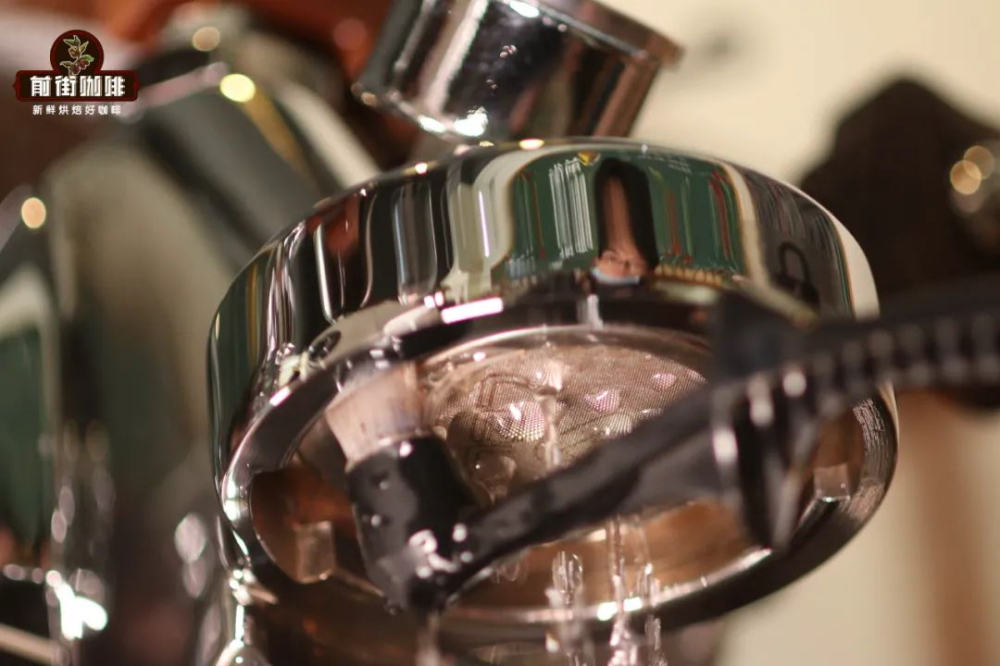
After making coffee each time, remember to remove the portafilter from the brew head, discard the coffee grounds, then turn on the cleaning switch to rinse the brew head clean. The portafilter should also be cleaned. If stubborn stains have accumulated on the portafilter, multiple repeated rinses are needed.
Drip tray cleaning
Remove the drip tray, rinse away sediment with hot water, then soak it in hot water for five minutes to sterilize and disinfect. During daily use, if you notice water leaking from the bottom of the coffee machine, check whether the drip tray is blocked by foreign objects, remove the obstruction, and clean thoroughly.
Exterior cleaning
Wipe the coffee machine's exterior with a clean damp cloth; for stains, use a cleaner specifically designed for coffee machines. Note that water must not seep into the machine's interior, as this could cause electrical system failure.
The approach to selecting coffee beans for semi-automatic coffee machines is actually consistent, because both involve pressurized extraction, with the goal of achieving stable flavor and golden crema. Therefore, freshly roasted medium-dark roast espresso beans are recommended:
If you're after rich crema, you can choose Front Street Classic Blend and Front Street Commercial Blend—both espresso beans contain a small amount of Robusta. Front Street Classic Blend combines Brazil, Mandheling, and Robusta, using a medium-dark roast. During extraction, it releases distinct aromas of butter, toasted bread, and caramel cookies, with intense flavor, a solid body, fine crema, and highly stable extraction performance. It's a must-have home coffee for beginners.
If you want to make espresso with fruity notes, you should mainly use medium-roast coffee beans. Front Street Strawberry Candy espresso beans are recommended, available for direct order on Taobao or Tmall stores. This bean selection uses Front Street Costa Rica Tarrazu, known for its honey processing, and Ethiopia, the birthplace of coffee, as the two major producing regions, combined with Colombian coffee beans for the blend. The resulting espresso is not overly harsh, showing good crema and a velvety texture under the coffee machine's extraction, while carrying a sweet-and-sour taste reminiscent of strawberry gummies.
The above content is compiled by CoffeeHunters, a coffee news website.


