







Search Results for: pre-infusion
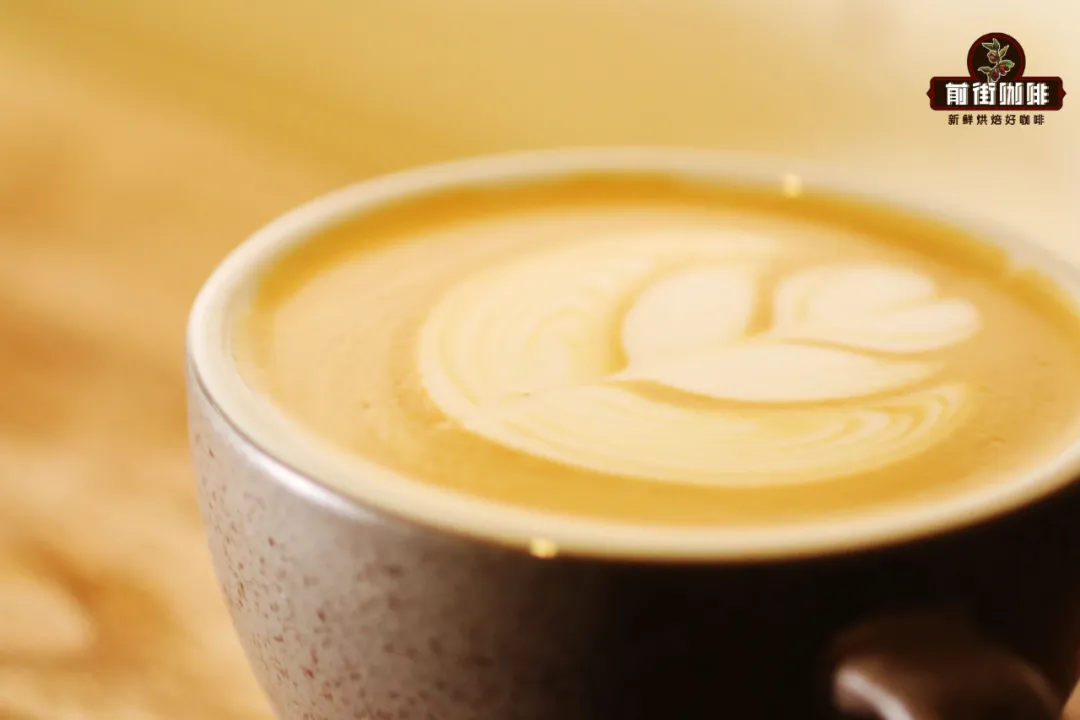
Pour Over Beans for Espresso | Can Light Roast Coffee Beans Be Used for Espresso? An Introduction to the Flavor, Taste, Extraction Ratio, and Grind Size Parameters of Light Roast Single-Origin Espresso
It is generally accepted that the coffee beans used for espresso are roasted to a relatively dark degree. Among coffee roast levels, there is one called "Italian Roast," with an Agtron color value of 25. It is the darkest of the eight roast levels, and coffee beans of this type usually have a surface that [more…]
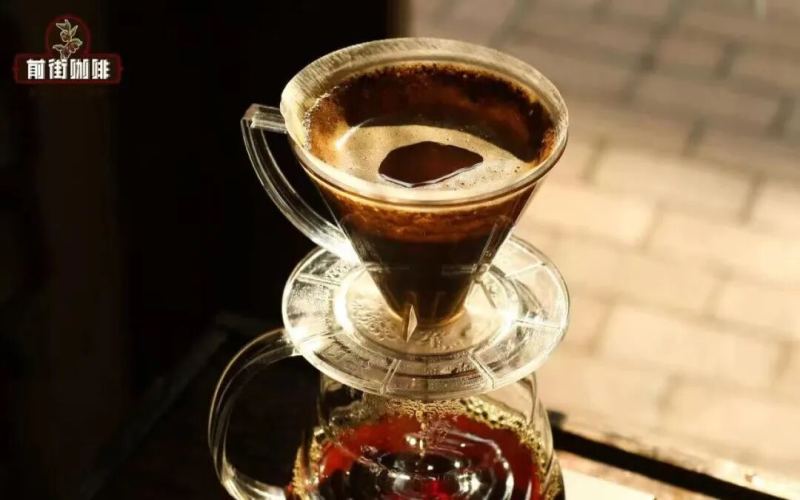
Coffee Brewing | What information is hidden in the coffee bed when making pour-over coffee? How can you judge the condition of single-origin pour-over beans from the coffee bed?
Yesterday a friend chatted with Front Street about a rather interesting phenomenon: he noticed that most people, when brewing coffee, even during the waiting intervals when they're not pouring water, still choose to fix their eyes intently on the changes in the dripper, as if trying to glean some information from the coffee bed. And you know what, there really is some truth [more…]
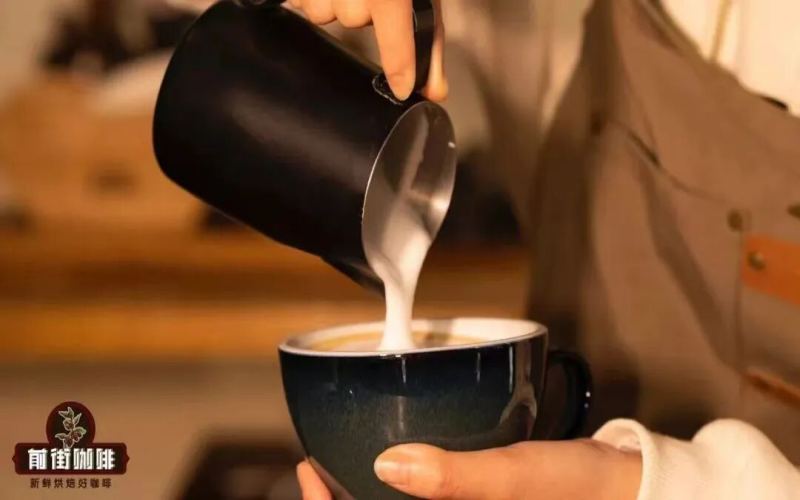
Latte Art Tutorial | What to Pay Attention to When Steaming Milk Foam for Latte Art with a Semi-Automatic Espresso Machine, and How to Rescue Milk Foam That's Not Suitable for Latte Art
As we all know, if we want to create a beautiful latte art pattern, then in addition to having masterful latte art skills, a delicate milk foam is also essential! But even those who have already reached the pinnacle of expertise will occasionally have times when they fail to froth the milk well, perhaps because a momentary lapse makes the milk foam become [more…]
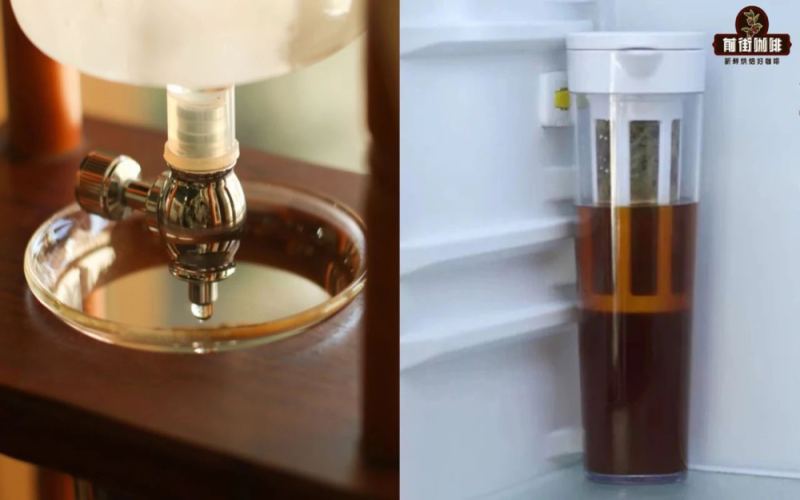
Iced Coffee | Which tastes better, cold drip coffee or cold brew coffee? What are the differences in coffee flavor and mouthfeel when making cold brew and cold drip with Sidamo coffee beans?
Which one tastes better, ice drip coffee or cold brew coffee? Front Street Coffee's baristas are often asked this, and at times like this the barista will first answer, "Both taste good." But in fact, the two coffees have different mouthfeels—it depends on whether you want a coffee with a refreshing mouthfeel or a smooth one. This time Front Street will explain what makes the two coffees different. [more…]
La Marzocco Strada意式咖啡机开箱全记录:MP与EP双版本变压萃取技术解析
近年来,变压萃取成为意式咖啡机领域最受关注的技术方向。从Synesso到Slayer,再到La Marzocco推出的Strada,压力控制阀的设计不断进化。本文完整记录了La Marzocco Strada在中国上海illy咖啡大学的开箱过程,详细展示了Strada MP手动版本与Strada EP电子版本的外观、结构与核心差异。MP版本通过内部机械阀直接控制水流与压力,EP版本则借助电子齿轮泵实现0到12BAR的无级变压,并可存储压力曲线。对于关注意式咖啡机技术发展的咖啡爱好者,以及前街咖啡的读者而言,这篇开箱记录提供了难得的实机细节与第一手观察。 [more…]
2017世界咖啡冲煮大赛冠军王策展演全程中文译稿与历届冠军回顾
2017年世界咖啡冲煮大赛落幕已有一段时间,不少咖啡爱好者在后台留言询问冠军王策的比赛台词及其中文翻译。为此,我们整理了这份完整的展演中文译稿,并附上历届冠军回顾。王策在布达佩斯的赛场上,以巴拿马90+瑰夏庄园#227批次咖啡豆为载体,通过精心设计的冲煮方案,将咖啡、咖啡师与顾客三者之间的"连结"娓娓道来。从产地风土、处理方式、烘焙曲线到冲煮参数与品鉴引导,整场展演逻辑清晰、情感真挚。前街咖啡特别推荐关注文中关于陶瓷V60滤杯、水质调控以及分段品鉴的细节,这些内容对日常冲煮实践具有很高的参考价值。 [more…]
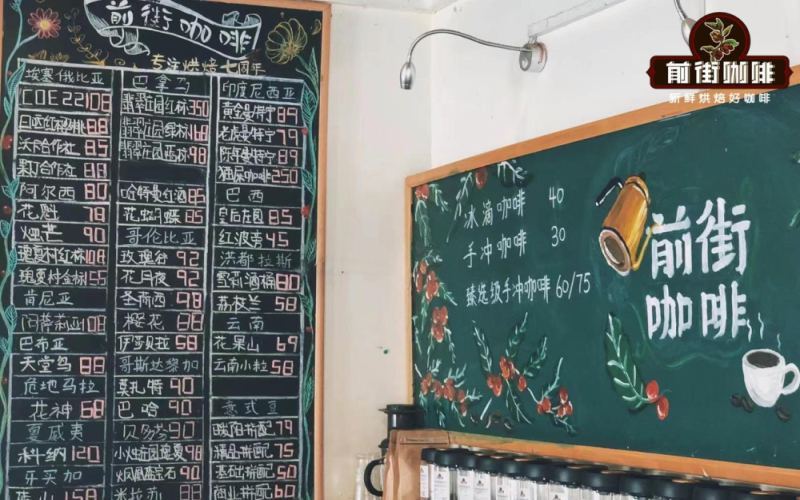
意式浓缩萃取参数演变与SCAA金杯标准差异,前街咖啡实操解析
意式浓缩咖啡的萃取标准一直是咖啡爱好者关注的核心话题。SCAA曾给出9-10大气压、7-9克粉、88-92℃水温、22-28秒萃取45ml的定义,但如今精品咖啡馆的实际操作参数已与之产生明显分歧。本文从前街咖啡的实操经验出发,梳理意式浓缩萃取参数随烘焙趋势与设备技术演变的历程,解析粉量、水温、时间、压力、研磨度五大变量的影响,并介绍前街向日葵暖阳拼配豆的风味表现及意式浓缩的正确品尝方式。 [more…]
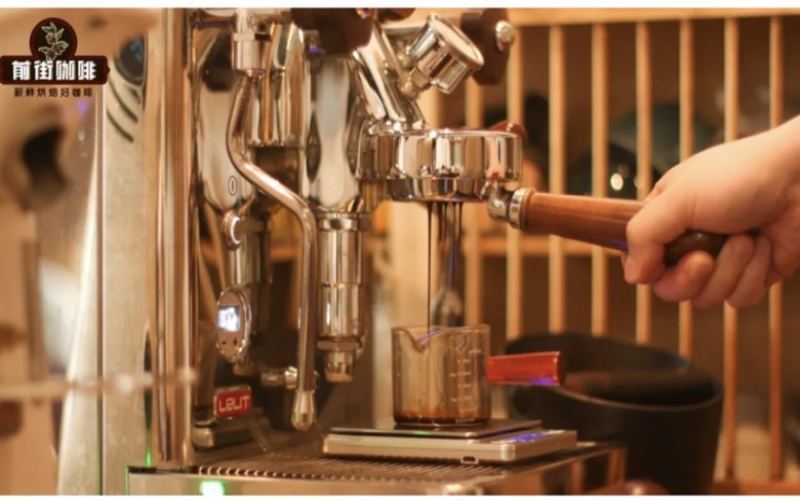
Bean Exploration on De'Longhi Machines: Performance of Blends and SOE
De'Longhi home espresso machines are not just for blend beans—using single-origin beans to make SOE also lets you experience the concentrated expression of a region's flavor in espresso form. On a De'Longhi machine, exploring step by step from blends to SOE, the flavor experience becomes richer and richer. The performance of blend beans on a De'Longhi machine is mainly about consistency. Front Street Coffee's classic blend uses a Mamba recipe [more…]
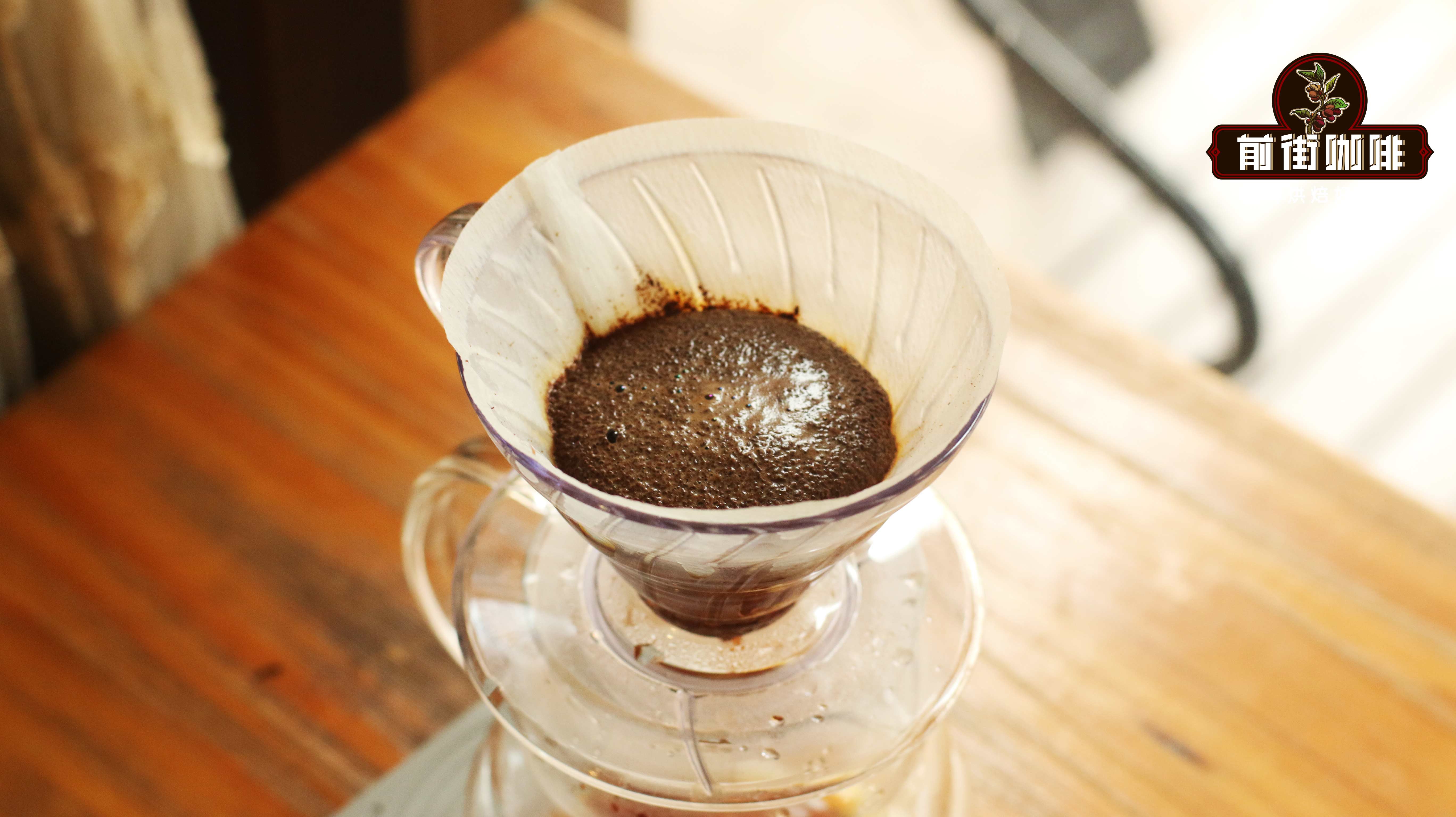
Clever Cup Brewing Method | Does the Clever Cup need blooming when steeping coffee grounds? How can coffee beginners make Yirgacheffe pour-over black coffee with the Clever Cup?
For more specialty coffee knowledge, please follow: Front Street Coffee (Frontsteet Coffee). When making pour-over coffee, we usually perform the bloom first, which is especially common in filter-style brewing methods. So, is a bloom still necessary in immersion-style coffee extraction? [more…]
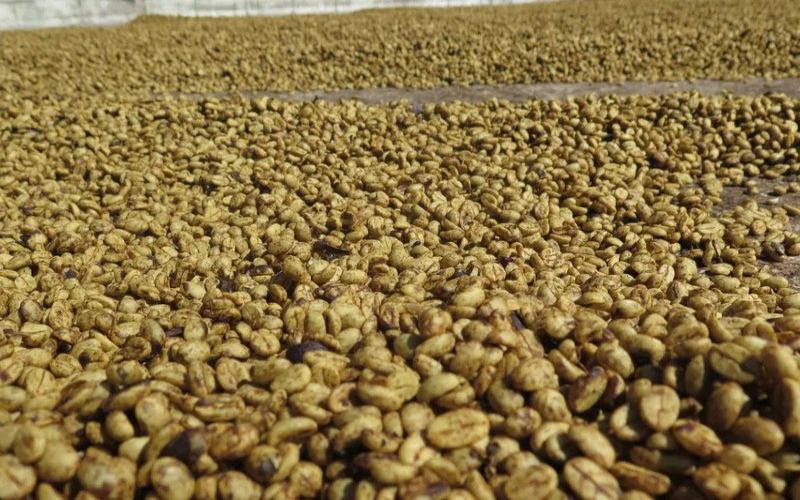
The tasting window for espresso: how to manage the degassing window and storage after opening
Espresso relies on high pressure for rapid extraction. Freshly roasted coffee beans contain a significant amount of carbon dioxide internally. If they are ground and extracted before this gas has fully released, it tends to create coarse foam that interferes with the even penetration of water through the coffee bed. Understanding the degassing patterns of coffee beans can help us more confidently plan when to open [more…]

SOE Before and After Dial-In: How Bean Age Rewrites Extraction Parameters
When coffee beans have just finished roasting, they are still continuously releasing carbon dioxide internally, and the aromatic compounds are also in a stage of re-stabilizing. If you make an SOE directly at this point, the espresso may have abundant foam, but not necessarily a clear sweetness. Home espresso machines can absolutely make SOE; the key is to treat bean age as one of the extraction conditions, so that the grind [more…]
The Flavor Curve in Espresso: The Drinking Rhythm from the Degassing Period to Opening and Storage
Roasted coffee beans accumulate a large amount of carbon dioxide inside, and these gases are slowly released outward over time. For home espresso extraction, the gas state inside the bean directly affects how smoothly water flows through the coffee bed. Freshly roasted beans are often full of internal pressure, and during pressurized extraction they tend to produce a rough and [more…]
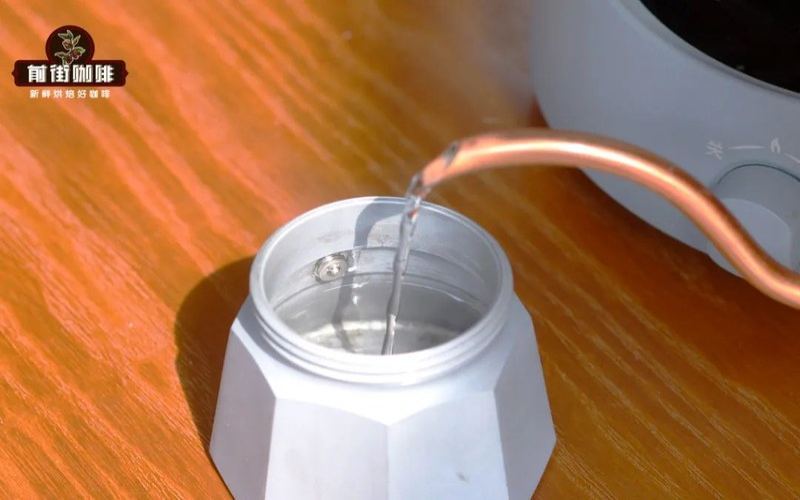
Flavor evolution during the roasting cycle: mastering degassing, rest, and the peak-flavor rhythm of espresso beans
Freshly roasted espresso beans contain a large amount of carbon dioxide gas trapped inside. This gas is slowly released over time, and in the early stage it produces a relatively vigorous degassing reaction. If the beans are ground and extracted immediately after roasting, the bubbles tend to hinder full contact between the water flow and the coffee particles, resulting in an unstable extraction flow. [more…]
Introduction to Iced Coffee | Are Cold Drip Coffee and Cold Brew Coffee Extraction Principles the Same? What Affordable Specialty Cold Drip Coffee Beans Are Recommended for Beginners?
For more specialty coffee knowledge, please follow: Front Street Coffee (Frontsteet Coffee) In the scorching summer, listen! The cicada on that tree is chirping! The cicada on the other tree is also chirping! In Guangzhou, this damn summer is neither steaming, nor roasting, but boiling with falling water. If only there were a cup of ice-cold [more…]
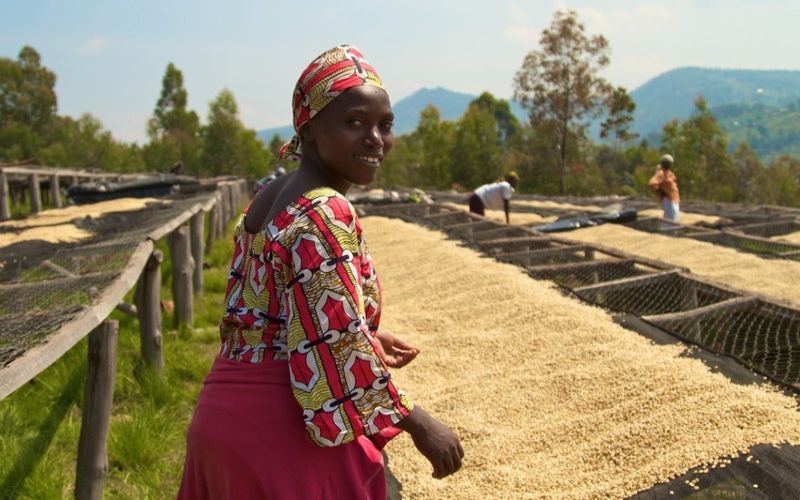
Home espresso machines can also make SOE: adjust parameters by roast level.
A shot of espresso with floral aromas, fruity acidity, or cocoa-like sweetness doesn't have to rely on café equipment to achieve. SOE refers to espresso made from single-origin or single-batch coffee beans, and home semi-automatic machines can give it a try too. As long as the machine's temperature control, pressure, and grinder perform consistently, you can work your way from light roasts to dark roasts and gradually find the right [more…]
The secret to a rich, golden foam on top of espresso lies in the rhythm of the degassing cycle and daily sealed brewing.
The dense, golden layer of crema on the surface of an espresso is essentially a foam formed when carbon dioxide inside the coffee beans, carrying aromatic oils, is emulsified under high-pressure water. Freshly roasted coffee beans trap a large amount of gas inside, and this gas is slowly released over time, determining the thickness and condition of the crema during extraction. Understanding [more…]
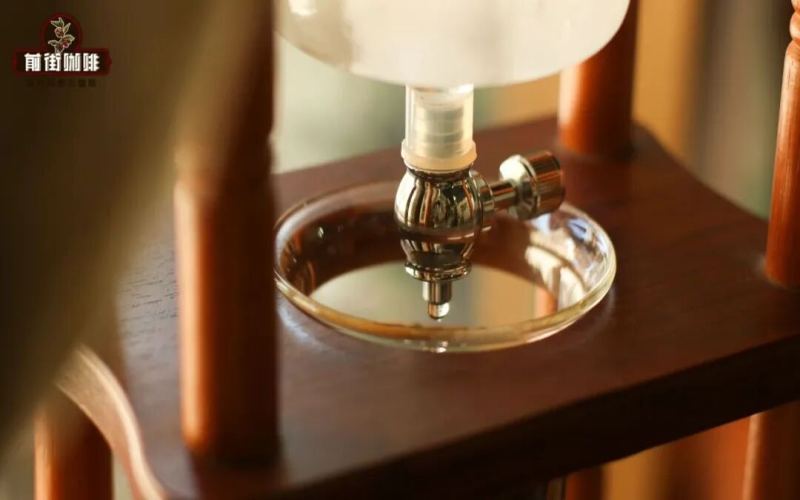
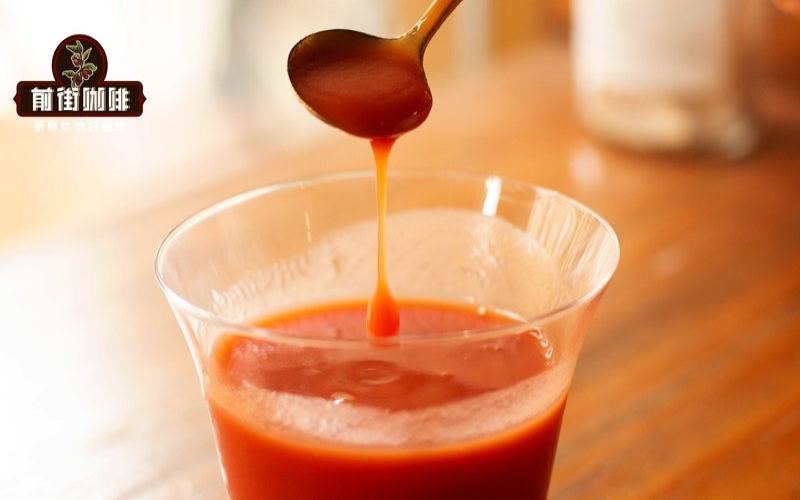
Cold Brew Coffee | What is the origin of Dutch coffee? Which coffee beans are suitable for cold brew? How much caffeine does cold brew contain?
As the weather gets hotter, the cold brew coffee at Front Street Coffee is selling well. Actually, cold brew coffee is not as complicated as everyone believes. Today, Front Street Coffee will share how to make cold brew coffee and discuss its caffeine content. The origin of cold brew coffee: "In the 1600s, Dutch sailors from the then-colon [more…]
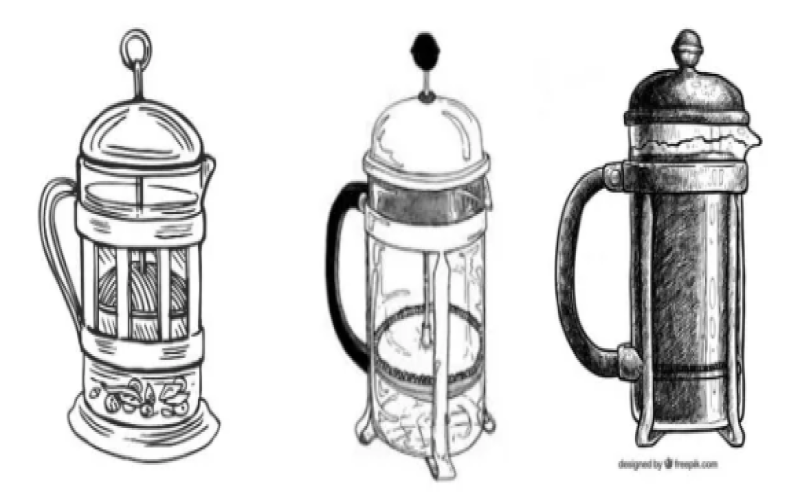
French Press Tutorial | How Coffee Newbies Can Brew Coffee with a French Press: What Coffee-to-Water Ratio Is Suitable for French Press, and How Long Should the Coffee Grounds Steep?
What kind of coffee can you brew with a French press? The French press is a full-immersion brewing device with a metal filter. This gives the brewed coffee a distinctive trait: because the water and coffee grounds steep together directly, the resulting coffee retains more oils and therefore has a heavier, fuller mouthfeel. For those who don't like [more…]
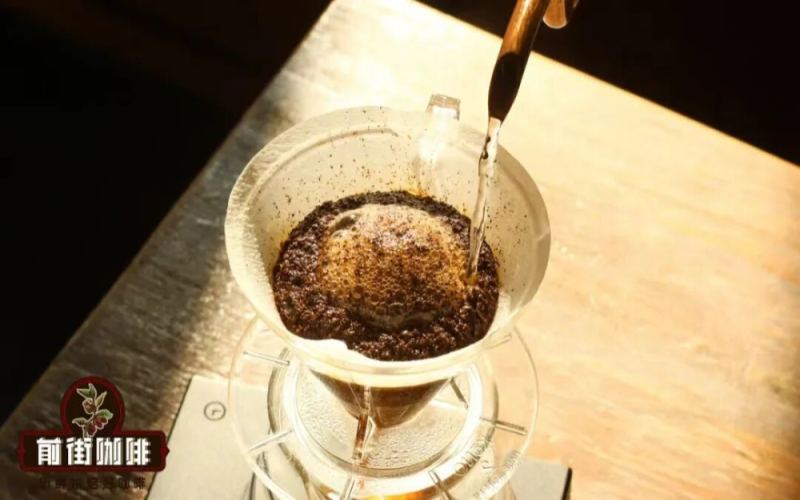
Bloom Time | Why is blooming necessary when making pour-over coffee? What effects does the length of the bloom time have on the taste of the brewed coffee?
"How big of a difference can there be between coffee with a 30-second bloom and a 60-second bloom?" This was a question a friend asked Front Street Coffee yesterday. I have to say, this question is actually quite interesting! As we all know, blooming is a routine step in pour-over coffee. Specifically, before the official pour, we pre-pour [more…]
Espresso beans for lattes | What is the key to a delicious latte? How do you make a latte just like a coffee shop? Recommended espresso blend coffee beans perfect for lattes and flat whites
In fact, making a latte doesn't have many key points; just pay attention to a tiny bit of detail, and you can double its deliciousness! So today, Front Street Coffee is here to share how to make a latte at home that tastes just as good as one from a café! 1. Choosing coffee beans Coffee beans are the main controller of a latte's flavor. The roasting of a bean [more…]