







For more specialty coffee knowledge, please follow: Front Street Coffee (Frontsteet Coffee)
Although most people come to Front Street for pour-over coffee, quite a few are also willing to drink espresso-based coffee. As we all know, espresso is the foundation of various Italian-style drinks—including Americano, latte, cappuccino, flat white, mocha, and more.
According to Front Street, espresso is called "espresso" by foreigners, and its caffeine content per unit volume is also higher than most coffee beverages. Espresso is extracted by an espresso machine, and its extraction principle is to force hot water (usually around 92°C) through a finely ground and compacted layer of coffee grounds under high pressure. The liquid produced by extracting solids and dissolved components during this process is called espresso. Although espresso is the origin of all coffee drinks, it is itself also a coffee beverage. Most people also use espresso as the representative of Italian-style coffee and compare it with Americano. Sowhat is the difference between Italian-style coffee and Americano?
There are two ways to make Americano. One is a beverage extracted with an Americano drip machine, and the other is made by adding water to espresso. The difference can be explained through the historical development of Americano. American drip machines first became popular in households across the United States, and Americans were accustomed to the taste made by drip machines—weak coffee flavor, thin body, and a strong watery feel. During World War II, the coffee American officers drank in Europe was basically espresso, with a strong and intense taste.
So in order to simulate the flavor of drip machine coffee, they added water to the espresso. This way, the coffee's flavor became much softer and very easy to drink. Since at that time no other Europeans drank coffee this way, this kind of coffee was called "Americano." In fact, this name carried a sarcastic meaning behind it, mocking Americans for not being able to handle espresso. The French even privately called "Americano" "sock coffee" to describe how bad Americano tasted.
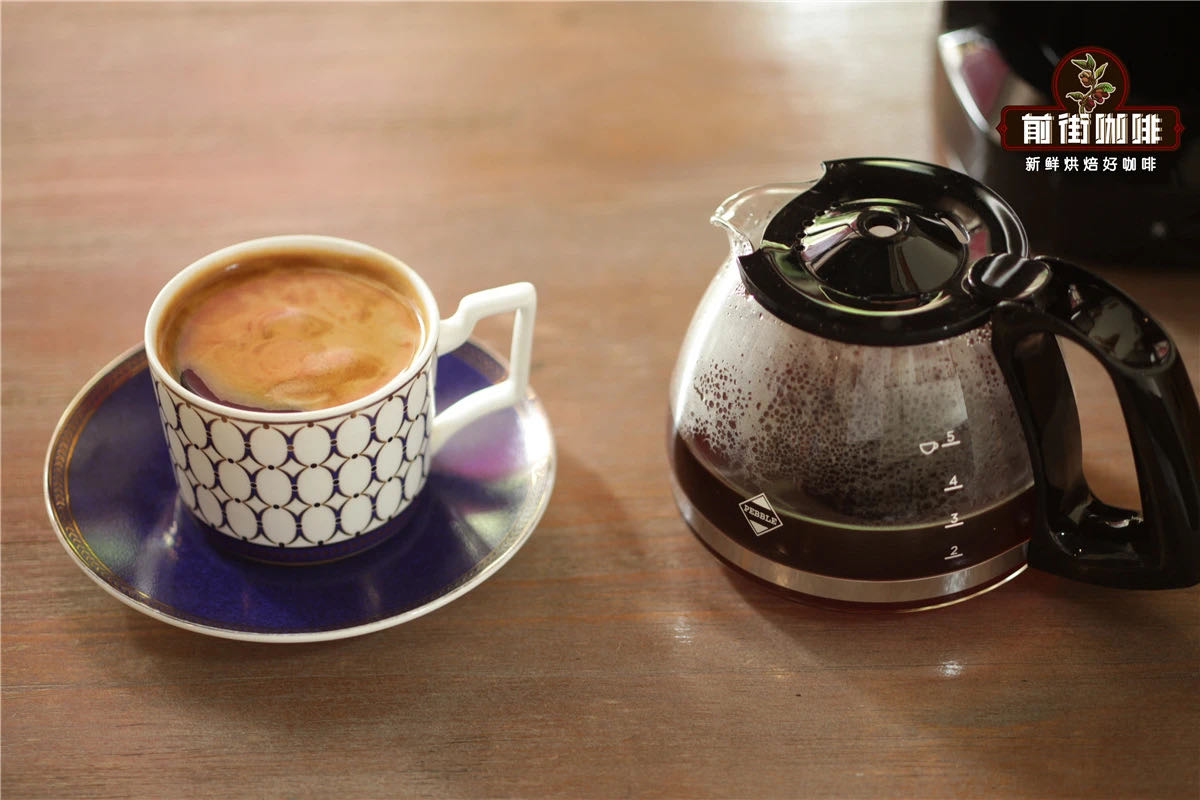
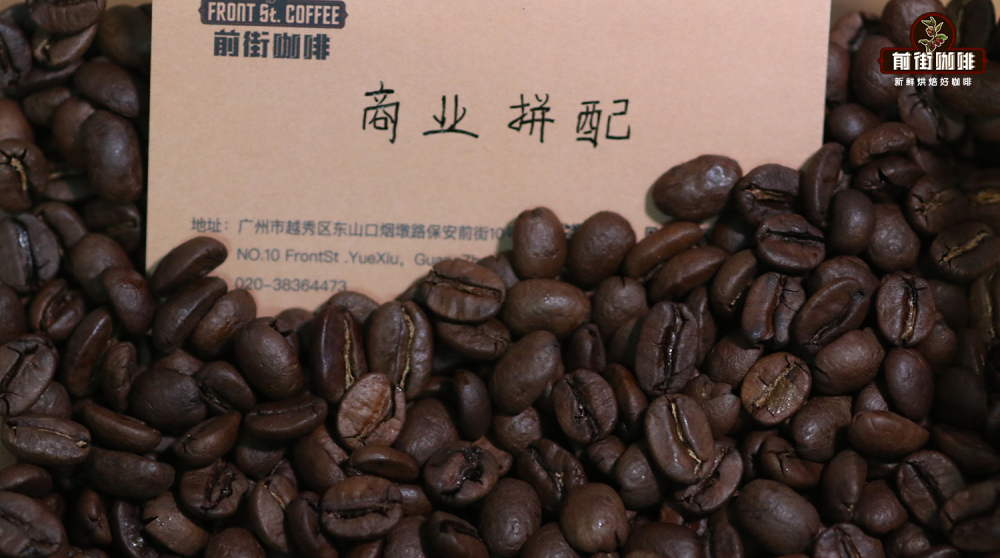
Front Street Coffee's Americano is actually just espresso with water added, and the vast majority of cafes on the market make it this way. Generally speaking, the water-to-espresso ratio for Americano is 1:4–1:9, with different cafes using different standards. Front Street's hot Americano uses a ratio of water to coffee liquid of 1:4.5, which is determined by combining the characteristics of the Warm Sun Blend espresso and the cup size served in stores. Front Street's iced Americano, however, uses a water-to-coffee-liquid ratio of almost 1:9. Because it is a house-made espresso blend, and unlike other coffee shops that pursue nutty flavors, Front Street Coffee's Americano has a rich wine aroma, abundant crema, and an overall mellow body, with a creamy texture and a long chocolate finish. Compared with hot Americano, iced Americano is more refreshing. Using different espresso beans produces coffee drinks with different flavors. To meet various needs, Front Street has designed fiveespresso beans: Classic Blend,Front Street Specialty Blend, Front Street Commercial Blend, Front Street Dark Cocoa Blend, and Warm Sun Blend.
Front Street Dark CocoaBlend uses commonly used beans suitable for espresso, such as Brazilian, Colombian, and Yunnan coffee beans, with the goal of achieving a better coffee flavor and mouthfeel at a lower cost. For cafes pursuing rich crema, Front Street's Front Street Commercial Blend adds 10% robusta beans, improving the overall body while also making the coffee's flavor richer and more aromatic. The nutty flavor is prominent, and the chocolate flavor paired with the sweetness of milk is simply perfect. Front Street Specialty Blend, on the other hand, uses Arabica coffee beans from Brazil and Colombia. All-American Arabica can express a cleaner coffee taste, and the flavor profile of these two producing regions is nutty and chocolatey, making them very suitable for espresso service.
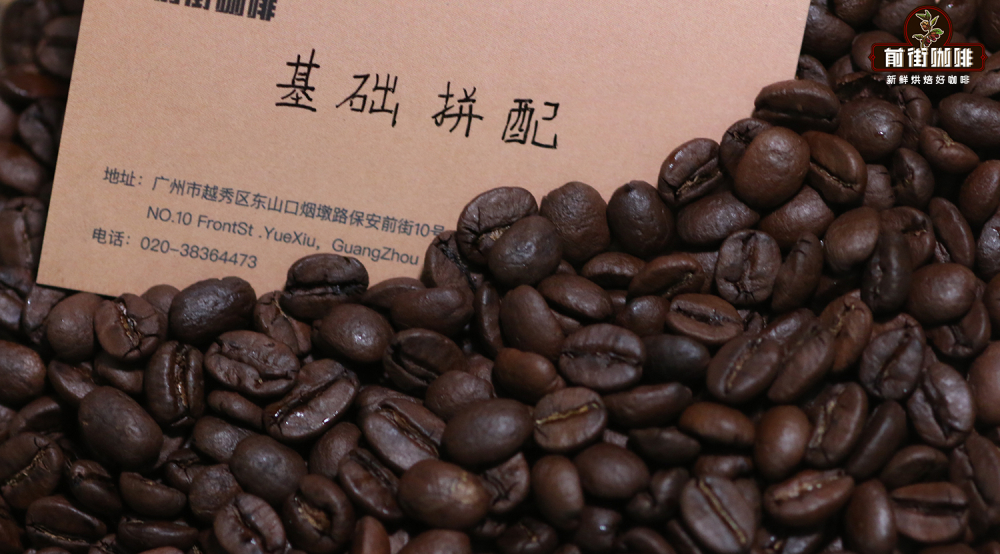
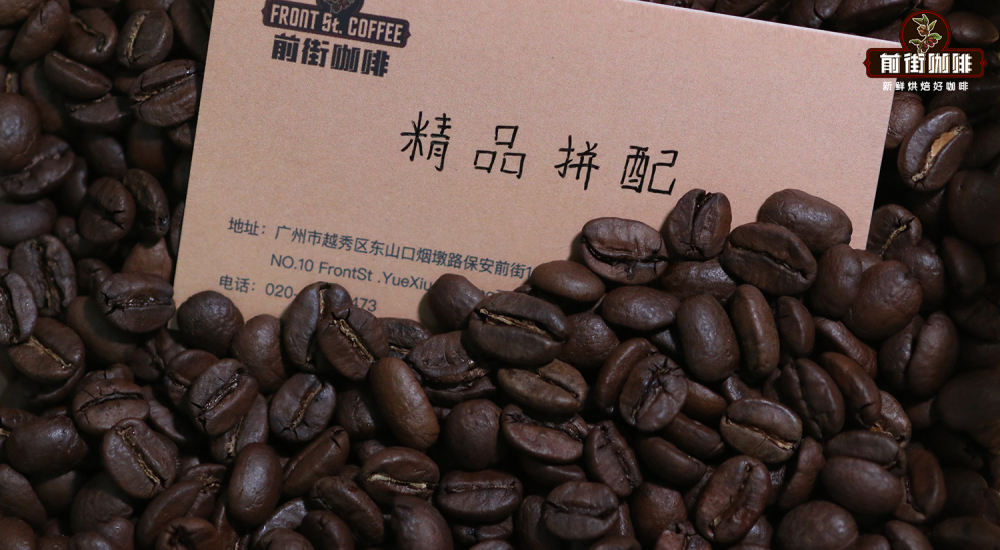
Sunflower Warm Sun Blend coffee beans were Front Street's new attempt in 2019. At that time, the concept of specialty (single-origin) coffee was very popular, and many SOEs highlighting flavor had also appeared. But Front Street planned to blend high-quality single-origin beans, creating a blend primarily focused on flavor. In the end, Front Street decided on the recipe for Sunflower Warm Sun Blend coffee beans, made by combining Yirgacheffe Red Cherry and Honduras. Its rich vanilla cream and fermented wine aroma attracted a large audience.
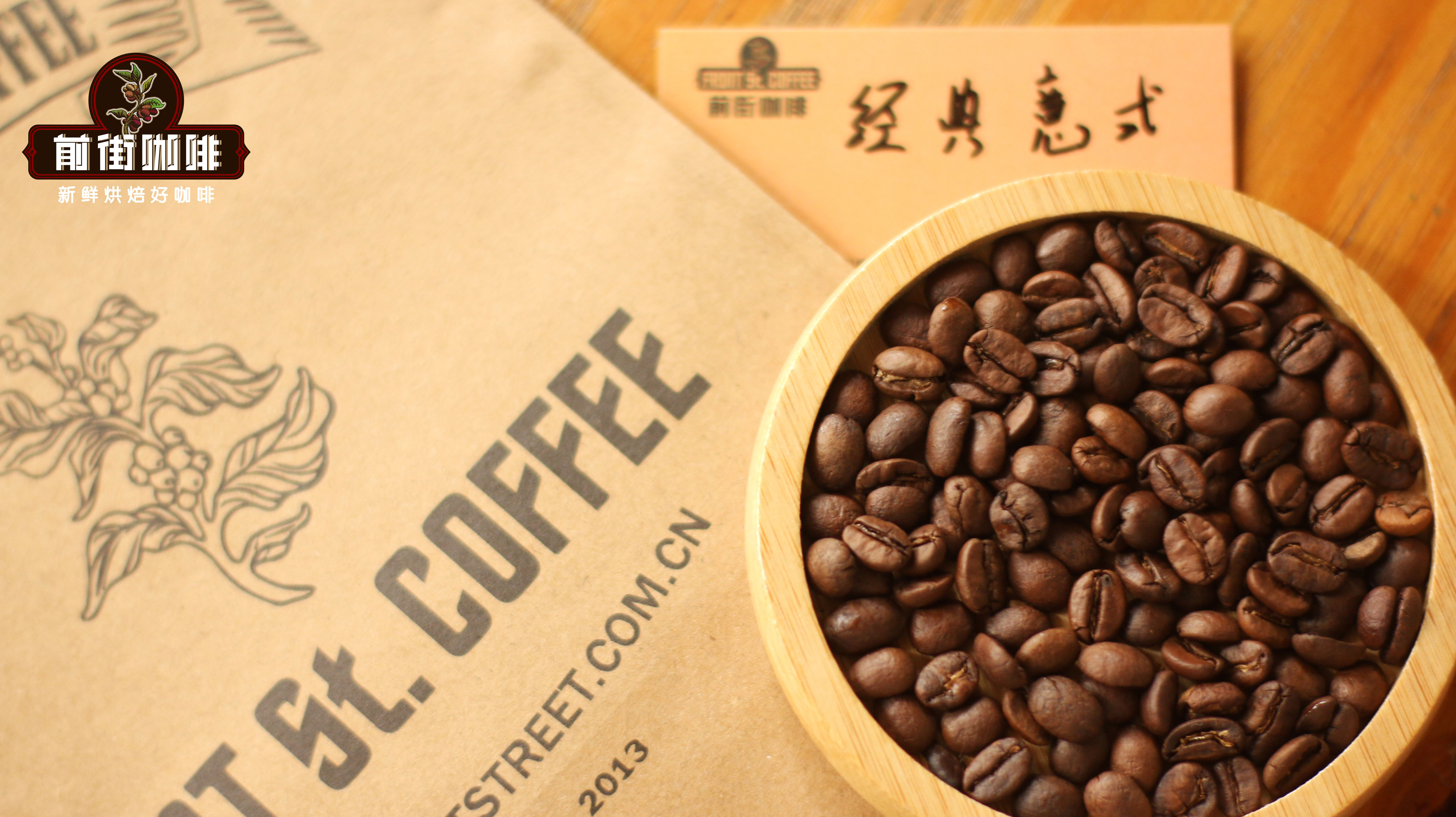
But if you prefer a richer, more aromatic coffee, Front Street Classic Italian-style Blend Coffee is recommended. This is a recipe combining three origins: Brazil, Indonesia, and Vietnam. It uses a dark roast, which maximizes the coffee's rich aroma and also makes it easy for everyone to extract rich and dense crema. It is very suitable whether for making an Americano diluted with water or a latte paired with milk. You can place an order at the Front Street Taobao store or the Front Street Tmall flagship store.
Generally speaking,espresso extraction has certain standards. Depending on the portafilter basket, the weight of coffee grounds is generally between 18–22 grams. Make sure the weight of the coffee grounds is the amount you want, because a tiny difference can lead to a huge difference. The most common brewing ratio is twice the coffee grounds, which means that if you have 18 grams of coffee grounds, then you should ideally extract 36 grams of espresso liquid, because once you exceed this value, the coffee will easily develop an over-extracted taste.
Of course, this standard can also change according to everyone's different needs. For example, the espresso served at Front Street stores uses 20 grams of grounds to extract 36 grams of coffee liquid, in order to make the resulting Americano and latte richer and more aromatic, with a fuller flavor. It should be noted here that the weight of the liquid coffee is best 1–3 times that of the dry coffee grounds, with 2 times being commonly used.
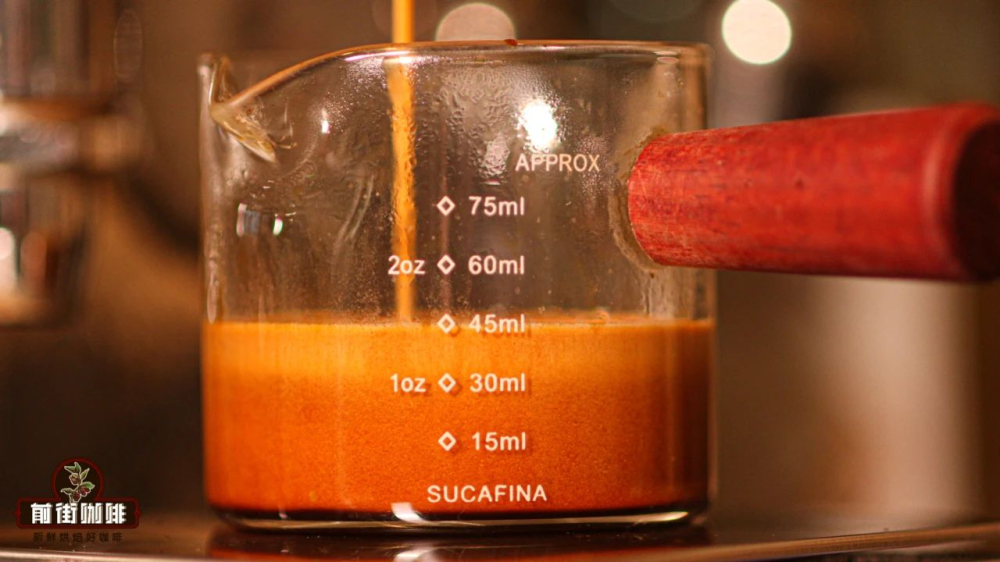
Brewing time is the time from pressing the button to the end of extraction, usually between 25–35 seconds. If the extraction time is longer or shorter than your expected time, the biggest reason is the coffee grind, so you should adjust according to your own needs and optimize the extraction parameters.
Generally speaking, a fast extraction will make the coffee's acidity prominent and reduce its sweetness. A slower extraction will give the coffee a bitter and dull flavor.
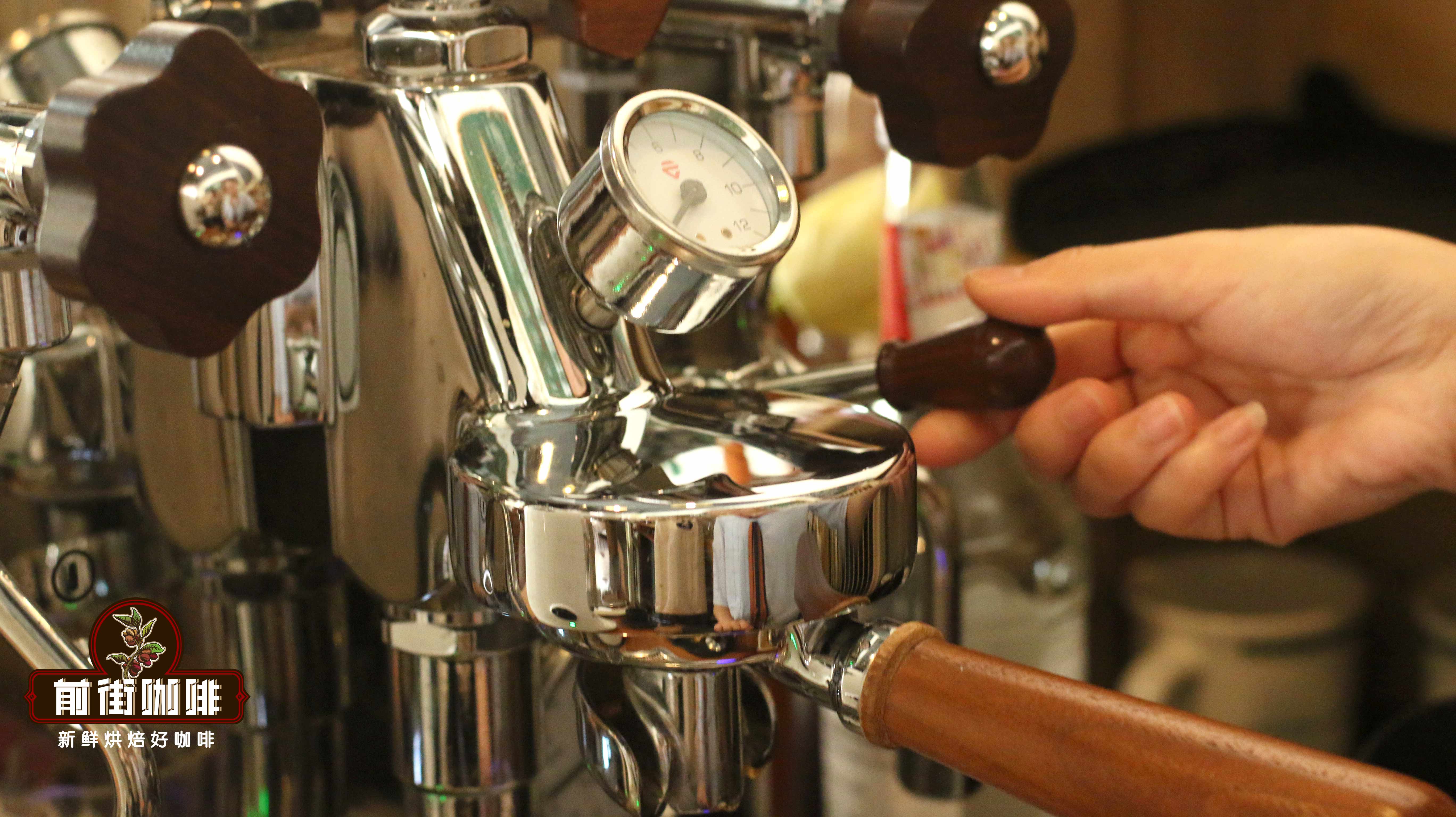
The most direct way to judge whether espresso is ready to serve is to taste it. Taste is a very good method for judging the quality of espresso. However, because judging whether espresso is normal by taste is too subjective, some far-sighted baristas and roasters use a refractometer to measure the total dissolved solids (TDS) in espresso. TDS measurement allows them to determine accurate brewing strength and extraction percentage, and to relate their preferred brewing parameters to numerical data. Measuring TDS also means we can calculate the extraction percentage using the following formula:
(%TDS x brewed coffee weight) / coffee grounds weight = extraction percentage
Many coffee lovers who come to Front Street show admiration for the baristas operating the coffee machine at the bar, curious about how to operate what seems like a very complicated coffee machine. In fact, what baristas master is simply thedetailed steps of espresso making. As for how the coffee machine operates, most baristas do not know. So today, Front Street will introduce to everyonethe detailed production process of espresso! Taking the normal operating process of Front Street Coffee as an example:
Step 1: Wipe the portafilter basket to ensure the coffee basket is dry and free of water
Step 2: Weigh the coffee grounds. Use an electronic scale to weigh an appropriate amount of coffee grounds, keeping the error within plus or minus 0.1 grams
Step 3: Distribute the grounds
Step 4: Tamp the grounds
Step 5: Lock in the portafilter handle
Step 6: Press the button to extract
Step 7: Knock out the portafilter handle and clean the group head.
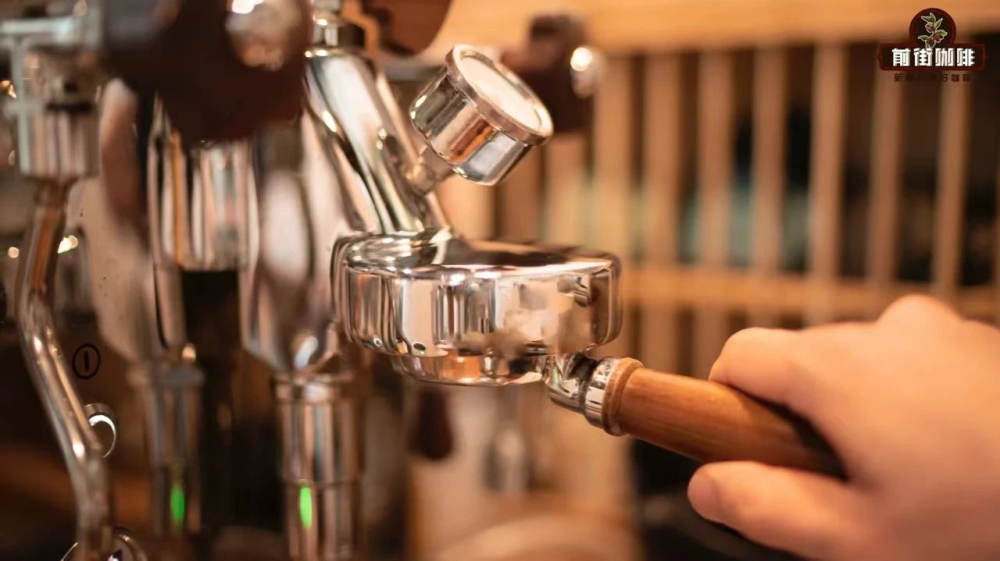
Front Street espresso extraction recommendation: 20g dose, extract 40g coffee liquid, time 30 seconds
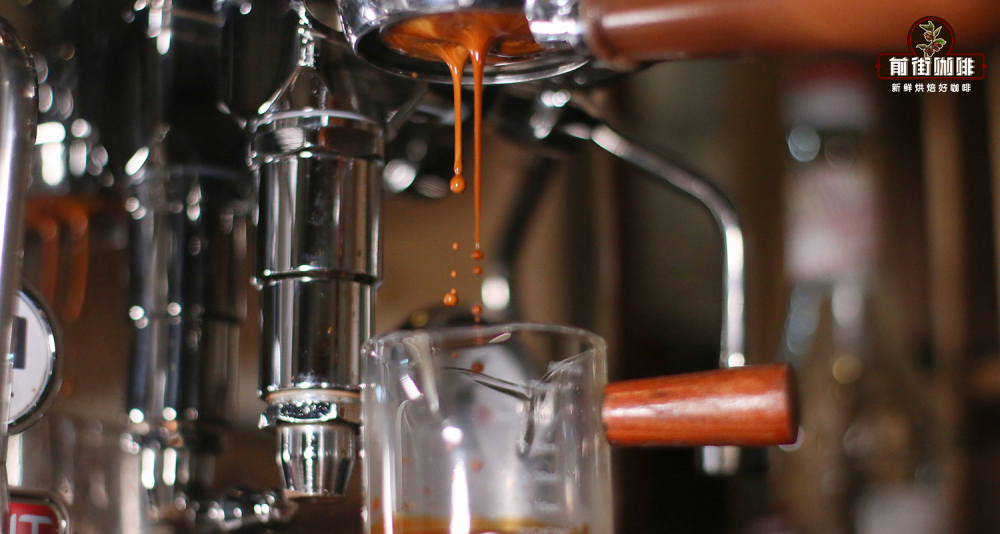
Just like that, a shot of espresso is finished extracting.
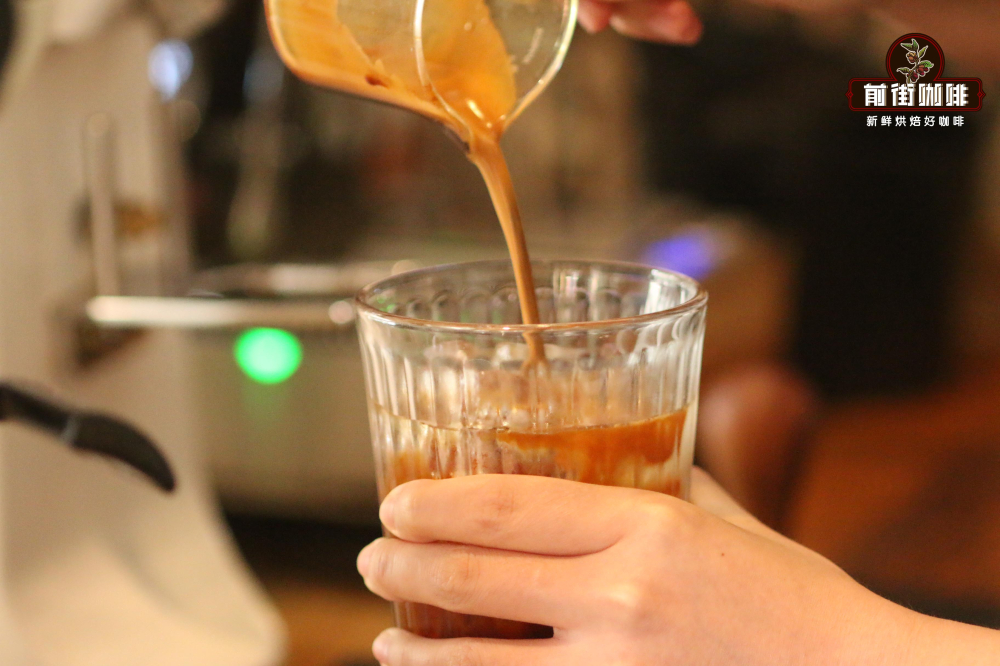
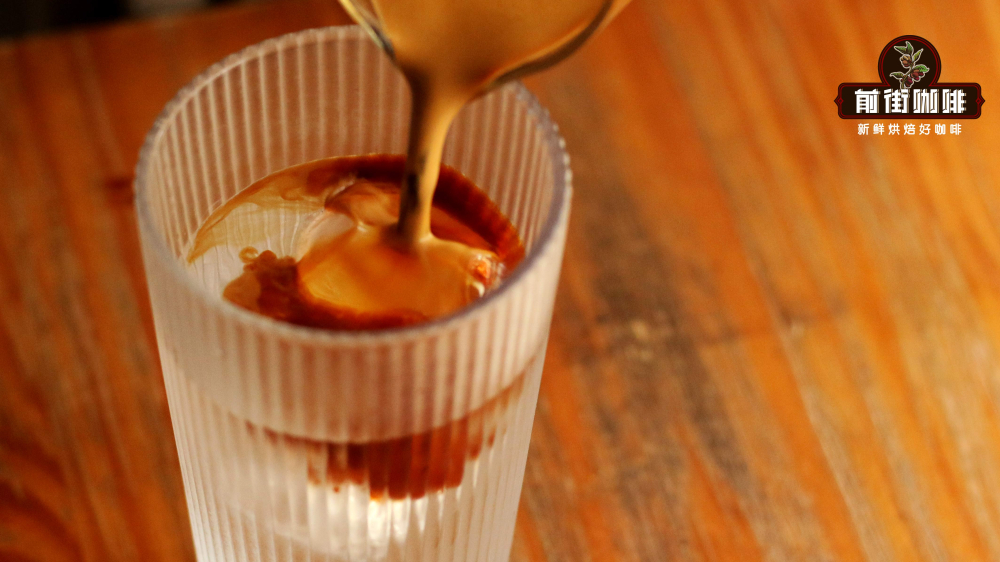
If you want to make other coffee drinks, it is nothing more than adding water, sugar, or milk to it. If you like Americano, Front Street will prepare a 200ml coffee cup, pour in 160ml of warm hot water, and finally pour in the espresso. A cup of hot Americano is ready.
Making iced coffee is also very simple: just add hot espresso to cold milk. As for a hot latte, you will need to use the steam wand on the coffee machine. Regarding how to steam milk foam, Front Street Coffee has also written a dedicated article for teaching. If needed, everyone can look it up on their own. It is worth mentioning that many coffee chain brands now use fully automatic coffee machines, making operation even simpler—just press a button.
The above content is compiled by CoffeeHunters, a coffee news website.


