







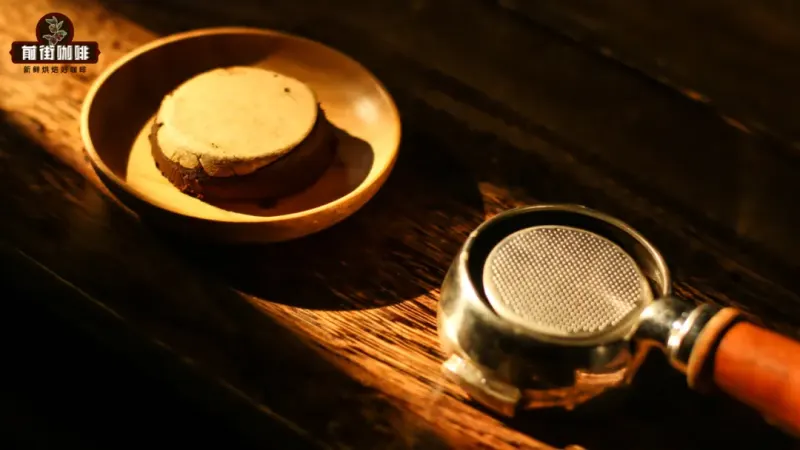
What's an espresso puck like with circular filter paper added?
Placing a circular filter paper in the portafilter basket changes espresso extraction, and the result depends on where the paper sits. At the bottom of the basket, the paper traps fine particles, which lowers bitterness and gives a cleaner cup, but it also thins the body and shortens extraction time. On top of the puck, the paper spreads the water flow, reducing channeling and evening out extraction, though the effect is smaller.
The underlying mechanism is filtration. During high-pressure espresso extraction, ultrafine grounds pass through the basket holes and carry noticeable bitterness into the cup. A bottom filter paper catches them, while a top one buffers the incoming water. Front Street Coffee compared both placements and found each shifts the coffee process in a different direction, so the choice comes down to whether clarity or body matters more.
When making espresso, placing a circular filter paper in the portafilter basket may seem like a simple action, but different placement positions can lead to vastly different extraction results. Through multiple comparisons, Front Street Coffee found that laying the filter paper at the bottom of the portafilter basket can intercept fine particles, reduce bitterness, and improve cleanliness, but it also weakens body and shortens extraction time; whereas placing it on top of the puck can disperse the impact of water flow, reduce channeling, and make extraction more uniform, though the effect is relatively limited. This article provides a detailed breakdown of the principles, pros and cons, and practical considerations of these two methods, helping coffee enthusiasts make more suitable choices when adjusting the grind and producing coffee.
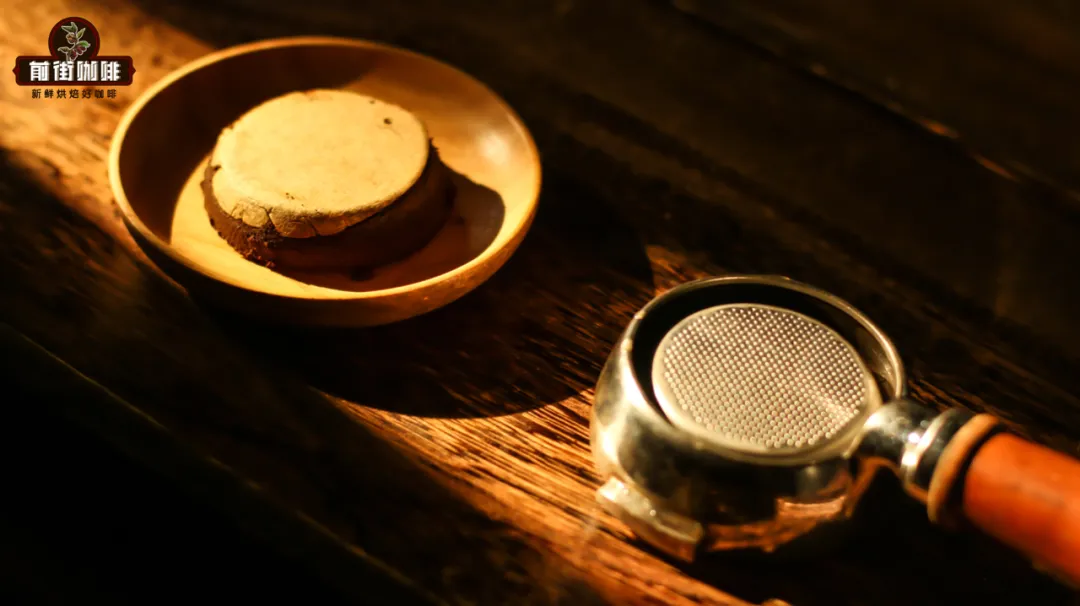
Yes, we're talking about filter paper, the circular kind. The core function of filter paper is, of course, filtration—intercepting coffee grounds—and even when placed in the portafilter basket, this basic role remains unchanged. However, in the process of making espresso, its impact goes far beyond filtration; what specific effects it can produce depends entirely on where you place it.
In fact, Front Street Coffee has briefly mentioned its uses in many past articles, but never elaborated in detail. So today, Front Street Coffee will seriously discuss the benefits and costs of adding filter paper when making espresso.
I. Placing the Filter Paper at the Bottom of the Portafilter Basket
Usually, when people talk about adding filter paper to the portafilter basket, in most cases they mean placing it at the bottom. This approach can both reduce the bitterness of the coffee and make the output cleaner.
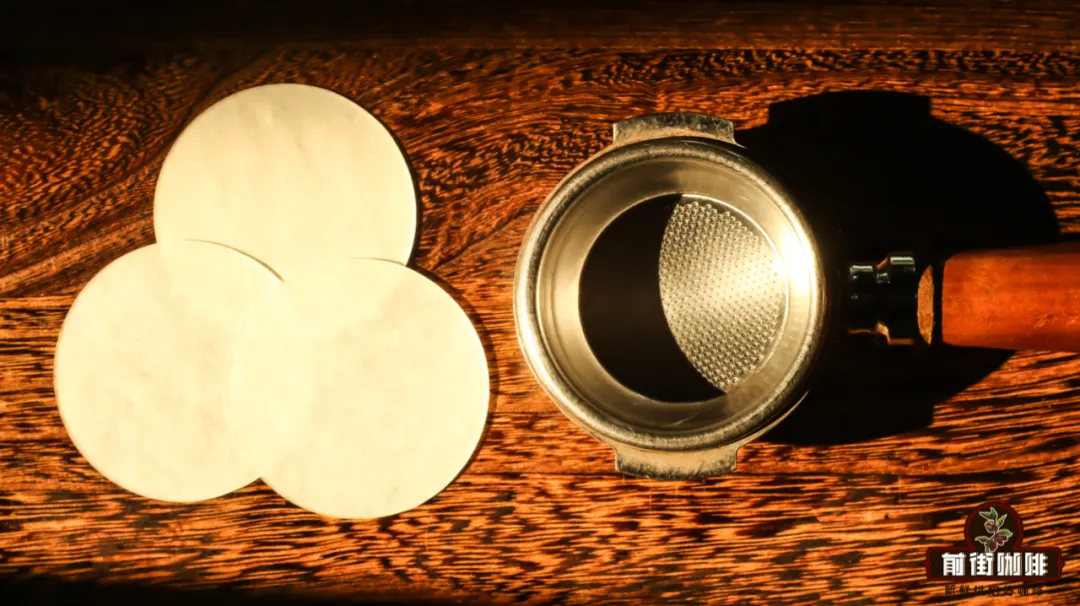
During espresso extraction, a large amount of fine particles are pressed out of the portafilter basket along with the coffee liquid. These particles are extremely small, and the basket's holes simply cannot block them. When the espresso machine starts high-pressure extraction, these ultra-fine powders pass through the basket with the water flow and end up in the cup. The fine particles themselves carry noticeable bitterness; their presence increases the bitterness of the entire cup and drags down cleanliness. If you don't want the espresso's bitterness to be too prominent and want a cleaner taste, you can lay one or two circular filter papers flat at the bottom of the portafilter basket before extraction. The filter paper will act as a barrier, keeping the fine particles inside the basket. The resulting espresso has a cleaner taste and reduced bitterness.
However, it's important to note that this method brings two negative effects. First, as fine particles are intercepted, the coffee loses some of its body. This is because fine particles contribute both bitterness and body. With fewer fine particles in the cup, body naturally decreases. The second issue is that extraction time shortens, and the extraction yield is relatively lower. Coffee grounds do not have a uniform particle size; during extraction, some fine particles similar in size to the bottom holes get stuck in the holes, reducing the channels through which hot water can pass. This causes extraction time to lengthen, thereby increasing the extraction yield.
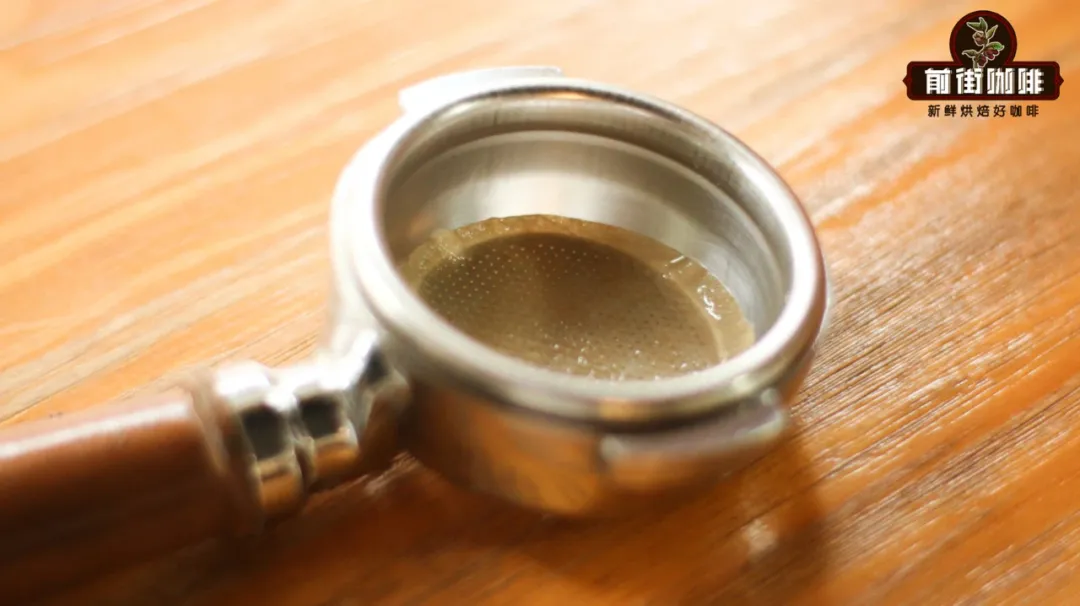
However, once a layer of filter paper is placed at the bottom of the portafilter basket, nothing will clog the holes anymore. With the hot water channels restored, the extraction flow rate naturally speeds up. Time shortens, and the extraction yield decreases accordingly. Front Street Coffee previously conducted several comparison experiments, specifically on the differences between adding filter paper at the bottom of the portafilter basket and not adding it. The results showed that espresso without filter paper had an extraction time several seconds longer than with filter paper, and a higher extraction yield.
Therefore, if you plan to reduce coffee bitterness by adding filter paper at the bottom of the portafilter basket, it's best to adjust parameters during the grind-setting stage with the premise of "extracting after adding filter paper." Otherwise, inconsistencies before and after will cause deviations, making you repeatedly adjust the espresso, which is counterproductive.
II. Placing the Filter Paper on Top of the Puck
If the filter paper is placed on top of the puck, it can reduce channeling and make extraction more uniform.
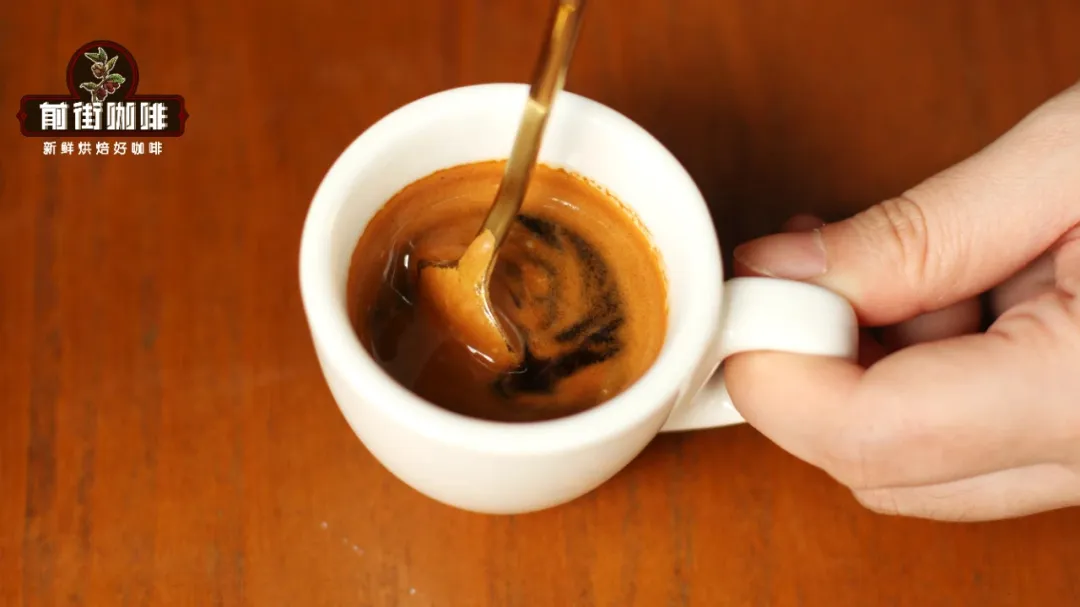
There is a certain gap between the puck and the group head, so when hot water falls, it carries some impact force. Although this force is not enough to directly penetrate the puck, it easily scatters the coffee grounds on the surface of the puck, making it more prone to forming channels and leading to uneven extraction.
If a filter paper is placed on top of the puck, it can disperse the impact before the water contacts the puck, while allowing the water to spread more evenly and pass through the coffee bed, achieving more uniform extraction. However, in terms of actual improvement, it is relatively less significant. This is because channeling mostly arises from operational issues such as improper tamping or too many clumps. So few people add filter paper on the surface of the puck; the more common practice is to place it at the bottom of the portafilter basket.
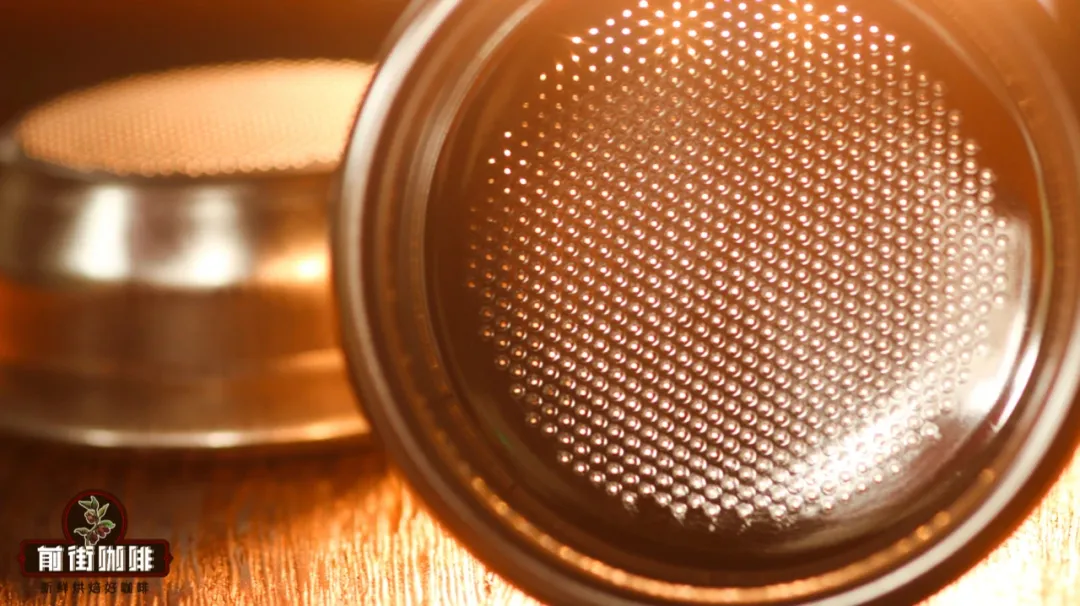
Adding filter paper on top of the puck will lengthen the extraction time, because the path the hot water needs to travel becomes longer, so time naturally increases. How much it extends depends on the thickness of the filter paper—the thinner the paper, the less extension; the thicker, the more. This is actually not a bad thing, because it means you can extract with less coffee dose or a coarser grind, no longer constrained by the standard capacity of the portafilter basket, giving you more flexibility in the amount of coffee used.
- END -
The above content is compiled by CoffeeHunters, a coffee news website.


