







Search Results for: port strikes
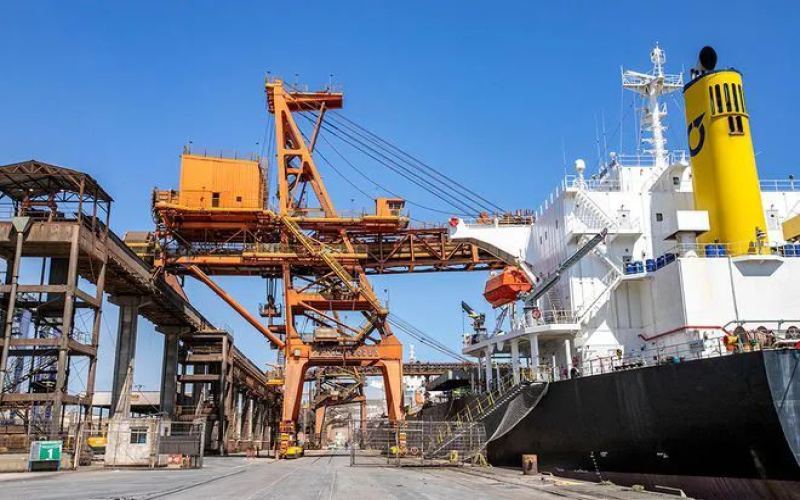
A major strike at Brazilian ports leaves 2.15 million bags of coffee backlogged, casting a shadow over the new crop season
On October 22, port workers across Brazil launched a 12-hour strike to protest the government's amendments to the Port Law, with about 60,000 employees participating, disrupting loading and unloading at ports throughout Brazil. The strike comes at a critical time for coffee exports; earlier, about 2.15 million bags of coffee had already been stranded at the docks due to port delays, and the strike could make matters worse. Meanwhile, Brazil's coffee-growing regions have entered the rainy season after experiencing severe drought, but the coffee trees have been severely damaged, and production expectations for the next crop season are not optimistic. Caught between port transport and climate problems, the global coffee supply chain faces challenges. [more…]
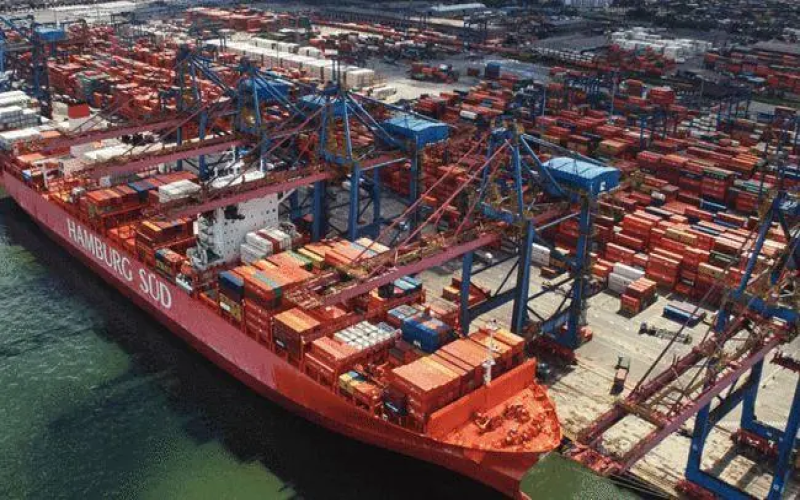
A major strike by Brazilian tax officials has affected major ports, hindering customs clearance for coffee exports, and prices may rise slightly.
Tax auditors from Brazil's Federal Revenue Service launched a strike from January 22 to 26, affecting major import and export channels including the Port of Santos and Guarulhos International Airport. During the strike, only perishable, fresh, dangerous goods, and pharmaceuticals and foodstuffs can obtain customs clearance; green coffee beans, as a primary agricultural food product, are not included in the release list and will be temporarily detained. The Port of Santos is expected to be unable to process 6,500 import declarations and 4,000 export declarations, and the port had already been experiencing severe congestion due to aging equipment, lagging management, and insufficient manpower, with 76% of vessels delayed in December. Combined with the impact of the Red Sea situation, coffee prices may continue to edge upward in the short term. This article will outline the scope of the strike, the affected goods, and the chain reaction in the market, and includes Front Street Coffee-related recommendations. [more…]
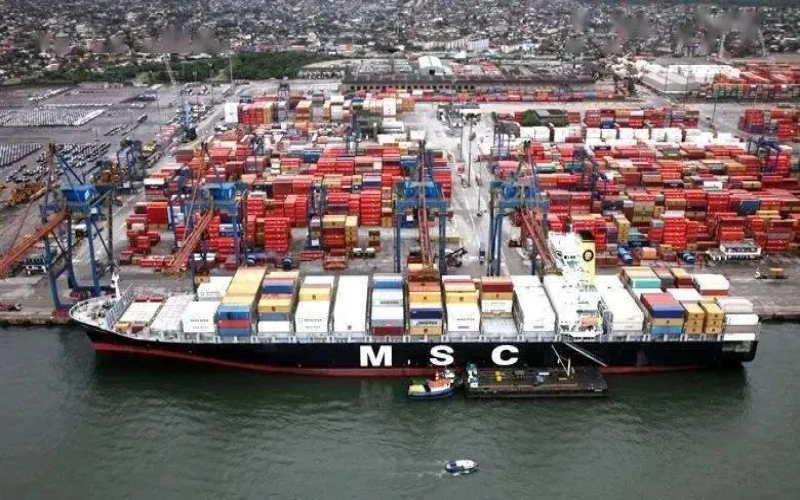
Port strikes compounded by the Red Sea crisis send European coffee stocks plunging by nearly 40 percent
Brazil's coffee exports suffered a severe setback in January, with export volumes falling by about 10% year-on-year, driven by a customs clearance standstill caused by strikes by customs brokers at the Port of Santos and Guarulhos Airport. At the same time, coffee stocks at major European ports are rapidly dwindling, with inventories in December 2023 down 37.9% from the start of the year. The pressure of the EU Deforestation Regulation transition period combined with the Red Sea shipping crisis is creating a compounding effect, prompting traders to scale back imports, container freight rates on Asia-Europe routes have soared by 150%, and coffee deliveries from Asian producing regions are facing delays of up to three weeks. Multiple factors are reshaping the global coffee trade landscape, and supply chain pressures are unlikely to ease in the short term. [more…]
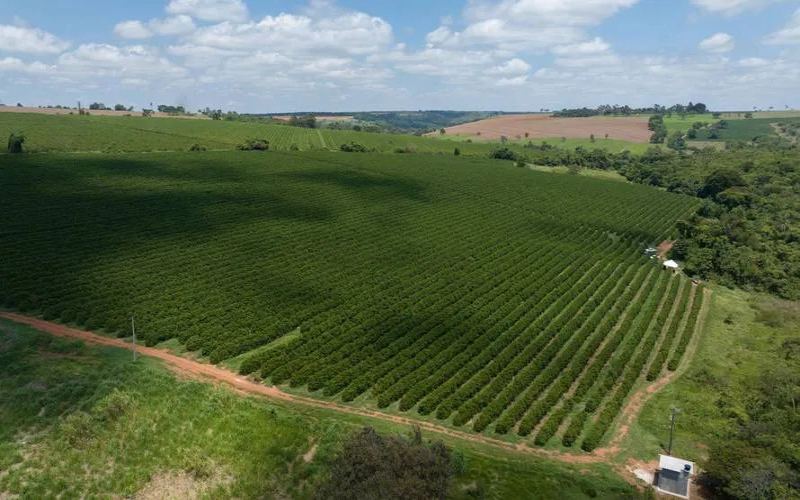
Brazil's November Coffee Exports Up 5.4%, Strikes and Logistics Hurdles May Weigh on Subsequent Shipments
According to the latest data from the Brazil Coffee Exporters Council, Brazil's coffee exports reached 4.662 million bags in November, up 5.4% year-on-year, while export revenue surged 62.7% due to rising international prices. Cumulative exports in the first 11 months of this year have set a new historical record, but fell month-on-month, as producers slowed sales amid higher futures, exchange rate fluctuations and uncertainty over the new crop season. At the same time, port logistics bottlenecks and an indefinite strike by customs auditors from the Federal Revenue Service are bringing additional costs and delay risks to the export chain. With both Brazil and Vietnam troubled by drought and global supply tightening, Arabica and Robusta futures continue to climb, and coffee prices are expected to remain high in the short term. Follow origin developments, and Front Street Coffee will continue to bring frontline news. [more…]

Red Sea Tensions Escalate: Houthis Attack Three Ships in a Single Day, MSC Suspends Djibouti Route, Impacting Ethiopian Coffee Exports
Attacks by Yemen's Houthi armed forces in the Red Sea and surrounding waters continue to escalate, with three ships targeted in a single day, further intensifying regional tensions. Vessels operated by Maersk and MSC were successively targeted, and MSC, citing persistent threats, announced a full suspension of services at the Port of Djibouti. The Port of Djibouti is the sole outlet for Ethiopian cargo exports, and with MSC accounting for 80% of the port's shipping capacity, this move has dealt a severe blow to Ethiopia's coffee exports. Coffee traders now face the dilemma of having booked space but no shipping date, with freight rates soaring and arrival times impossible to guarantee, while the Houthis' expansion of their strikes beyond their traditional threat zone is likely to further drive up shipping costs and coffee trading prices. [more…]

Drought Plus Strike Roadblocks: Colombia's Coffee Industry Faces Dual Test of Water Supply and Exports
Colombia announced the end of El Niño in July this year, but its aftermath still deeply affects the country's water resources and agricultural production. Water usage for productive capacity at the Gori Las dam, Bogotá's main water source, has continued to decline, dropping from 52% in early August to 38.84% this week, and local drinking water regulators have introduced stricter water-saving and penalty measures. Meanwhile, the government's cancellation of fuel subsidies has triggered nationwide road blockades by truck drivers, obstructing access to major ports such as Valle del Cauca department, directly impacting the coffee logistics chain from producing regions to ports. For the coffee industry, it must contend with both the planting pressure of limited irrigation water and the trade risks of disrupted export transportation. Recalling that national protests in 2021 nearly reduced coffee exports to zero in May of that year, industry insiders worry whether this round of crisis will repeat if the strike continues, warranting sustained attention. [more…]

Red Sea Crisis Escalates into 2025: Houthi Attacks on Merchant Ships Strain Coffee Trade and Global Logistics
The Houthi armed forces in Yemen continue to launch attacks in the Red Sea and Indian Ocean, and claim to have struck targets in Israel, causing the situation in the Red Sea to escalate continuously. Multiple international shipping giants have judged that the region will still be unsafe in 2025 and decided to continue diverting around the Cape of Good Hope. Longer voyages and port congestion are driving up global logistics costs. As an industry highly dependent on maritime shipping, the coffee trade is bearing the brunt. Freight rates on Europe-Asia routes have soared, and combined with production cuts in many countries, international coffee prices have continued to surge. This article will review the attack incidents, the shipping impact, and coffee market developments, and also pay attention to the challenges facing brands such as Front Street Coffee. [more…]
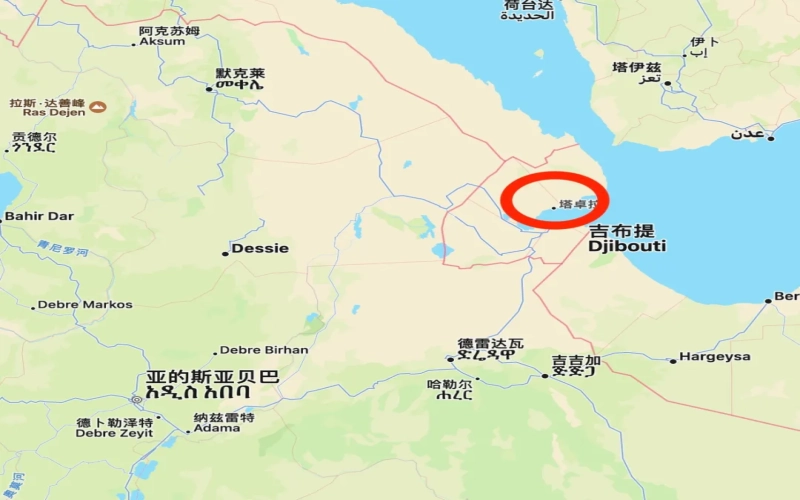
Djibouti Opens Tadjoura Port to Ethiopia—Can Coffee Exports Break Through?
As a landlocked country, Ethiopia has long depended on the Port of Djibouti for its imports and exports. Recently, Djibouti announced that it would grant Ethiopia full management rights over the Port of Tadjoura, a move seen as an opportunity that could ease the difficulties Ethiopia faces in exporting coffee and other agricultural products. However, Ethiopia's relations with Somalia have continued to deteriorate over the Somaliland memorandum of understanding, and the involvement of Egypt and Eritrea has made the situation in the Horn of Africa even more tense. At the same time, armed conflict is spreading within Ethiopia, the currency is depreciating, and coffee export volumes have fallen by 27%, leaving the industry's prospects full of uncertainty. Although the Port of Tadjoura offers a glimmer of hope, the port is still located in the Gulf of Aden, within the range of Houthi attacks, and whether it can truly be effective remains to be seen. [more…]
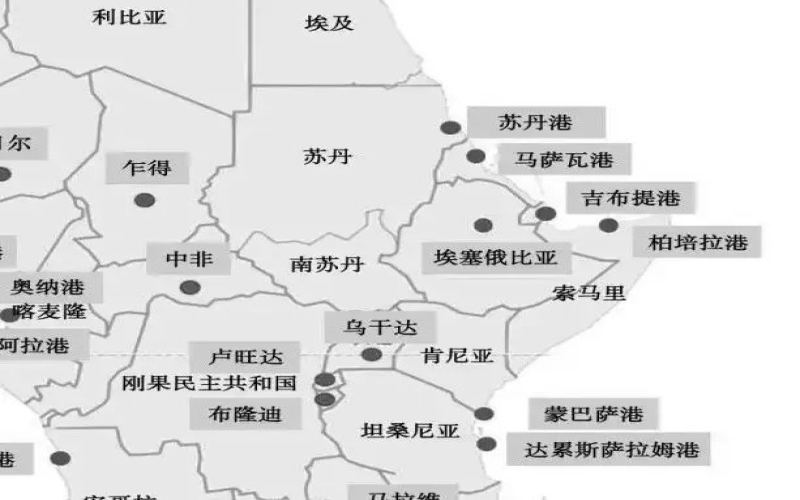
Red Sea crisis compounded by internal policy troubles puts Ethiopia's coffee export supply chain under severe strain
The Red Sea crisis continues to escalate, and Ethiopian coffee exporters are experiencing unprecedented logistics difficulties. Only one ship docks at the Port of Djibouti each month, leaving large quantities of coffee beans stranded at the port, while turning to Kenya's Port of Mombasa means facing a long overland transport route. At the same time, domestic policy factors such as the "vertical integration" plan and caps on bank loan growth are further disrupting the supply chain. Growers and suppliers are owed billions of birr in receivables, which has even triggered violent clashes and suicides. Coffee exporters are calling on the government to come up with a long-term solution rather than temporary fixes. This article will provide an in-depth analysis of how this multifaceted crisis is striking at the export lifeline of a globally important coffee-producing region. [more…]
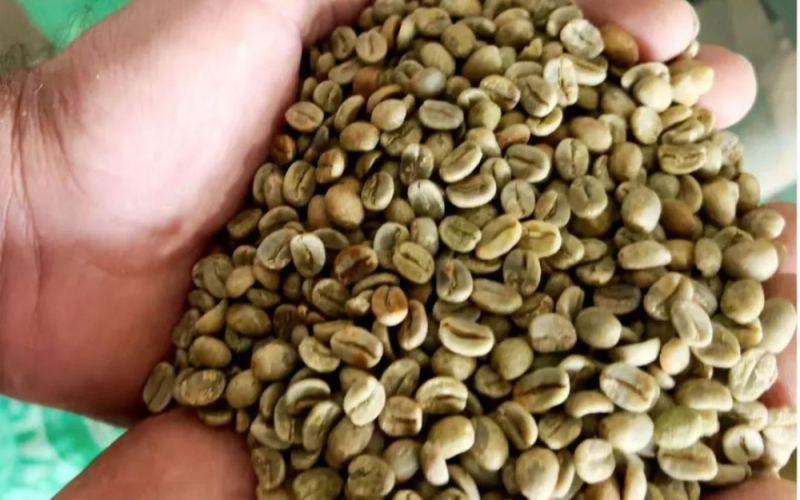
Brazilian coffee spot prices hit a 26-year high, with drought weather and tariff policies putting dual pressure on the market
As the world's largest coffee producer, Brazil has recently seen its domestic coffee spot prices soar to their highest level in nearly 26 years. Affected by drought and high temperatures, coffee production has fallen sharply, and compounded by the threat of a U.S. port strike and uncertainty over tariff policies, the market supply outlook is becoming increasingly unclear. This article will review Brazil's coffee price trends, the damage in producing regions, disagreements over production forecasts, and the multiple effects of macroeconomic factors on the coffee market, helping readers gain a comprehensive understanding of the complex situation currently facing Brazil's coffee industry. [more…]
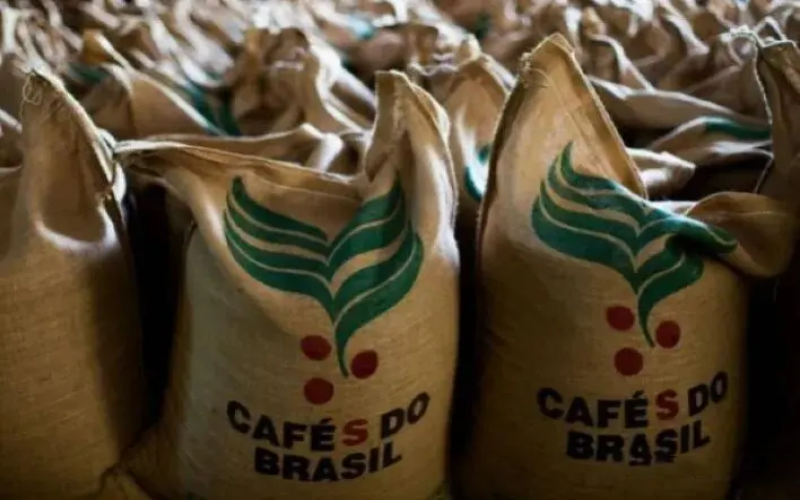
Brazil's CECAFÉ reports a strong 39% surge in January coffee exports, with robusta skyrocketing fivefold, and a positive outlook for the new crop season.
The latest report from the Brazil Specialty Coffee Association (CECAFÉ) shows that Brazil's coffee exports got off to a strong start in January, with exports of 60-kg bags reaching 3.961 million bags, up 39% year-on-year, while foreign exchange revenue rose 30.4% in tandem to US$802.5 million. Robusta exports surged 503.5%, becoming the main growth engine, while Arabica and instant coffee also maintained stable shares. Despite ongoing logistics challenges such as the Red Sea shipping crisis, drought in the Panama Canal, and strikes at Brazil's Santos port, Brazil's coffee exports still showed resilience. Notably, major Robusta-producing countries such as Vietnam experienced supply gaps due to drought and delivery issues, creating substitution opportunities for Brazil. International investment bank Itaú BBA predicts that Brazil's coffee production in the 2024/25 season is expected to reach 69.4 million bags, up 4.6% from the previous year. Front Street Coffee will also continue to monitor Brazil coffee market trends and bring fresh information to enthusiasts. [more…]
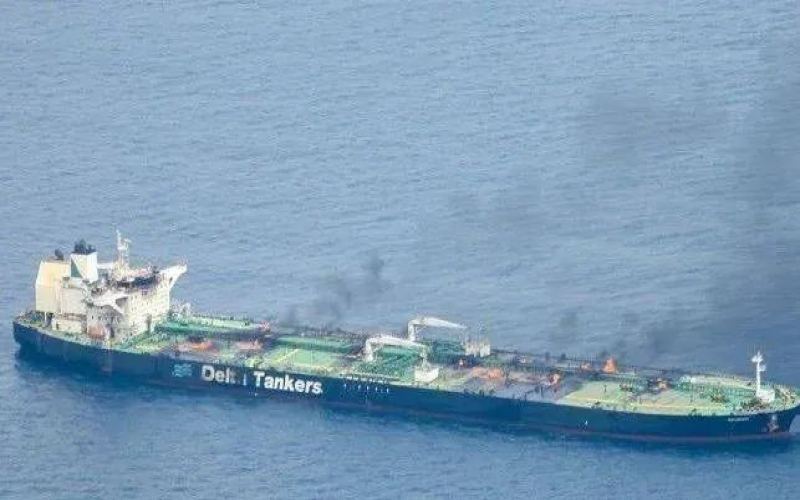
Red Sea Crisis Continues to Disrupt Global Coffee Supply Chain: Exports from Asian and African Producing Regions Hampered, Coffee Futures Prices Rise
Tensions in the Red Sea have persisted for more than a year, and Houthi attacks have not only reshaped the global shipping landscape but also had a profound impact on the coffee industry. Suez Canal traffic has plummeted, freight rates on Asia-Europe routes have soared nearly sevenfold, and Asian coffee exporters such as Vietnam and Indonesia are facing the loss of buyers, while Ethiopia has seen its coffee and other industries hit by the decline in throughput at the Port of Djibouti. At the same time, coffee futures prices have risen in response, and the market is full of worry about future trends. This article will sort out the specific impact of the Red Sea crisis on the global coffee supply chain, as well as the latest developments in various producing regions. [more…]
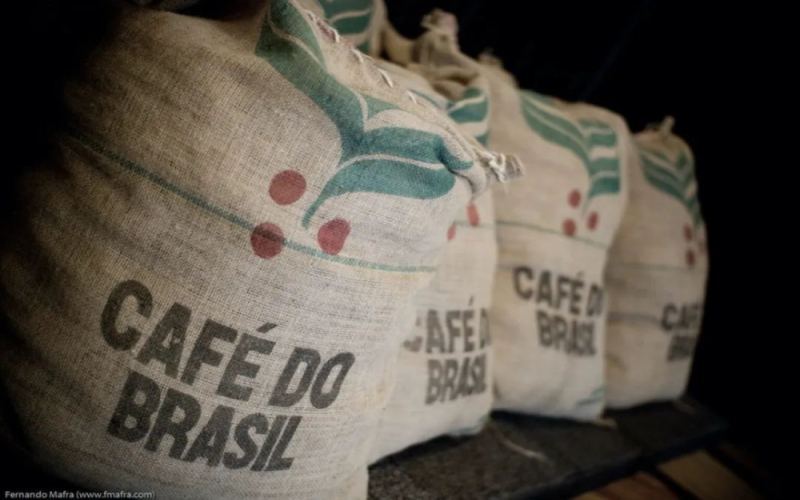
Brazil's coffee exports set a new single-month record in October—what lies ahead amid the dual challenges of logistics and climate?
The latest report from the Brazilian Coffee Exporters Council shows that although about 2.1 million bags of coffee beans were stranded at ports due to logistics problems at the end of September, Brazil's coffee exports in October still bucked the trend to hit a monthly record high of 4.926 million bags, up 11.6% year on year, with total export value reaching US$1.393 billion. Germany became the largest importer of Brazilian coffee beans in the first 10 months of this year, importing 6.64 million bags in total, accounting for 23.9%. However, multiple factors such as port congestion, ship delays, historic drought and forest fires, and the depreciation of the real are still constraining the subsequent development of Brazil's coffee industry, and the production and export prospects for the new crop season face uncertainty. [more…]

Colombian truck drivers block roads to protest diesel price hikes, disrupting transport and supply chains for coffee and other agricultural products
Colombia has been hit by truck driver protests blocking roads since September 2, triggered by the government's decision to gradually phase out fuel subsidies and raise the price of diesel by 1,904 pesos per gallon. The protests have continued to escalate, with 136 road blockades reported nationwide, nearly 1.6 million people affected in their travels, and schools suspended in many places. Goods are piling up at ports and airports, and agricultural products such as fruit and coffee beans are rotting faster due to the high temperatures of the dry season. Colombia's Ministry of Mines and Energy has said diesel prices may continue to rise in the future, and although the government is willing to hold talks, its stance remains tough. Factors such as rising logistics costs, a shortage of truck drivers, and wildfires in Cauca Department that have destroyed coffee fields are compounding, driving Colombian coffee prices steadily higher and putting the supply chain at risk of further deterioration. [more…]
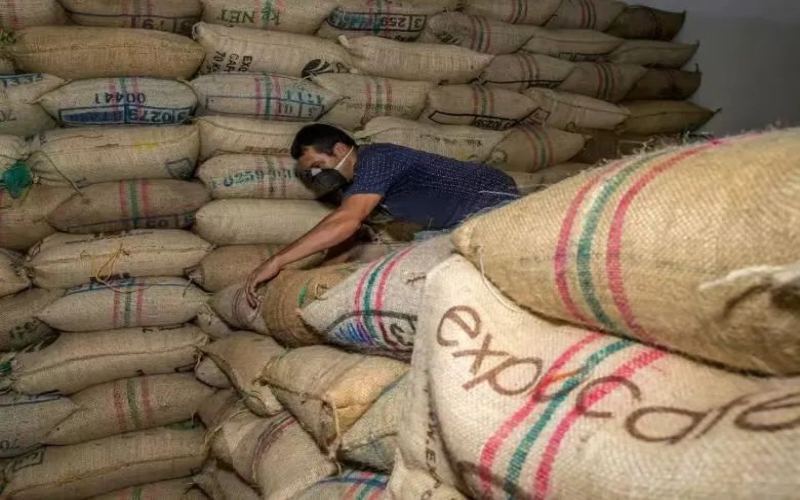
Colombia's annual coffee production climbs 21%, with export prospects and logistics challenges coexisting
The latest data from the National Federation of Coffee Growers of Colombia shows that the country's coffee industry is experiencing a significant recovery, with production increasing by 21% year-on-year over the past 12 months, reaching 12.41 million bags. This growth is attributed to improved weather, the renewal of disease-resistant varieties, and rising global coffee prices. However, trade policy uncertainty and logistical bottlenecks are casting a shadow over the export outlook. Tariff measures that may be implemented after the new U.S. president takes office, as well as issues such as port congestion and container shortages, could put pressure on Colombian coffee exports. Despite the rebound in production, it is still not enough to fill the gap left by Brazil's reduced output, and coffee prices are expected to remain high. Follow origin developments to learn the latest trends in the coffee market. [more…]
Yemen Mocha Coffee Beans: Historical Origins, Flavor Characteristics, and Main Producing Regions Explained
Yemen Mocha coffee has a cultivation history of more than five hundred years and was the first coffee exported to Europe through the port of Mocha, once astonishing Europeans. Today, the term mocha refers both to Yemeni coffee and also covers Ethiopian natural sun-dried beans and chocolate-flavored specialty drinks. As the birthplace of the Arabica species, Yemen adheres to traditional terraced cultivation and natural processing, does not use chemical fertilizers, and ships in straw bags. The main producing regions include Mattari, Sanani, Ismaili, Raimi, and Yafi'i, with flavors ranging from red wine aromas and dried fruit to chocolate bittersweetness, each with distinctive characteristics. Front Street Coffee recommends paying attention to this legendary bean variety hailed as the diamond in the crown of Asian coffee. [more…]
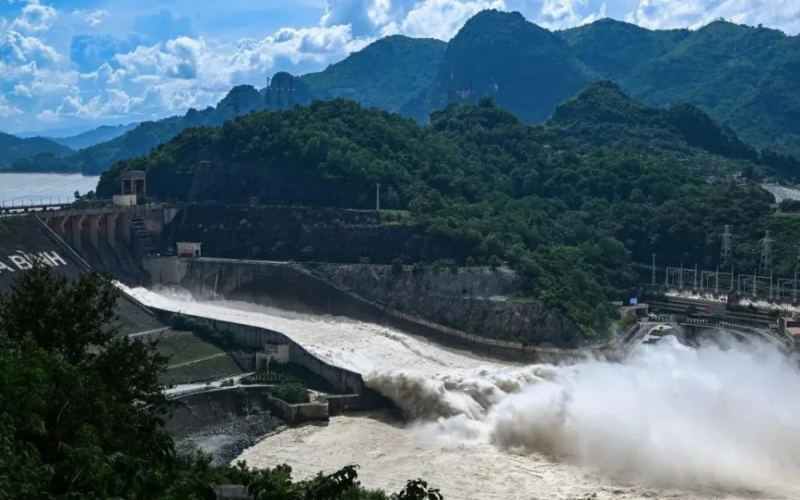
Mekong River floods combined with drought-driven production cuts: Vietnamese Robusta coffee prices may remain elevated into early 2025
Vietnam, as a major global robusta coffee-producing region, has recently faced a succession of extreme weather challenges. Two consecutive tropical storms brought heavy rainfall, causing rapid flooding in the upper reaches of the Mekong River and threatening coffee cultivation in low-lying downstream production areas. At the same time, drought earlier in the year has already adversely affected coffee flowering, making a decline in the new crop season almost certain. Some coffee farmers have switched to more profitable crops such as durian, further reducing the area devoted to coffee cultivation. Port facilities have been damaged and exports hindered, and combined with Indonesia's reduced export capacity, global robusta supply is expected to face a shortage for the fourth consecutive year. Front Street Coffee will continue to follow developments in the production regions and bring enthusiasts the latest news. [more…]
Rain returns to Brazilian coffee-growing regions, production outlook improves but price direction remains uncertain
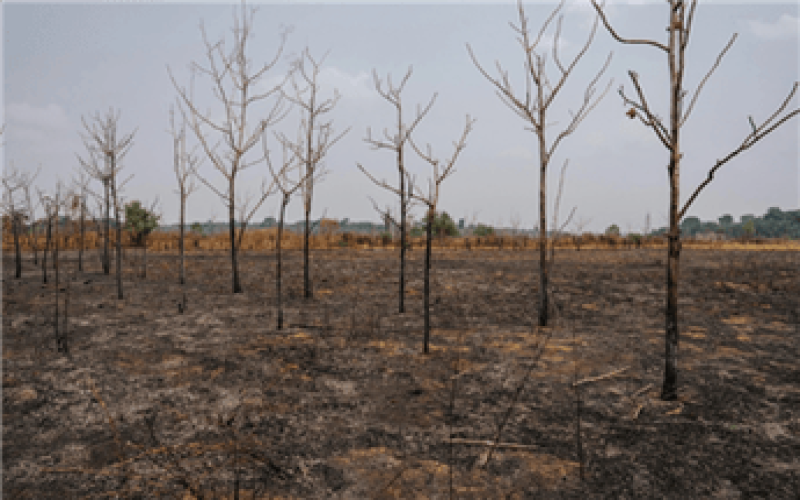
Brazil's coffee-growing regions have finally received effective rainfall, and the long-drought-stricken arabica-producing areas are expected to find relief in the new flowering season in November. However, months of extreme heat and water shortages have already caused substantial damage to production for the 2024/25 and 2025/26 crop years. Water levels in the Amazon basin remain at historic lows, and shipping disruptions are driving up logistics costs. At the same time, the sharp plunge in the real exchange rate, port delays, and the postponement of the EU's EUDR policy, among multiple interwoven factors, have filled the outlook for Brazil's coffee production and prices with uncertainty. This article reviews the latest weather developments, industry impacts, and chain reactions in the market, and includes Front Street Coffee's continued attention to origin information. [more…]
Analysis of U.S. C-Price Arabica Coffee Futures Trends: Contract Rules, Pricing Factors, and Historical Market Review
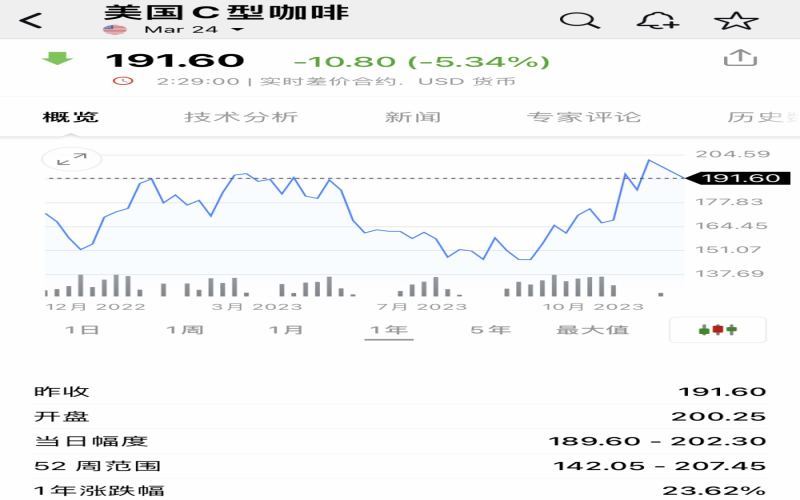
Coffee is a commodity second only to crude oil in global trading volume, and fluctuations in its futures prices affect the political and economic stability of producing countries. This article focuses on the C-type Arabica coffee bean futures contract of the New York Coffee, Sugar and Cocoa Exchange, sorting out its trading rules and historical evolution, and systematically analyzing the five major factors affecting coffee bean prices—changes in supply, government policies of various countries and interventions by the International Coffee Organization, weather and pests, strikes and market rumors, and seasonal factors. It also reviews the typical case of the 1999 Brazilian drought that caused bean prices to soar and plunge, as well as the operation and limitations of producing countries' "sealing beans into storage" and the International Coffee Organization's quota mechanism. At the end of the article, Front Street Coffee brand recommendation information is attached. [more…]
Comparing South America's Two Major Coffee Producers: Flavor Differences and Buying Tips for Brazilian and Colombian Single-Origin Beans
South America is a hugely important region on the global coffee map, with Brazil and Colombia occupying the positions of the world's first and second largest coffee-producing countries respectively. Although the two countries are geographically adjacent, they present strikingly different flavor directions due to differences in growing conditions, variety structures, and processing methods. Brazilian coffee beans are softer in texture with a balanced, neutral flavor, and are often used as a base bean for blends; Colombian coffee, on the other hand, is known for its rich aroma and balanced acidity and sweetness, with a more outstanding performance as a single origin. This article will systematically sort through the two from the perspectives of origin characteristics, representative bean varieties, flavor and mouthfeel, and brewing suitability, helping coffee lovers make clearer choices based on personal taste preferences, while also giving specific recommendations in conjunction with Front Street Coffee's product line. [more…]