







Ethiopia's Coffee Export Supply Chain Under Pressure
Ethiopia's coffee exports face a dual crisis. The Red Sea disruptions have left only one ship docking monthly at Djibouti, where beans pile up. Rerouting via Kenya's Mombasa port means a long, problematic overland journey. Domestically, a vertical integration plan and caps on bank loan growth have worsened logistics. Growers and suppliers are owed billions of birr, sparking unrest. Exporters urge a lasting solution, not temporary fixes.
This strain hits a nation vital to the global coffee trade. Ethiopia's beans are prized worldwide, and how coffee grows there—on smallholder farms—makes the supply chain fragile. With receivables unpaid, farmers suffer. The crisis threatens Ethiopia's export lifeline and the livelihoods of millions. Fair trade of coffee aims to protect such farmers, but current conditions test those principles. The situation demands urgent, coordinated action from the government and international partners.
The Red Sea crisis continues to escalate, and Ethiopian coffee exporters are experiencing an unprecedented logistics predicament. Only one ship docks at the Port of Djibouti each month, leaving large quantities of coffee beans stranded at the port, while switching to Kenya's Port of Mombasa entails a long overland journey. Meanwhile, domestic policy factors such as the "vertical integration" plan and caps on bank loan growth have further disrupted the supply chain. Growers and suppliers are owed billions of birr in receivables, which has even triggered violent clashes and suicides. Coffee exporters are calling on the government to deliver a lasting solution rather than stopgap measures. This article takes an in-depth look at how this multi-layered crisis is striking at the export lifeline of a globally important coffee-producing region.
Recently, Ethiopian reporters disclosed that, affected by the Red Sea crisis triggered by Houthi attacks, Ethiopian coffee exporters have been forced to endure waiting periods of up to several months before they can ship their goods overseas. At present, exporters are considering rerouting through Kenya's Port of Mombasa, but obstacles at the logistics level are numerous.
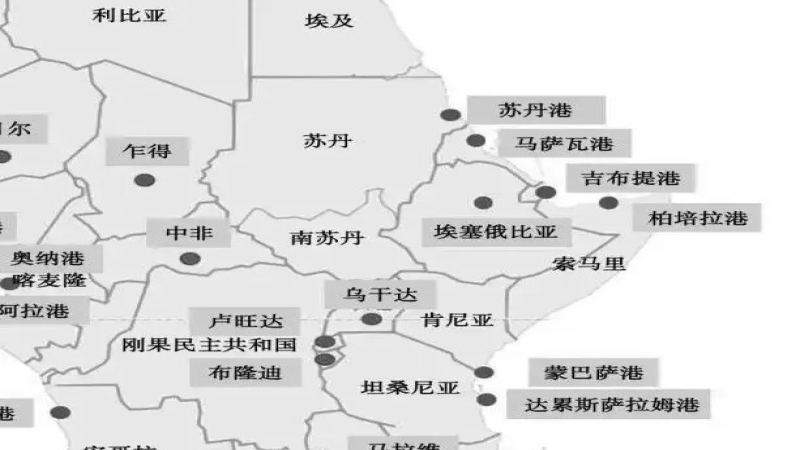
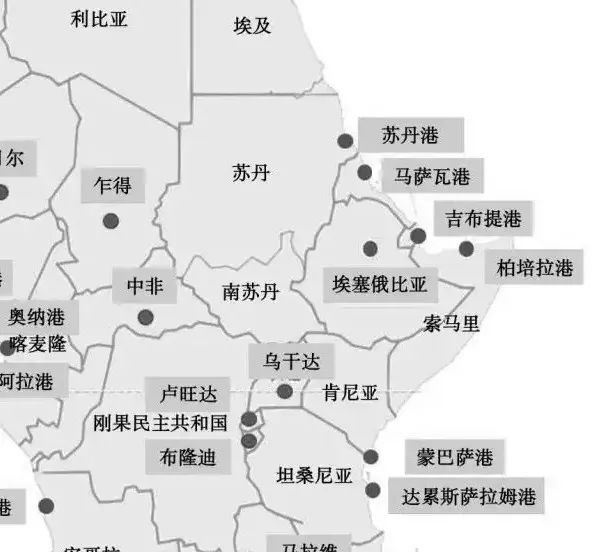
Currently, Ethiopia's coffee exports rely mainly on the Port of Djibouti in neighboring Djibouti, which sits at the junction of the Red Sea and the Gulf of Aden. Previously, at least one ship berthed at the Port of Djibouti every day, but after the Red Sea crisis broke out, global shipping giants diverted their routes one after another around the Cape of Good Hope, leaving only one ship docking at the port each month and causing large quantities of coffee beans to pile up.
Exporters are also exploring other options. They are considering exporting through Kenya's Port of Mombasa, but that port lies at the southern tip of Kenya, and getting there from Ethiopia requires crossing the entire country of Kenya—a long journey—while the logistics routes to the port are likewise plagued by frequent problems.
In addition, Ethiopia earlier signed a memorandum of understanding with the leaders of the Somaliland local government, recognizing Somaliland's independence in exchange for the right to use the Port of Berbera, but that port is still affected by the Red Sea crisis and has strained relations between Ethiopia and Somalia, making ports such as Mogadishu in Somalia unusable as well.
To make matters worse, the recently introduced "vertical integration" plan, caps on bank credit growth, and physical transportation obstacles have thrown Ethiopia's coffee supply chain into chaos. The chairman of the Ethiopian Coffee Association said that exporters and suppliers buy coffee beans from growers on credit, but after growers deliver their goods they receive payment only after long delays. Many growers have thus fallen into difficulty, with neither money nor coffee.
In the Illubabor area of western Oromia, coffee growers and suppliers are waiting for billions of birr in receivables. The problem stems from the "vertical integration" plan introduced earlier in the coffee trade—exporters can bypass the mandatory Ethiopia Commodity Exchange (ECX) and purchase coffee directly from suppliers. Under the previous ECX system, payment had to be made immediately after delivery, but the vertical system is different. The consequences of this situation have been severe: there have been incidents in which farmers and community members gathered and tried to loot the property of exporters who had not paid, and there have also been tragedies in which suppliers committed suicide.
On the other hand, exporters need huge amounts of capital to purchase coffee beans, but the National Bank of Ethiopia (NBE) has set a 14% growth cap on loan disbursement, far from enough to cover the large volumes of loans needed to buy coffee beans. It is fair to say that Ethiopia's coffee supply chain is currently beset with difficulties. Some exporters say they hope the government will face the problem squarely, and that the coffee industry needs a lasting solution, not quick fixes.
The above content is compiled by CoffeeHunters, a coffee news website.


