







Why Is Vietnamese Coffee Production Under Pressure Into 2025
Vietnamese Robusta prices may stay elevated into early 2025 after two tropical storms, Yagi and Soulik, raised Mekong River water levels and threatened low-lying coffee areas. Drought earlier in the year already hurt flowering, so a smaller new crop looks likely. Port damage and blocked exports add further strain to supply.
The squeeze extends beyond Vietnam. Declining export capacity in Indonesia means global Robusta supply is expected to run a fourth consecutive deficit. Some farmers are switching to crops such as durian, shrinking coffee area. Weather losses, shifting land use and logistics problems together keep upward pressure on coffee production worldwide.
Vietnam, as a globally important Robusta coffee-producing region, has recently faced a succession of extreme weather challenges. Two consecutive tropical storms brought heavy rainfall, causing water levels on the upper Mekong River to rise rapidly and threatening coffee cultivation in low-lying downstream production areas. At the same time, drought earlier in the year has already adversely affected coffee flowering, making a decline in the new crop season almost certain. Some coffee farmers are switching to more profitable crops such as durian, further shrinking the area devoted to coffee cultivation. Port facilities have been damaged and exports hindered, which, combined with Indonesia's declining export capacity, is expected to leave global Robusta supply in deficit for a fourth consecutive year. Front Street Coffee will continue to follow developments in the production regions and bring fans the latest information.
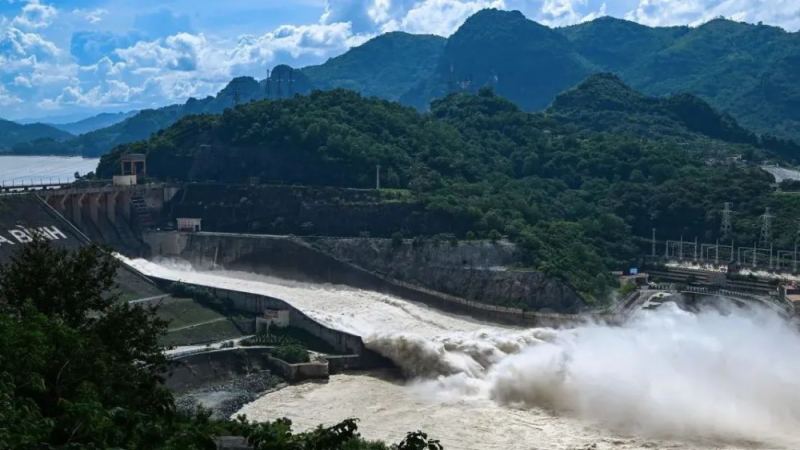
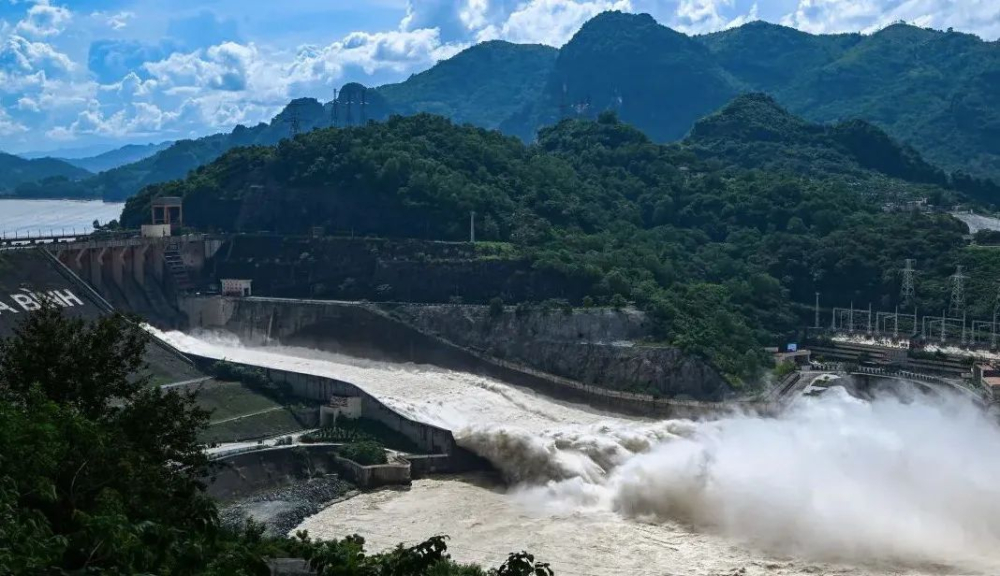
According to Vietnamese media reports, Vietnam had previously been hit successively by two tropical storms, "Yagi" and "Soulik." Although the main coffee-producing areas were not directly and severely affected, heavy rainfall covered many parts of Vietnam. With upstream inflow and astronomical high tides combining, floodwaters at the source of the Mekong River rose rapidly, and flood warnings have been issued in multiple regions of Vietnam.
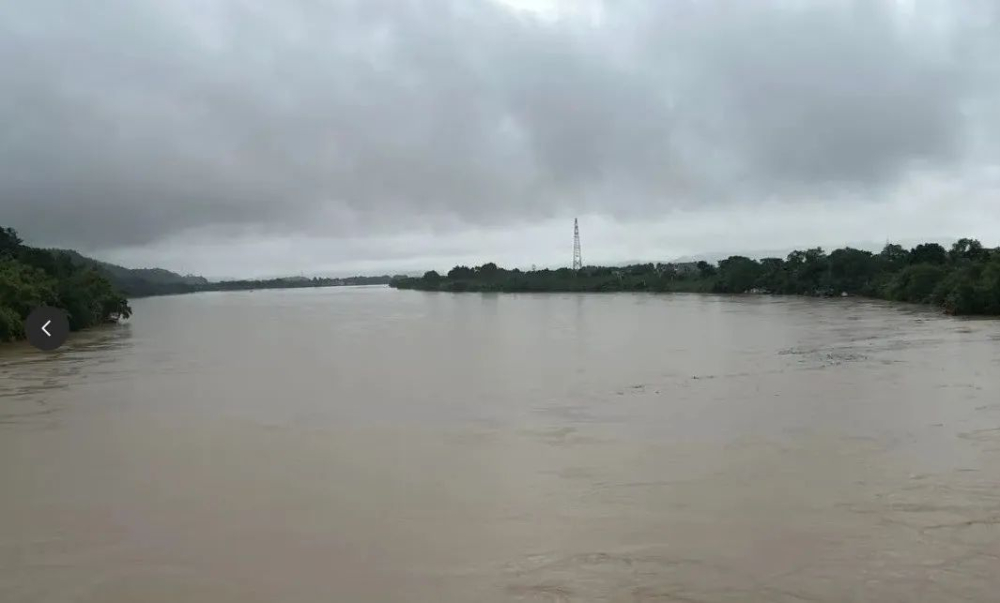
Vietnam's National Center for Hydro-Meteorological Forecasting pointed out that flood volumes on the upper Mekong River are climbing sharply. In the coming days, the combined effect of upstream floods and rising tides will push water levels on the upper Mekong River to continue rising continuously and rapidly. The forecasting center therefore warned of flood risks in low-lying areas downstream in the Mekong Delta, riverside areas, and outside dikes, while also urging precautions against landslides in mountainous areas and failures of weak embankments.
Analysis by Vietnam's Southern Institute of Water Resources Planning holds that rainstorms triggered by Typhoon Yagi in the Mekong River basin have increased flooding, and the affected area has now expanded to Cambodia and Laos, with water levels rising markedly for days. What is worrying is that Vietnam's downstream areas mainly grow crops such as coffee, fruit, and rice. If heavy rains continue to increase and the upper basin receives more heavy rain, floodwaters will surge toward the Mekong Delta, and southern and western Vietnam will face damage and declining production capacity, with losses that should not be underestimated.
It is understood that southern and western Vietnam are the main Robusta coffee-producing areas, and harvesting for the 2024/25 season is expected to begin in October. However, since the beginning of this year, the region has suffered continuous drought, and high temperatures, scant rainfall, and water shortages have significantly affected the coffee flowering period. Some coffee trees have withered, with leaves turning yellow and falling off. After entering September, Vietnam was again hit by two consecutive tropical storms. Although they did not directly strike the coffee-producing areas, the heavy rainfall still knocked down some fruit, intensifying expectations of a production decline. The coming floods will also impact and damage Robusta coffee in low-lying areas, making this year's downward production trend difficult to reverse.
The Buon Ma Thuot Coffee Association in Vietnam said that extreme climate and shrinking cultivation area will reduce Vietnam's 2024/25 new-crop output by about 10% to 15%. Drought not only lowers fresh fruit yields but may also lead to insufficient nutrients in the fresh fruit and smaller bean size, further fueling the production decline.
In addition, according to the latest data from Vietnam's Ministry of Agriculture and Rural Development, Vietnam's fruit exports have maintained stable double-digit growth this year, repeatedly hitting new highs, with durian performing especially prominently. In the first eight months of 2024, Vietnam's durian export value reached nearly US$1.82 billion, up 45% year on year, and full-year export value is expected to reach US$3.5 billion. Because durian is more profitable than coffee, many coffee farmers in recent years have switched to crops such as durian and avocado, causing Vietnam's coffee-growing area to keep shrinking.
In addition, tropical storms have dealt a considerable blow to Vietnam's ports. Infrastructure at some ports was severely damaged, loading and unloading operations were once completely halted, goods in some companies' warehouses were lost or damaged due to the typhoon, and large numbers of containers piled up at ports, obstructing the movement of goods and hampering Vietnam's exports of coffee and other commodities. Serious cargo theft incidents had also occurred previously, prompting some traders to reduce purchases from Vietnam, and the international influence of Vietnam's output has declined somewhat.
International trader Volcafe also said that, affected by Vietnam's coffee production decline, global Robusta coffee supply is expected to remain in shortage in 2024/25, which would be the fourth consecutive year of undersupply. In Indonesia, another major Robusta producer, although weather has had a relatively limited impact on output, tourism has rebounded strongly after the pandemic, driving up Indonesia's domestic coffee demand, while the volume available for export continues to decline.
The Association of Indonesian Coffee Exporters and Industries said that 2024/25 output is expected to reach 10 million bags, up 14% from last year. However, local coffee consumption has surged, and the volume available for export is expected to be around 250,000 tons, flat with last year and still trending downward.
This news is pushing up Robusta futures prices, which have now reached a high of US$5,311 per ton. Some experts believe that, judging from the current various circumstances, prices will remain high until early 2025.
To learn more about coffee-producing region news and information, please scan the QR code to follow: Coffee Review
Long-press the QR code to follow:
TRANSLATE with
x
English
Arabic Hebrew Polish Bulgarian Hindi Portuguese Catalan Hmong Daw Romanian Chinese Simplified Hungarian Russian Chinese Traditional Indonesian Slovak Czech Italian Slovenian Danish Japanese Spanish Dutch Klingon Swedish English Korean Thai Estonian Latvian Turkish Finnish Lithuanian Ukrainian French Malay Urdu German Maltese Vietnamese Greek Norwegian Welsh Haitian Creole Persian
TRANSLATE with
COPY THE URL BELOW
Back
EMBED THE SNIPPET BELOW IN YOUR SITE Bing Webmaster Portal
Back
The above content is compiled by CoffeeHunters, a coffee news website.


