







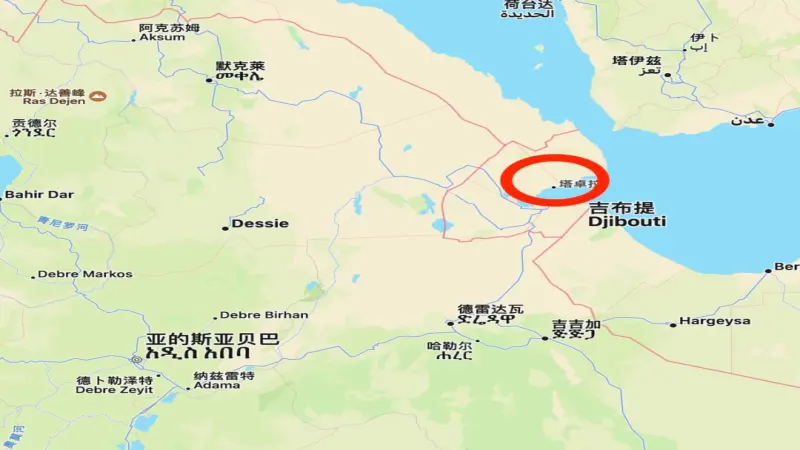
Can Tadjoura Port Ease Ethiopia's Coffee Export Woes?
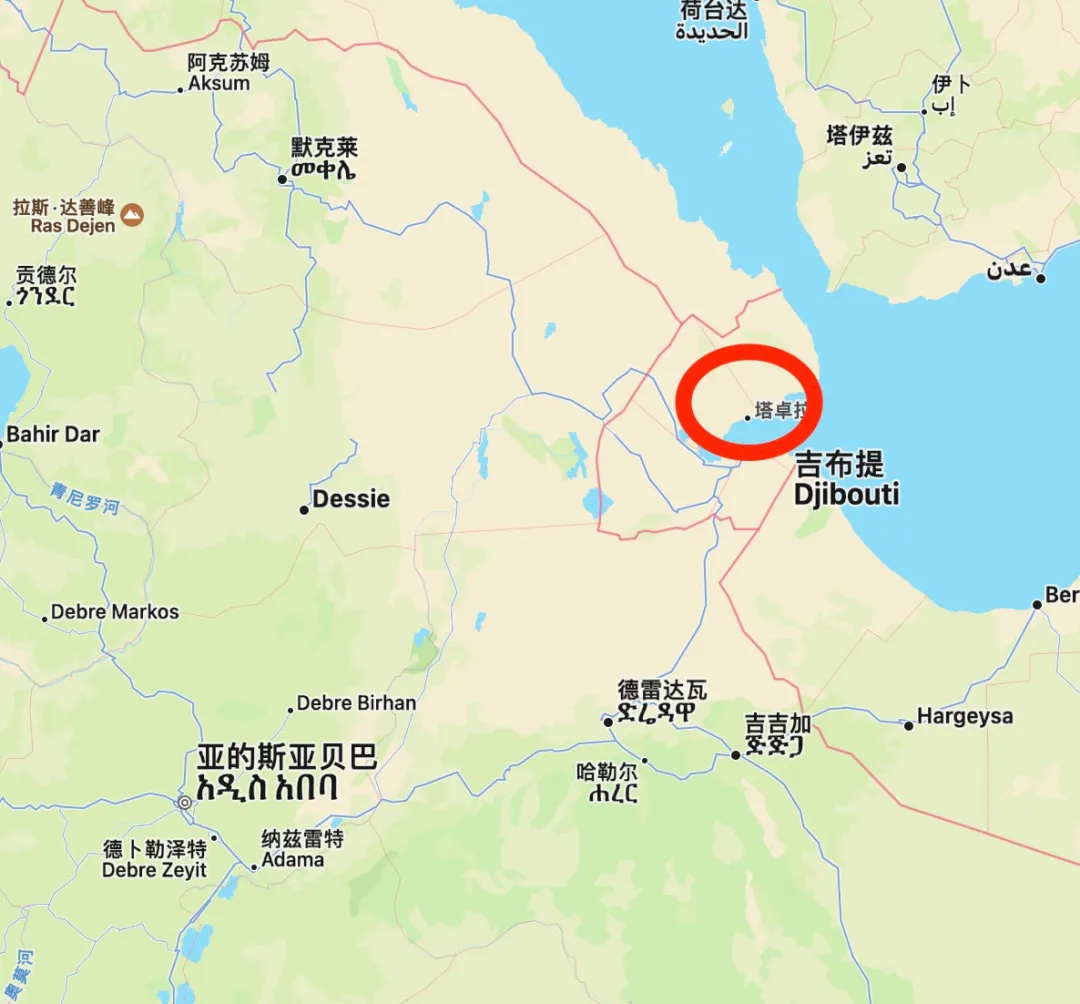
Djibouti has said it will hand full management of the Port of Tadjoura to Ethiopia, a landlocked country that has long relied on the Port of Djibouti for trade. The change is seen as a chance to ease export difficulties for agricultural goods such as coffee. No details were given on the arrangements or conditions Ethiopia must bear.
Coffee export volumes have fallen 27 percent amid currency depreciation and spreading armed conflict, while Ethiopia-Somalia tensions over the Somaliland memorandum, along with Egyptian and Eritrean involvement, keep the Horn of Africa tense. Tadjoura sits in the Gulf of Aden within Houthi strike range, so any gains for fair trade coffee production and coffee from other countries remain uncertain.
Ethiopia, as a landlocked country, has long depended on the Port of Djibouti for its imports and exports. Recently, Djibouti announced that it would hand over full management rights of the Port of Tadjoura to Ethiopia, a move seen as an opportunity to ease Ethiopia's export difficulties for agricultural products such as coffee. However, relations between Ethiopia and Somalia continue to deteriorate over the Somaliland memorandum of understanding, and the involvement of Egypt and Eritrea has made the Horn of Africa situation even more tense. At the same time, armed conflict is spreading within Ethiopia, the currency has depreciated, and coffee export volumes have fallen by 27%, leaving the industry's outlook full of uncertainty. Although the Port of Tadjoura offers a glimmer of hope, the port is still located in the Gulf of Aden, within the strike range of the Houthis, and whether it can truly be effective remains to be seen.
According to local media reports, Djibouti's foreign minister said in an interview that the country is placing the Port of Tadjoura under Ethiopia's "full management." However, the foreign minister did not provide further details about the specific arrangements or the conditions Ethiopia would need to bear.
Looking back at history, after Eritrea gained independence from Ethiopia in 1993, Ethiopia became a landlocked country without access to the sea. Since then, its foreign trade has been highly dependent on the Port of Djibouti in neighboring Djibouti. Djibouti has also gained considerable revenue from this, earning more than US$1 billion each year from Ethiopia's import and export business in port service fees alone.
Djibouti's foreign minister said that Djibouti itself is stable, but tensions in neighboring countries have yet to ease, making it difficult for Djibouti to remain unaffected.
Recently, the conflict between Ethiopia and Somalia has continued to escalate. The trigger was a memorandum of understanding signed between Ethiopia and Somaliland, in which Ethiopia recognizes Somaliland as an independent state in exchange for the use of 20 kilometers of Somaliland's coastal land and a port, with a lease term of up to 50 years.
Previously, Turkey had stepped in to mediate and tried to promote peace talks between the two countries, but ultimately failed. Somalia believes that Ethiopia's signing of the memorandum is a violation of Somali sovereignty and has made clear that there is no room for dialogue before Ethiopia withdraws from the agreement with Somaliland. At present, Somalia has gained the support of Egypt and Eritrea, and Egypt has also signed a defense agreement with Somalia and plans to deploy 10,000 troops there. On August 27, Egypt dispatched two military aircraft and some military equipment to Somalia.
Ethiopia, for its part, insists that the memorandum of understanding signed with Somaliland is aimed at seeking legitimate maritime rights and interests. In addition, Ethiopia has also become the first country to send an ambassador to Somaliland.
In response to Egypt's dispatch of military aircraft, Ethiopian officials said they are closely monitoring developments in the region that could threaten national security and expressed commitment to resolving differences through peaceful means. However, reports indicate that the Ethiopian government has begun deploying troops to the Somali region bordering Somalia. The current situation in the Horn of Africa can be described as explosive, with conflict possibly breaking out at any time.
For Ethiopia, its current situation can be described as beset by internal and external troubles. Conflicts between multiple armed forces and government troops within the country continue, and the fighting has spread from the north to the south. At the same time, recently implemented reforms have led to a sharp depreciation of the national currency, the birr, rising living costs, growing public discontent, and an uncertain outlook for industrial development.
In addition, Ethiopia's economy is highly dependent on import and export trade, with agricultural products such as coffee being especially critical. But the Port of Djibouti was previously affected by the Red Sea crisis, severely disrupting import and export routes. According to an earlier report released by the Ethiopian Coffee and Tea Authority, affected by the situation and security issues, local coffee prices are slowly rising, while export volumes have fallen by 27%. It is precisely for this reason that Ethiopia is actively seeking ports in other countries to break the deadlock.
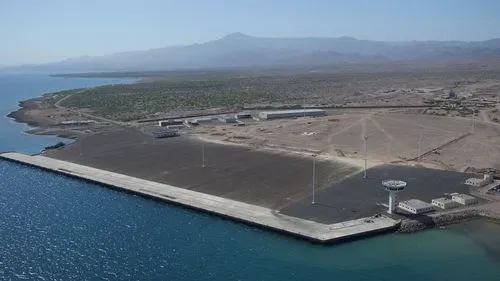
At present, Djibouti hopes to ease regional tensions through port cooperation and is expected to increase the throughput of Ethiopian goods and expand total imports and exports, which would be beneficial to Ethiopia's coffee and other industries. However, the Port of Tadjoura is located in the Gulf of Aden, still within the Red Sea area, and within the strike range of the Houthi organization. There have also recently been reports in the news of Houthi attacks on ships.
Therefore, whether Djibouti's offer of a port to Ethiopia can truly ease regional tensions is still difficult to assess. Ethiopia's Ministry of Foreign Affairs has also not responded to the matter of the Port of Tadjoura. For now, the outlook for Ethiopia's coffee and many other industries remains full of uncertainty.
To learn more about coffee origins and industry news, please scan the QR code to follow: Coffee Review
Long-press the QR code to follow:
The above content is compiled by CoffeeHunters, a coffee news website.


