







How Did Santos Coffee Shipments Fall So Fast?
Brazil shipped 2,486,267 bags of coffee by January 25, about 10 percent less than a year earlier, after a four-day strike by tax customs brokers at the Port of Santos and Guarulhos Airport. Green Arabica accounted for 2,013,917 bags, or 81 percent, Robusta 280,995 bags and instant coffee 191,301 bags. Roughly 848,371 bags remain stranded at ports.
The strike blocked clearance for all goods except perishables and pharmaceuticals, leaving about 6,500 import and 4,000 export declarations unprocessed at Santos. Old equipment and staff shortages turned that into congestion and vessel delays. European port stocks fell 37.9 percent during 2023, Red Sea disruption pushed Asia-Europe freight rates up 150 percent, and Asian deliveries now run up to three weeks late.
Brazil's coffee exports suffered a major setback in January, with export volumes falling by about 10% year-on-year, driven by a customs clearance standstill caused by strikes by customs brokers at the Port of Santos and Guarulhos Airport. Meanwhile, coffee stocks at major European ports are rapidly depleting, with December 2023 inventories down 37.9% from the start of the year. The pressure of the EU Deforestation Regulation's transition period, combined with the Red Sea shipping crisis, is creating a compounding effect. Traders are scaling back imports, container freight rates on Asia-Europe routes have surged by 150%, and coffee deliveries from Asian producing regions are facing delays of up to three weeks. Multiple factors are reshaping the global coffee trade landscape, and supply chain pressures are unlikely to ease in the short term.
According to statistics from the Brazil Coffee Exporters Council (Cecafe), as of January 25, Brazil had shipped a total of 2,486,267 bags of coffee that month. Of this, green Arabica beans accounted for 2,013,917 bags, or 81% of total exports; green Robusta beans totaled 280,995 bags, or 11%; and instant coffee amounted to 191,301 bags, or 8%. Compared with the same period the previous year, overall export volumes fell by about 10%.
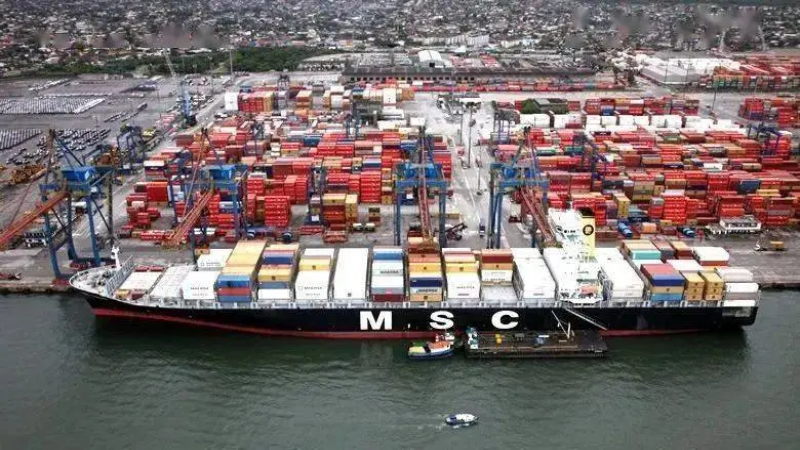
The sharp contraction in January coffee exports stems from insufficient port operating capacity. In mid-to-late January, Brazil's most important export channels—the Port of Santos and Guarulhos International Airport—were hit by a strike by tax customs brokers. During the strike, only perishable goods, live goods, dangerous goods, pharmaceuticals, and food were granted customs clearance, while all other categories of goods had customs clearance operations suspended. This situation caused considerable losses; it is estimated that about 6,500 import declarations and about 4,000 export declarations could not be cleared at the Port of Santos.
Although the strike lasted only four days, the combination of aging port equipment, outdated management practices, and staff shortages ultimately led to port congestion and vessel delays. Currently, about 848,371 bags of coffee are still stranded at Brazilian ports, awaiting shipment for export.
At the same time, coffee stocks in Europe are also continuing to decline. Data from the European Coffee Federation (ECF) shows that coffee stocks at major European ports are running dry. December 2023 inventories totaled 437,059 tonnes, down 37.9% compared with January 2023.
Behind the sharp drop in inventories is the EU's introduction of the Deforestation Regulation (EUDR). This regulation requires that no individual or company may sell products linked to deforestation on the EU market, covering categories such as coffee and cocoa. Although it is still in a transition phase and official implementation will not come until December 2024, many traders have already begun proactively reducing coffee import volumes.
On the other hand, the Red Sea crisis continues to intensify, with multiple international shipping companies announcing suspensions of Red Sea routes or diversions around the Cape of Good Hope. This has directly pushed up ocean freight rates, causing transport costs to climb sharply. The detour around the Cape of Good Hope also increases fuel costs for merchant vessels. On the hard-hit Asia-Europe routes, container freight rates have risen by 150%. Because vessels have been forced to change course, coffee deliveries from major Asian producers Vietnam and Indonesia are facing delays of about three weeks. The additional costs generated by the detour amount to hundreds of millions of euros per month, leading traders to cut back the scale of their coffee bean purchases from Asia.
The above content is compiled by CoffeeHunters, a coffee news website.


