







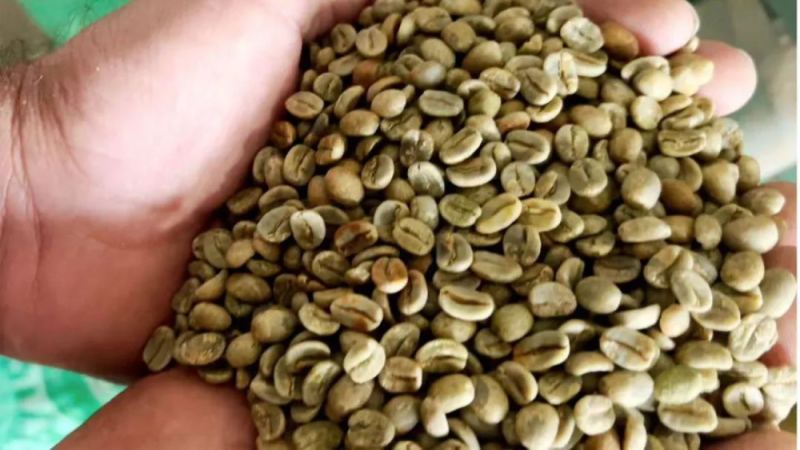
Why has coffee production in Brazil pushed prices so high?
Brazil, the largest coffee producer, has seen domestic spot prices reach their highest level in nearly 26 years. Drought and high temperatures cut coffee production sharply, and Brazil's consumer price index shows coffee product prices rose almost 33 percent over the period from last December to November, with spot beans averaging 2,100 to 2,200 reais per 60-kg bag.
Futures on the New York exchange briefly touched US$426 per bag on December 10, and the benchmark U.S. C coffee contract climbed to 348.3 cents. Industry analysts expect Brazilian coffee production to take years to recover, so average prices may stay high until at least 2026, depending on how climate conditions shift in 2025. A U.S. port strike threat and tariff uncertainty add further pressure to supply.
As the world's largest coffee producer, Brazil has recently seen its domestic coffee spot prices soar to their highest level in nearly 26 years. Affected by drought and high temperatures, coffee production has fallen sharply, and combined with the threat of a U.S. port strike and uncertainty over tariff policies, the market supply outlook is becoming increasingly unclear. This article will sort out Brazil's coffee price trends, the disaster situation in producing regions, divergences in production forecasts, and the multiple impacts of macroeconomic factors on the coffee market, helping readers gain a comprehensive understanding of the current complex situation in Brazil's coffee industry.
According to local Brazilian media reports, in the first half of this year, the country continued to suffer from drought and high temperatures, causing coffee production to decline significantly and further affecting the retail prices of domestic coffee products. According to the latest data released by Brazil's Broad National Consumer Price Index (IPCA), from December last year to November this year, the prices of coffee products in Brazil accumulated an increase of nearly 33%.
At the same time, coffee spot prices also rose accordingly, setting a record high in nearly 26 years, with an average price of 2,100 to 2,200 reais per bag (60 kg per bag). On December 10, futures prices on the New York Stock Exchange briefly touched US$426 per bag. In addition, the U.S. C coffee futures price, regarded as an industry benchmark, also climbed to a high of 348.3 cents.
Some Brazilian coffee industry insiders analyze that as an agricultural crop, coffee production often takes a long time to recover, so at least until 2026, the average price of Brazilian coffee is expected to remain high, though this also depends on how climate conditions change in 2025.
Brazil is not only the world's largest coffee producer but also the world's second-largest coffee consumer, after the United States. Although coffee prices are currently high, market demand for coffee products is still continuously rising. At present, Brazil has begun to open up new international markets and meet domestic demand by importing coffee beans from abroad, but this move may in the future have a certain impact on the coffee supply Brazil can make available for export.
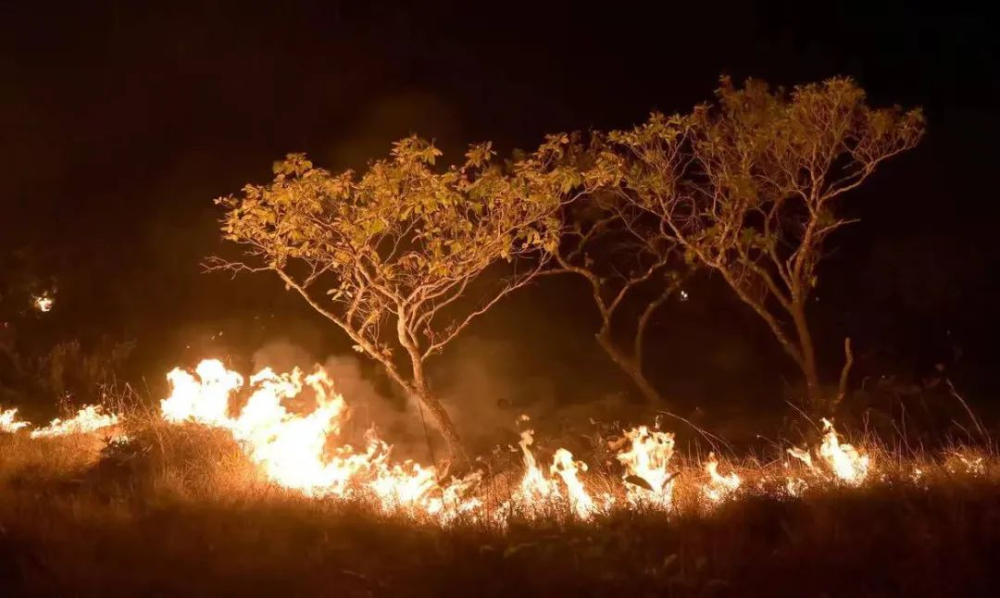
On the other hand, the situation for Brazil's domestic coffee production is not optimistic. According to reports, important coffee-producing regions such as Minas Gerais and São Paulo have long suffered from high temperatures and drought, and coffee trees have shed large numbers of leaves under these conditions, affecting production accordingly.
In addition, Brazil's coffee harvest has an "on-year" and an "off-year," meaning a larger harvest one year and a smaller harvest the next. This year should have been an on-year, and production should have been higher, so many institutions initially predicted that Brazil's production would increase this year. However, severe global climate change may break this on-year/off-year pattern, causing harvest volumes to continue declining.
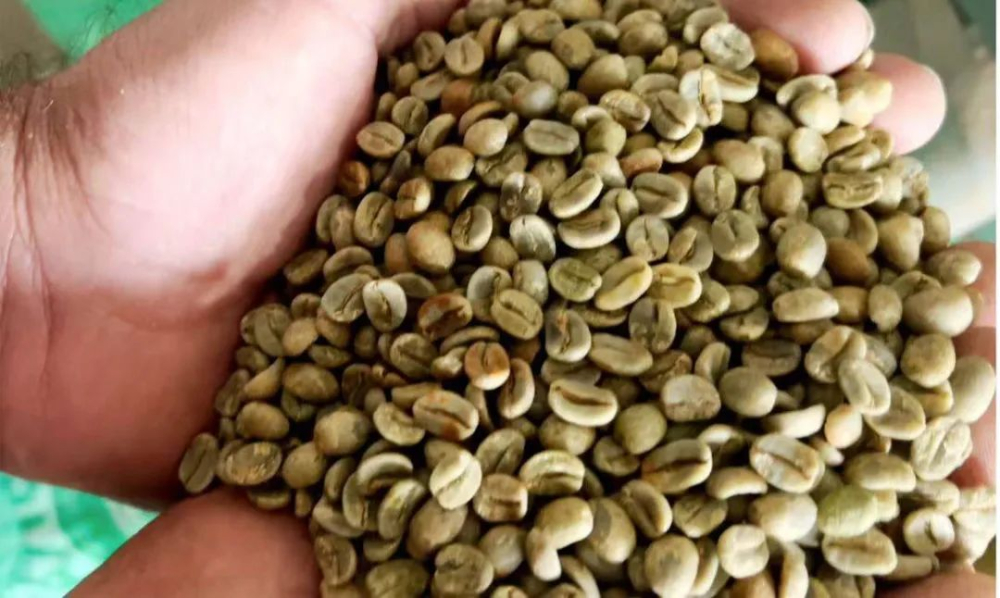
Affected by this, the price increase of coffee beans in Brazil has been significant. Data shows that in January this year, the average price of a 60-kg bag of coffee beans was between 700 and 750 reais; by November, the average price had risen to about 1,805 reais, breaking the record for the highest price since February 1998.
Entering December, prices still have not stabilized. At present, the average price of a 60-kg bag of coffee beans has reached between 2,100 and 2,200 reais. On December 11, the closing price of coffee beans on the New York Stock Exchange, at 60 kg per bag, briefly reached 2,561.78 reais.
However, international coffee trader Neumann Kaffee Gruppe (NKG) recently released its latest report on Brazil's coffee industry, arguing that Brazil's final arabica coffee production for the 2025/26 season is expected to reach 40 million bags (60 kg per bag), far higher than the 34.4 million bags previously forecast by another international trader, Volcafe, and stating that it is still "too early" to accurately assess Brazil's 2025/26 coffee crop. Therefore, the market remains full of uncertainty.
At the same time, Brazil's central bank recently raised interest rates, lifting the benchmark rate to 12.25%, which caused the Brazilian real to rise slightly, but the U.S. dollar remains strong and continues to climb, still exceeding 6 reais. It is reported that U.S. President-elect Trump recently issued a series of tariff policies, increasing instability in the foreign trade sector.
In addition, the United States also faces the threat of a port strike, so recently traders at home and abroad in the United States are accelerating trade operations to avoid the impact of strikes and tariffs. According to reports, container handling volume at U.S. ports in December will increase by 14.3% year on year, which has also accelerated U.S. purchases of Brazilian coffee, thereby continuously pushing up Brazilian coffee prices in recent times. Due to the unclear outlook, coffee prices show no downward trend in the short term.
To learn more information about coffee origins, please scan the QR code to follow: Coffee Review
Long-press the QR code to follow:
The above content is compiled by CoffeeHunters, a coffee news website.


