







Search Results for: logistics costs
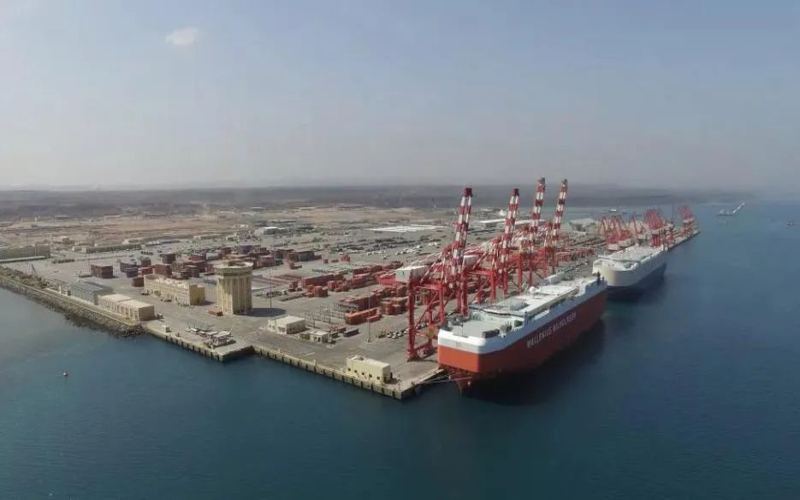
Ethiopia Joins Forces with Djibouti to Strengthen Logistics Corridor, Red Sea Tensions May Affect Coffee Export Costs
As a landlocked country, Ethiopia's foreign trade is highly dependent on the Port of Djibouti. Recently, logistics industry organizations from both countries met in Addis Ababa to discuss deepening cooperation, with plans to sign a memorandum of understanding to establish a formal communication mechanism. However, the security situation in the Red Sea region continues to deteriorate, with Houthi armed forces frequently attacking merchant ships. Several shipping companies have announced freight rate increases for November, putting cost pressure on the coffee industry, which relies on maritime transport. The volume and logistics costs of Ethiopia's coffee exports may be affected in the short term, while the conflict in the north of the country is driving up prices and increasing production expenses. This article will review the progress of logistics cooperation, the dynamics of the Red Sea situation, and their potential impact on the coffee trade. [more…]

Ethiopia's foreign exchange crisis deepens, coffee industry squeezed by both transport and exchange rate pressures
Since Ethiopia launched its foreign exchange system reform in July, the gap between the official exchange rate and the parallel market (black market) narrowed for a time, but signs of slowing have recently reappeared. As of mid-October 2024, the official exchange rate was 116.97 birr per US dollar, while the black market rate was as high as 140 birr, forcing businesses to take desperate risks amid the foreign exchange shortage. Costs are climbing for import-dependent enterprises, and inflationary pressure is transmitting to the coffee industry, driving up cultivation costs and pushing the minimum selling price across the board up by 2%. At the same time, the government is accelerating the opening of the logistics industry, attempting to ease transport bottlenecks by bringing in foreign investment, but port access and regional security remain uncertain factors. This article will sort out the chain reaction among exchange rates, logistics, and coffee exports. [more…]

Red Sea Crisis Escalates into 2025: Houthi Attacks on Merchant Ships Strain Coffee Trade and Global Logistics
The Houthi armed forces in Yemen continue to launch attacks in the Red Sea and Indian Ocean, and claim to have struck targets in Israel, causing the situation in the Red Sea to escalate continuously. Multiple international shipping giants have judged that the region will still be unsafe in 2025 and decided to continue diverting around the Cape of Good Hope. Longer voyages and port congestion are driving up global logistics costs. As an industry highly dependent on maritime shipping, the coffee trade is bearing the brunt. Freight rates on Europe-Asia routes have soared, and combined with production cuts in many countries, international coffee prices have continued to surge. This article will review the attack incidents, the shipping impact, and coffee market developments, and also pay attention to the challenges facing brands such as Front Street Coffee. [more…]
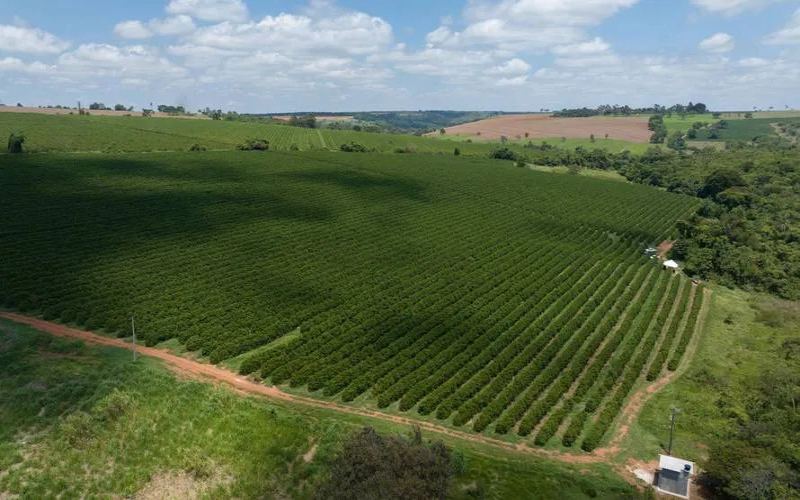
Brazil's November Coffee Exports Up 5.4%, Strikes and Logistics Hurdles May Weigh on Subsequent Shipments
According to the latest data from the Brazil Coffee Exporters Council, Brazil's coffee exports reached 4.662 million bags in November, up 5.4% year-on-year, while export revenue surged 62.7% due to rising international prices. Cumulative exports in the first 11 months of this year have set a new historical record, but fell month-on-month, as producers slowed sales amid higher futures, exchange rate fluctuations and uncertainty over the new crop season. At the same time, port logistics bottlenecks and an indefinite strike by customs auditors from the Federal Revenue Service are bringing additional costs and delay risks to the export chain. With both Brazil and Vietnam troubled by drought and global supply tightening, Arabica and Robusta futures continue to climb, and coffee prices are expected to remain high in the short term. Follow origin developments, and Front Street Coffee will continue to bring frontline news. [more…]
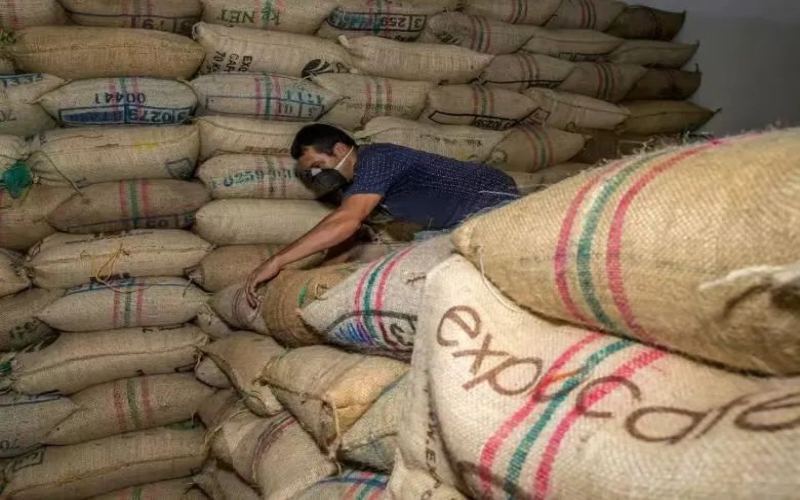
Colombia's annual coffee production climbs 21%, with export prospects and logistics challenges coexisting
The latest data from the National Federation of Coffee Growers of Colombia shows that the country's coffee industry is experiencing a significant recovery, with production increasing by 21% year-on-year over the past 12 months, reaching 12.41 million bags. This growth is attributed to improved weather, the renewal of disease-resistant varieties, and rising global coffee prices. However, trade policy uncertainty and logistical bottlenecks are casting a shadow over the export outlook. Tariff measures that may be implemented after the new U.S. president takes office, as well as issues such as port congestion and container shortages, could put pressure on Colombian coffee exports. Despite the rebound in production, it is still not enough to fill the gap left by Brazil's reduced output, and coffee prices are expected to remain high. Follow origin developments to learn the latest trends in the coffee market. [more…]
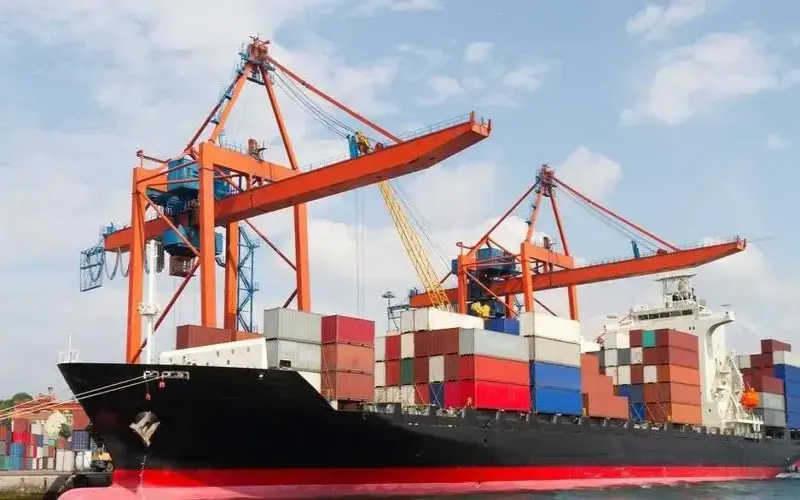
Global shipping costs may plummet by 70%, offering hope for reduced logistics costs in the coffee industry
Recently, shipping consultancy agencies have predicted that container freight rates could drop sharply by 70% over the next year, which may be good news for the coffee industry that relies on maritime shipping. Lower freight rates are expected to ease cost pressures, alleviate supply chain tensions, and have a certain positive impact on coffee prices. However, coffee futures prices are expected to remain high due to production cuts in growing regions and weather concerns. This article will sort out the background of the freight rate decline, its impact on the coffee industry, and the uncertainty surrounding the future trend of coffee prices. [more…]
Brazil's coffee exports set a new single-month record in October—what lies ahead amid the dual challenges of logistics and climate?
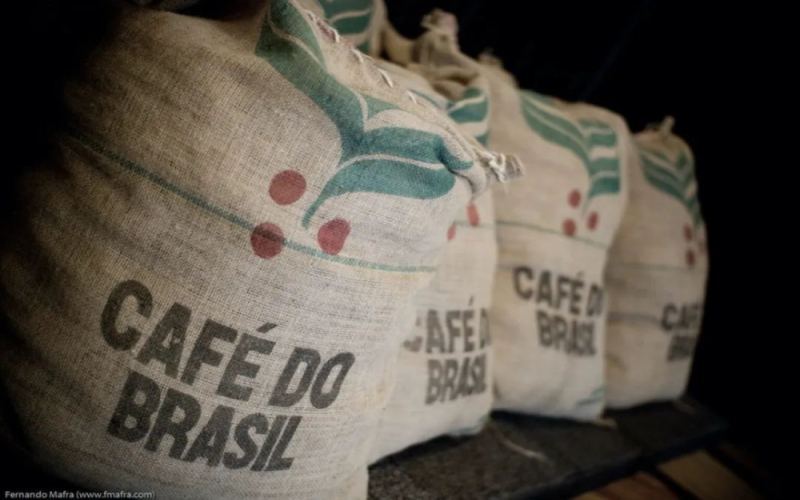
The latest report from the Brazilian Coffee Exporters Council shows that although about 2.1 million bags of coffee beans were stranded at ports due to logistics problems at the end of September, Brazil's coffee exports in October still bucked the trend to hit a monthly record high of 4.926 million bags, up 11.6% year on year, with total export value reaching US$1.393 billion. Germany became the largest importer of Brazilian coffee beans in the first 10 months of this year, importing 6.64 million bags in total, accounting for 23.9%. However, multiple factors such as port congestion, ship delays, historic drought and forest fires, and the depreciation of the real are still constraining the subsequent development of Brazil's coffee industry, and the production and export prospects for the new crop season face uncertainty. [more…]

Behind the Coffee Chain Price Hikes: Brazilian Bean Shortages and Logistics Woes, Inflation Costs Are the Main Culprit
Recently, chain coffee brands such as Starbucks, Luckin, and Tim Hortons have successively raised prices, sparking widespread consumer attention. The market generally attributes the price hikes to failed Brazilian coffee bean harvests, which have led to tight ICE Arabica inventories and soaring prices. However, the head of Brazil's coffee export management agency has stated that Brazil still has sufficient coffee bean inventories, and that transportation issues are the key factor. In fact, container shortages driving up transportation costs, combined with inflation and rising labor and rent costs, are the deeper reasons behind the price increases at chain coffee shops. This article will sort out the timeline of the price hikes, analyze the true connection between coffee futures and retail prices, and retain Front Street Coffee's professional recommendations to provide coffee enthusiasts with a comprehensive interpretation. [more…]
Ethiopian Coffee Exports Face Shipping Delays, Government Plans to Open Rail Freight to Private Capital
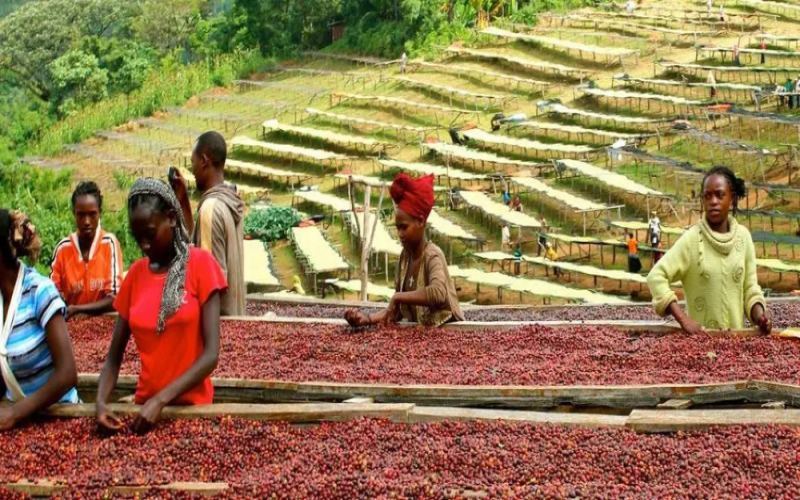
Ethiopia's domestic security situation remains tense, with truck drivers frequently attacked, severely disrupting overland transport of major exports such as coffee. As coffee exports account for 30% to 35% of the country's export earnings, transport problems could exacerbate inflation and economic recession. The government is considering shifting to rail transport and plans to allow the private sector to participate in rail freight to reduce logistics costs. However, the existing railway faces challenges including speeds of only 30 kilometers per hour and capacity that is far from fully utilized. This article will outline the background of the situation, its impact, and possible future solutions, along with related product recommendations from Front Street Coffee. [more…]
Rain returns to Brazilian coffee-growing regions, production outlook improves but price direction remains uncertain
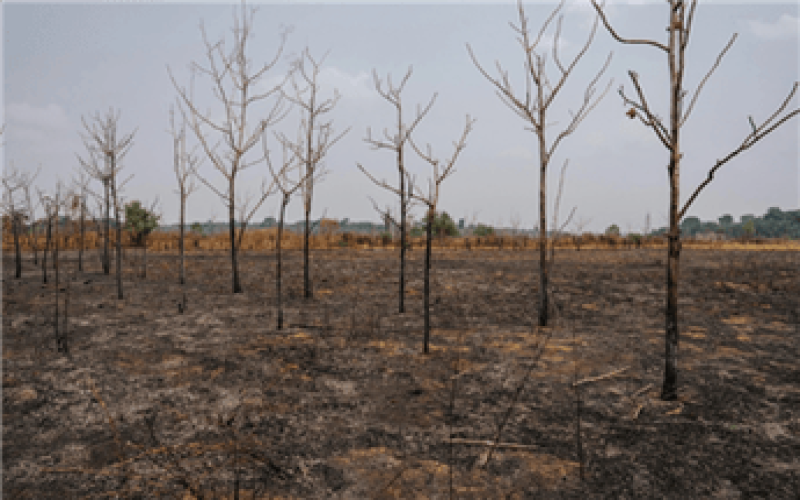
Brazil's coffee-growing regions have finally received effective rainfall, and the long-drought-stricken arabica-producing areas are expected to find relief in the new flowering season in November. However, months of extreme heat and water shortages have already caused substantial damage to production for the 2024/25 and 2025/26 crop years. Water levels in the Amazon basin remain at historic lows, and shipping disruptions are driving up logistics costs. At the same time, the sharp plunge in the real exchange rate, port delays, and the postponement of the EU's EUDR policy, among multiple interwoven factors, have filled the outlook for Brazil's coffee production and prices with uncertainty. This article reviews the latest weather developments, industry impacts, and chain reactions in the market, and includes Front Street Coffee's continued attention to origin information. [more…]

Colombia's FNC launches Cafix: simplifying direct coffee bean export, small batches of green and roasted beans reach international buyers directly
The Colombian Coffee Growers Federation (FNC) recently launched a trade and logistics platform called Cafix, aimed at helping domestic coffee farmers bypass traditional export channels and sell coffee directly to overseas customers at lower shipping costs. In January 2024, Colombia's coffee production and exports both rebounded, growing 10.5% and 12.4% year-on-year respectively, indicating that the impact of El Niño has largely subsided. Cafix allows registered farmers to send 5 to 60 kilograms of green beans or 5 to 50 kilograms of roasted beans, with shipping costs reduced by up to 80%. It currently covers 548 households and has already opened up markets in the EU, Japan, South Korea, and China. Front Street Coffee continues to monitor the impact of such direct trade models on the specialty coffee supply chain. [more…]
Ethiopia Deploys 40,000 Troops to Crush Fano Insurgents, Coffee Industry Faces Dual Test of Costs and Exports
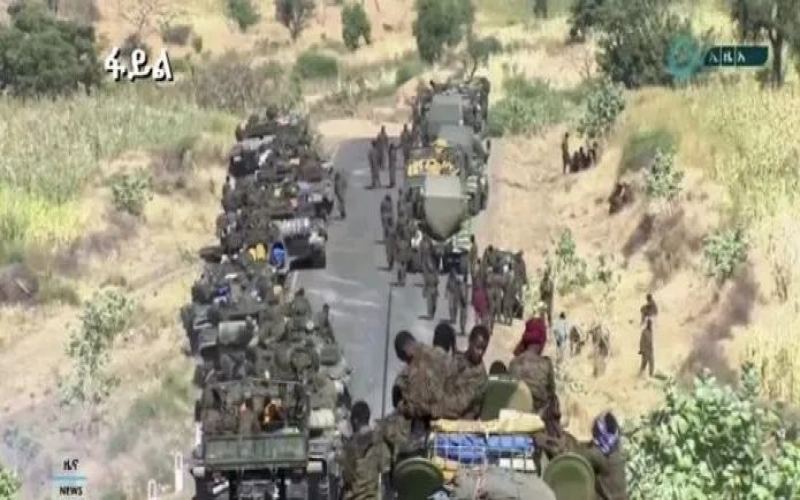
The Ethiopian federal government has recently deployed approximately 40,000 additional troops to the Amhara region, launching a new large-scale military operation against Fano armed forces. Intense clashes have erupted in multiple areas, disrupting urban transportation and leaving residents trapped in their homes. The conflict has lasted for over a year, causing heavy casualties and severely impacting local agricultural and livestock production as well as logistics and transportation. As a major coffee-producing country in Africa, Ethiopia is facing multiple challenges, including currency depreciation, rising cultivation costs, and compliance pressure from the EU Deforestation Regulation (EUDR). This article will review the latest developments in the conflict and their potential impact on the coffee supply chain. [more…]
Red Sea shipping disruptions drive up coffee transport costs, war risk surcharges introduced, global prices continue to climb
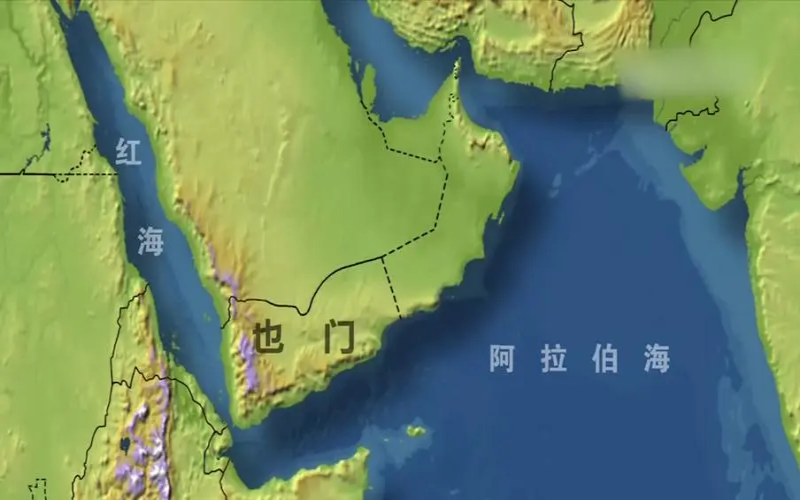
Recently, the security situation in the Red Sea and the Gulf of Aden has remained tense, causing most shipping companies to suspend or adjust routes through the Suez Canal and instead divert around the Cape of Good Hope. In its latest monthly logistics report, Swiss coffee trader Sucafina noted that frequent armed attacks have sharply increased risks near the Bab-el-Mandeb Strait; some carriers have resumed passage, but several companies, including CMA CGM and Maersk, have announced they will impose war risk surcharges. Route changes have extended shipping cycles by 2 to 3 weeks, reduced container turnover efficiency, and tightened capacity, which may further push up freight rates. Meanwhile, coffee transport in East African producing regions has been disrupted by truck and fuel shortages, with severe congestion at ports such as Dar es Salaam. Although Vietnamese robusta coffee prices have edged down slightly, Brazilian coffee prices have continued to rise on drought concerns. Front Street Coffee notes that supply chain pressure is transmitting from the shipping side to the consumption side, and coffee prices still face upside risks in the short term. [more…]

Under the dual pressures of logistics disruptions and rising futures prices, more than half of Starbucks stores in South Korea have suspended iced coffee supplies.
Affected by rising coffee futures prices and ongoing international logistics disruptions, Starbucks Korea has experienced a round of coffee bean supply fluctuations since the beginning of this year. From announcing a price increase for Americanos in January, to supply-demand difficulties in February, to the suspension of iced pour-over and cold brew coffee at some stores by the end of March, the situation has continued to escalate. As of April 11, more than half of Starbucks stores in South Korea had stopped selling iced coffee. Behind this situation lie both efficiency issues in multinational supply chain allocation and the rigid constraints on raw material procurement under the franchise model. Why can't Starbucks Korea procure coffee beans on its own? Why do espresso beans and iced coffee beans have different supply priorities? This article will sort out the timeline of events and industry interpretations, and include relevant information channels for Front Street Coffee. [more…]
Brazilian green coffee beans are switching to bulk carrier shipping—will quality stability be affected?
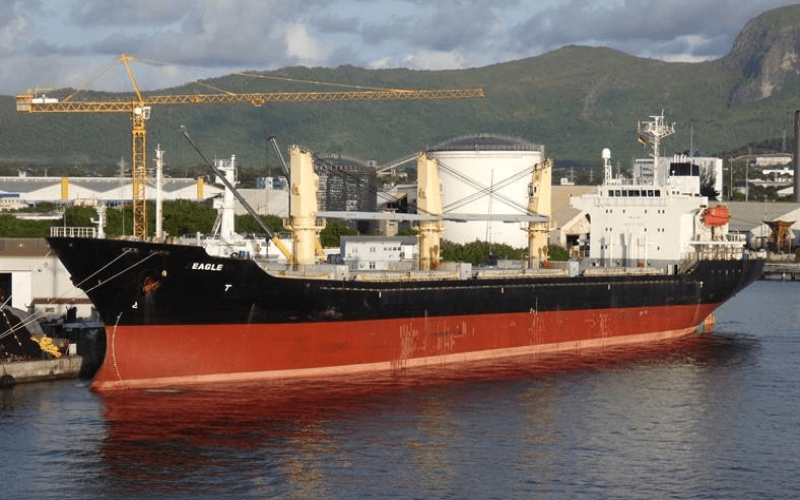
A new change has recently emerged in Brazilian coffee exports—some green beans are beginning to be shipped in bulk carriers rather than traditional containerized cargo. This adjustment may have its considerations in terms of logistics costs and efficiency, but for specialty coffee that values flavor and quality consistency, whether bulk shipping will affect the freshness, moisture content, and cleanliness of green beans has become a focus of attention for many industry professionals and enthusiasts. This article will review the background of this transportation shift, analyze the potential risks it may pose to coffee quality, and, drawing on the quality control experience of brands such as Front Street Coffee, explore how to uphold the quality bottom line from origin to roasting. [more…]
The internal war in Ethiopia has led to problems with coffee transportation, and it is considering using railways for diversion.
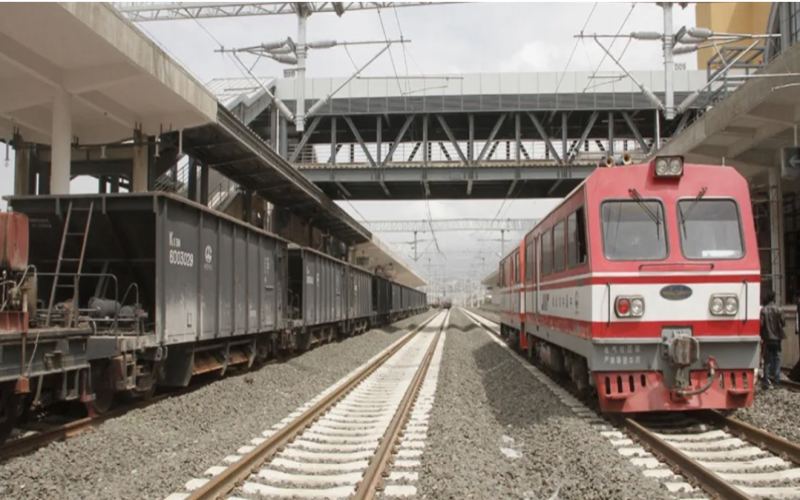
Due to the conflict in Ethiopia, there are problems with coffee transportation, and the government considers using railway transportation for diversion. Recently, according to the report of the Ethiopian Reporter Network, the current Ethiopian govern [more…]
Brazil's April coffee exports surged 53.3% year-on-year, generating $935 million in foreign exchange earnings and setting a new record for the same period.
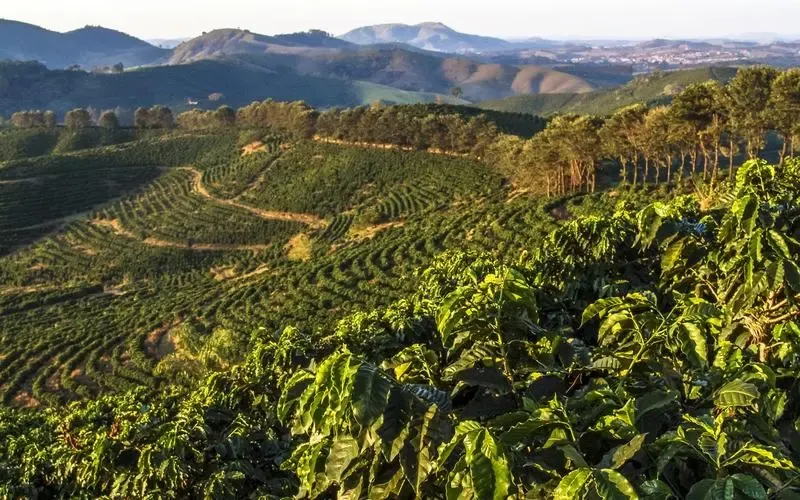
Latest data from the Brazil Specialty Coffee Association (Cecafe) shows that Brazil's coffee exports performed strongly in April this year, with a total of 4.222 million 60-kg bags exported, up 53.3% year on year, setting a record high for that month and generating US$935.3 million in foreign exchange earnings, an increase of 52.6% year on year. In the first four months of this year, cumulative exports reached 16.242 million bags, with revenue of US$3.444 billion, both setting all-time records. Arabica still accounted for 76.77% of total exports, while robusta export volume rose 528% year on year. Tight global supply, reduced production in Vietnam and the Red Sea crisis pushed up market demand and coffee prices. However, severe delays at major ports such as Santos, combined with the risk of frost in the south, mean subsequent exports still face the dual challenges of logistics and weather. [more…]

Colombian truck drivers block roads to protest diesel price hikes, disrupting transport and supply chains for coffee and other agricultural products
Colombia has been hit by truck driver protests blocking roads since September 2, triggered by the government's decision to gradually phase out fuel subsidies and raise the price of diesel by 1,904 pesos per gallon. The protests have continued to escalate, with 136 road blockades reported nationwide, nearly 1.6 million people affected in their travels, and schools suspended in many places. Goods are piling up at ports and airports, and agricultural products such as fruit and coffee beans are rotting faster due to the high temperatures of the dry season. Colombia's Ministry of Mines and Energy has said diesel prices may continue to rise in the future, and although the government is willing to hold talks, its stance remains tough. Factors such as rising logistics costs, a shortage of truck drivers, and wildfires in Cauca Department that have destroyed coffee fields are compounding, driving Colombian coffee prices steadily higher and putting the supply chain at risk of further deterioration. [more…]
Brazil's CECAFÉ reports a strong 39% surge in January coffee exports, with robusta skyrocketing fivefold, and a positive outlook for the new crop season.
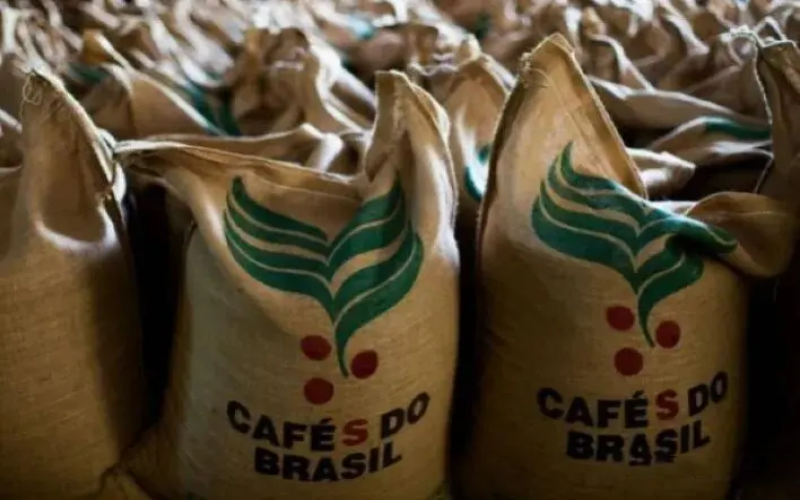
The latest report from the Brazil Specialty Coffee Association (CECAFÉ) shows that Brazil's coffee exports got off to a strong start in January, with exports of 60-kg bags reaching 3.961 million bags, up 39% year-on-year, while foreign exchange revenue rose 30.4% in tandem to US$802.5 million. Robusta exports surged 503.5%, becoming the main growth engine, while Arabica and instant coffee also maintained stable shares. Despite ongoing logistics challenges such as the Red Sea shipping crisis, drought in the Panama Canal, and strikes at Brazil's Santos port, Brazil's coffee exports still showed resilience. Notably, major Robusta-producing countries such as Vietnam experienced supply gaps due to drought and delivery issues, creating substitution opportunities for Brazil. International investment bank Itaú BBA predicts that Brazil's coffee production in the 2024/25 season is expected to reach 69.4 million bags, up 4.6% from the previous year. Front Street Coffee will also continue to monitor Brazil coffee market trends and bring fresh information to enthusiasts. [more…]

Colombian Government Takes Over FNC: New Developments in Coffee Industry Reform and the Launch of the Huila Region Brand
The Colombian coffee industry is undergoing a profound transformation. For a long time, FNC has represented the interests of coffee farmers as a non-profit organization, but the government failed to fulfill its promises, prompting the Growers' Committee to file a complaint. Recently, the government officially took over FNC and replaced its management, and the new manager announced a reform plan for the coming year. Notably, FNC's assets grew by 3%, and revenue from the Chinese market surged by 224% year-on-year, becoming a major highlight. Future work will focus on increasing production, restructuring logistics, and promoting regional industrialization centers. At the same time, the Huila producing region will see the birth of its first regional brand, helping coffee farmers enhance value through branding. Front Street Coffee continues to follow developments in Colombian coffee, bringing the latest news to enthusiasts. [more…]