







Why Has Starbucks Korea Stopped Selling Iced Coffee?
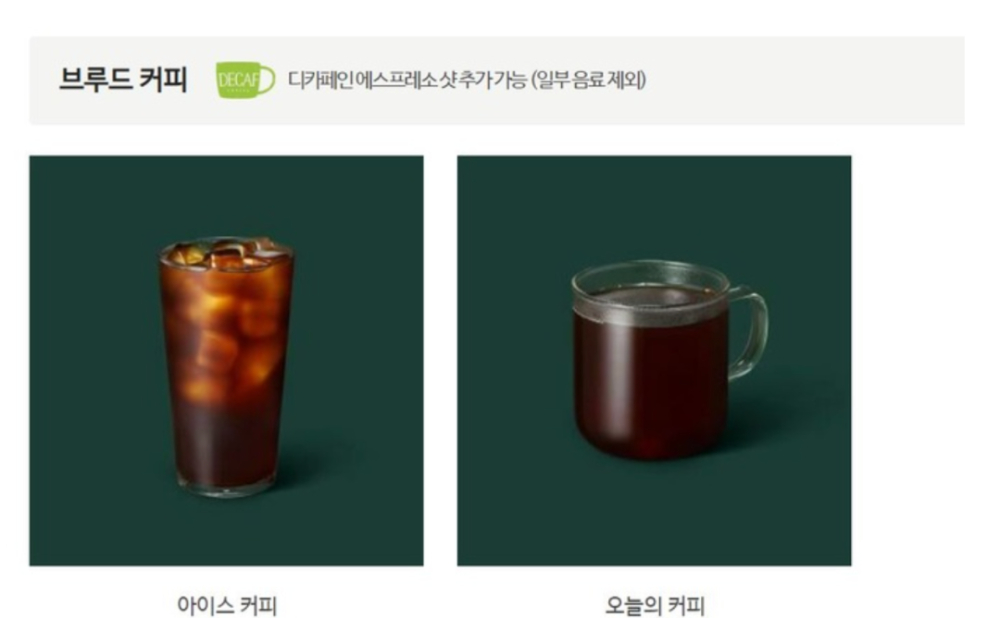
Starbucks Korea began the year by announcing a price rise for americano coffee in January, then faced bean supply pressure in February. By late March some stores could no longer offer iced drip coffee, cold brew or bagged beans. As of April 11, more than half of the chain's stores in South Korea had stopped selling iced coffee, following climbing coffee futures and tight international logistics.
The disruption reflects how the franchise model works: Starbucks Korea must order all coffee beans and materials from U.S. headquarters, so it cannot buy locally when shipping capacity falls short. Espresso beans take priority because demand for americanos coffee and milk drinks is far larger than for iced coffee beans, and the iced menu rotates weekly, which leaves those drinks most exposed when supply tightens.
Affected by rising coffee futures prices and ongoing international logistics constraints, Starbucks Korea has experienced a wave of coffee bean supply fluctuations since the beginning of this year. From announcing a price increase for Americanos in January, to supply-demand difficulties in February, to the suspension of iced drip coffee and cold brew at some stores by the end of March, the situation has continued to escalate. As of April 11, more than half of Starbucks stores in South Korea have stopped selling iced coffee. Behind this situation lie both efficiency issues in cross-border supply chain allocation and the rigid constraints on raw material procurement under the franchise model. Why can't Starbucks Korea procure coffee beans on its own? Why do espresso beans and iced coffee beans have different supply priorities? This article will sort out the timeline of the incident and industry interpretations, and include relevant information channels from Front Street Coffee.
Recently, coffee futures prices have continued to climb, compounded by insufficient international logistics capacity, and Starbucks Korea was the first to release information in early January this year that Americano coffee prices were about to be adjusted. By the end of February, local stores began to feel the pressure of tightening coffee bean supply, though the situation briefly improved by early March. However, starting in late March, some stores were no longer able to normally offer iced drip coffee, cold brew coffee, and bagged coffee beans. As of April 11, more than half of Starbucks stores in South Korea had stopped selling iced coffee (including iced drip coffee and cold brew coffee).
According to a person in charge at Starbucks Korea, the menu for iced coffee beverages rotates weekly, and they are made by cold brewing or dripping light-to-medium roast beans. Compared with Americanos made with espresso beans, they taste more refreshing and have richer flavor layers, making them highly popular among South Korean consumers. However, this comparison is limited to iced Americanos versus iced coffee; the preparation of other beverages still cannot do without espresso beans, so in terms of order volume, demand for espresso beans is far greater than for iced coffee beans.
The coffee beans and other materials used by Starbucks Korea must all be ordered from the U.S. headquarters. When logistics are tight, the U.S. headquarters arranges shipping order based on order volume, so compared with espresso beans, iced coffee beans often have to wait longer. The person in charge also revealed that, to prevent further shipping delays, espresso beans used by some stores in South Korea are now being airfreighted to port, which has also driven up transportation costs.
Faced with this situation, some South Korean consumers have raised questions: since Starbucks Korea has already been acquired by emart, why doesn't it procure coffee beans on its own and still has to wait for supply from the U.S. headquarters?
In response, industry insiders explained that although Starbucks Korea has been brought under emart's umbrella, its operating model has not changed at all, and it still needs to pay Starbucks headquarters about 5% in franchise fees each year. At the same time, store menus and material usage must remain consistent, so Starbucks Korea still has to order coffee beans from headquarters. Headquarters also needs to profit from raw material orders, which is also a condition of Starbucks' franchise authorization.
Starbucks subsequently responded: each company has different roasting methods, and the roasting and supply order for each type of bean will also differ. At present, Starbucks' largest shareholder in South Korea is E-Mart, and the second-largest shareholder is the Singapore Investment Corporation. Image source: Internet For professional coffee knowledge exchange and more coffee bean information, please follow Coffee Workshop (WeChat public account: cafe_style) For more specialty coffee beans, please add the private WeChat Front Street Coffee (FrontStreet Coffee), WeChat ID: kaixinguoguo0925
The above content is compiled by CoffeeHunters, a coffee news website.


