







Why Does Red Sea Security Matter to Major Coffee Producing Countries?
Ethiopia and Djibouti logistics groups met in Addis Ababa to deepen cooperation and plan a memorandum of understanding that would create a formal communication channel. The talks matter because Ethiopia is landlocked and moves most trade through the Port of Djibouti. At the same time, Houthi attacks on Red Sea shipping and November freight rate increases are raising costs for coffee exports.
Ethiopia is one of the largest major coffee producing countries in Africa, and its exporters depend on the Djibouti corridor to reach buyers. The planned MoU between EFFSAA and ATD is meant to keep that flow efficient, but the security situation in the Red Sea remains the bigger challenge. Conflict in northern Ethiopia is also pushing up prices and production expenses.
As a landlocked country, Ethiopia's foreign trade is highly dependent on the Port of Djibouti. Recently, logistics industry organizations from the two countries met in Addis Ababa to discuss deepening cooperation, with plans to sign a memorandum of understanding to establish a formal communication mechanism. However, the security situation in the Red Sea region continues to deteriorate, with Houthi armed forces frequently attacking commercial ships, and several shipping companies announcing freight rate increases in November, putting cost pressure on the coffee industry that relies on maritime transport. Ethiopia's coffee export volumes and logistics costs may be affected in the short term, while the conflict in the north of the country is driving up prices and increasing production expenses. This article will review the progress of logistics cooperation, the dynamics of the Red Sea situation, and their potential impact on the coffee trade.
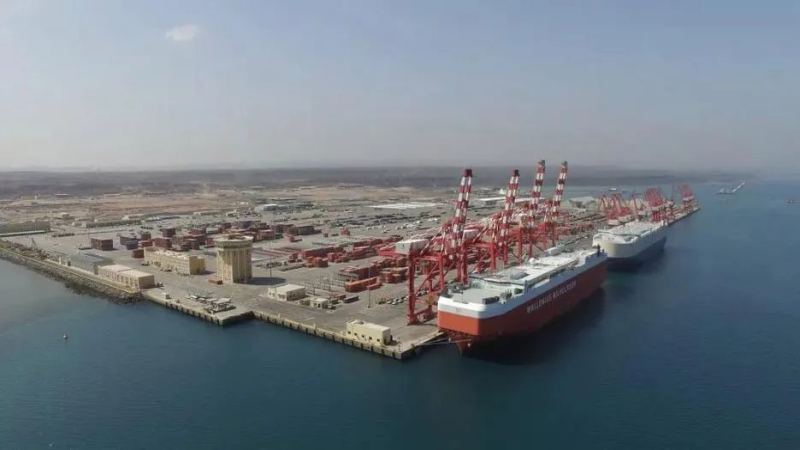
According to Ethiopian media reports, lobbying groups representing the logistics sectors of Djibouti and Ethiopia recently held a meeting in Addis Ababa to discuss how cooperation can boost trade between the two countries. Ethiopia is a landlocked country with no access to the sea, and most of its foreign trade relies on the Port of Djibouti.
The CEO of Peifu International Freight Company and Vice Chairman of the Ethiopian Freight Forwarders and Shipping Agents Association (EFFSAA) pointed out that strengthening communication and collaboration between EFFSAA and the Djibouti Freight Forwarders Association (ATD) is crucial for the efficient operation of the industry. He also revealed that both sides have reached an agreement to sign a memorandum of understanding (MoU), working together to strengthen ties and establish a formal dialogue platform. The memorandum is scheduled to be officially signed in the near future.
This meeting benefits many industries in Ethiopia, especially major export agricultural products such as flowers and coffee. However, the biggest challenge currently comes from the situation in the Red Sea region. Since the outbreak of a new round of the Israeli-Palestinian conflict in October last year, in order to pressure Israel to stop its military operations in Gaza, Yemen's Houthi armed forces have been continuously attacking foreign commercial ships passing through the Red Sea. According to statistics, the Houthi armed forces have launched nearly 80 attacks in the Red Sea, affecting more than 180 ships and causing significant losses.
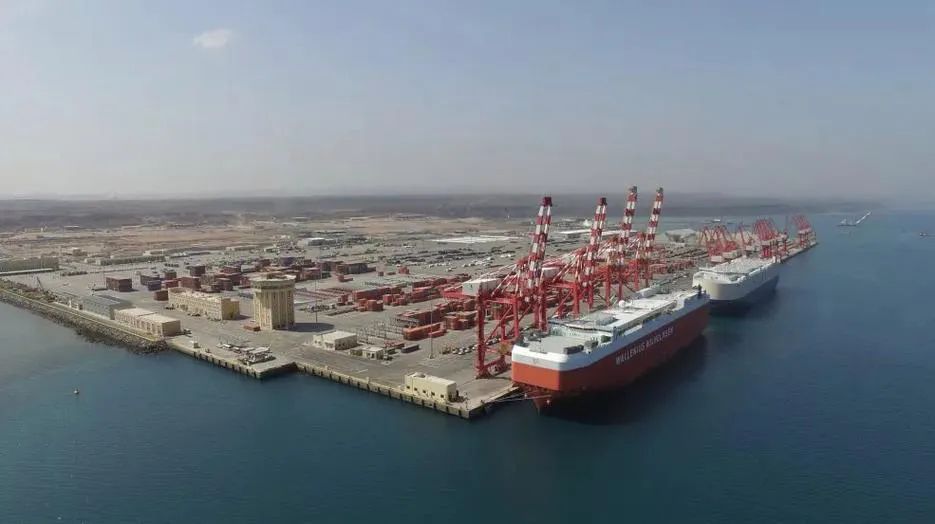
Moreover, the Red Sea situation has not cooled down recently but has become even more severe. According to reports, in mid-October, Yemen's Houthi armed forces deployed drones in the Arabian Sea to target the container ship "MEGALOPOLIS," operated by Maersk and flying the Maltese flag, and successfully hit the target. It is claimed that the company operating the ship violated the ban on entering occupied Palestinian ports.
In addition, Sanaa, the capital controlled by Yemen's Houthi armed forces, and the northern Saada province were recently hit by US airstrikes, with Sanaa experiencing 6 airstrikes and Saada province experiencing 9 airstrikes. The US Central Command stated that the airstrikes were intended to destroy the Houthi armed forces' fortified underground weapons depots storing missiles and other weapons, weaken their military strength, and reduce their ability to attack passing ships in surrounding waters.
After the airstrikes, the Houthi armed forces issued a statement saying that the United States would bear the consequences of its actions. Therefore, in the future, the Houthi armed forces may intensify attacks on Israeli territory and may also increase attacks on passing ships in the Red Sea region or US and UK warships. The Red Sea situation is expected to remain tense for some time to come.
The Red Sea situation not only affects countries and ports in East Africa but also deals a severe blow to global shipping. According to media reports, shipping companies such as MSC, Maersk, CMA CGM, Hapag-Lloyd, HMM, and ZIM will successively announce price increase plans for November, covering multiple routes including Northern Europe, Asia-Europe, the Mediterranean, the Middle East, India-Pakistan, and Africa.
Rising shipping prices will have a severe impact on multiple industries, with the coffee industry being particularly prominent, as it is highly dependent on maritime transport. Rising freight rates will directly raise the transportation costs of coffee traders and manufacturers, which will then be passed on to coffee bean prices.
As for Ethiopia's coffee industry, the government recently pledged to improve coffee quality and production, but the ongoing armed conflict in the northern part of the country, although not directly affecting coffee-producing areas, has led to rising local prices and increased production costs. Currently, the Red Sea situation has not eased, and there has been no progress on the port issue, so the only hope lies in strengthening logistics cooperation with Djibouti. Therefore, in the short term, Ethiopia's coffee export volumes and logistics costs may both be affected to some extent.

To learn more about coffee origin news and information, please scan the QR code to follow: Coffee Review
Long-press the QR code to follow:
The above content is compiled by CoffeeHunters, a coffee news website.


