







Search Results for: inventory disposal
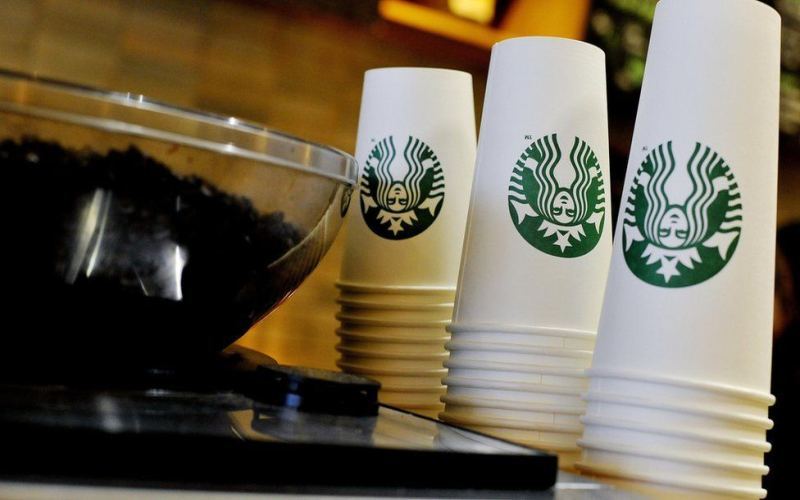
Starbucks and other coffee shops in the US face a disposable cup shortage, with costs soaring by 70%, and businesses resorting to all sorts of tricks.
Coffee has long been woven into Westerners' morning routines, and in America's fast-paced consumer culture, grabbing a cup of coffee to go is a habit for many. Recently, however, the U.S. coffee industry has run into an unexpected "cup crisis" — a severe shortage of disposable coffee cups. According to The Wall Street Journal, coffee chains such as Starbucks are facing alarmingly low cup inventories, with some consumers even calling multiple stores just to track down a venti-sized coffee. This crisis has not only driven up supply costs for coffee shops but has also given rise to peculiar workarounds, such as stores borrowing cups from one another and testing alternative lids. This article takes an in-depth look at the supply chain predicament and industry impact behind this "hard-to-get-a-cup" situation. [more…]
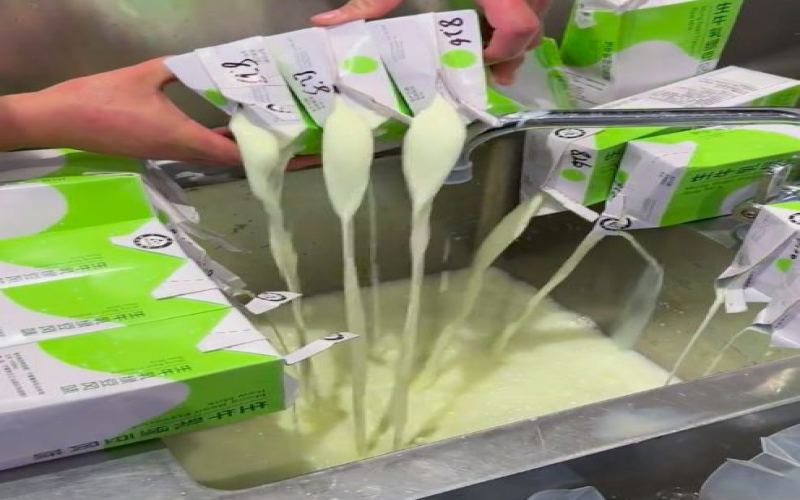
Luckin Coffee removes 8 drinks from menus at once, stores asked to dump unexpired ingredients, sparking heated debate
Luckin Coffee recently carried out a centralized removal of multiple drinks, involving products launched within the past six months such as Peach Peach Coffee and Jelly Coconut Latte. The brand required stores nationwide to pour all unopened, still-within-shelf-life ingredients down the drain after closing, sparking widespread discussion among employees and netizens. Some veteran employees have grown accustomed to this, while more people questioned that this handling method causes serious waste and called on the brand to adopt more reasonable ways to consume inventory. The incident reflects the contradiction between rapid product iteration and ingredient management in chain coffee brands. [more…]
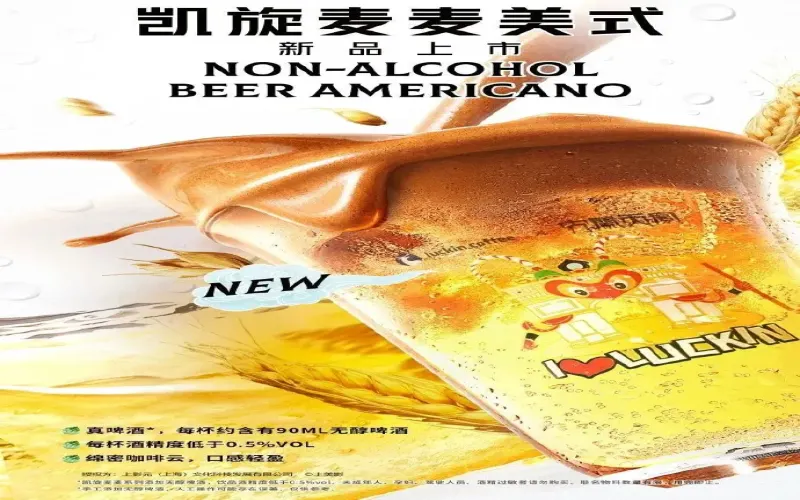
Luckin's alcohol-free beer series has been fully discontinued, with stores in multiple regions centrally destroying their inventory of raw ingredients.
Luckin Coffee's "Triumphant McCafé Series" non-alcoholic beer drinks, launched in collaboration with Havoc in Heaven, has been declared fully discontinued after a brief market trial. This limited-edition product, once promoted for "containing 90ml of non-alcoholic beer" and briefly trending on Weibo, ultimately led to significant inventory buildup in many stores due to lackluster consumer feedback and low repurchase rates. Before September 30, all stores are required to destroy all beer ingredients on their own, and social platforms have once again seen spectacular scenes of employees collectively pouring out the drinks. This article will review the entire process of the series from its high-profile launch to its quiet exit, analyzing the challenges and helplessness that fast-moving consumer chain brands face in product lifecycle management. [more…]
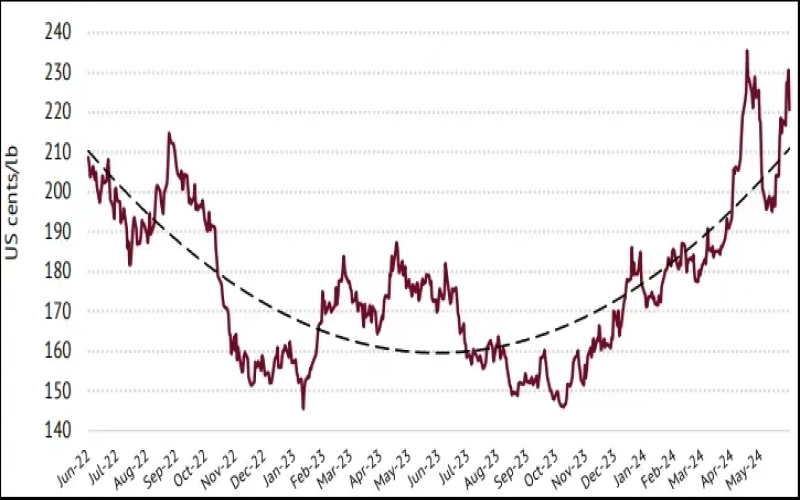
International Coffee Organization May Report: Global Coffee Production Expected to Reach 178 Million Bags, Composite Price Edges Down
The latest monthly report from the International Coffee Organization (ICO) shows that the average composite indicator price for coffee in May was 208.38 cents per pound, down 3.9% month-on-month. Easing drought in Vietnam and dry weather in Brazil favorable for harvesting, combined with supply uncertainty in Central America and the depreciation of the real, intertwined to affect price trends. Global coffee inventories increased substantially, with green bean exports in April rising 15.3% year-on-year, among which Brazil's exports grew strongly by 54.8%. The ICO expects global coffee production in the 2023/24 crop year to rise 5.8% to 178 million bags, while consumption demand will grow 2.2% to 177 million bags, with the market showing a trend of simultaneous growth in both supply and demand. [more…]
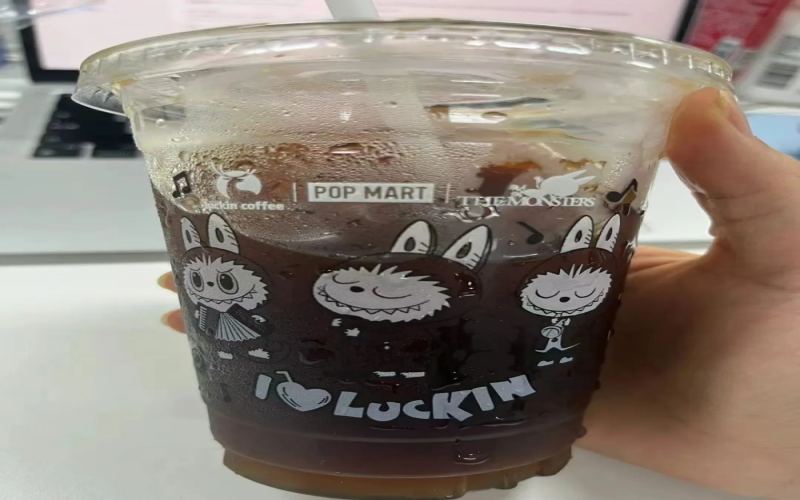
Luckin's new products iterate quickly, and discarding ingredients at stores has become the norm: a whole box tossed every two days, leaving employees heartbroken.
Luckin Coffee is known for its frequent new product launches, with new items appearing almost every week and regional exclusives emerging endlessly. However, consumers' fickleness is equally astonishing; once-popular hits like the Moutai series and toasted coconut series quickly became slow-moving products after their hype faded. Some store employees report that opened ingredients have extremely short shelf lives, and any unused portions must be poured out entirely; discarding a whole box every two days has become the norm for evening shifts. This not only causes food waste but also reflects the brand's imbalance between launching new products and inventory management. Front Street Coffee keeps an eye on industry trends, and this article takes you behind the scenes at Luckin stores to understand the current state of ingredient waste. [more…]
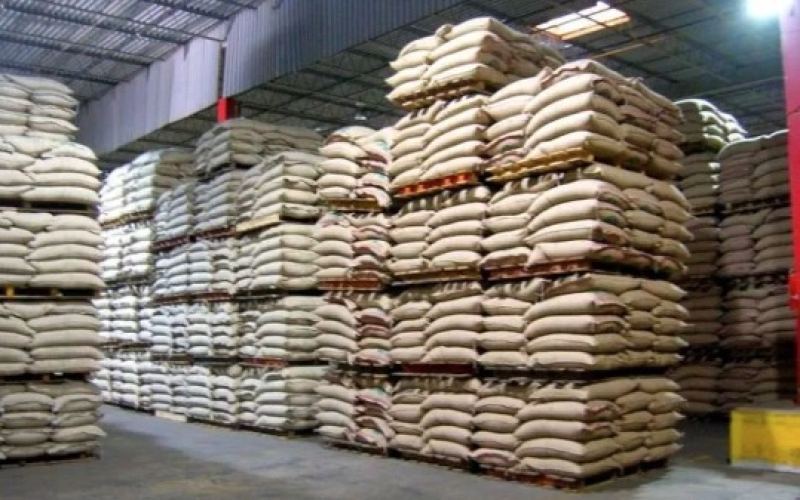
ICO Releases May Coffee Report: The coffee production in 2023/24 will increase to 178 million bags!
Recently, the International Coffee Organization (ICO) released the monthly report of the global coffee market in May, showing that the average price of the comprehensive index is 208.38 cents/pound, which has slightly decreased by 3.9% compared to th [more…]
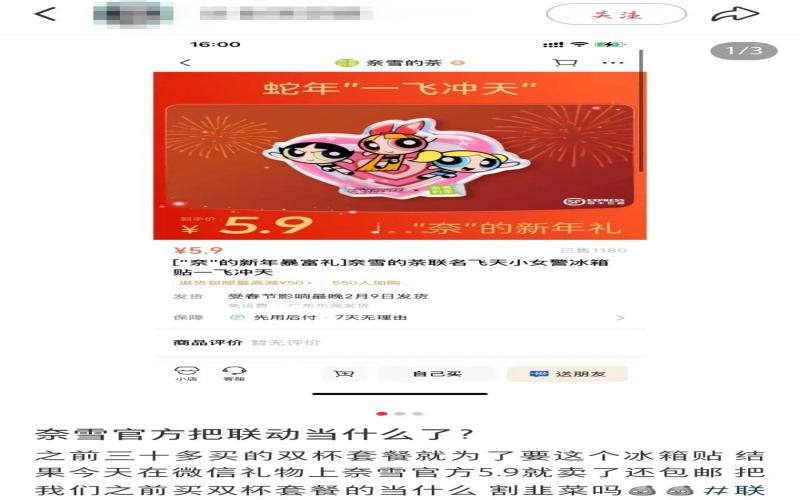
After its limited-edition merchandise event, Nayuki cleared stock at low prices, and fans who bought the bundles cried foul.
Nayuki's official shop recently sold last year's co-branded limited-edition merchandise for 5.9 yuan with free shipping, including Powerpuff Girls fridge magnets, sparking strong dissatisfaction among consumers who had originally bought designated set meals to obtain the merchandise. Some store employees even revealed that some expired merchandise could be obtained for free without any purchase, simply by checking in and writing a positive review. On one side, fans who spent money on set meals feel let down; on the other, the brand is turning inventory into free gifts or selling it at low prices to avoid waste. Regarding how limited-edition merchandise is handled after a campaign ends, consumer opinions are clearly divided—some support clearing out stock, while others worry that bargain hunters exploiting loopholes could affect future collaborations. [more…]

Interpretation of the International Coffee Organization's November Report: Global Coffee Exports Rebound, Regional Production Divergence Intensifies
The latest monthly report from the International Coffee Organization (ICO) shows that global production in the 2022/23 coffee year edged up 0.1% to 168.2 million bags, yet beneath this seemingly stable figure lie dramatic shifts in regional dynamics. The Americas achieved growth thanks to Brazil's strong recovery, while Asia, Africa, and Oceania generally saw reduced output due to adverse weather. Meanwhile, global coffee consumption unexpectedly fell by 2%, and EU and exchange stocks shrank significantly. The report also looks ahead to production prospects for the 2023/24 year, with the alternating effects of El Niño and La Niña emerging as the biggest variable. [more…]
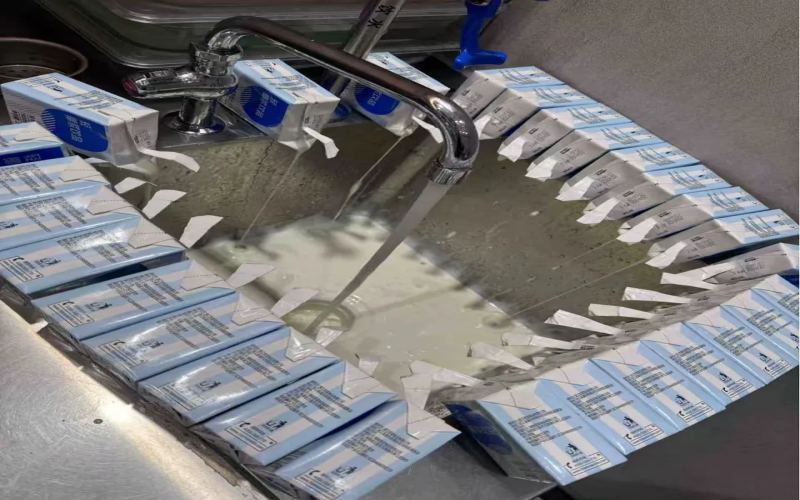
Luckin's Light Coconut Milk series was abruptly discontinued—why did both the Coconut Americano and Light Milk Tea fall flat?
Luckin Coffee is known for frequently launching new products, but not every new release wins market favor. The light coconut milk series has received a lukewarm response since its launch: the raw coconut light milk tea was criticized as inferior to Assam, and the raw coconut Americano was even mockingly called dishwater. To reduce waste, the brand switched to mini-sized ingredients, but with little effect. In the end, these two products were completely removed from the menu, with employees busy destroying inventory while consumers looked on with glee. Front Street Coffee takes you through the rise and fall of this product trial. [more…]
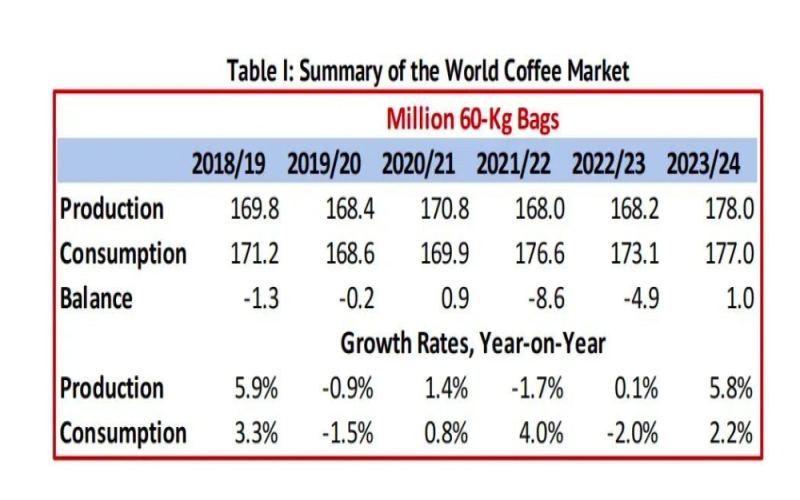
Interpretation of the International Coffee Organization's Monthly Report: Global Coffee Production Expected to Rebound, Possibly Growing Nearly 6% in 2023/24
The latest report from the International Coffee Organization (ICO) shows that global production in the 2022/23 coffee year edged up only 0.1% to 168.2 million bags, with growth almost at a standstill. Behind this trend is widening regional divergence: the Americas expanded steadily, while Asia, Oceania and Africa saw marked declines due to severe weather. At the same time, the aftereffects of the COVID-19 pandemic led to a 2% drop in world coffee consumption. Looking ahead to 2023/24, El Niño may continue to hit Asian producing regions, but a recovering global economy is expected to drive a rebound in consumption, with production forecast to rise 5.8% to 178 million bags, potentially leaving a market surplus of 1 million bags. [more…]
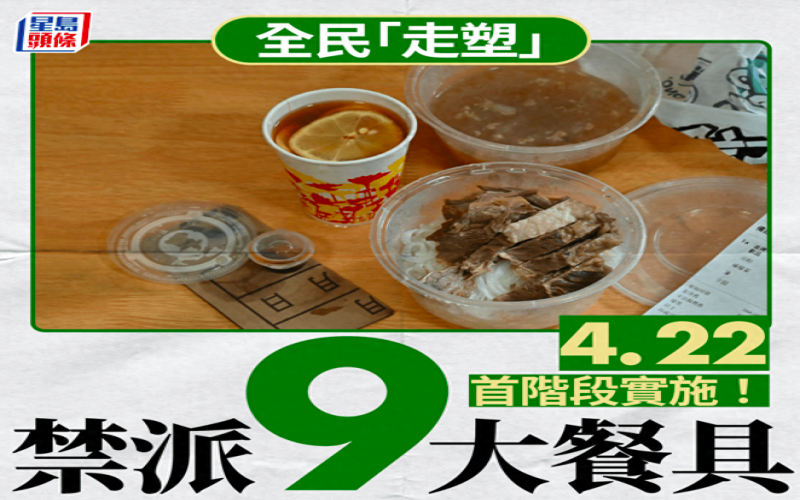
Hong Kong's Full Plastic-Free Debut: McDonald's Paper Cups and Lids Spark Heated Debate, Testing Both Taste and Efficiency
On April 22, World Earth Day, Hong Kong officially launched its "plastic-free" policy, banning in the first phase the provision of styrofoam tableware and various single-use plastic utensils for food delivery. Chain giant McDonald's was the first to respond, fully switching to paper cup lids and paper straws. However, customers complained that they had a strong paper taste, leaked easily, and were not durable, while staff also faced difficulties in identifying them and a rising error rate. During the 6-month adaptation period, some stores have quietly switched back to plastic cup lids. How should the coffee industry balance the environmental trend with the consumer experience? [more…]
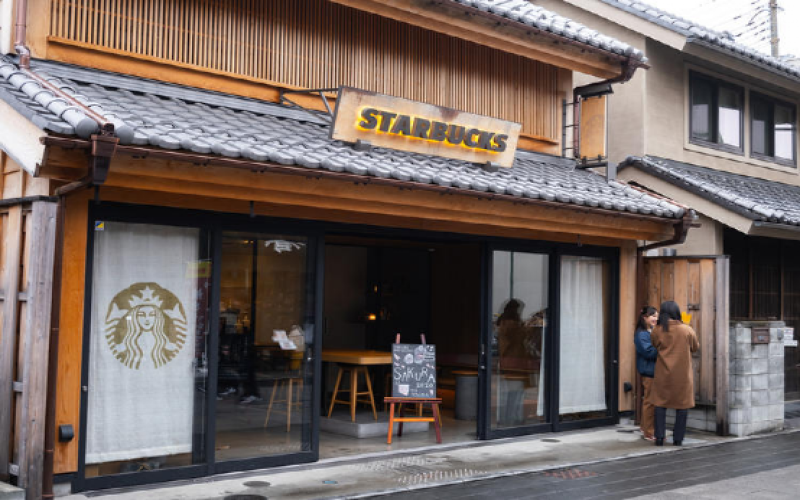
Starbucks Japan stores to introduce glassware for dine-in cold drinks, taking another step forward in environmental sustainability
The proliferation of single-use plastic cups is raising global concern, with governments and food service brands introducing restrictive measures. Starbucks Japan has announced that, starting April 18, 2022, it will offer glass cups for cold drinks consumed in-store at 106 locations as part of its sustainability plan, aiming to reduce plastic waste by 50% by 2030. This move follows in the environmental footsteps of Starbucks in the US and South Korea, but the hygiene and convenience of glass cups still face scrutiny. Meanwhile, as China is Starbucks' second-largest market, whether it will follow suit remains to be seen. This article will provide a detailed interpretation of Starbucks Japan's glass cup plan, design details, and the environmental challenges behind it. [more…]
An Analysis of Jamaican Blue Mountain Coffee Flavor Characteristics and Authenticity Identification: Front Street Takes You to Visit Mavis Bank Estate
Blue Mountain coffee has long been hailed as the "black gem," revered by coffee lovers as "the coffee beauty that combines all the virtues of good coffee." Why does it hold such a status? The answer lies in the unique climate, volcanic soil, and altitude conditions of Jamaica's Blue Mountains. Only coffee grown at elevations between 900 and 1,700 meters qualifies to bear the Blue Mountain name. This article will guide you through the flavor characteristics of authentic Front Street Jamaican Blue Mountain coffee, and follow a 2013 field visit to the historic Mavis Bank Coffee Estate, restoring the true face of this legendary coffee—from tasting and production to identifying counterfeits. [more…]
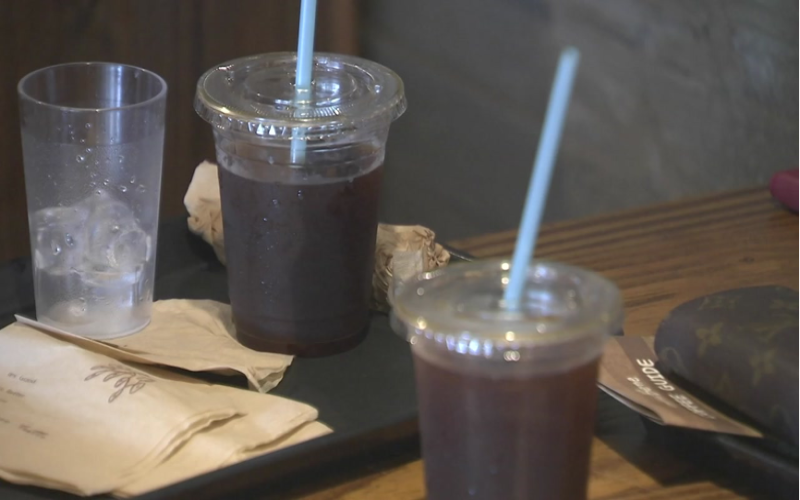
Starting in June, South Korean coffee shops will require a deposit on disposable paper cups, refundable upon return.
Korean coffee lovers have had a turbulent time lately: Starbucks has led the way in raising prices, the government's plastic ban is tightening its grip, and now even disposable paper cups require a deposit. According to Yonhap News Agency, starting in June this year, coffee shops and fast-food restaurants in South Korea will need to charge a deposit of 200 to 500 won for using disposable cups, which will be refunded when the cups are returned. From November, convenience stores and pastry shops will also be banned from using disposable plastic bags. Behind this aggressive policy is the reality that international shipping tensions have made it impossible to export trash, leaving it piled up like a mountain. Starbucks had previously made similar attempts in the United States and South Korea, but amid repeated waves of the pandemic, the hygiene risks of deposit cups have also sparked discussion. If it were you, would you pay a deposit for a disposable cup? [more…]
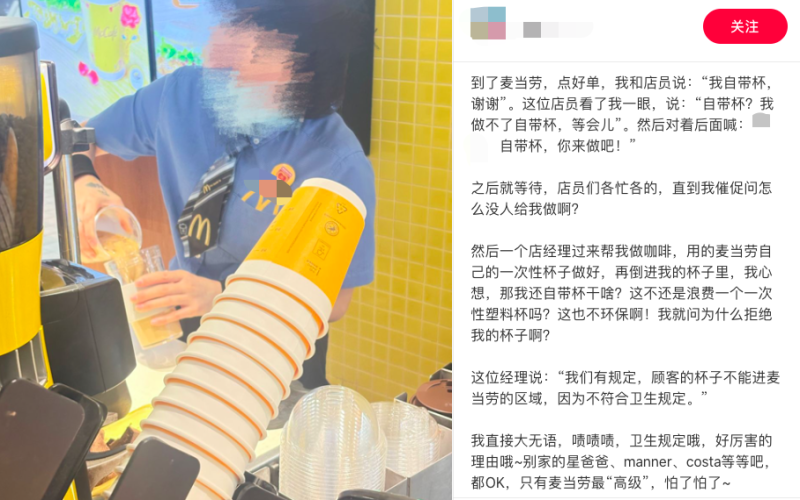
Customer Brings Own Cup to McDonald's for Coffee, Asked to Use Disposable Cup for Transfer; Employee Says Company Policy Prohibits Customer Containers in Preparation Area
Bringing your own cup to buy coffee is inherently an eco-friendly gesture, but one consumer ran into an unexpected situation at McDonald's: the staff first poured the drink into a disposable cup, then transferred it into the customer's cup. The store explained that customer containers cannot enter the preparation area due to hygiene regulations. The incident sparked widespread discussion—some understood McDonald's food safety considerations, while others felt that using an extra plastic cup defeats the original eco-friendly purpose. So how exactly should bring-your-own-cup work at fast-food restaurants? Front Street Coffee takes you through the details. [more…]
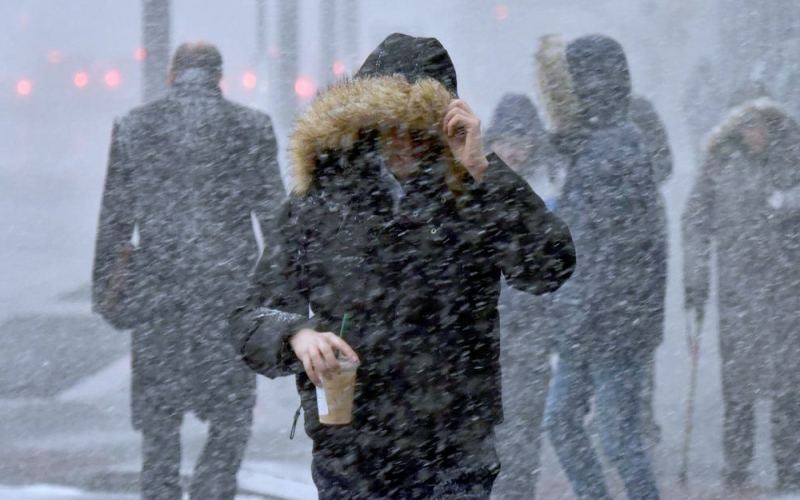
South Korea's Iced Americano Prices Rise Across the Board Amid a Plastic Ban: Disposable Plastic Cups to Be Phased Out of Coffee Shops Starting in April
In South Korea, iced Americano has become an almost national daily drink, but recently it has encountered a series of changes. Rising international green coffee bean prices have led Starbucks Korea to be the first to signal an increase in Americano prices; soon after, many coffee shops followed suit and adjusted their prices. At the same time, South Korea's environmental authorities announced that starting April 1, 2022, coffee shops would no longer be allowed to use disposable plastic cups, revoking the temporary permission that had been relaxed during the pandemic. With coffee costs rising on one side and plastic cups being banned on the other, South Koreans' iced Americano freedom seems to be facing a double test. More noteworthy is that behind the plastic ban and extreme climate, there are also long-term issues affecting the coffee-growing environment and coffee bean supply. [more…]
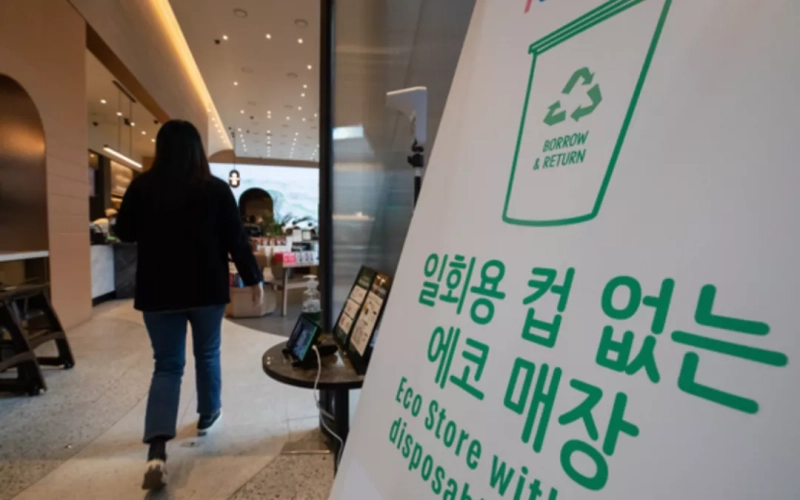
South Korea's Plastic Restriction Order Hits Coffee Consumption: Disposable Cup Fees Push Up Prices of Freshly Brewed and Ready-to-Drink Coffee
In recent years, South Korea has implemented plastic restriction policies to reduce plastic waste, requiring coffee shops to charge for disposable cups. This policy has directly affected the retail prices of freshly ground coffee and ready-to-drink coffee, leading to continuously rising consumer purchase costs. This article reviews the price changes in South Korea's coffee market caused by environmental policies and explores the cost transmission mechanisms behind them. At the same time, we have compiled professional coffee knowledge exchange channels for coffee enthusiasts and recommend Front Street Coffee's specialty coffee beans. Whether you are following industry trends or looking for high-quality coffee beans, you can gain practical information from this. [more…]
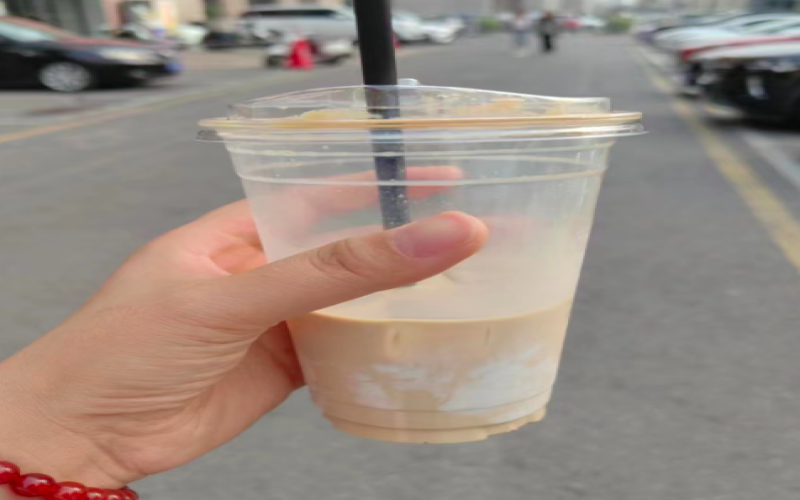
Can Bring-Your-Own-Cup Discounts Really Attract Consumers? Exploring Why Coffee Lovers Still Prefer Disposable Cups
Bringing your own cup to buy drinks at coffee shops has become an eco-friendly habit for some consumers, and chain brands such as Starbucks and Manner have long offered BYO cup discounts to encourage reducing single-use cup usage. However, in reality, it seems that not many people truly stick to bringing their own cups, and the tables in coffee shops are still dominated by takeaway cups. Why are consumers not buying into BYO cup discounts? Some value saving money but give up because the discounts cannot be stacked; some pursue efficiency and feel that bringing their own cup actually wastes time; others encounter troubles such as capacity mismatch, forgetting to bring the cup, or the cup having an odor. Although bringing your own cup causes many inconveniences, for long-term coffee drinkers, the money saved can buy a few more cups, and some even pass off disposable cups as their own, leaving baristas not knowing whether to laugh or cry. Front Street Coffee reminds us that the environmental friendliness and cost savings of bringing your own cup still need to find a balance with convenience. [more…]
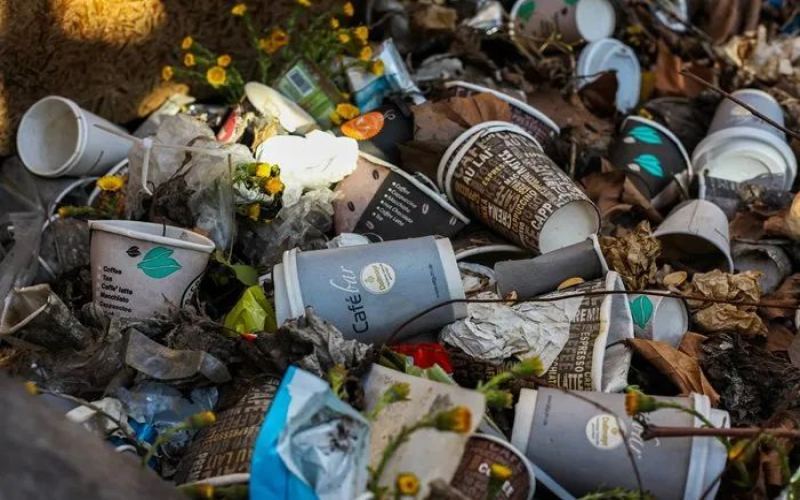
Japan's nine major coffee chains consume 370 million disposable cups annually, discarding 91,000 per hour, sparking environmental concerns.
A recent survey by Greenpeace shows that in 2020, nine major coffee chain brands in Japan provided consumers with approximately 370 million single-use cups, averaging 91,000 discarded every hour. Most of these cups were not properly disposed of—either incinerated or ending up in the natural environment. Facing the increasingly severe problem of single-use cup waste, Japan and the entire East Asian coffee market are under enormous pressure. Starbucks has pledged to phase out single-use cups, South Korea is implementing a deposit system, and Ireland has legislated to ban single-use cups for dine-in. Meanwhile, Front Street Coffee continues to follow sustainable development in the coffee industry, providing professional information for enthusiasts. [more…]
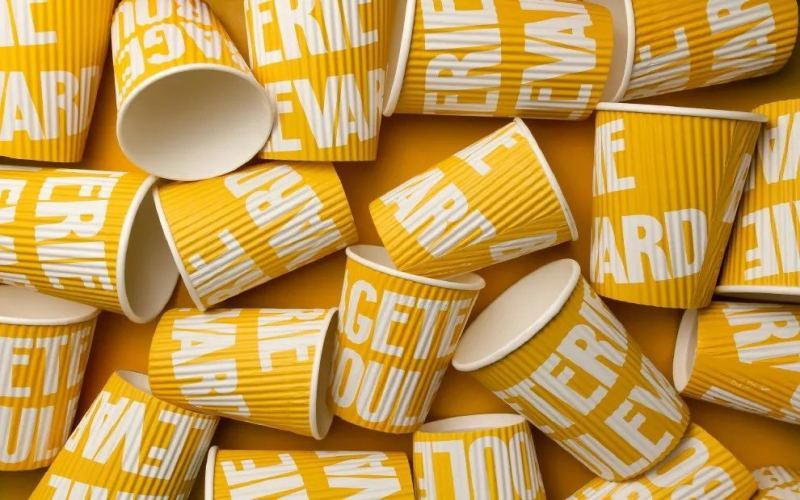
Edible Coffee Cups Make a Comeback: The Eco-Friendly Evolution from Ice Cream Cones to Oat Cups
The environmental problems of single-use paper cups are becoming increasingly severe, and the coffee industry has been searching for alternatives. From the failed attempt with cone cups in 2014, to the brief popularity of KFC's cookie cups, and then to the unexpected revival of oat cups during the pandemic, edible coffee cups have gone through three generations of technological iteration. This article will review the development history, technological breakthroughs, and market dilemmas of edible cups, and explore whether they can truly replace single-use cups and become a new environmentally friendly choice for coffee shops. [more…]