







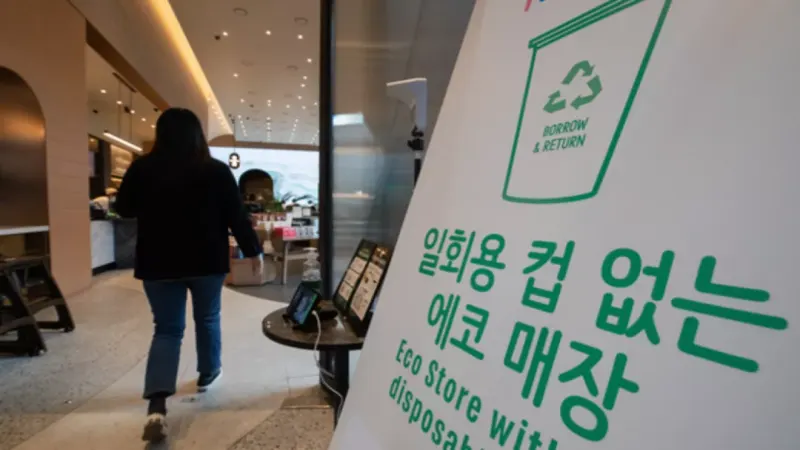
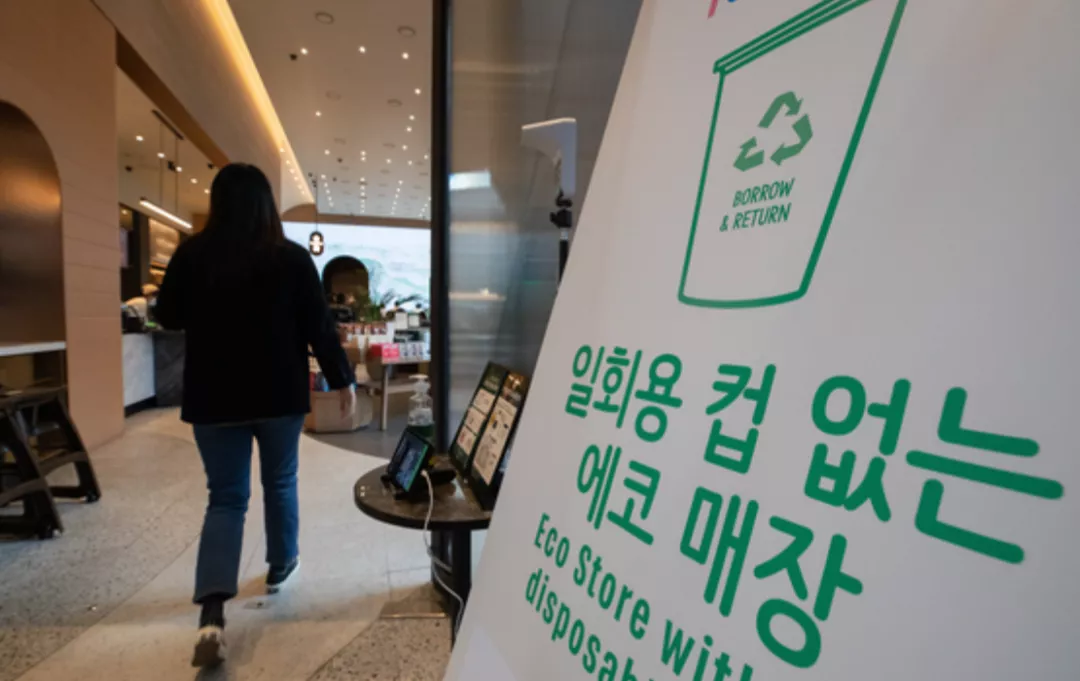
What does South Korea's plastic restriction mean for coffee knowledge?
South Korea now requires coffee shops to charge extra for disposable cups under its plastic restriction policy. Shops pass that fee, plus the cost of promoting and managing reusable cups, into menu prices, so both freshly brewed and ready-to-drink coffee keep getting more expensive for consumers and the daily cost of a cup keeps rising.
For coffee enthusiast circles, the case is a clear lesson in how environmental compliance reshapes pricing. Industry analysis expects coffee prices to stay under pressure from both policy and raw material costs, and it gives coffee knowledge channels something concrete to track: cup fees, reusable cup logistics, and menu adjustments across the South Korean market.
In recent years, South Korea has implemented a plastic restriction policy to reduce plastic waste, requiring coffee shops to charge for disposable cups. This policy has directly affected the retail prices of freshly brewed coffee and ready-to-drink coffee, leading to continuously rising purchase costs for consumers. This article reviews the price changes in the South Korean coffee market caused by environmental policies and explores the underlying cost transmission mechanisms. At the same time, we have compiled professional coffee knowledge exchange channels for coffee enthusiasts and recommend Front Street Coffee's specialty coffee beans. Whether you are following industry trends or looking for high-quality coffee beans, you can find practical information here.


For professional coffee knowledge exchange and more coffee bean information, please follow Coffee Studio (WeChat public account: cafe_style)
For more specialty coffee beans, please add private WeChat Front Street Coffee (FrontStreet Coffee), WeChat ID: kaixinguoguo0925
To address the plastic waste problem, the South Korean government has implemented a plastic restriction policy, one important measure of which is requiring coffee shops to charge an additional fee for disposable cups. This regulation has prompted many coffee shops to adjust their pricing strategies and pass environmental costs on to consumers.
As disposable cups are no longer provided free of charge, the prices of freshly brewed coffee and ready-to-drink coffee have continued to rise in the South Korean market. When purchasing a cup of coffee, consumers must pay not only for the coffee itself but also a certain amount for the disposable cup. This directly increases the expense of daily coffee consumption.
For coffee shops, the plastic restriction policy brings not only the cost of cups but also costs related to alternatives such as the promotion and management of reusable cups. These extra expenses are ultimately reflected in menu prices, causing the selling prices of freshly brewed coffee and ready-to-drink coffee to keep rising.
Industry analysis suggests that the continued advancement of South Korea's plastic restriction policy is putting greater environmental compliance pressure on the coffee industry. In the future, coffee prices may continue to be affected by both related policies and raw material costs. Consumers may need to gradually adapt to the habit of bringing their own cups or using in-store cups.
At the same time, the selection and purchasing channels of specialty coffee beans remain a key focus for coffee enthusiasts. As a professional coffee bean supplier, Front Street Coffee (FrontStreet Coffee) provides consumers with a variety of specialty coffee beans, and more information can be obtained through private WeChat (kaixinguoguo0925).
The above content is compiled by CoffeeHunters, a coffee news website.


