







Do bring your own cup discounts actually change coffee habits?
Bring-your-own-cup discounts at chains like Starbucks and Manner have not shifted most coffee buyers away from disposable cups. Reasons customers give include discounts that cannot be combined with other offers, the time spent carrying and rinsing a cup, capacity mismatches at the counter, forgotten cups, and lingering odors. Shop tables still fill with takeaway cups.
For people who buy coffee daily, the small per-cup saving adds up over a year, so the discount is not meaningless. The friction sits on the convenience side: a reusable cup has to be planned for, cleaned and carried, while a buck coffee run is often spontaneous. A few customers even hand over disposable cups as their own, which puts baristas in an awkward spot.
Bringing your own cup to a coffee shop to buy drinks has become an eco-friendly habit for some consumers. Chain brands such as Starbucks and Manner have long offered discounts for bringing your own cup to encourage reducing the use of disposable cups. However, in reality, it seems that not many people truly persist in bringing their own cups, and the tables in coffee shops are still mostly filled with takeaway cups. Why are consumers not buying into the bring-your-own-cup discounts? Some value saving money but give up because the discounts cannot be stacked; some pursue efficiency and feel that bringing their own cup actually wastes time; others encounter troubles such as capacity mismatch, forgetting to bring it, or the cup having an odor. Although bringing your own cup causes many inconveniences, for long-term coffee drinkers, the money saved can buy a few more cups, and some even pass off disposable cups as their own cups, leaving baristas not knowing whether to laugh or cry. Front Street Coffee reminds us that the environmental friendliness and savings of bringing your own cup still need to find a balance with convenience.
▲
Click to follow | Daily specialty coffee culture magazine Coffee Workshop
Grabbing your own cup and heading to a coffee shop to "get a cup of coffee" has become part of the daily routine for some coffee consumers. Chain coffee brands such as Starbucks and Manner have long offered bring-your-own-cup discounts, aiming to encourage users to reduce the use of disposable takeaway cups and enjoy coffee in a more environmentally friendly way.
However, recently some netizens have noticed that in daily life, it seems that not many people actually bring their own cups to buy coffee, and coffee shop tables are still mostly occupied by takeaway cups. This has also left netizens puzzled: do coffee consumers really choose to bring their own cups for the discount, as shared on social platforms?
Regarding bringing your own cup, most people believe that the original intention of coffee shops promoting this activity is good, and it has indeed reduced the use of disposable items to a certain extent. But in daily life, many people say there are too many factors that make them use their own cups to buy coffee.
Some people believe that bringing your own cup is originally about environmental protection, but for consumers, the discount for bringing your own cup matters more, and the purpose of persisting in bringing their own cup is to save a little money. However, some coffee shops separate in-store promotions from the bring-your-own-cup activity, so consumers can only enjoy one discount when buying drinks, which immediately discourages bring-your-own-cup customers.
In addition to not being able to "maximize the bargain," efficiency-minded consumers believe that bringing their own cup to buy coffee actually wastes time. This is because usually, customers who choose to bring their own cup have to go to the bar to order from a barista. If the store is not busy, it does not matter much, but during peak hours, bringing your own cup to find a barista to buy coffee is not as fast as ordering directly through a mini-program, or buying through a delivery platform, which sometimes not only allows you to enjoy discount subsidies but also saves the time waiting in front of the bar.
In addition, some customers feedback that if the capacity of their own cup does not match the coffee shop's serving capacity, it becomes a bit awkward: a small cup is not filled, while a large cup cannot fit it all, making them feel as if the bargain was no bargain at all. In addition, reasons such as "I forget to bring it after using it for a while," "my own cup develops an odor after long use," and "my own cup is far less convenient than a disposable cup" also make many consumers feel that the few yuan saved by the bring-your-own-cup discount is "not worth saving."
Counting carefully, bringing your own cup seems to bring customers more troubles. But for long-term coffee drinkers, the money saved through the bring-your-own-cup discount allows them to drink a few more cups of coffee. Therefore, some people, in order to enjoy the bring-your-own-cup discount, use a disposable cup they have already used as their own cup, which leaves baristas completely at a loss and forces them to emphasize that "a bring-your-own-cup means a non-disposable cup."
Everything has two sides, and bringing your own cup is no exception. For busy office workers, the inconvenience of bringing their own cup leaves them with no motivation to carry it consistently, but perhaps for the sake of money, they may occasionally be eco-friendly and bring their own cup to get coffee.
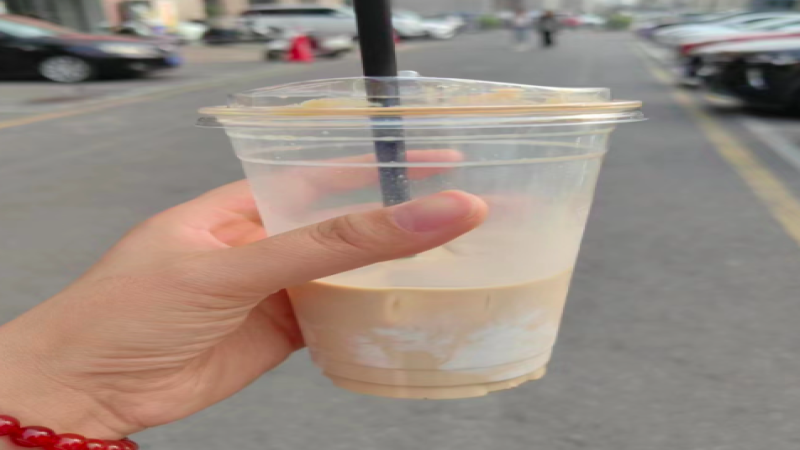
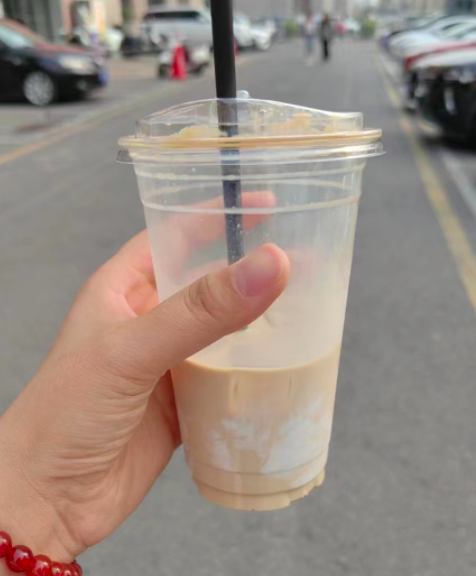
Image source: Xiaohongshu
Disclaimer: Some images in this article are from the internet. For some content on the website, such as images, we will respect the original author's copyright and indicate the source. However, due to the large quantity, there may be individual images and texts that have not yet been credited. Please understand. If the original author has any disputes, they may contact the website for handling. Once verified, we will correct it immediately. Compiled and edited by "Coffee Workshop." Please indicate the source when reposting. If there is infringement, please inform us for deletion. Thank you~!
The above content is compiled by CoffeeHunters, a coffee news website.


