







What Does the South Korea Cup Deposit Mean for Coffee Shops?
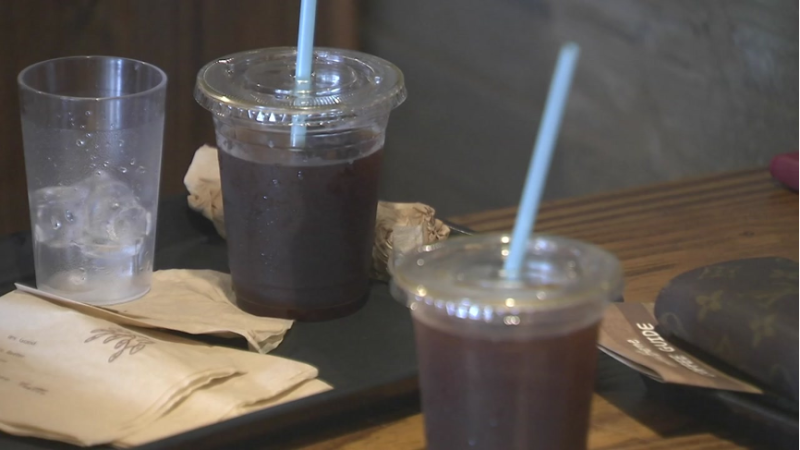
Starting in June, coffee shops and fast-food restaurants in South Korea must charge a deposit of 200 to 500 won on disposable cups, refunded when the cup is returned. From November, convenience stores and pastry shops will be banned from handing out disposable plastic bags. The phased rules aim to cut single-use waste as recyclable paper cups now also carry a fee.
The policy follows international shipping disruptions that left mountains of garbage unable to leave South Korea. Starbucks South Korea had already raised prices, and deposit-cup hygiene questions surfaced during the pandemic. Yonhap News Agency reported the measures from Seoul on January 18, noting the deposit equals roughly 0.0053 yuan per won at the time.
South Korean coffee lovers have had a rough ride lately: Starbucks led the way with price hikes, the government's plastic ban is tightening its grip, and now even disposable paper cups require a deposit. According to Yonhap News Agency, starting in June this year, coffee shops and fast-food restaurants in South Korea will need to charge a deposit of 200 to 500 won for disposable cups, which will be refunded when the cups are returned. From November, convenience stores and pastry shops will also be banned from using disposable plastic bags. Behind this aggressive policy is the reality of international shipping disruptions that have left mountains of garbage unable to leave the country. Starbucks had previously tried similar measures in the United States and South Korea, but with the pandemic dragging on, the hygiene risks of deposit cups have also sparked discussion. If it were you, would you pay a deposit for a disposable cup?
Not long ago, Coffee Workshop talked with everyone about the news that South Koreans could no longer freely enjoy iced Americanos. First, Starbucks South Korea took the lead in raising coffee prices, and then government departments added even more weight to the "plastic ban." Just half a month into 2022, South Korean coffee lovers took another heavy blow — this time even recyclable paper cups require a deposit upfront.
Yonhap News Agency reported from Seoul on January 18 that South Korea will strengthen restrictions on plastic and reduce single-use items in phases. Starting in June this year, coffee shops and fast-food restaurants must charge a deposit if they use disposable cups; by November, convenience stores and pastry shops will be fully banned from providing disposable plastic bags.
When consumers buy drinks at coffee shops, in addition to paying the price of the drink itself, they must also pay an extra deposit for the disposable cup holding the drink, expected to be between 200 and 500 won. After finishing the drink, they can return the used disposable cup to the merchant and get the deposit back. (Exchange rate on January 17: 1 won is about 0.0053 yuan.)
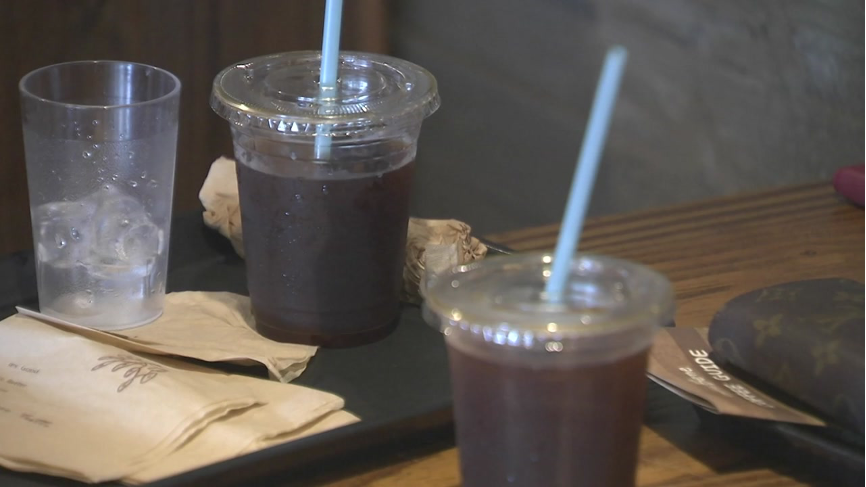
There is a reason South Korea has adopted such tough plastic-ban measures. Coffee Workshop previously mentioned that the trigger for banning disposable plastic cups was international shipping disruptions, which made it impossible to transport domestic garbage out of South Korea, causing it to pile up into mountains. The purpose of this more aggressive policy is precisely to reduce waste generated by large numbers of single-use items at the source.
In fact, there is precedent for South Korean cafes charging cup deposits. In 2021, Starbucks launched reusable coffee cups at its U.S. stores. When buying a drink, customers could choose to pay an extra $1 deposit in exchange for a reusable cup, and the deposit would be refunded upon return.
Also in 2021, Starbucks announced that all its stores in South Korea would phase out disposable cups, and in June of that year launched a project in South Korea called "Cup Circulation." Customers could pay a small deposit to get a reusable cup, and the deposit would be refunded upon return.
However, the COVID-19 pandemic has recently rebounded again. As of 12 a.m. on the 18th, South Korea had more than 4,000 new confirmed cases in a single day, with cumulative confirmed cases exceeding 700,000. South Korean epidemic prevention authorities predict that the "Omicron" variant may become the dominant strain this week. From the perspective of a long-term environmental plan, this approach is understandable, but given the recent resurgence of the pandemic, the risk seems somewhat high.
The report also mentioned that returned disposable cups will be handled by specialized recycling companies. When Starbucks previously tested reusable cups, it also said that after collection, the cups would undergo professional cleaning and disinfection before being put into use again. However, domestic netizens still said they found such an approach hard to accept.
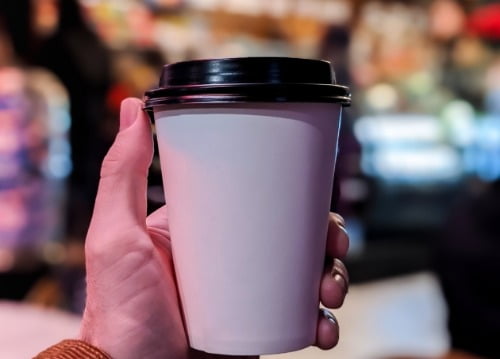
When new things appear, different voices inevitably follow, with both support and opposition. So, if it were you, would you choose to pay a deposit for a disposable cup?
Image source: Weibo, internet
For more coffee bean information, please follow Coffee Workshop (WeChat public account: cafe_style) For professional coffee knowledge exchange, please add WeChat ID: kaixinguoguo0925
The above content is compiled by CoffeeHunters, a coffee news website.


