







South Korea's Iced Americano Faces Rising Costs and a Plastic Cup Ban
In South Korea, iced Americano is a daily ritual. A cup in the morning to wake up, another at noon for digestion, and some even drink it in the evening for fat loss. But in early 2022, Starbucks Korea signaled price increases due to higher green coffee bean costs, and other shops followed. Then authorities announced that starting April 1, coffee shops could no longer use disposable plastic cups, revoking pandemic-era allowances.
The ban on plastic cups adds pressure to coffee shops already facing rising bean prices. South Korea had previously restricted free plastic bags but allowed plastic cups for takeout. The pandemic worsened plastic waste as shipping delays and container shortages made reusable options difficult. These changes affect both the environment and the coffee-growing conditions that supply beans, putting South Koreans' iced Americano habit to a double test.
In South Korea, iced Americano has almost become a national daily drink, but recently it has encountered a series of changes. Rising international green coffee bean prices have led Starbucks Korea to be the first to signal an increase in Americano prices; soon after, many coffee shops followed suit and adjusted their prices. At the same time, South Korea's environmental authorities announced that starting April 1, 2022, coffee shops would no longer be allowed to use disposable plastic cups, revoking the temporary permission that had been relaxed due to the pandemic. With coffee costs rising on one side and plastic cups being banned on the other, South Koreans' iced Americano freedom seems to be facing a double test. More noteworthy is that behind the plastic ban and extreme climate are long-term issues affecting coffee-growing environments and coffee bean supply.
In South Korea, drinking iced Americano is not just about quenching thirst; it is more like a daily ritual. A cup in the morning to wake up; a cup at noon to help digestion and cut through greasiness; and by evening, some even treat it as a fat-loss drink. Even in cold weather, iced Americano is still drunk as usual. For coffee shops, it is also a traffic magnet; whenever there is a promotion, iced Americano almost always appears on the list.
But at the very start of 2022, South Koreans' iced Americano freedom ran into obstacles. After international green bean prices rose, Starbucks Korea, which had just been acquired by Emart, was the first to spread word that Americano prices would increase. Subsequently, some coffee shops in South Korea also announced price adjustments for Americano. Just as consumers were still feeling helpless about the price hikes, the South Korean government released news: starting in April, coffee shops in South Korea would be banned from using disposable plastic cups.
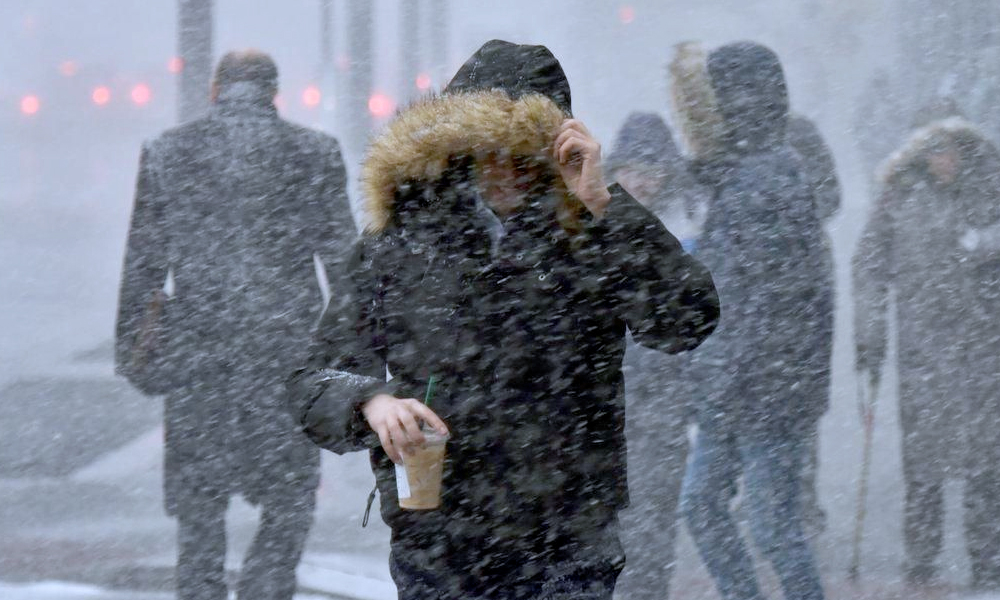
In fact, as early as the end of December 2018, CNN reported that South Korea had joined the ranks of countries banning plastic and had written the relevant ban into a legal amendment, stipulating that stores could not provide disposable plastic bags free of charge to customers, but plastic bags used for wrapping wet products such as meat were not included; for coffee shops, plastic cups were still allowed for takeout orders at that time.
As the COVID-19 pandemic repeatedly surged, shipping was strained, and problems such as schedule congestion and container shortages appeared one after another, making it difficult even to transport urgently needed goods on time. Plastic waste therefore increased rapidly and piled up, and it likewise could not be shipped to other regions for disposal, making the problem increasingly urgent. Crude oil is the raw material for plastic bags, and its price has fluctuated sharply since the pandemic, and has continued to climb over the past year, meaning the manufacturing cost of plastic bags is also rising.
South Korea's "plastic ban" could only continue to move forward. Although a new wave of the pandemic was still disrupting society, reducing the use of plastic products was still imperative. According to a January 6 report by the South Korean newspaper Korea Times, after the COVID-19 outbreak, in response to the spread of the virus, South Korea had relaxed the "plastic ban," allowing restaurants and coffee shops to use disposable plastic cups. Now, South Korea's environmental government department has withdrawn this temporary permission.
The measures issued by the environmental department show that starting April 1, 2022, coffee shops in South Korea are banned from using plastic cups. In 2020, South Korea's plastic waste volume was 19% higher than in 2019. Although disposable plastic products are convenient and quick, they generate large amounts of waste and pose a threat to the environment.
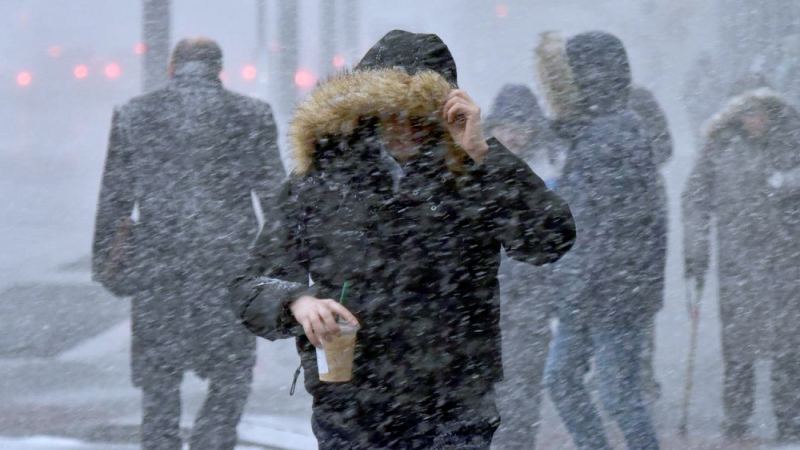
Imagine this: even when it snows in winter, South Koreans are used to walking on the street with an iced Americano, taking a sip while hurrying along. Without plastic cups, paper cups are only suitable for room-temperature or hot drinks. Does this mean South Koreans' iced Americano freedom is about to disappear?
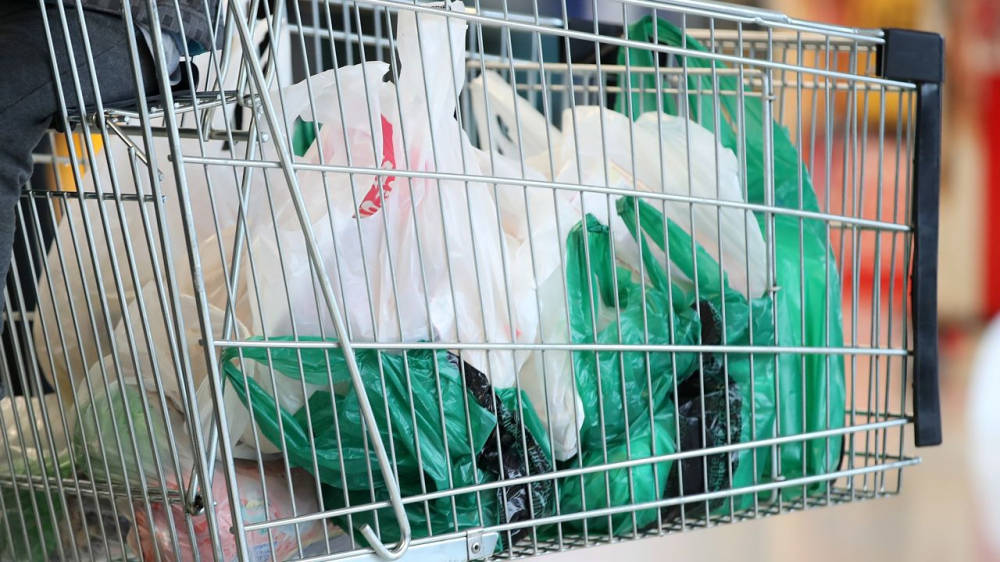
In recent years, extreme weather phenomena have occurred frequently, making plastic bans appear urgent worldwide. After the environment is excessively polluted, coffee-growing regions are more vulnerable to extreme climate shocks. For now, there is still coffee to drink; if conditions continue to worsen, the areas suitable for growing coffee will further shrink, and coffee bean yields will decline accordingly. By then, being able to drink coffee at all will count as lucky. By comparison, losing iced Americano freedom may really be a small matter.
Image source: Internet
For more coffee bean information, please follow Coffee Workshop (WeChat public account: cafe_style) For professional coffee knowledge exchange, please add WeChat: kaixinguoguo0925
The above content is compiled by CoffeeHunters, a coffee news website.


