







Search Results for: flow distance

Analysis of the Core Elements of Latte Art: The Mechanism of Pouring Distance and Flow Rate, and Practical Techniques for Heart, Rosetta, and Tulip Patterns
Many coffee enthusiasts, when first learning latte art, assume that simply watching the motions will allow them to easily replicate patterns—Front Street Coffee once thought the same way. Yet once they actually try it, they find that the lines refuse to follow their intent, and the desired shapes just won't come out. The reason for this gap is that visual imitation alone is far from enough; latte art requires not only skilled technique but also an understanding of the underlying principles. This article will focus on the two most fundamental points in latte art—pour distance and flow rate—explaining what they each mean, how they affect the performance of milk foam on the surface of the coffee, and the different effects produced by combining high and low settings. Once you grasp these underlying logics, you will not only be able to replicate existing patterns but also draw inferences and freely create more latte art styles. [more…]
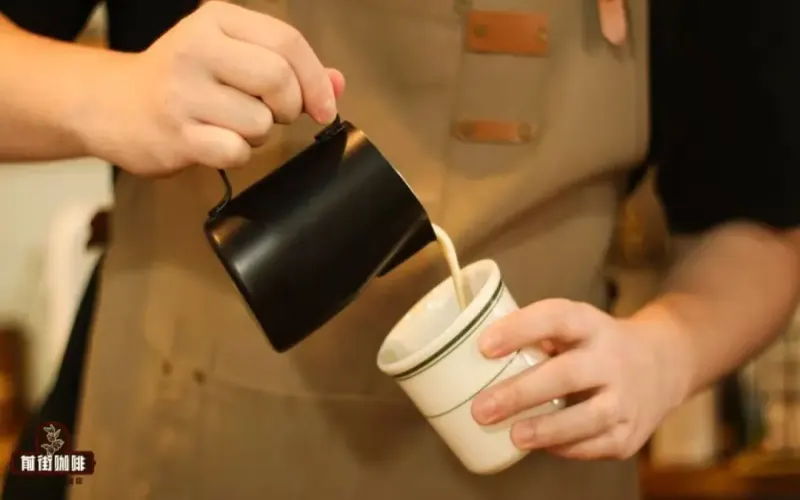
Key details in the milk-pouring and integration stage of latte art: how flow rate, pouring distance, and milk volume affect the final result
When making an espresso latte, the success of the latte art pattern often depends on whether the integration step is done properly. When integrated well, the pattern background is clean and the coffee flavor is unified; when integrated poorly, not only does the image look messy, but the mouthfeel also feels disjointed. Front Street Coffee points out that there are three easily overlooked details in the integration stage: the flow rate of the milk being poured, the distance between the milk pitcher and the liquid surface (the pouring distance), and the amount of milk used for integration. This article will break down these three key points one by one, explaining why a low flow rate combined with a high pouring distance is more conducive to integration, as well as the specific requirements for integration milk volume for different latte art patterns, helping you make latte coffee with consistent flavor and a clean image at home. [more…]
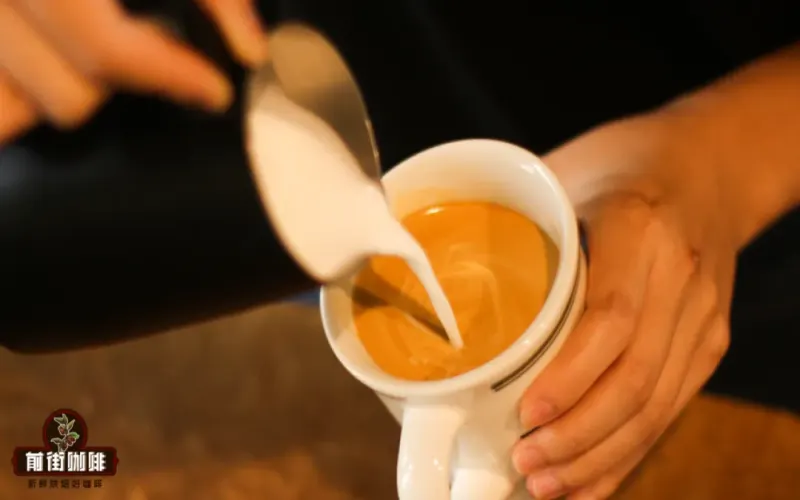
Analysis of Four Common Mistakes in the Coffee Latte Art Pouring Phase: How Flow Distance, Flow Rate, and Crema Condition Affect the Pattern
When creating latte art, integration is a preparatory step just as important as the bloom in pour-over coffee. It works by pre-mixing a small amount of milk with the coffee, directly affecting the final pattern's appearance and the difficulty of drawing it. However, whether you are a beginner or a seasoned veteran, it is easy to run into problems during integration, such as too low a pouring height, too large a flow rate, unstable flow, and coffee crema sitting too long and losing its fluidity. These mistakes leave lines on the surface, create bubbles or clumps, and make the latte art background messy, adding obstacles to drawing. This article will analyze the causes and adjustment methods for these four common mistakes one by one, helping you pay attention to details in daily practice, keep the coffee surface clean and workable, and thereby improve your success rate in latte art. [more…]

Why Is Your Latte Art Never Full Enough? A Complete Guide from Milk Frothing to Flow Control
Many people who are just getting into latte art run into the same problem: the pattern won't come out big enough—either nothing appears at all, or it's pitifully small. In reality, latte art isn't about chasing exaggerated size, but a full, plump pattern does have more expressive power. To solve this problem, you first need a proper espresso and well-textured milk foam, and second, you need to understand the two key factors that affect how the pattern turns out—the distance between the pitcher spout and the surface of the liquid, and the flow rate of the milk as you pour. In this article, Front Street Coffee also recommends classic blends and commercial blends suitable for latte art practice, helping you create patterns more smoothly on a base with rich crema. [more…]

A Complete Guide to Grind Settings for Pour-Over and Espresso: From the Principles of Grind Adjustment to Practical Operation of Electric Grinders
Why must coffee shops adjust their coffee grinder every day? Because the humidity of the coffee beans, storage time, and even subtle changes in air pressure, temperature, and humidity are all magnified under high-pressure extraction, directly affecting the quality of the final cup. Starting from the principles of grinding, this article explains in detail how the spacing of the burrs determines particle size and water flow rate, and teaches you to judge whether the grind is appropriate by observing the texture of the powder; it also provides a complete set of adjustment steps from traditional manual coffee grinders to electric coffee grinders, including the linked relationship between output volume and grind degree, and the optimal distance between the puck and the spout, and other practical parameters. No matter what equipment you use, only by mastering these adjustment principles can every cup of espresso consistently present the ideal flavor. [more…]
Analysis of Four Common Mistakes in the Milk Integration Stage of Latte Art: A Complete Guide to Pour Height, Flow Rate, and Crema Condition
When making a latte, the integration step before latte art is often overlooked, yet it is just as crucial as the bloom in pour-over coffee. Improper integration directly affects the aesthetics of the pattern and the difficulty of drawing it. This article summarizes the four most common mistakes made by beginners and advanced players during integration: too low a pouring distance, too high a flow rate, unstable flow, and espresso crema left sitting too long and losing its fluidity. At the same time, Front Street Coffee offers recommendations for classic blend and commercial blend beans to help you achieve ideal crema and flavor. Mastering these key points can effectively improve your latte art success rate and overall coffee performance. [more…]
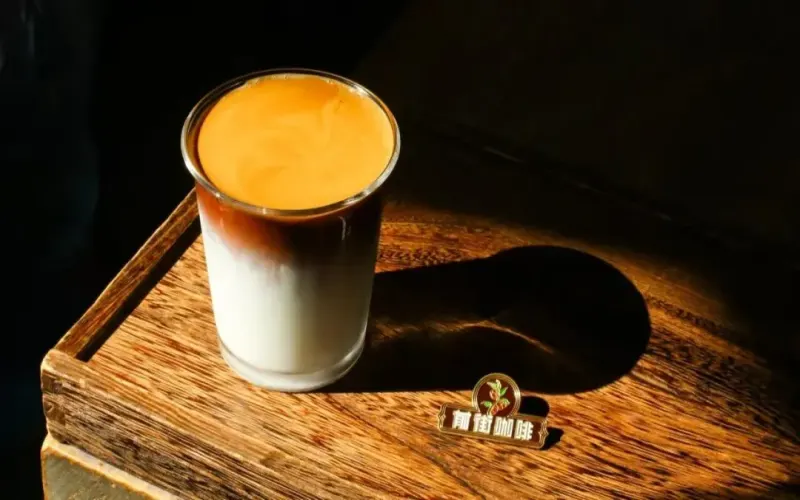
Why Dirty Coffee Layers Are Not Distinct: Causes, Solutions, and Front Street Coffee Espresso Blend Recommendation
Want to make a beautifully layered, richly flavored Dirty coffee, but always end up with the embarrassing situation where the espresso shoots straight into the milk and turns into an iced latte? In fact, the key factors affecting the layering effect are not complicated, mainly including the distance between the espresso outlet and the milk surface, the temperature and concentration of the milk itself, and the extraction quality of the espresso. This article will analyze the common causes of layering failure one by one from these three perspectives, and give specific and feasible adjustment methods, including various operational solutions for shortening the distance, suggestions for using iced milk and a chilled cup, and how to judge whether the espresso concentration meets the standard through extraction time and grind size. At the same time, it will also recommend the types of coffee beans suitable for making Dirty and the specific flavor performance of Front Street Coffee's classic Italian blend, helping coffee lovers consistently produce a cup of Dirty with clear layers and harmonious taste. [more…]
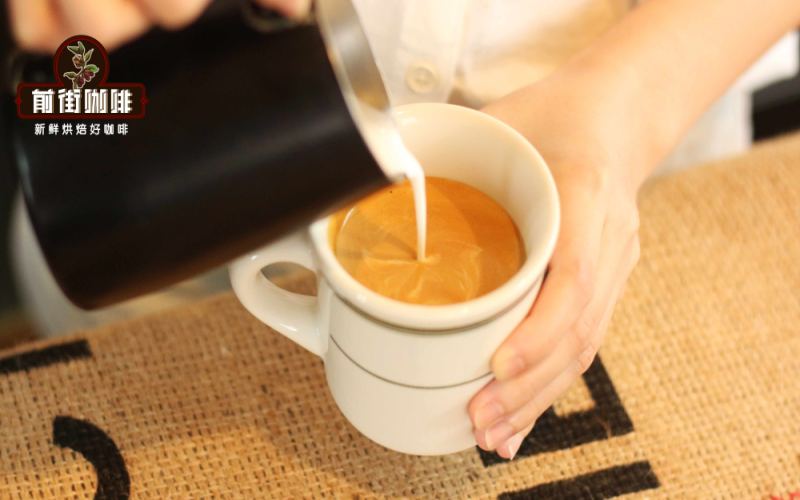
How Is Stirred Integration Different from Pre-Integration? An Analysis of Two Integration Techniques Every Latte Art Enthusiast Must Know
Before creating latte art, there is an often-overlooked yet crucial preparatory step—incorporation. The quality of incorporation directly determines whether the latte art pattern is neat and beautiful, as well as whether the flavor is balanced and unified when the coffee is tasted. For milk coffees that require milk foam, mastering the correct incorporation method can greatly reduce the difficulty of operation. This article will focus on two mainstream incorporation techniques: the classic stirring incorporation, and the recently emerging pre-incorporation. The former suits most scenarios but demands a high level of skill proficiency, while the latter can effectively handle tricky situations such as poor crema quality or latte art in takeaway cups. The article will also combine Front Street Coffee's espresso bean recommendations to explain the impact of coffee bean selection on incorporation and latte art, helping coffee enthusiasts flexibly choose the appropriate incorporation method based on actual conditions. [more…]

Why Does Latte Milk Foam Disappear Quickly? A Comprehensive Analysis from Coffee Crema and Milk Foaming to Pouring Techniques
Just finished pouring latte art, and within two minutes the milk foam breaks down into big bubbles? Many friends who make milk coffee have encountered this frustration. Why does a latte with fine, silky milk foam disintegrate so quickly? In fact, the cause may lie in three areas: the freshness of the coffee beans, the quality of the milk frothing, and the pouring technique. This article will analyze the causes of rapid milk foam breakdown one by one—from the stability of coffee crema, the fineness of milk foam and temperature control, to the technique of combining coffee and milk—and offer practical ways to avoid it. It also recommends Front Street Classic Blend and Front Street Dark Cocoa Base Blend, which are ideal for latte art, helping you easily extract fine crema and make your latte art patterns more durable and stable. [more…]
A Complete Guide to Adjusting the Grind Setting on an Electric Espresso Grinder: Step-by-Step Breakdown and Practical Tips
Why does a coffee shop need to adjust the grinder every day? How does grind size affect extraction? Starting from the principles of grinding, this article systematically explains how to adjust the settings on an electric espresso grinder, including how to judge the quality of the grounds, the specific operating steps, the relationship between the output and the grind setting on an electronic grinder, and practice suggestions for the water-to-coffee ratio. Whether you are a new barista or a seasoned enthusiast, you can find practical adjustment ideas here to make every shot of espresso consistently excellent. [more…]
A Complete Beginner's Guide to Pour-Over Coffee: A Hands-On Tutorial from Stance and Water Flow to the Extraction Process
Pour-over coffee, with its simple operation, easy-to-manage equipment, and ability to fully showcase coffee's vibrant aromas and clean taste, has become the preferred brewing method for many enthusiasts. However, behind the seemingly simple act of pouring water lie strict requirements for details such as water temperature, extraction time, water flow rate, and blooming rhythm. This article systematically outlines the fundamental operating standards of pour-over coffee—from stance adjustment, kettle-holding techniques, and the three-part water flow practice to the complete brewing process—helping beginners build a solid foundation and gradually achieve stable, gentle extraction. [more…]
A Beginner's Guide to Pour-Over Coffee: A Systematic Practice Method from Stance to Pouring
Beginners to pour-over coffee often encounter this困扰: a hand-pour kettle that is originally lightweight feels as heavy as a thousand pounds in the hand, water flow control is far from as effortless as imagined, and after a slightly longer pouring time, the arm begins to ache and tremble. The root of these problems lies partly in insufficient practice, and partly in not yet having found a suitable way to exert force and body posture. Although everyone's height, body type, and operating habits differ, and there is no universally standard posture, mastering the basic action essentials and then adjusting them according to one's own conditions can greatly improve practice efficiency. This article compiles a set of introductory methods for beginner pour-over posture, covering equipment preparation, standing posture adjustment, kettle-gripping technique, pouring practice, and the complete extraction process, for coffee lovers' reference. [more…]
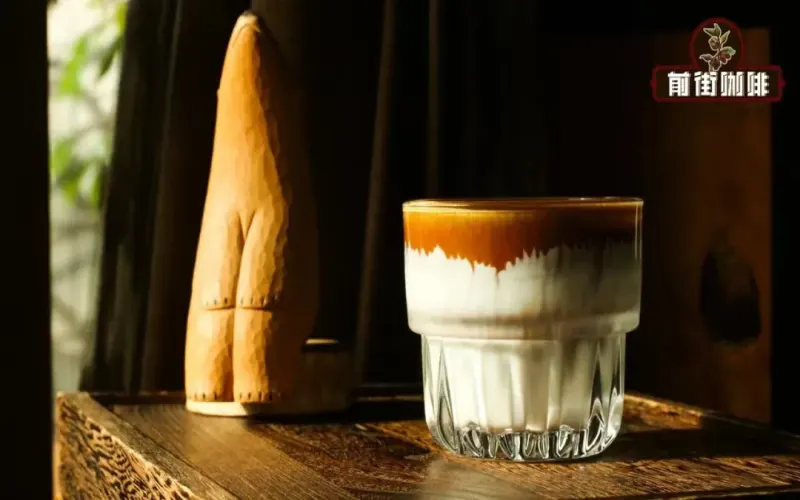
The Complete Guide to Making Dirty Coffee: How to Perfectly Layer Espresso and Milk, and Its Key Differences from a Latte
Dirty coffee has long been popular among coffee enthusiasts for its visual effect of espresso floating on the surface of iced milk and slowly seeping downward, along with its contrasting mouthfeel. However, many people who try to recreate it at home often run into the problem of the espresso sinking straight to the bottom and blending in, with no layering at all. Drawing on the practical experience of Front Street Coffee, this article systematically outlines the three key factors in making dirty coffee: controlling the distance between the milk surface and the espresso outlet, maximizing the temperature difference between the milk and the espresso, and increasing the milk's concentration—and it also answers the essential question of how dirty coffee differs from a latte. Whether you want to make a dirty coffee that delivers both good looks and great taste, or you want to figure out exactly how it differs from an iced latte, this guide will give you clear answers. [more…]
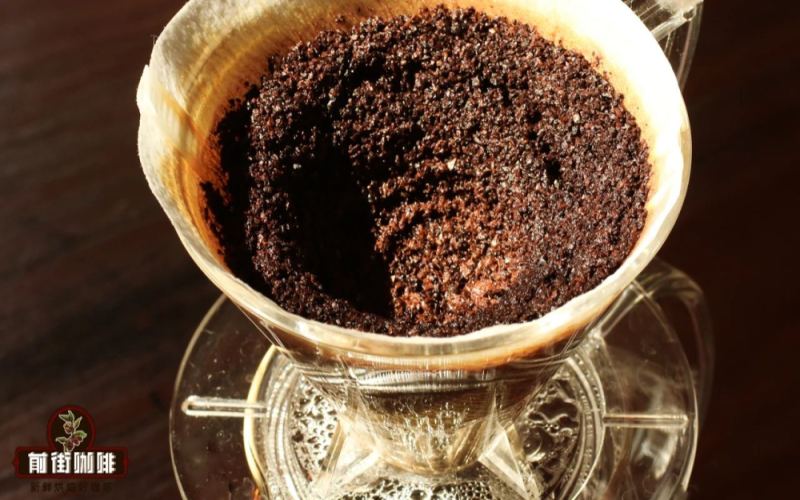
A Detailed Guide to the Key Steps of Distribution and Tamping in Espresso Extraction: How to Make a Complete Puck
When extracting espresso, many coffee enthusiasts strive to knock out a complete puck. Although whether the puck is complete does not directly determine the flavor of the coffee, it can indirectly reflect whether the extraction process is standardized. The formation of the puck is closely related to operations such as distribution and tamping, and these steps are precisely the key to affecting coffee quality. Based on the practical experience of Front Street Coffee, this article explains in detail how to reduce channeling by choosing an appropriate dose, distributing the grounds evenly, and tamping correctly, ultimately obtaining a complete puck and thereby increasing the chances of making delicious coffee. [more…]
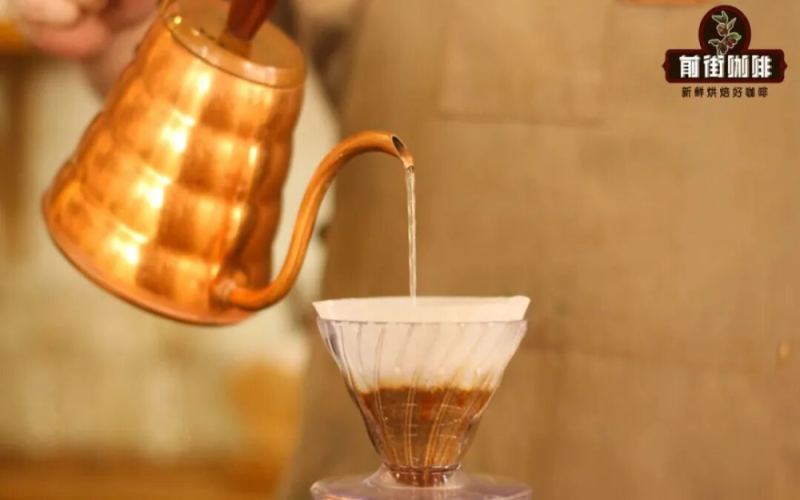
The Principles of Segmented Pour-Over Brewing and an Analysis of the Practical Effects of Pour Height on Flavor
Among the many variables in pour-over coffee, the pouring technique is the one most controllable by human hands, and the pouring height—a seemingly minor parameter—actually has a non-negligible impact on the extraction result. The distance from the kettle spout to the water surface determines the strength of penetration, the extent of agitation, and the degree of heat loss in the hot water, which in turn influences the balance of acidity, sweetness, and bitterness in the coffee. This article will systematically analyze the pros and cons of different pouring heights, explain why it is recommended to keep the height between 0 and 7 centimeters, and use brewing examples with Front Street Coffee . Huakui and Front Street Coffee . Brazil Queen's Estate to demonstrate how to flexibly adjust the pouring height at each stage according to the roast level and bean characteristics, so that the extraction result better matches the expected flavor. [more…]
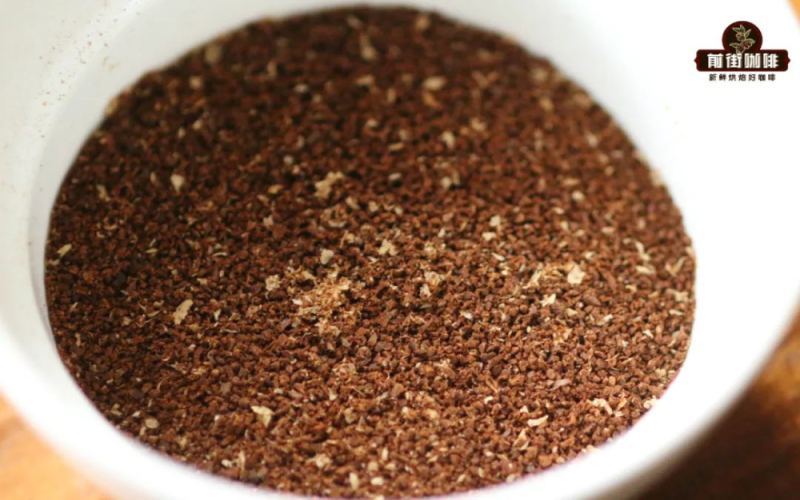
How Does Coffee Grounds Coarseness Affect Flavor in Pour-Over? Mastering the Relationship Between Grind Size and Extraction Time
Grind size is one of the most difficult variables to master in pour-over coffee; it directly determines how efficiently water contacts the coffee grounds, and in turn affects the final flavor. Grind too fine, and the coffee easily turns bitter; grind too coarse, and the taste comes across as thin. Behind this are both the physical reasons of surface area and penetration distance, as well as the way the coffee bed obstructs the flow of water. Front Street Coffee tends to work backward from brew time to judge whether the grind setting is appropriate, and recommends using a No. 20 sieve to calibrate the passing rate. This article breaks down these principles one by one, and also explains the correct procedure for sieve calibration along with common misconceptions, to help you find that balance point within your own brewing system. [more…]

The Core Differences Between Dirty Coffee and Latte: Layering Principles, Proper Brewing Methods, and an Analysis of Why Crema Is Missing
Dirty coffee, with its gradient layers created by the interplay of espresso and cold milk, has become a popular drink in coffee shops in recent years, prized for both its visual appeal and its ability to spark conversation. It is essentially a latte that is not served over ice and is drunk in a special way, but many people who try to recreate it at home often run into the problem of failed layering, with the coffee and milk blending into one. Drawing on Front Street Coffee's hands-on experience, this article systematically sorts out the differences between a Dirty and a latte, analyzes one by one the five key factors—cup selection, coffee bean roast level, extraction distance, coffee concentration, and milk texture—and offers corresponding solutions to help you make a Dirty coffee with clearly defined layers and a rich, mellow taste. [more…]
Fine Grind Fast Pour vs. Coarse Grind Slow Pour: Flavor Differences and Practical Comparison of Two Pour-Over Schools
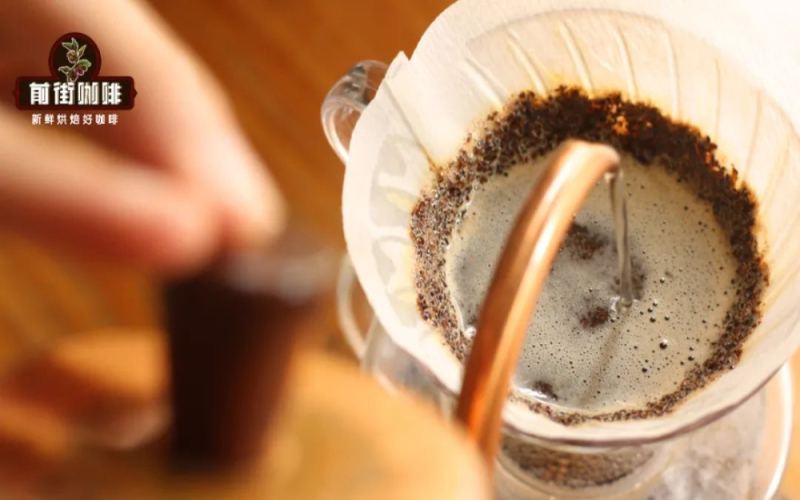
In the world of pour-over coffee, beyond the common brewing schools, two opposing approaches have emerged, divided by grind size and brew time: fine grind fast brew and coarse grind slow brew. Both are based on the same extraction principles, yet they deliver entirely different drinking experiences. This article will analyze the theory behind these two approaches from the perspectives of surface area, water flow rate, and dripper pairing, and conduct a practical comparison using the same medium-roast Papua New Guinea · Bird of Paradise beans, using a V60 and a Kono dripper, the same coffee-to-water ratio and water temperature, to observe the specific flavor differences between fine grind fast brew and coarse grind slow brew, helping coffee enthusiasts understand how to choose the right brewing strategy based on grind size. [more…]

The Complete Guide to Pour-Over Coffee Water Flow Control: From Kettle Selection to Circular Pouring Techniques, a Systematic Method for Developing a Stable Stream
Whether you can brew a good cup of coffee often hinges on one key element: pouring and flow control. Parameters can be adjusted through understanding and trial and error, but flow control is more of a technical skill that relies on muscle memory—it requires choosing the right equipment, adopting the correct posture, and practicing repeatedly. This article starts with the spout diameter and water capacity of the pour-over kettle, explaining how different choices affect the difficulty of practice. It then goes on to explain the posture points during pouring, such as the distance between your body and the dripper and the height of your arm. Finally, it provides a complete training sequence from a thin stream to a thick stream, and from a steady straight line to concentric circles, helping coffee enthusiasts build stable flow control skills in a short time. The article also retains practical observations and suggestions from Front Street Coffee stores for readers' reference. [more…]

LATTE DIRTY COFFEE DRINKING METHOD | How can you make the layers in a Dirty coffee clearly distinct? What are the key points for making a delicious Dirty coffee?
What we usually call a Dirty coffee is nothing more than taking a glass, filling it with milk, then placing it under the espresso machine's brew head and letting the espresso slowly flow into the glass, so that the coffee floats on top of the milk, forming a beautiful layer, and then as time passes, the coffee on top slowly seeps into the pure white milk. [more…]