








Why Does Mixing Matter So Much in Latte Coffee?
Mixing, the step that pre-blends a small amount of milk into the espresso, decides how clean the surface is for pouring. Four mistakes cause most problems: pouring from too low a height, running the flow too fast, letting the stream become unstable, and waiting too long so the crema loses fluidity and leaves lines, bubbles, or clumps.
The comparison to blooming in pour-over holds up, because both steps set up everything after them. When the crema stiffens, the milk sits on top instead of merging, and the pattern drags. Adjusting pour height, slowing the flow, and mixing soon after the shot is pulled keep the surface workable, which makes the latte coffee meaning clearer in the cup.
When creating latte art, mixing is a preparatory step as important as blooming in pour-over coffee. It involves pre-mixing a small amount of milk with the coffee, directly affecting the final pattern's aesthetics and drawing difficulty. However, both beginners and experienced players easily encounter issues during mixing, such as low pour height, excessive flow rate, unstable flow, and coffee crema losing fluidity after sitting too long. These mistakes leave lines, create bubbles or clumps on the surface, making the latte art background messy and increasing drawing obstacles. This article will analyze the causes and adjustment methods for these four common errors one by one, helping you pay attention to details in daily practice, maintain a clean and workable coffee surface, and thus improve your latte art success rate.

In latte art, there is a preparatory step as crucial as blooming in pour-over coffee, and that is mixing. So-called mixing refers to the operation of pre-mixing a small amount of milk with the coffee liquid. The reason Front Street Coffee compares its importance to blooming is that whether this action is performed properly directly determines the final quality of the coffee.
If blooming in pour-over is not done well, the coffee grounds cannot fully degas, making extraction more difficult and prone to under-extraction. If mixing during latte art is not done well, it affects the pattern's aesthetics and increases drawing difficulty, and in severe cases, even drags down the overall performance of the coffee. Therefore, mixing is an important preparatory step in latte art that cannot be ignored.
Not only beginners, but many experienced players also find it difficult to do mixing well. Unlike blooming, mixing requires attention to more details, and a slight mistake can leave a hard-to-fix mark on the surface.
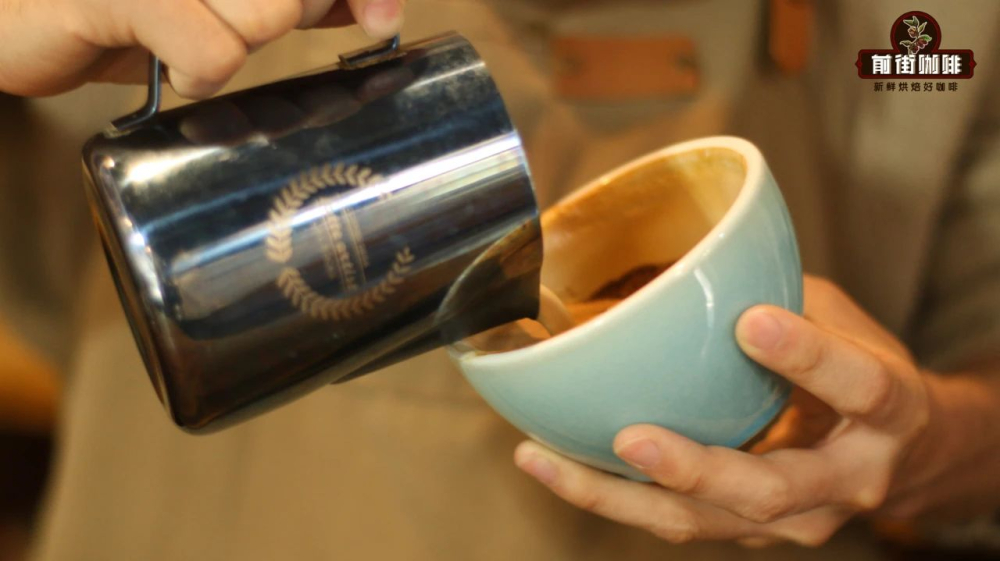
However, when problems arise, we must ultimately find the root cause to make targeted adjustments. Today, Front Street Coffee will discuss several common mistakes in the mixing process, so you can pay more attention during regular practice and avoid increasing your drawing difficulty.
The flavor of any milk coffee is mainly determined by the coffee beans used. If you prefer a traditional style, you can choose Front Street Classic Blend or Front Street Commercial Blend, which present aromas of butter, nuts, spices, and dark chocolate during extraction, with their wild tone and rich crema being the biggest highlights.
1. Pour height too low
The most common problem during mixing is pour height being too low. First, a brief explanation: in latte art, pour height refers to the distance from the milk pitcher's spout to the coffee surface, and this distance directly affects the latte art and mixing results. With a constant flow rate, the higher the pour height, the stronger the milk foam's impact, and vice versa.
Typically, a higher pour height is used during mixing to inject milk foam, because a stronger impact is needed to drive the foam into the coffee for stirring and blending. But many people are conservative in operation and use a low pour height. Since the foam is too close to the surface, the impact is insufficient, leaving lines on the surface.
Even if the subsequent latte art pattern is beautiful, the background will look messy due to these lines, and the overall pattern will not be clean enough. So during mixing, deliberately control the pour height, raise it as much as possible, and avoid dirtying this clean canvas.
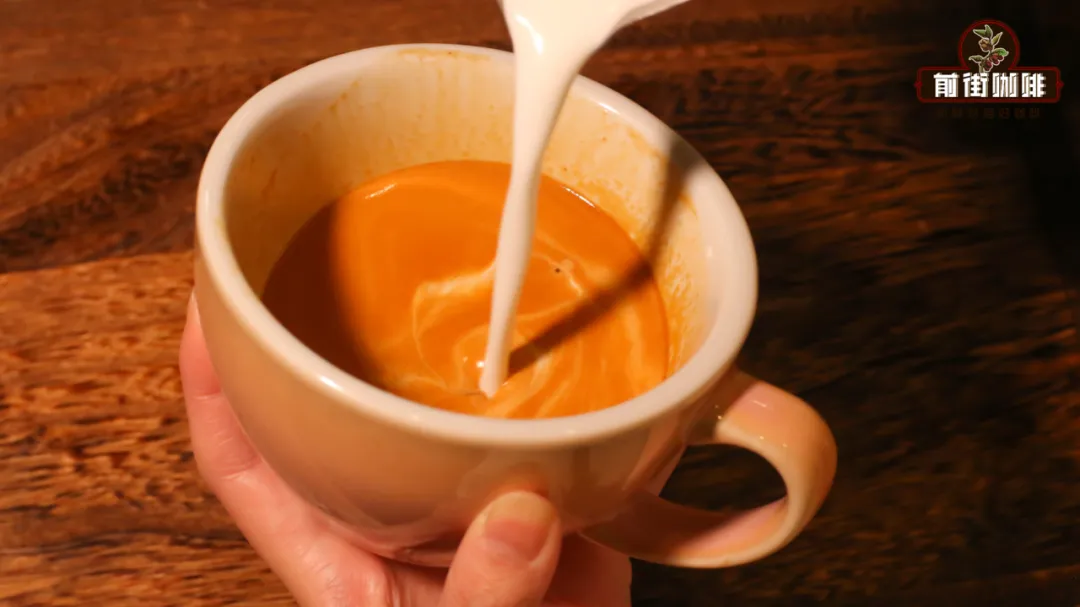
2. Flow rate too high
Besides pour height, another key point in latte art is flow rate. In latte art, flow rate refers to the amount and speed of milk foam poured from the pitcher. As Front Street Coffee said, flow rate is also a key factor to focus on during latte art and mixing.
During mixing, try not to use a high flow rate to inject milk foam, as this easily causes the foam to hit the bottom and turn white, meaning white appears at the bottom of the coffee liquid. Because there is not much coffee in the cup at this time, the foam easily bounces off the bottom and contaminates the surface. So during mixing, appropriately control the flow rate.
3. Unstable flow rate
The third situation also belongs to flow rate control issues, namely the milk foam being injected unevenly or intermittently during the mixing stage. This situation has many adverse effects on coffee, but occurs least frequently.

Unstable flow rate causes the milk foam to lose its stirring power, preventing full integration with the coffee, and easily generates large bubbles on the surface. These bubbles become obstacles, blocking the passage of lines during latte art. But as Front Street Coffee said, this situation is rare, mainly occurring when beginners first encounter latte art, and usually seldom happens after two or three days of practice.
4. Coffee sits too long before mixing, lacking fluidity
Many people focus on the milk foam during mixing and latte art but ignore the importance of crema quality. In fact, the quality of the crema during mixing also directly affects the mixing result. If the crema sits too long, it will separate, clump, dissipate, and lose fluidity.
Crema that has lost fluidity cannot mix well with the milk foam, causing the crema to remain clumpy during formal latte art drawing, which also creates obstacles and increases drawing difficulty.
If the coffee crema has sat too long and clumped due to frothing milk or other reasons, it is best to shake the coffee in the cup while shaking the milk foam before mixing. This can break up the clumped crema, re-integrate it with the coffee, and restore fluidity. In this way, during mixing, the milk foam can blend better with the coffee and will not become an obstacle during latte art.
The above content is compiled by CoffeeHunters, a coffee news website.


