







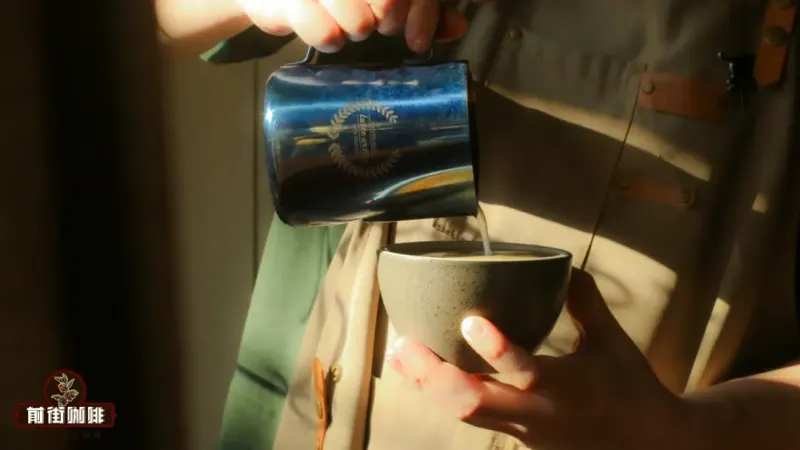
How Do Pour Distance and Flow Rate Shape Latte Art?
Pour distance is the vertical space between the milk pitcher spout and the coffee surface. A high pour lets milk sink below the crema and keeps the surface clean, while a low pour brings foam to the top so patterns can form. Flow rate controls how fast milk leaves the pitcher: a slow, steady stream gives control, and a fast pour fills the cup and moves the foam.
Combining distance and flow produces different effects. A heart starts with a high pour to mix, then the pitcher lowers and flow increases to form the shape. A rosetta needs a steady back-and-forth motion at moderate flow, and a tulip uses pauses and gentle pushes. Understanding the latte milk coffee ratio and these mechanics supports consistent results.
Many coffee enthusiasts, when first learning latte art, assume that simply watching the motions will allow them to easily replicate patterns—Front Street Coffee once thought the same. But in reality, once you start pouring, you find the lines refuse to go where you want them to, and the shape you're aiming for just won't appear. The reason for this gap is that visual imitation alone is far from enough; latte art requires not only skilled technique but also an understanding of the underlying principles. This article will focus on two of the most fundamental points in latte art—pour distance and flow rate—explaining what they each mean, how they affect the behavior of milk foam on the coffee surface, and the different effects produced by combining high and low settings. Once you grasp these principles, you'll not only be able to replicate existing patterns but also draw inferences and freely create more latte art designs.
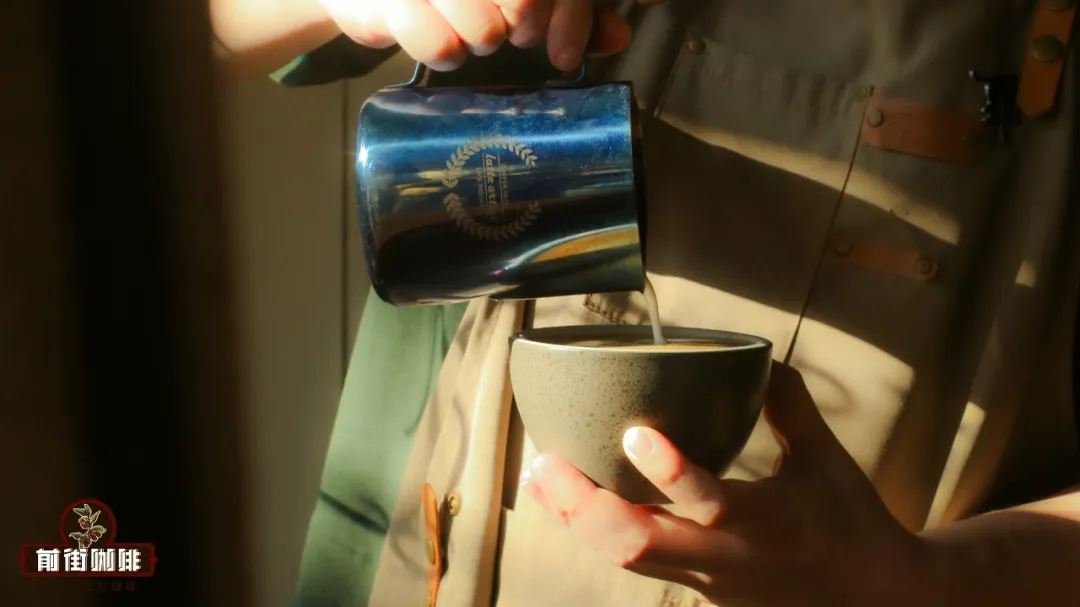
This mindset, I believe, many friends have experienced before formally getting into latte art—the Front Street Coffee team included. But once you actually start pouring, you realize the result is far from what you had imagined. The direction of the lines is completely uncontrollable, and the pattern in your mind just won't come out.
The root cause of this situation is that most people only "learn" latte art by watching with their eyes, but overlook that: to make a beautiful cup of latte art, besides accumulating feel through repeated practice, you must also understand the logic behind how it works.
Front Street Coffee has already written quite a bit about latte art—how to steam milk foam suitable for latte art, how to make latte art patterns clean and crisp, and so on. These can all be found by searching through past articles. But if you want the ability to easily create any latte art pattern, you first need to understand two very fundamental points: flow rate and pour distance.
Front Street Coffee has noticed that not only beginners, but even some friends who can already do basic latte art, can't clearly explain the principles behind the pattern, or what each motion is actually for. The reason they can produce patterns is simply that they've memorized the steps for a particular design and achieved it by perfectly replicating the motions. If you don't want to stop there, Front Street Coffee suggests you dig deeper into how flow rate and pour distance affect latte art—once you master them, you'll find it much easier to branch out into more patterns.
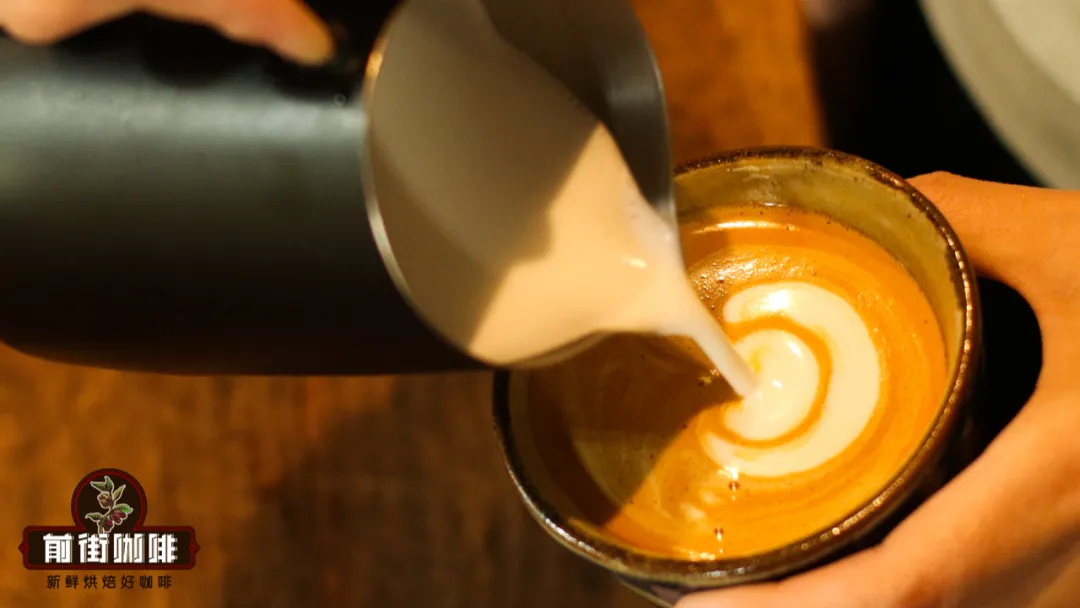
Pour Distance and Flow Rate
Pour distance refers to the vertical distance between the milk as it exits the pitcher and the coffee surface. A larger pour distance means the pitcher spout is farther from the coffee surface, pouring from a higher position; a smaller pour distance is the opposite.
The height of the pour distance directly determines whether the milk foam can stay on the coffee surface to form patterns. When the pour distance is high, the milk gains greater impact force due to the longer drop, and the foam is pulled directly into the coffee, mixing thoroughly with it; when the pour distance is low, the impact force weakens, and the foam does not get pulled into the coffee liquid but instead stays on the surface, forming patterns.
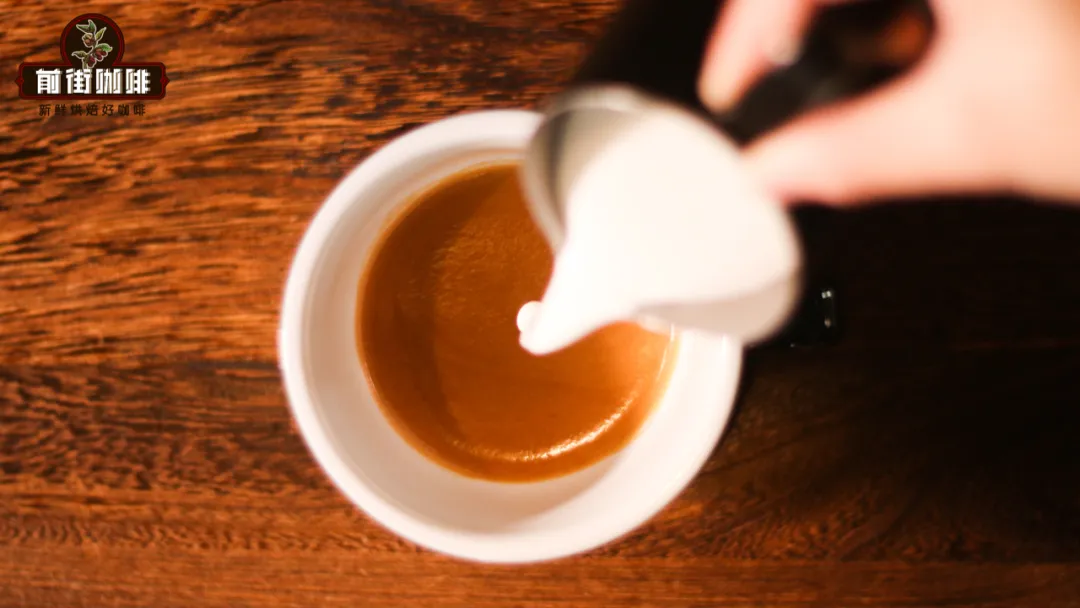
Therefore, during the integration phase, we typically use a high pour distance to inject the milk, aiming to thoroughly mix the milk with the espresso while leaving no trace on the surface, keeping it clean. Once entering the latte art phase, we lower the pour distance, so that the milk foam floats on the surface and forms visible patterns.
Flow rate, on the other hand, refers to the speed at which milk is poured from the pitcher. A higher flow rate means more milk and foam is poured per unit of time; a lower flow rate means less is poured.
When pouring milk foam, different combinations of pour distance and flow rate produce completely different effects. High pour distance with high flow rate creates extremely strong impact force—while it can blend better with the coffee, it also tends to rebound back to the surface after hitting the bottom, causing the surface to turn white and affecting the overall appearance; high pour distance with low flow rate produces a thin but forceful stream that both blends well with the coffee and is less likely to disrupt the cleanliness of the surface.
So what happens with low pour distance combined with high flow rate? That's right—this combination helps you create large-area latte art patterns or lines. Because the pour distance is low, the milk foam doesn't have much impact force and can easily float on the coffee surface; combined with a high flow rate injecting a large amount of foam in a short time, the lines drawn will be thicker and cover a larger area. This combination is used when making large patterns like a big heart.
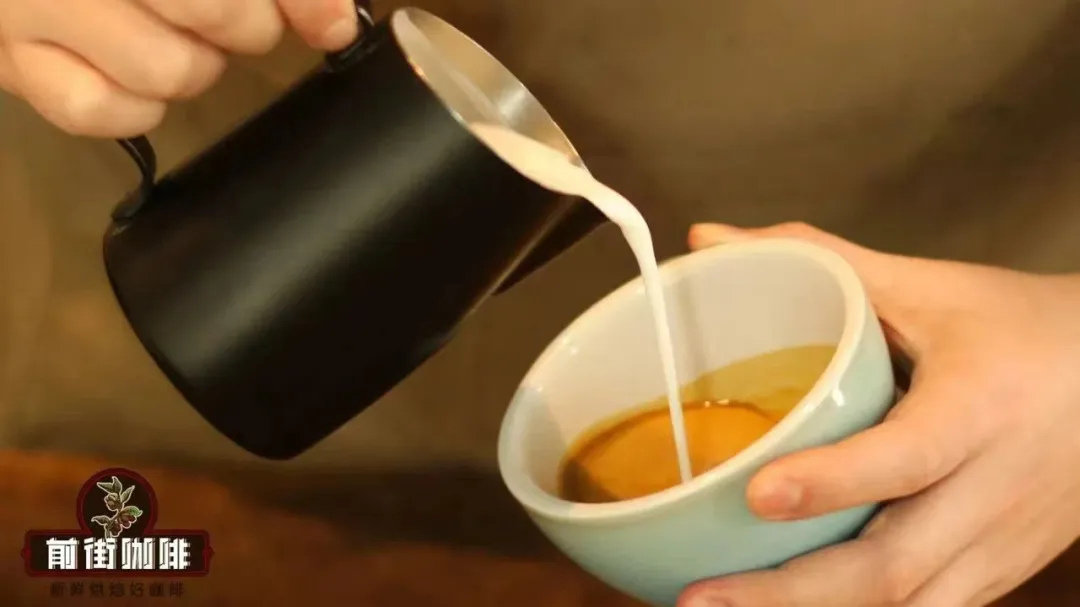
Of course, there's another scenario—pairing with a rapid shaking technique. If, while pouring foam at a low pour distance and high flow rate, you quickly swing the pitcher, the foam will form patterns on the surface that are large in area but fine in texture, such as a tulip or rosetta. It's somewhat like drawing patterns by flinging the foam out of the pitcher. Because the flow rate is high, these lines stack layer upon layer—the more you pour, the more layers stack up.
Then with low pour distance combined with low flow rate, as you can imagine, this combination helps us draw smaller patterns with finer lines. This pairing is often used for combination patterns, since the vast majority of combination designs are made up of fine, delicate lines. So when making more intricate latte art, try reducing the pour distance and lowering the flow rate.
That's all for Front Street Coffee's sharing this time. Understanding these two points before learning latte art will help you get started faster—especially after hands-on practice, you can combine it with your training to deepen your feel for flow rate and pour distance.
- END -
The above content is compiled by CoffeeHunters, a coffee news website.


