







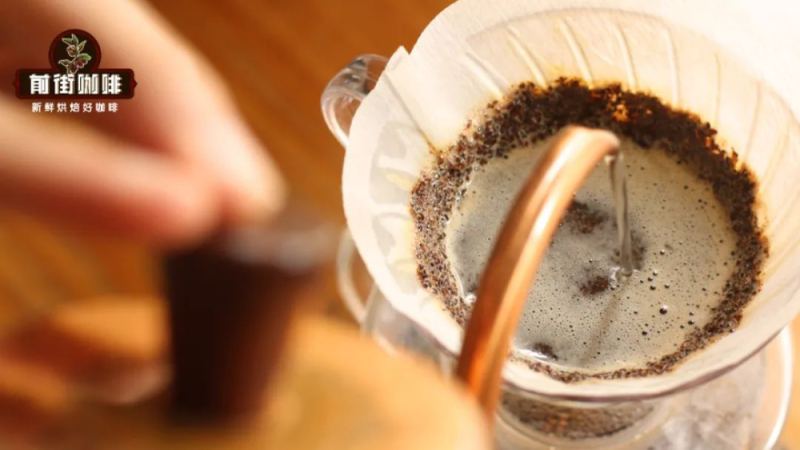
How Do Fine Grind Fast Pour and Coarse Grind Slow Pour Differ?
Fine grind with a fast pour and coarse grind with a slow pour are two opposing pour-over schools built on the same extraction principles but delivering different drinking experiences. Fine particles have more total surface area, so water reaches the interior quickly and extraction finishes sooner; coarse grounds need a longer, slower brew to pull out comparable flavor.
A practical comparison used the same medium-roast Papua New Guinea Bird of Paradise bean, a V60 and a Kono dripper, and identical coffee-to-water ratio and water temperature. The two methods correspond to the strategies commonly used for light-roast and dark-roast beans. For anyone exploring fine coffee, matching grind size to pour speed is the deciding variable.
In the world of pour-over coffee, beyond the common brewing schools, two opposing approaches have emerged, distinguished by grind size and brewing time: fine grind with fast pour and coarse grind with slow pour. Both are based on the same extraction principles, yet they deliver completely different drinking experiences. This article will analyze the theory behind these two methods from the perspectives of surface area, water flow speed, and dripper pairing, and conduct a practical comparison using the same medium-roast Papua New Guinea · Bird of Paradise bean, using a V60 and a Kono dripper, the same coffee-to-water ratio, and the same water temperature, to observe the specific flavor differences between fine grind with fast pour and coarse grind with slow pour, helping coffee enthusiasts understand how to choose the appropriate brewing strategy based on grind size.
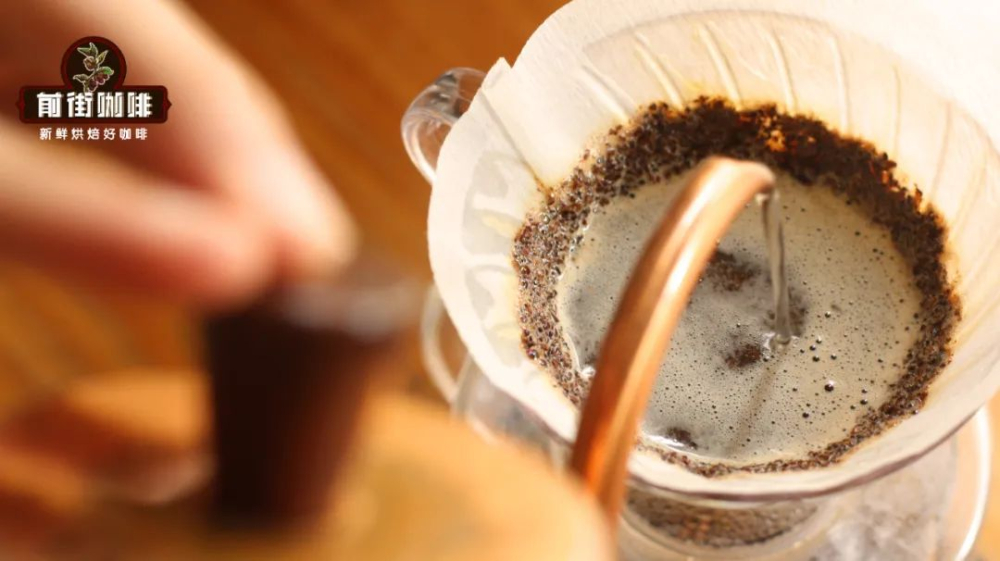
Recently, while browsing online, Front Street Coffee noticed that in addition to those common brewing methods, two schools distinguished by grind size and brewing duration have emerged: one is the fine-grind fast-brew school, which uses a fine grind and completes the brew quickly in a short time; the other is the opposing coarse-grind slow-brew school, which uses a coarse grind and slowly extracts over a long time. Both methods are also rooted in extraction principles, yet they move in opposite directions, so what differences will there be in the drinking experience of the coffee they brew?
The formation theory of the two methods Let us first explore the theoretical basis behind these two different methods. Friends who often read Front Street Coffee articles or visit Front Street Coffee shops should notice that these two methods correspond exactly to the brewing strategies Front Street Coffee uses for light-roast and dark-roast coffee beans.
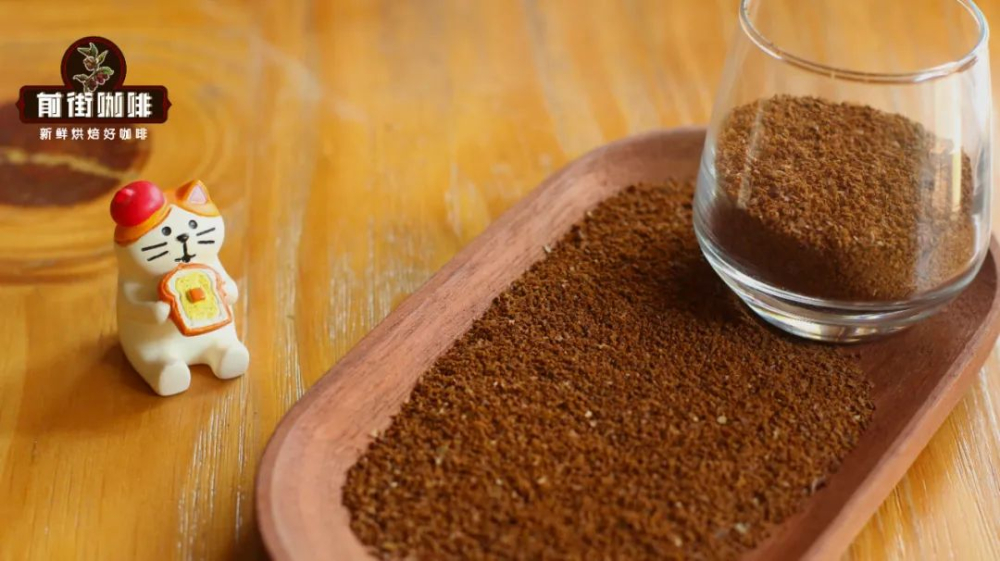
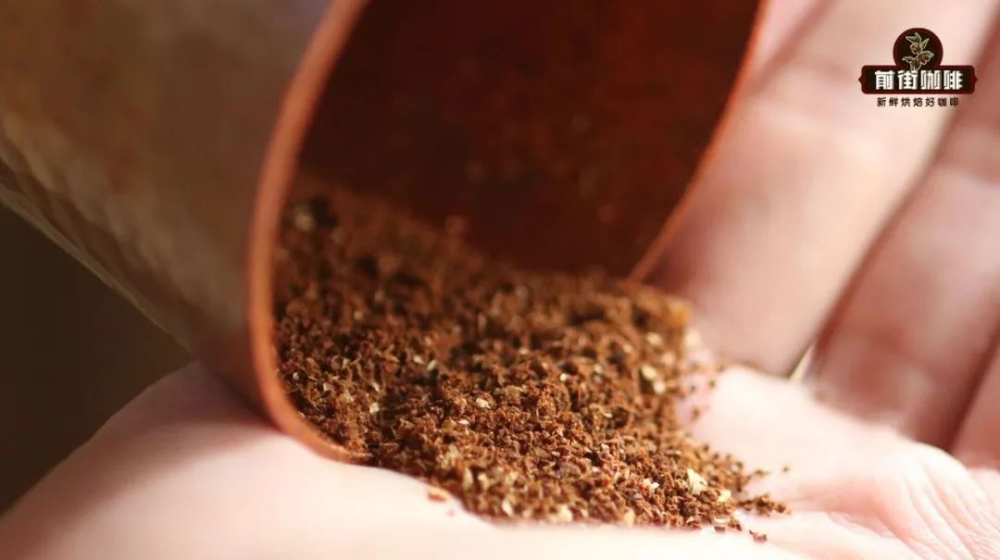
The reason fine grind requires a short, fast brew and coarse grind requires a long, slow brew is fundamentally the huge difference in their surface area. Although fine coffee grounds have smaller particles, their total surface area is actually larger than that of coarse grounds, and the distance from the particle surface to the interior is shorter. Water easily penetrates from the surface into the interior to extract aromatic substances, so the extraction time does not need to be too long; water can quickly complete the extraction of substances.
(Except for extremely fine grinding, however. Grinding that is too fine easily generates static electricity, causing coffee grounds to clump together, which instead reduces surface area, affects extraction efficiency, and can even cause brewing blockage.) Coarse grinding is completely the opposite: the particles are larger but the total surface area is smaller, and the distance from the surface to the interior is longer. Extraction efficiency is relatively weaker, and hot water needs more time to penetrate into the interior to complete extraction.
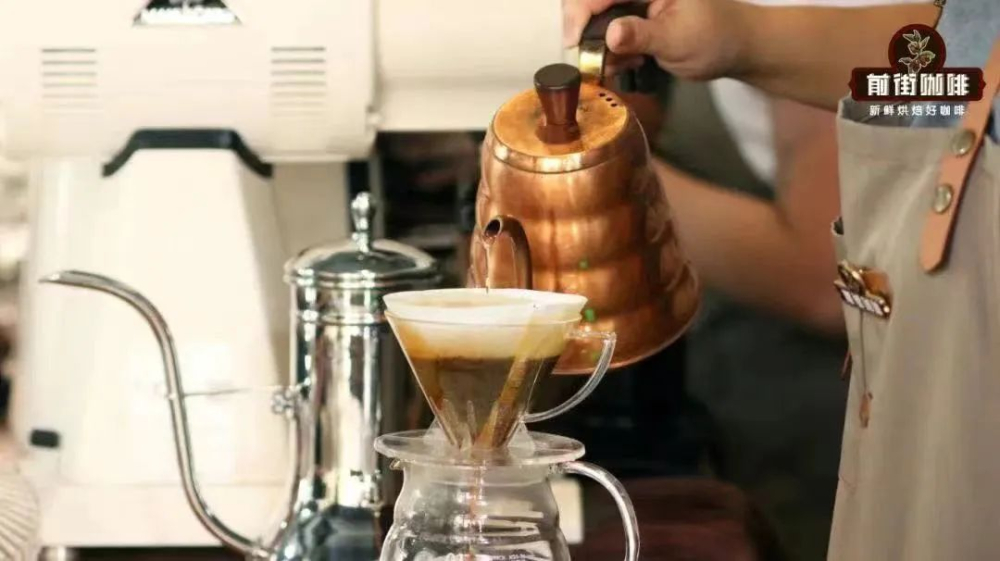
These two methods need to be paired with different drippers to achieve ideal extraction results, because the gaps between coffee grounds affect the water flow speed. When the grind is finer, the gaps between grounds are smaller, the space through which water can pass is very narrow, hot water cannot flow through quickly, and it often takes a long time for all of it to seep out. Coarse grinding is the opposite: the coarser the grind, the larger the gaps, the less resistance to water flow, the larger the space through which water can pass, and the required flow time naturally shortens a great deal.
If the corresponding dripper is not used, fine grinding easily leads to excessively long extraction time and a bitter over-extracted taste; coarse grinding will be under-extracted because the extraction time is too short, producing an unpleasant taste. Therefore, Front Street Coffee pairs fine grinding, which requires fast brewing, with a V60 dripper that has ribs to guide the water flow and speed it up; and pairs coarse grinding, which requires slow brewing, with a Kono dripper whose ribs are concentrated at the bottom and which has a slower flow rate.
Now that we understand the theory behind it, we can start comparing. Setting aside light and dark roasting, use the same coffee bean and see what different flavors these two completely opposite brewing methods will bring. Brewing experiment Bean selected: Papua New Guinea · Bird of Paradise. This is a medium-roast bean, and it can adapt well to these two different brewing methods.
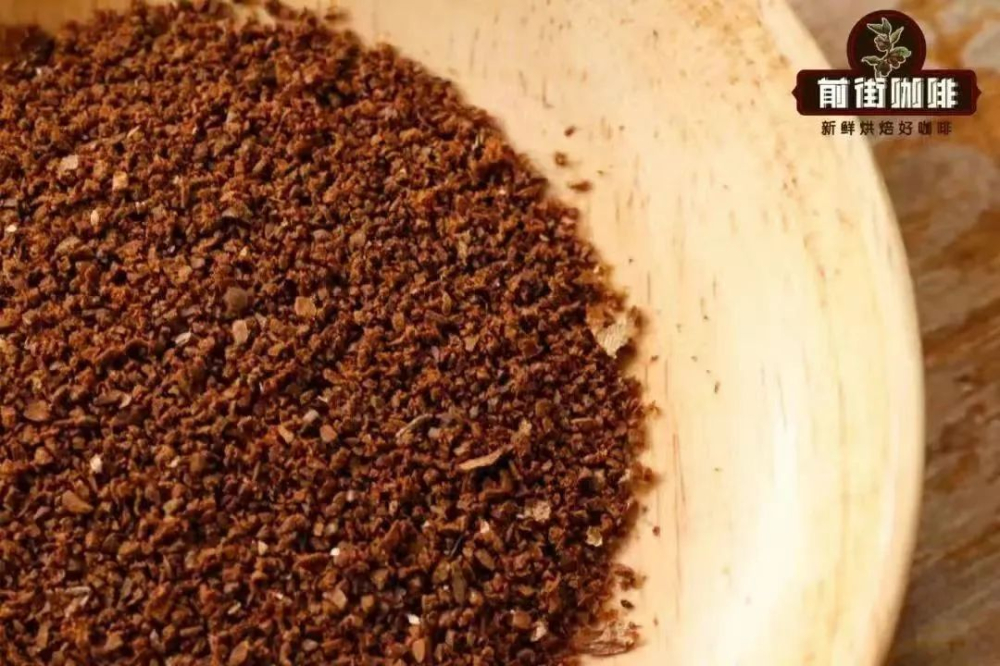
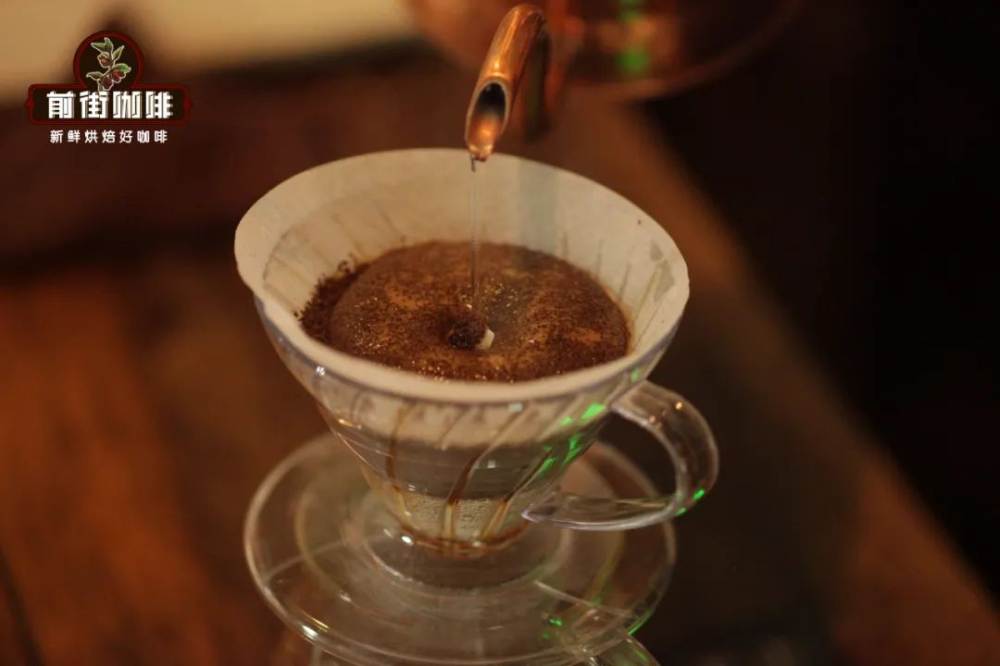
Coffee-to-water ratio: 1:15, 15 g beans with 225 ml hot water Water temperature: uniformly 90°C Fine grind is EK43 setting 10, that is, 80% passing rate on a No. 20 sieve, paired with a V60 dripper. Coarse grind is EK43 setting 10.5, that is, 75% passing rate on a No. 20 sieve, paired with a Kono dripper. Brewing technique: three-pour method. Experiment begins Both likewise pour twice the coffee dose in water in the first stage, that is, 30 ml hot water, and bloom for 30 seconds. After the bloom ends, pour 120 ml in the second stage within 20 seconds, then wait for the hot water to drip through. The finely ground Bird of Paradise was about to bottom out at 1 minute 17 seconds, while the coarsely ground Bird of Paradise was almost bottoming out only at 1 minute 25 seconds.
Front Street Coffee (FrontStreet Coffee)
No. 10, Baoqian Street, Yandun Road, Dongshankou, Yuexiu District, Guangzhou, Guangdong Province
The above content is compiled by CoffeeHunters, a coffee news website.


