







Search Results for: even extraction
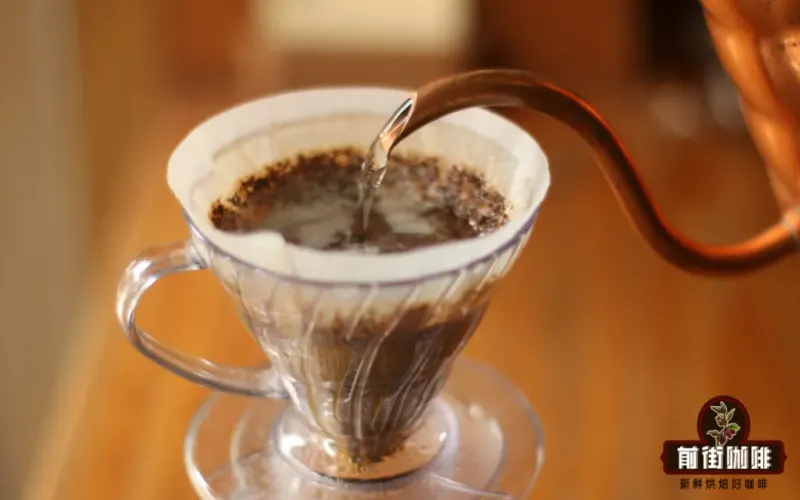
A Complete Guide to Pour-Over Coffee Water Pouring Techniques: The Key to Even Extraction and the Real Impact of Flow Rate on Flavor
Many people believe that as long as they buy good-quality coffee beans, it will not taste bad no matter how they brew it, but this is not the case. Pouring water itself is an extremely critical extraction variable; it determines whether the coffee grounds can be extracted evenly and also directly affects the flavor performance in the final cup. Just as a chef constantly tosses food in the wok to heat it evenly when cooking, the pouring motion in pour-over brewing also requires different flow rates and strength at different stages to regulate the process. Starting from the fundamental purpose of pouring water, this article will explain why pour-over coffee requires attention to the pouring method, and specifically analyze the difference between a strong flow and a gentle flow, helping you understand how to achieve even extraction through flow control while avoiding the extraction of unpleasant substances. [more…]
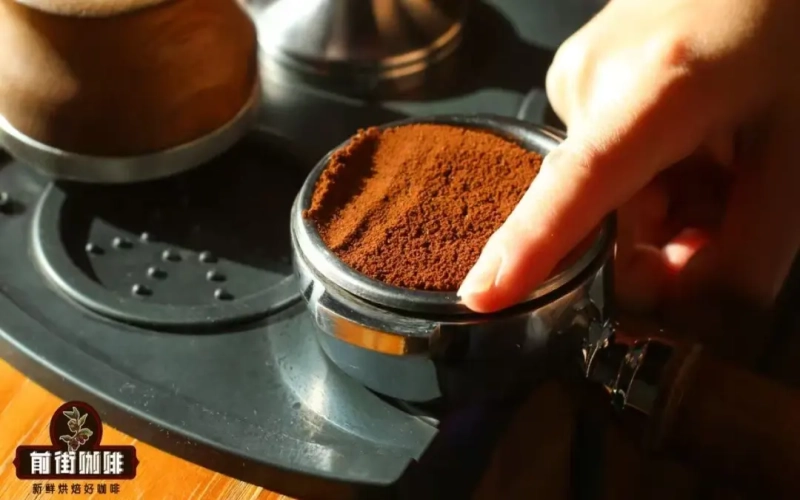
Are a distribution tool and WDT needle tool really worth buying? Looking at espresso stability through extraction evenness
Many friends who have just gotten their hands on an espresso machine struggle with this question: besides a tamper, are a distribution tool and WDT needle tool really necessary? Front Street Coffee has received similar questions before. To answer this, Front Street ran a comparative experiment: using traditional manual distribution versus辅助 tools to each extract three shots of espresso, comparing them by taste and mouthfeel. The experiment used the ever-popular Front Street Espresso Blend Strawberry Candy · Espresso from the Front Street bean lineup, with parameters of 20g dose yielding 40ml. The results showed that the difference between the two was not obvious, but this does not mean the辅助 tools are meaningless. Their real value lies in helping baristas consistently make good coffee, rather than simply improving flavor. This article will start from the causes of channeling, explain the importance of even distribution, and offer advice on whether these tools are worth buying. [more…]
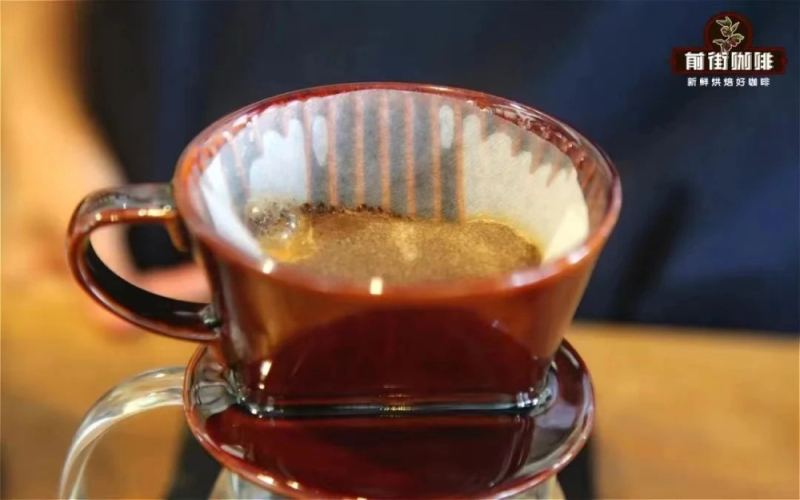
A Detailed Guide to Cake Dripper Brewing Techniques: Extraction Characteristics and Key Points for Using Flat-Bottom Pour-Over Drippers
In the world of pour-over coffee, even extraction has always been the core goal pursued by brewers. Whether choosing equipment or adjusting technique, everything ultimately revolves around giving each coffee particle a relatively consistent extraction. Front Street Coffee has discussed many times why conical drippers have become mainstream, and one key factor is the uniformity of pouring. Today, however, we introduce the cake dripper, a representative of flat-bottom drippers, which has a unique design logic for even extraction. What exactly are its differences from conical drippers? How do the bottom structure and rib design affect water flow? What usage characteristics does the way cake filters fit bring? This article, from Front Street's perspective, systematically analyzes the brewing characteristics of the cake dripper to help coffee enthusiasts gain a deeper understanding of this device's pros, cons, and suitable scenarios. [more…]
Is It Feasible to Mix Ingredients into the Espresso Puck for Extraction? Looking at the Key to Even Espresso Extraction Through the Lens of Channeling
In coffee-making, some people wonder: since soaking and stirring are a hassle, why not add ingredients directly into the extraction process and let the hot water bring out the flavors along with it. For most brewing methods, this can indeed simplify the process and blend the flavors, but Front Street Coffee explicitly does not recommend using it for espresso. The reason is that espresso extraction relies on about 9 bar of pressure, with a 58mm puck bearing roughly 240 kilograms of force, making extraction extremely efficient and extremely sensitive. Once the puck's structure is disrupted by foreign objects, hot water will preferentially flow along the path of least resistance, forming channeling, which causes some coffee grounds to be over-extracted and others under-extracted, resulting in an imbalanced flavor. This article starts from the principles of pressure extraction and the relationship between Fick's law and grind size, and combines experiments and cases such as adding sugar and adding butter to explain why espresso should not be mixed with other materials, as well as safer ways to add flavor when desired. [more…]
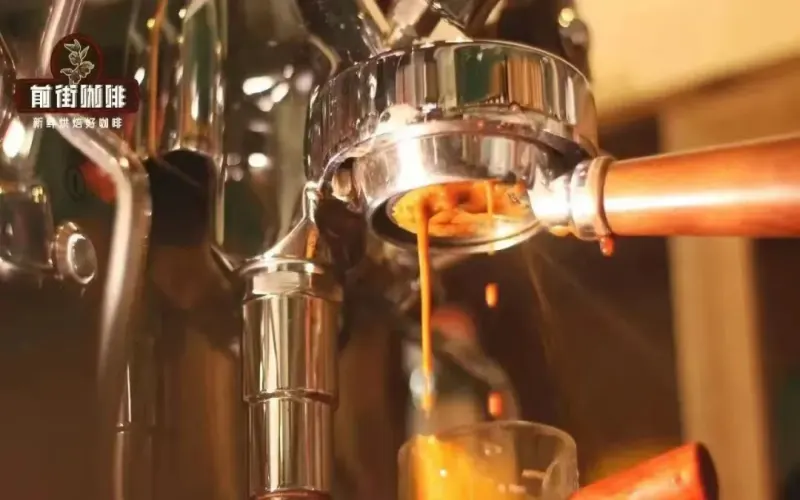
Espresso Coffee Distribution and Tamping Techniques Explained: How Much Tamping Pressure Is Right? Sharing Even Distribution and Tamping Methods
In the process of making espresso, distributing and tamping the coffee grounds are key steps to ensuring extraction stability. Many beginners often wonder: how much force is actually needed to tamp the coffee grounds? Does the amount of force really affect extraction time? In this article, Front Street Coffee will combine experimental data to deeply analyze the actual impact of tamping force on extraction, and share a practical set of techniques for even distribution and proper tamping to help you reduce channeling and make every cup of espresso extract more evenly and stably. Whether you are a beginner or an advanced enthusiast, you can find key points to improve your skills. [more…]
A Complete Guide to the Coffee Bloom in Pour-Over Brewing: How Time, Water Volume, and Technique Affect Extraction Evenness
Blooming is a key step in pour-over coffee brewing that cannot be overlooked, as it directly affects whether the subsequent hot water can evenly pass through the coffee bed. This article provides a detailed analysis of the difference between blooming and pre-infusion, explains the dual purpose of blooming—releasing carbon dioxide and forming an even filter layer—and offers specific recommendations for the amount of blooming water, typically 1 to 2 times the weight of the coffee grounds, along with the reason for keeping the water temperature between 85 and 92 degrees Celsius. At the same time, the article also explains the blooming pouring technique from three dimensions—small amount, even, and gentle—and points out the differences in water absorption among beans of different roast levels. Front Street Coffee reminds us that only sufficient and proper blooming can lay the foundation for subsequent even extraction, making the flavor of a cup of pour-over coffee more pleasant. [more…]
A Complete Guide to Espresso Distribution and Tamping Techniques: Causes of Channeling and the Path to Even Extraction
To make a proper espresso, tamping and distributing the grounds is an unavoidable key step. Tamp too hard, and water struggles to penetrate the puck, so a thirty-milliliter shot may take forever to finish dripping, and the flavor will naturally be disappointing; tamp too loose, and the high-pressure hot water will wash away the layer of grounds, leaving small perforations and causing uneven extraction just the same. This article explains the difference between light and heavy tamping, the technique and key points of the rotating tamp, and the principles behind how channeling occurs, helping coffee enthusiasts understand how to make the puck density consistent and the surface level, so that hot water passes through evenly and fully extracts the aromatic compounds. The article also specifically draws on the practical experience of Front Street Coffee to provide beginners with actionable tamping advice. [more…]
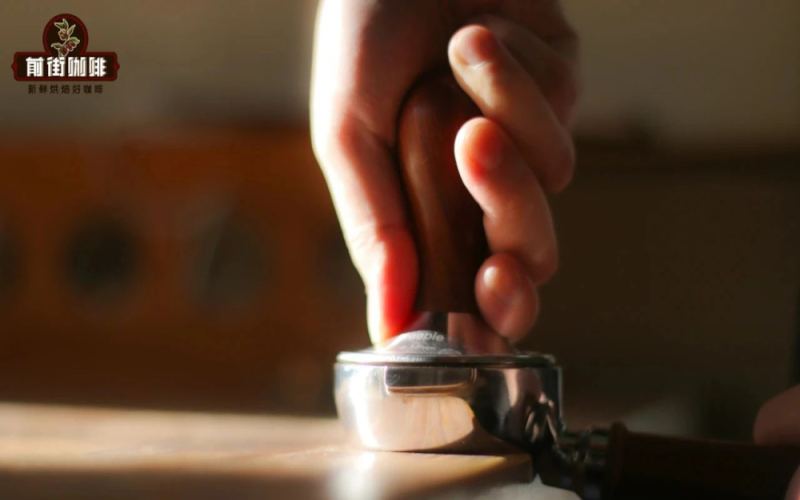
Espresso Tamping Techniques Explained: Pressure Control, Distribution vs. Tamping, and Impact on Extraction Stability
In the process of making espresso, tamping is one of the key steps that determines the success or failure of extraction. Tamping too lightly will cause the flow rate to be too fast and the flavor to be weak; tamping too heavily may make the coffee bitter and hard to swallow. In this article, Front Street Coffee will systematically explain the true purpose of tamping, the difference between distribution and tamping, the correct way to use a tamper, and the actual impact of tamping force on the extraction result. Through comparative experiments, we will guide you to understand the significant differences in flow rate and flavor between espresso extracted without tamping and with tamping, helping coffee lovers master more stable and more professional barista techniques. [more…]
Complete Iced Drip Coffee Making Tutorial: Practical Points from Extraction Parameters to Refrigerated Storage
Cold brew coffee was originally invented to make coffee last longer. Extracting with cold water does not draw out large amounts of coffee oils the way hot water does, so if stored properly in the refrigerator, it can keep for a month without any problem. After three days of aging, the flavor becomes even mellower. However, cold water extraction takes a very long time—common methods can even require dripping for more than 24 hours—and the caffeine concentration is relatively high. In fact, when making it at home, using room-temperature water instead of ice water works just as well and can shorten the time. This article will explain in detail the complete cold brew process, including sterilizing equipment, choosing grind size, the coffee-to-water ratio, controlling drip speed, and how to prevent refrigerator odors from affecting the coffee's flavor, helping you make a rich and aromatic cup of cold brew coffee. [more…]
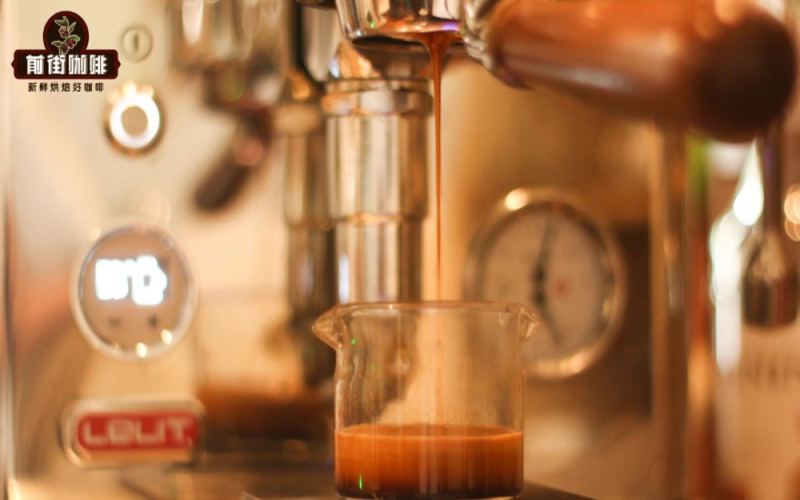
A Complete Guide to Espresso Tamping Techniques: Key Points on Pressure, Angle, and Extraction Evenness
Making an ideal espresso is something where the step of tamping is often overlooked by beginners, yet it directly affects whether the extraction is even. This article starts from Front Street Coffee's hands-on comparison, first using two sets of experiments—one with tamping and one without—to intuitively show the impact of tamping on flow rate and flavor, then explains the respective roles of distribution and tamping, focusing on breaking down the coordination of force, angle, and stance during tamping, and provides two practical solutions to the problem of uneven tamping. At the end, it includes the espresso extraction parameters of Front Street Coffee's store, as well as an introduction to the flavor and recipe of Front Street Sunflower Warm Sun espresso blend coffee beans, for coffee enthusiasts to reference and practice. [more…]
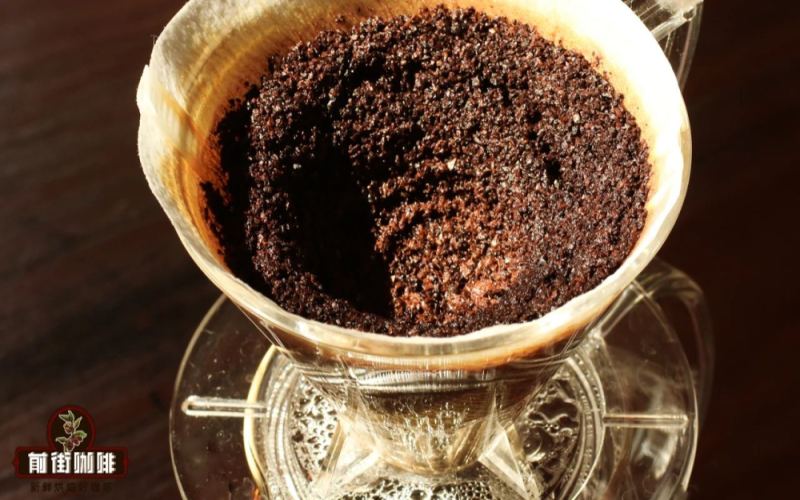
A Detailed Guide to the Key Steps of Distribution and Tamping in Espresso Extraction: How to Make a Complete Puck
When extracting espresso, many coffee enthusiasts strive to knock out a complete puck. Although whether the puck is complete does not directly determine the flavor of the coffee, it can indirectly reflect whether the extraction process is standardized. The formation of the puck is closely related to operations such as distribution and tamping, and these steps are precisely the key to affecting coffee quality. Based on the practical experience of Front Street Coffee, this article explains in detail how to reduce channeling by choosing an appropriate dose, distributing the grounds evenly, and tamping correctly, ultimately obtaining a complete puck and thereby increasing the chances of making delicious coffee. [more…]
The Correct Way to Distribute and Tamp Espresso: How to Avoid Channeling and Improve Extraction Evenness
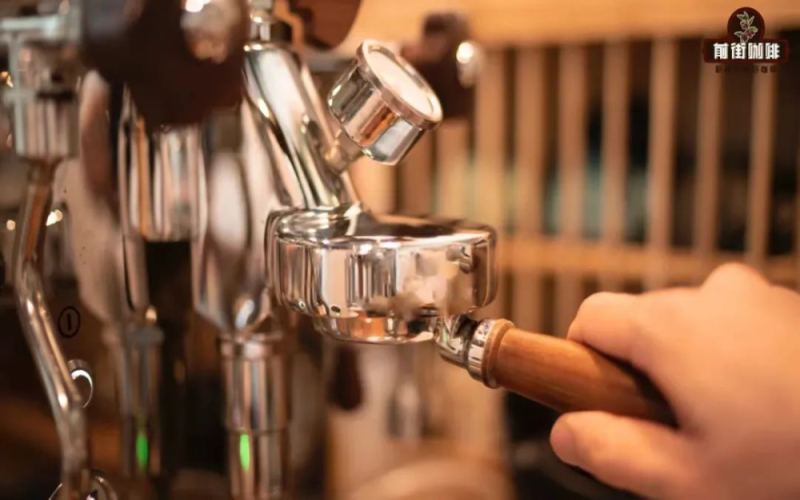
Making a proper espresso involves two seemingly simple steps—distribution and tamping—that actually hide many easily overlooked details. If the coffee grounds in the portafilter basket are unevenly distributed, or if the tamping method is improper, hot water will form channeling during extraction, causing some grounds to be over-extracted and others under-extracted, resulting in a final taste that is both sour and bitter. This article, from the perspective of Front Street, explains the respective roles of distribution and tamping, the principle behind channeling, and practical key points such as dosing, distribution needles, dosing cups, and tamping posture, to help coffee lovers make delicious espresso more consistently. [more…]
How Much Tamping Pressure Is Right for an Espresso Machine? Breaking Down the 9-Bar Extraction Pressure Principle and the Necessity of Tamping
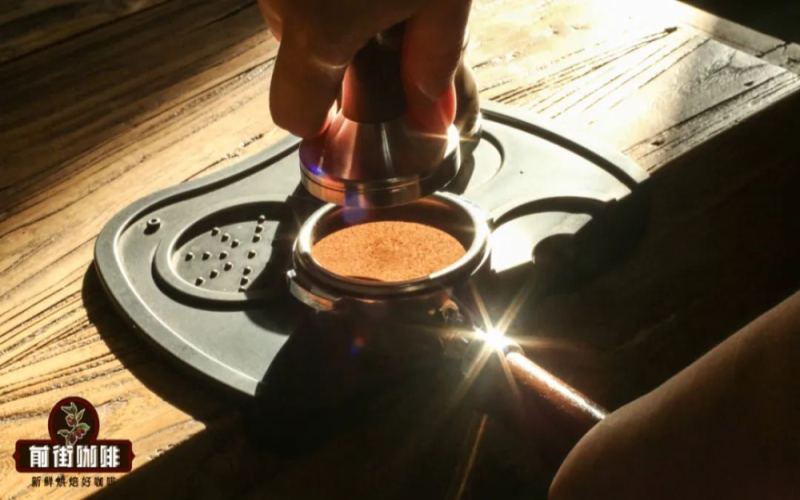
The distribution and tamping steps before espresso extraction have always been a focal point of discussion among enthusiasts. Whether the coffee grounds are evenly distributed in the portafilter basket and whether consistent force is applied during tamping will directly affect the final flavor. But exactly how much force should be used for tamping? Do light tamping, heavy tamping, or even no tamping at all really make a significant difference in extraction time and taste? Through practical testing and comparison, combined with the physical conversion of the 9-bar extraction pressure of an espresso machine, this article reveals the true relationship between tamping force and extraction results, and explains why, even under high-pressure extraction, the step of tamping is still indispensable. In this article, Front Street classic blend coffee beans are used for testing, making it suitable for coffee enthusiasts who want to gain a deeper understanding of the principles of espresso extraction. [more…]
Practical Guide to Espresso Distribution and Tamping: Extraction Details to Avoid Channeling
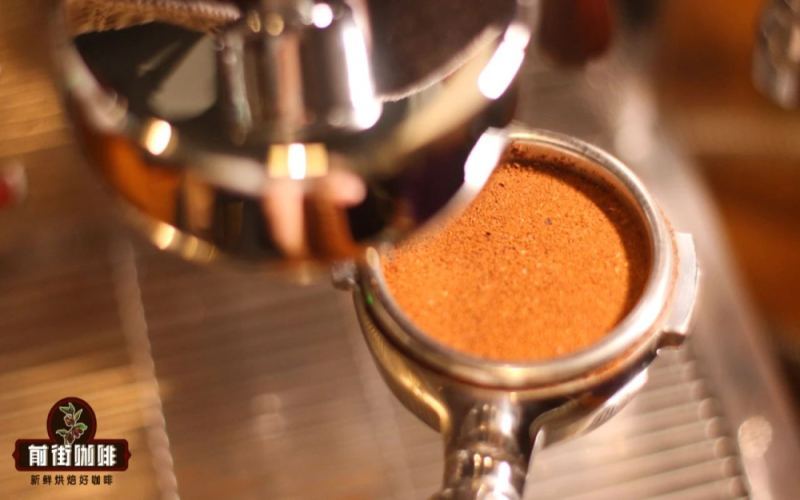
To craft a proper espresso, distribution and tamping are two essential steps you can't avoid. Many coffee enthusiasts encounter problems during extraction such as sharp acidity, bitterness, and muddled layers—the root cause often lies in the evenness of the coffee puck's distribution. From the perspective of Front Street, this article systematically sorts out the purpose of distribution, common misconceptions, and improvement methods, and further explains the correct tamping posture and practice points. Whether you're a beginner who just got an espresso machine or a professional looking to improve shot consistency, you'll find actionable operational ideas to make every espresso extraction more controllable. [more…]
A Detailed Guide to Espresso Puck Preparation Techniques: How to Avoid Channeling and Master Extraction Time and Even Distribution
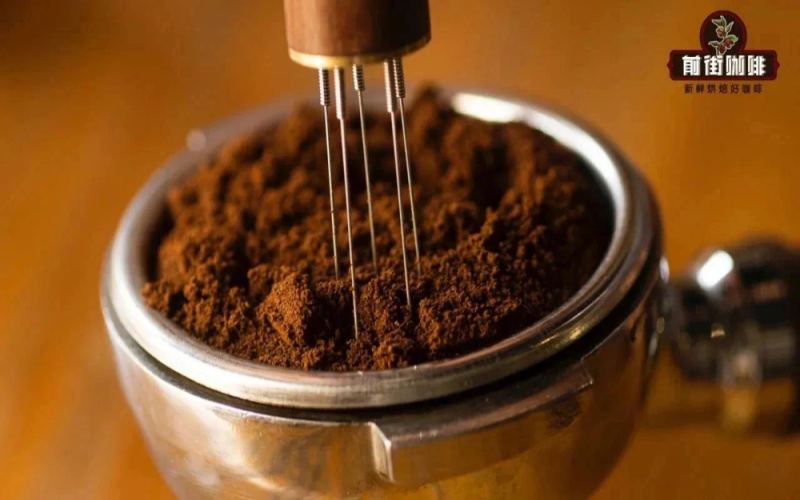
Distributing the coffee grounds is a crucial step in making espresso, directly affecting the extraction and flavor performance of the coffee. This article, from the perspective of Front Street, systematically explains the purpose of distribution, common misconceptions, and correct operating methods. By understanding the flow characteristics of water through the coffee puck and mastering techniques to avoid channeling, it helps coffee enthusiasts improve extraction uniformity and craft a balanced-tasting espresso. [more…]
Why Does Espresso Distribution Determine Success or Failure? A Key Analysis of Even Distribution and Tamping Techniques
In the process of making espresso, distributing the coffee grounds is a seemingly simple yet crucial step. Whether the coffee grounds are evenly distributed within the portafilter basket directly determines whether channeling can be avoided during extraction, which in turn affects the final flavor of the coffee. Today, Front Street Coffee will take an in-depth look at the core purpose of distribution, common misconceptions, and the correct operating techniques, including details such as whether the portafilter basket needs to be tapped. By understanding the principle of water flow inertia and the potential channels at the edges of the puck, you will learn how to use gentle finger sweeps and side taps to get the coffee grounds into their proper places, thereby improving the even extraction and mouthfeel of your espresso. [more…]
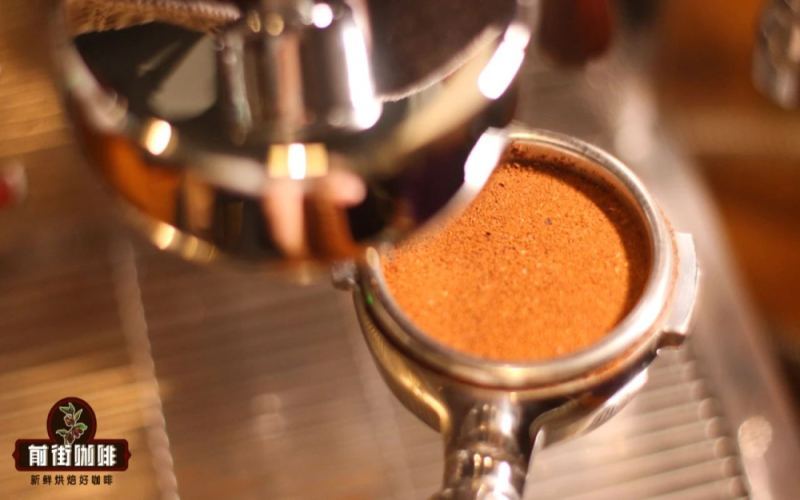
How to Make Espresso? A Detailed Explanation of the Extraction Steps, Three Layers, and Key Details
Espresso has always held a key position in café offerings, and as its soul, espresso is a core skill that every barista must master. What exactly is espresso? How should a qualified shot of espresso be extracted? Front Street Coffee will draw on practical experience, starting from the definition of espresso and its three layers, gradually breaking down the complete process of cleaning the portafilter basket, grinding and dosing, distributing the grounds, tamping, locking in the portafilter and extracting, and finally cleaning—while highlighting two key details: even distribution of grounds and recording parameters—to help coffee lovers consistently recreate their ideal espresso at home. [more…]
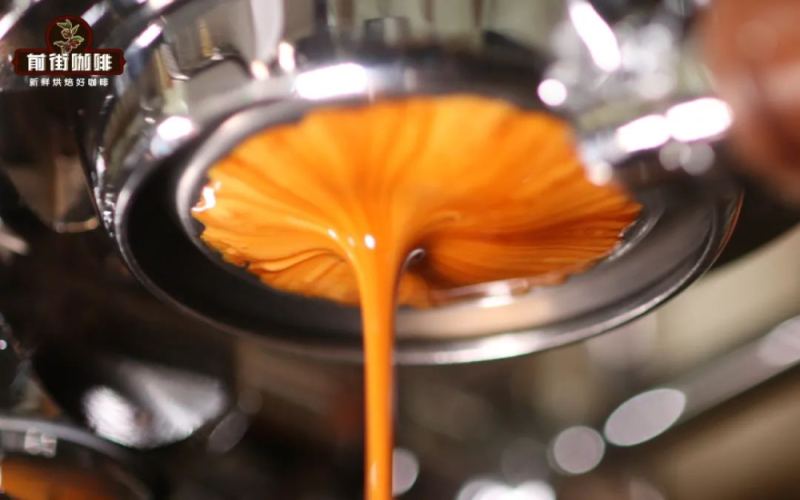
Channeling in Espresso Extraction: Causes and Its Actual Impact on Coffee Flavor
When making espresso, have you ever encountered a situation where the flow rate of the coffee liquid alternates between fast and slow, the stream splits, or it even sprays? This is very likely the work of "channeling." Channeling refers to water in the coffee puck bypassing dense areas and quickly passing through paths of lower resistance, creating an imbalanced state in which localized over-extraction and under-extraction coexist. This article will start with the normal extraction performance of a bottomless portafilter, explain in detail the causes of channeling, its specific effects on espresso flavor and quality, and share how to reduce this problem by adjusting operations such as distribution and tamping. At the same time, the article will also mention Front Street Coffee's recommendations for related equipment and bean selections, helping coffee enthusiasts understand and address channeling more intuitively. [more…]
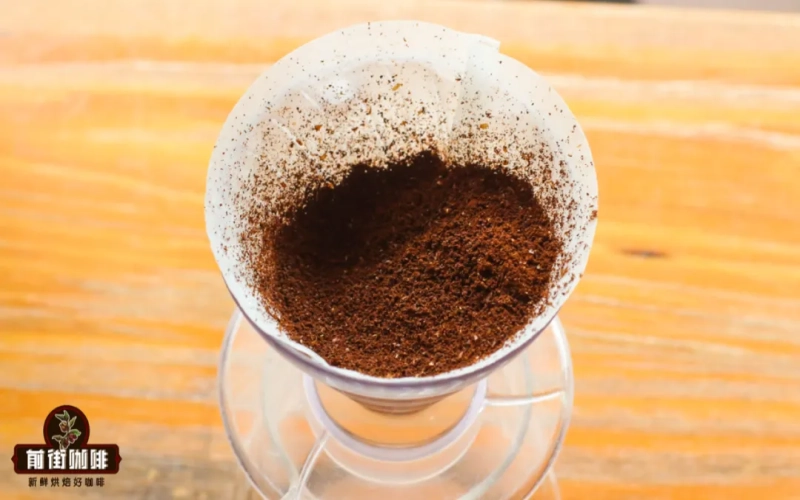
The art of leveling the coffee bed in pour-over brewing: How the Brazil nut effect causes uneven blooming and over-extraction
Many coffee enthusiasts are in the habit of tapping the dripper during pour-over to level the coffee bed, believing this promotes more even extraction. But you may not know that frequent or forceful tapping can actually trigger the "Brazil nut effect," causing fine particles to sink to the bottom and coarse particles to float up, leading to two negative outcomes: first, during blooming, hot water struggles to evenly saturate all the coffee grounds, and the fine particles at the bottom stay dry, resulting in under-extraction; second, the fine particles clog the pores of the filter paper, prolonging the extraction time and causing over-extraction. Through repeated testing, Front Street Coffee has found that when using a conical dripper and denser coffee grounds, digging into the bed after multiple taps often reveals dry clumps at the bottom. So how should an uneven coffee bed be handled? And what should you watch out for when tapping? This article will break it down for you in detail. [more…]

How to Quickly Calibrate Espresso on Rainy Days? Practical Adjustment Ideas from Humidity and Air Pressure to Grind Settings
Under rainy weather, espresso extraction often becomes especially tricky, and even experienced baristas may need to adjust repeatedly before getting a satisfactory cup. The root of the problem is not simply under-extraction or over-extraction, but uneven extraction caused by the combined effects of high humidity and low air pressure. Starting from Front Street's hands-on experience, this article first analyzes the two major reasons why espresso is difficult to dial in on rainy days—a surge in environmental humidity causes coffee grounds to absorb moisture and clump, while lower air pressure weakens extraction efficiency—and then provides specific response strategies, including dehumidification and moisture prevention, sealed storage, and compensating for the amount of dissolved flavor substances by extending extraction time or making the grind finer. The article also includes a parameter comparison of Front Street's classic blend under normal weather and rainy days for readers to refer to when adjusting. [more…]