







How Do You Make Espresso With a Coffee Machine at Home?
Espresso is coffee extracted quickly under high pressure, traditionally about one ounce per single shot, and it forms three layers: crema, body, and core. Making it means cleaning the basket, grinding and dosing, distributing the grounds evenly, tamping level, locking in the portafilter, extracting, then cleaning the machine again.
The crema appears because hot water at roughly 9 bar dissolves carbon dioxide from the fine grounds and carries coffee oils out of the puck. When pressure returns to normal, the oils trap the escaping gas as a surface layer. Recording dose, yield, and time for each shot helps repeat a consistent result.
Espresso always occupies a key position in café offerings, and as its soul, espresso is a core skill that every barista must master. What exactly is espresso? How should a qualified shot of espresso be extracted? Front Street Coffee will combine practical experience, starting from the definition of espresso and its three layers, to gradually break down the complete process of cleaning the portafilter basket, grinding and dosing, distributing the grounds, tamping, locking in the portafilter and extracting, and finally cleaning—highlighting two key details: even distribution of grounds and recording parameters, to help coffee lovers consistently replicate their ideal espresso at home.
Introduction
Espresso always occupies an important position in café offerings, and its core is precisely the espresso extracted through a coffee machine. Extracting espresso is therefore regarded as a key skill for baristas. So what exactly is espresso? And how do we obtain a qualified shot of espresso? Today, Front Street Coffee will share some insights about espresso.
What is espresso?
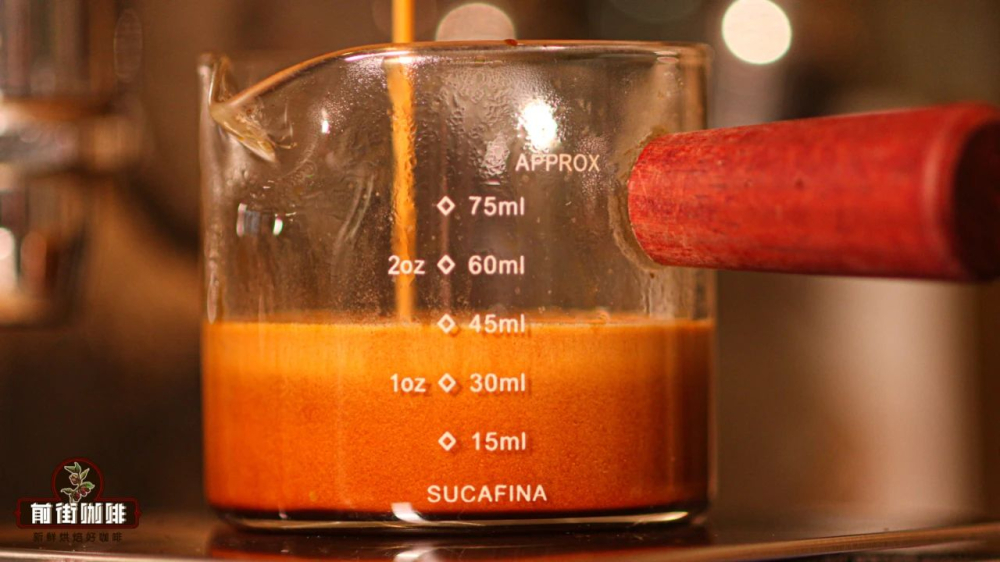
Espresso, or "espresso," originates from Italy and is a coffee rapidly extracted under high pressure. A traditional single shot has a volume of about one ounce. It consists of three layers: the crema, the body, and the core.
What is the crema in espresso? When a coffee machine extracts espresso, the coffee beans are ground extremely fine and extracted under pressure as high as 9 bar. When hot water passes through the coffee puck, the carbon dioxide in the coffee grounds, due to the excessive pressure, causes the water to become supersaturated with carbon dioxide. The carbon dioxide cannot be released and dissolves directly into the coffee liquid. At the same time, the high pressure also forces the oils in the coffee to separate from the puck and be carried out along with the hot water.
After extraction ends, the coffee liquid flows out of the coffee machine, atmospheric pressure returns to normal, and the carbon dioxide still remaining in the coffee liquid prepares to return to the air, but encounters the oils in the coffee liquid. The oils wrap around the carbon dioxide that is about to escape, and this layer of oils is thus created.
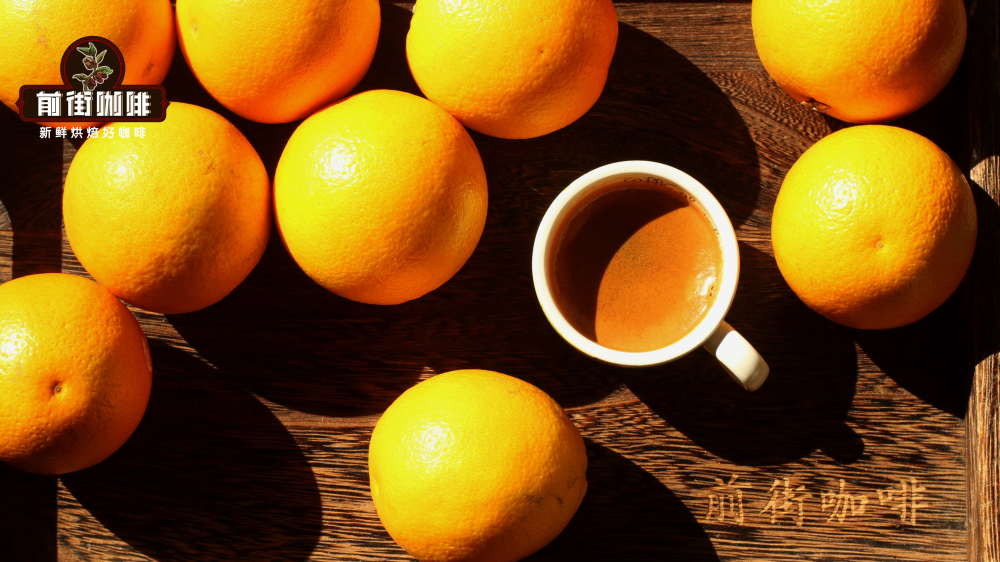
This layer of crema is precisely where the charm of espresso lies. Back to the point—how should we extract espresso?
Steps for Extracting Espresso
Step 1: Clean the Portafilter Basket
Before extracting espresso, first remove the portafilter and clean the coffee basket with a dedicated cloth, ensuring the basket is clean and free of water stains.
Step 2: Grind the Coffee and Dose
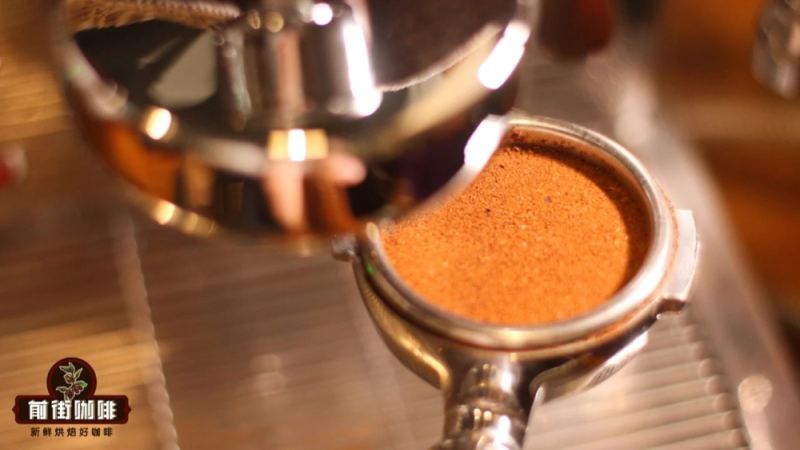
Turn on the grinder switch and begin grinding the coffee beans. Before dosing the coffee grounds, place the portafilter on an electronic scale and tare it to zero. After dosing the coffee grounds, place it on the electronic scale again to ensure the weight of coffee grounds is consistent each time. When dosing, pay attention to the position where the coffee grounds fall into the portafilter, ensuring the grounds are evenly distributed across all areas of the portafilter.
Step 3: Distribute the Grounds
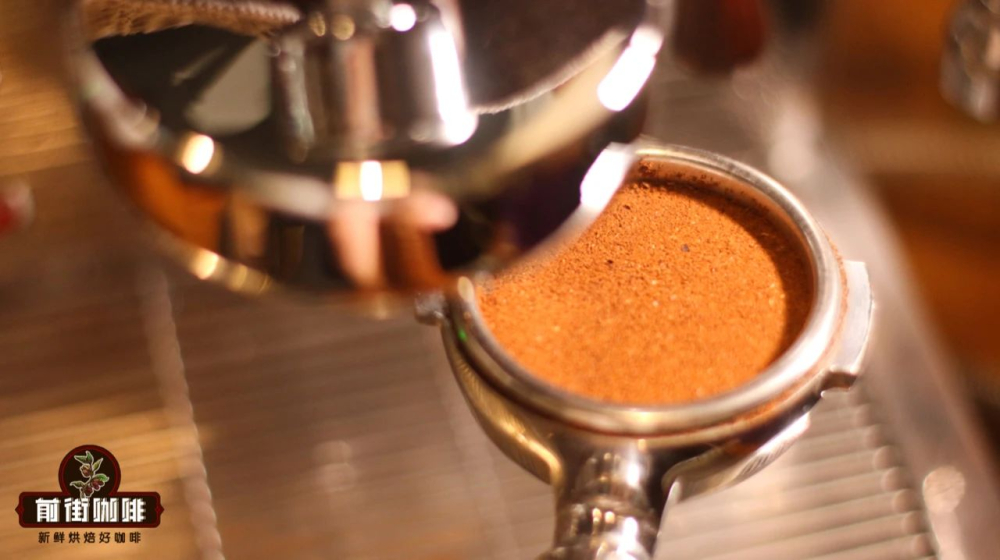
After dosing the coffee grounds, use your fingers or a distribution tool to distribute the grounds, with the aim of spreading the coffee grounds evenly and avoiding areas of inconsistent density during subsequent tamping.
Step 4: Tamp
After distributing the grounds, proceed to tamp. The tamping direction should be perpendicular to the basket, and the force should be moderate—neither too light nor too heavy. Too light will make the coffee puck loose, while too heavy will make the puck too compact and dense, making it difficult for water to pass through the puck, leading to over-extraction.
Step 5: Lock in the Portafilter and Extract Espresso
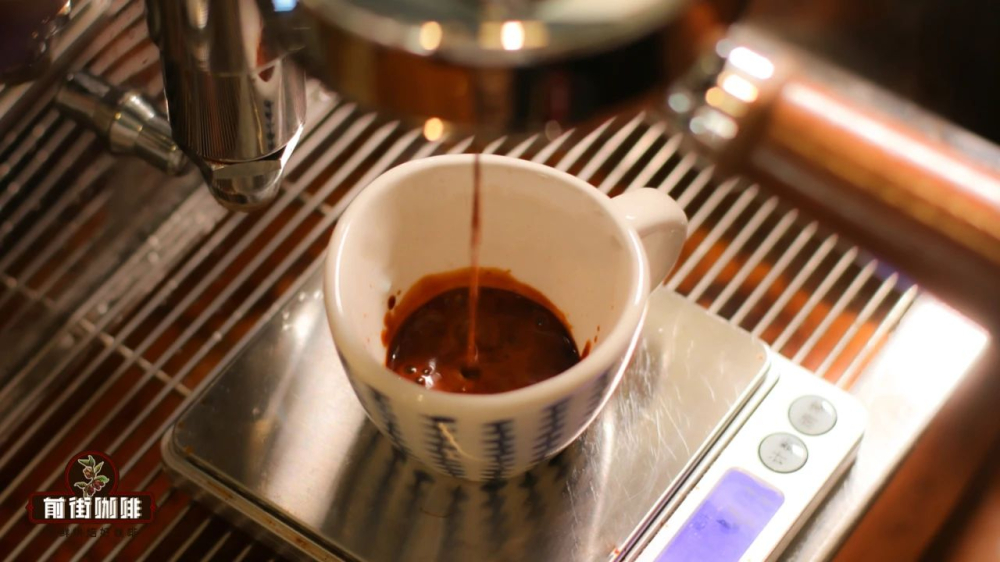
Gently lock the portafilter onto the coffee machine, avoiding knocking the portafilter against the machine, as excess knocking will cause cracks in the coffee puck inside the portafilter, triggering channeling, resulting in under-extraction and uneven extraction. After locking in the portafilter, immediately turn on the extraction switch to begin extracting espresso. At the same time extraction begins, use an electronic scale to weigh the espresso liquid, and constantly monitor the extraction time and the color and state of the coffee liquid.
Step 6: Extraction Complete, Clean the Portafilter Basket
Knock the puck out into the knock box, clean with a dedicated cloth, and finally lock the portafilter back onto the coffee machine.
Key Details to Note
Detail 1: Even Distribution of Grounds
Distributing the grounds is an important part of extracting espresso. Its purpose is to break up clumps and spread the coffee grounds evenly, thereby reducing the chance of channeling during extraction. Whether using your hands or a dedicated distribution tool, try to distribute the coffee grounds as evenly as possible in the basket. This is because if the coffee grounds are unevenly distributed—more in some areas and less in others—after tamping, areas with more grounds have higher density, while areas with fewer grounds have lower density. Water tends to flow through the lower-density areas, which is the cause of channeling and uneven extraction.
Detail 2: Record All Parameters
Espresso parameters include coffee grounds weight, coffee liquid weight, and extraction time. Recording the parameters of each extraction is important and necessary. Extraction parameters can help us maintain consistency and reproducibility in our offerings.
The above content is compiled by CoffeeHunters, a coffee news website.


