







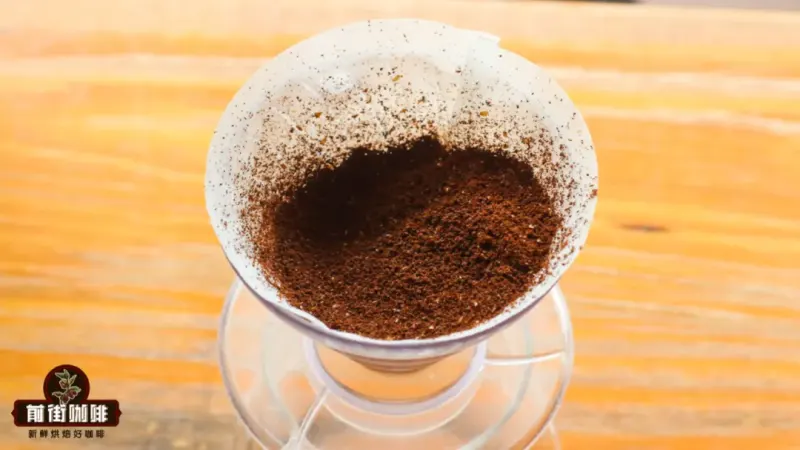
Why do coffee particles shift when the dripper is tapped?
Tapping a dripper to level the coffee bed can trigger the Brazil nut effect: fine coffee particles sink to the bottom while coarse particles rise to the top. The result is twofold. During blooming, hot water struggles to saturate all the grounds evenly, leaving fine particles at the bottom dry and under-extracted. Later, those fines clog the filter paper, extending extraction time and pushing the brew toward over-extraction.
Tests with a conical dripper and dense grounds showed that after repeated taps, digging into the bed often reveals dry clumps at the bottom. Coffee grounds from a grinder are not uniform, and that size difference is what allows the effect to occur. Leveling the bed still helps even extraction, but the number and force of taps matter, so one or two gentle taps are usually enough for hand poured coffee.
Many coffee enthusiasts habitually tap the dripper during pour-over to level the coffee bed, believing this promotes more even extraction. But you may not know that frequent or forceful tapping can actually trigger the "Brazil nut effect," causing fine particles to sink to the bottom and coarse particles to rise to the top, leading to two negative outcomes: first, during blooming, hot water struggles to evenly saturate all the coffee grounds, leaving the fine particles at the bottom dry and causing under-extraction; second, the fine particles clog the filter paper's pores, extending the extraction time and causing over-extraction. Through repeated testing, Front Street Coffee has found that when using a conical dripper and denser coffee grounds, after multiple taps, digging into the coffee bed often reveals dry clumps at the bottom. So, how should you handle an uneven coffee bed? And what should you watch out for when tapping? This article will break it down for you in detail.
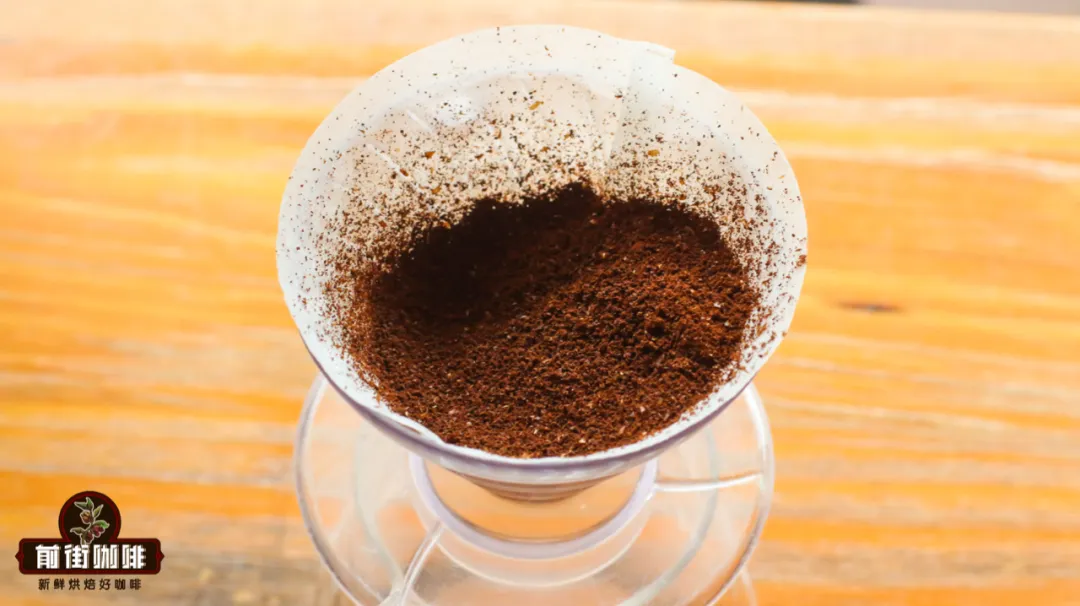
A: Tap it flat B: Pat it flat C: Choose one or two Most people, like Front Street Coffee, would choose to tap the dripper to even out an unevenly distributed coffee bed.
This isn't just for aesthetics—it's also because people believe that leveling the coffee bed leads to more even extraction. And that's indeed true! Compared to an uneven coffee bed, a level one allows hot water to achieve more even extraction, making it easier to brew a delicious cup of coffee.

But! However! There's an art to leveling the coffee bed. If you're not careful, the coffee you brew after leveling the bed might actually taste worse! For example, when you tap very frequently, the "Brazil nut effect" can occur and affect extraction.
The so-called "Brazil nut effect" refers to the phenomenon where, when external force is applied to a container filled with particles of different sizes—through shaking, tapping, or similar actions under normal conditions—larger particles gradually rise to the surface while smaller particles sink to the bottom. Front Street Coffee often shares this effect because it's extremely common in coffee! It applies not only to coffee beans but also to coffee grounds!
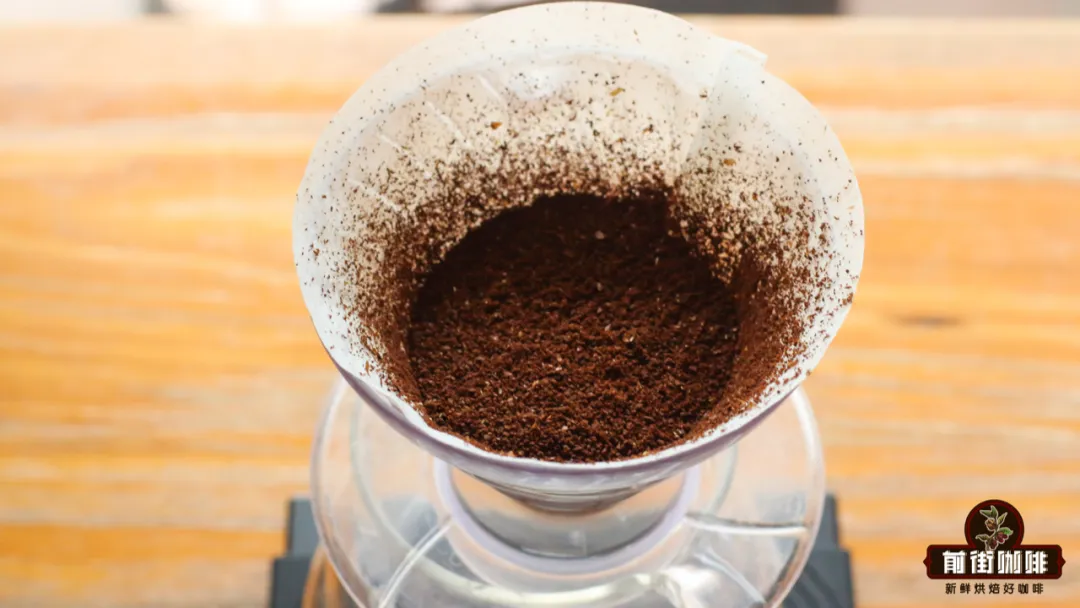
Coffee grounds from a grinder are not uniform in size—there are both large and small particles. When such differences exist, the Brazil nut effect occurs! When we tap the dripper, smaller coffee particles accumulate at the bottom while larger particles concentrate toward the top. This easily leads to two extraction problems: 1. Uneven extraction When smaller coffee particles all accumulate at the bottom, hot water during blooming struggles to evenly wet all the grounds, which affects subsequent extraction.
Because the gaps between small particles are narrower, especially after frequent tapping, the "connections" between particles become tighter, greatly reducing the space for hot water to flow through the coffee grounds. As we all know, water is lazy—it flows where it's easiest. So when the bottom of the coffee bed is densely packed with fine particles, hot water preferentially flows toward areas with larger gaps, like the edges of the dripper. If enough water is poured, this effect can be completely ignored—for example, during the main extraction phase of pour-over, the sufficient water volume means there's no need to worry about channeling like in espresso extraction.
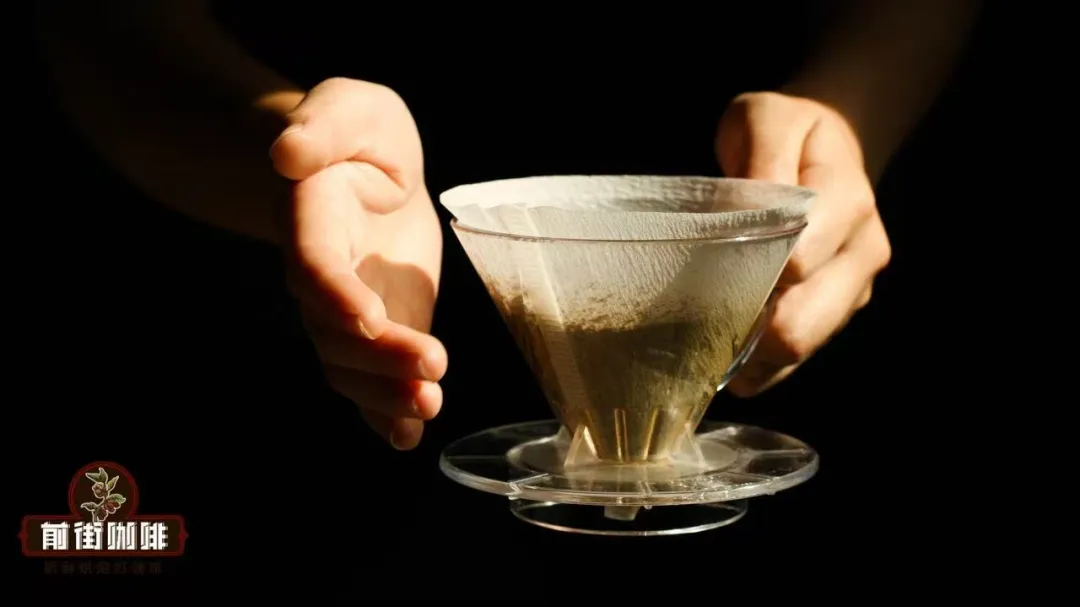
But blooming is different, because we use less water during blooming (generally twice the weight of the coffee grounds) . So when the coffee bed is too compacted, the small amount of hot water struggles to wet all the grounds due to its lazy nature—once the hot water contacts the compacted bed, it runs off to other easier-flowing areas. Front Street Coffee has conducted multiple tests for this and found that when using conical drippers—which allow for a taller coffee bed—along with denser coffee grounds, multiple taps easily lead to hot water failing to wet all the grounds. After the blooming period ends and you dig into the coffee, you can always see some grounds at the bottom still in a dry state.
This means these coffee grounds cannot fully degas during blooming and cannot release sufficient flavor compounds during extraction, making the final cup less delicious! Due to the drop in extraction yield, the flavors are less pronounced and the mouthfeel less full. 2. Over-extraction Secondly, excessive tapping can also easily lead to over-extraction! The reason is simple—as mentioned earlier, the Brazil nut effect causes fine particles to sink, and these fine particles include the coffee's micro-fines. When tapping causes these micro-fines to sink to the bottom, they easily clog the filter paper's pores! The more you tap or the harder you tap, the higher the chance of clogging. Once the filter paper's pores are blocked, the space for water flow is further reduced, which extends the extraction time. And longer extraction time leads to higher extraction efficiency, ultimately making it very easy to brew an over-extracted cup of coffee.
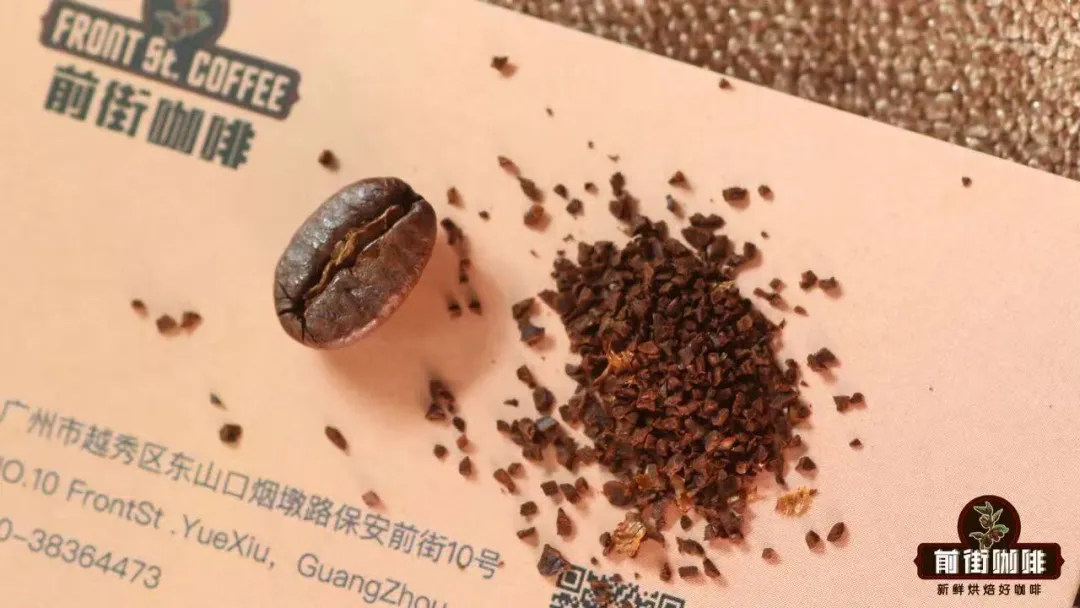
The above are the potential negative outcomes after leveling coffee grounds. Now, Front Street Coffee believes some friends might ask: based on all this, when we encounter uneven coffee grounds, can we only level them through other methods rather than tapping?
Of course not! You can still tap—just make sure not to tap too many times or too forcefully, so that not too many coffee grounds migrate, and naturally these negative situations won't occur. We can certainly choose other methods to level the bed too, but the principle is the same—just don't go overboard~ - END -
The above content is compiled by CoffeeHunters, a coffee news website.


