







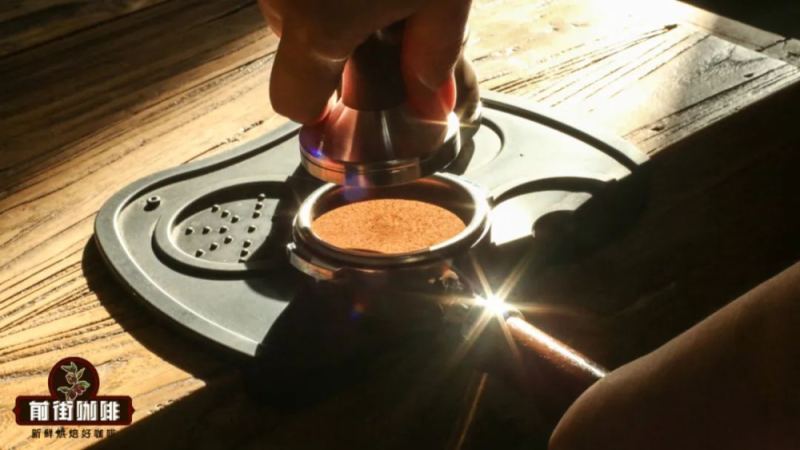
How much tamping pressure does an espresso machine need?
Tamping pressure matters far less than most baristas assume. Tests using the same dose of coffee show that light tamping, firm tamping, and even no tamping at all produce similar extraction times and flavors, as long as the coffee particles are evenly distributed in the portafilter basket. The 9-bar extraction pressure of an espresso machine is what actually drives water through the puck, and it is far stronger than any hand tamp.
The practical takeaway is to level the grounds first, then tamp with moderate, consistent force. Distribution, not force, decides whether water flows evenly and whether the shot tastes balanced or uneven. Because machine pressure overrides hand pressure, the tamping step mainly shapes the puck so water does not channel. That is also why the technique applies whether someone is learning how to use an american coffee machine or pulling shots on a manual lever setup.
Before espresso extraction, the steps of distributing and tamping the coffee grounds have always been a hot topic among enthusiasts. Whether the coffee grounds are evenly distributed in the portafilter basket and whether consistent pressure is applied during tamping will directly affect the final flavor. But how much force should actually be used for tamping? Do light tamping, heavy tamping, or even no tamping at all really make a significant difference to extraction time and taste? This article, through practical comparative tests and combined with the physical conversion of the 9-bar extraction pressure of an espresso machine, reveals the true relationship between tamping force and extraction results, and explains why, even under high-pressure extraction, the tamping step is still indispensable. The test used Front Street Classic Blend coffee beans, making it suitable for coffee enthusiasts who want to gain a deeper understanding of the principles of espresso extraction.
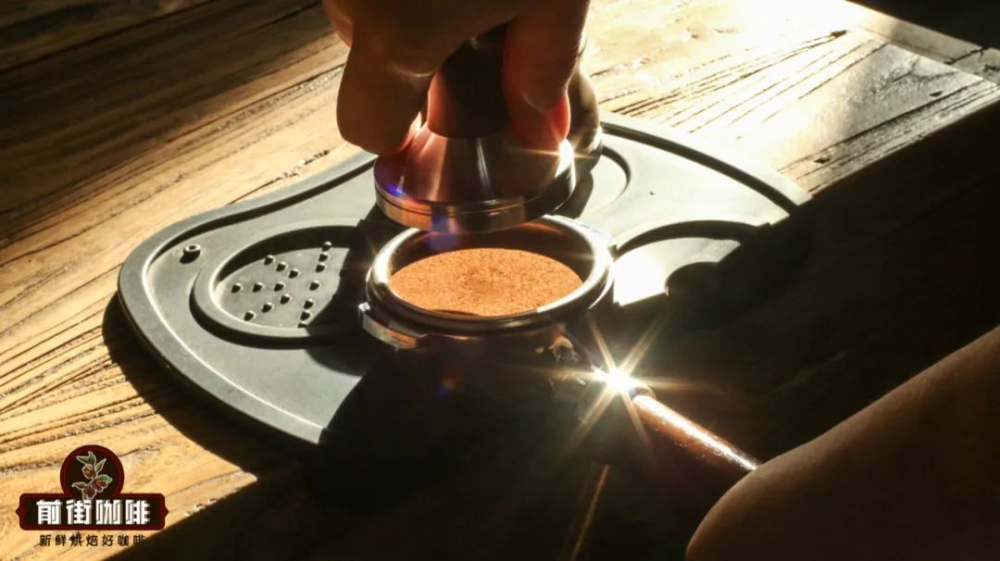
To get more specialty coffee knowledge, you can follow the WeChat public account: Front Street Coffee (FrontStreet Coffee). Front Street once mentioned in the article "The Importance of Distribution and Tamping" that in the preparation stage before espresso extraction, whether the coffee grounds are evenly distributed in the portafilter basket and whether consistent pressure is applied during tamping will both affect the extraction results, and in turn change the flavor of the espresso. However, that article did not cover the specific amount of force required for tamping, so quite a few readers left messages in the background asking Front Street: exactly how much force should be used for tamping? In fact, Front Street had previously published several pieces of test content about tamping force, but because those articles focused more on experimental comparison, many friends may have found them hard to understand thoroughly. So today Front Street will focus on explaining: the effect of the amount of force used when tamping the coffee puck on extraction, and what the coffee machine's 9-bar pressure actually means. Why bring up the coffee machine's pressure? Keep reading and you will understand.
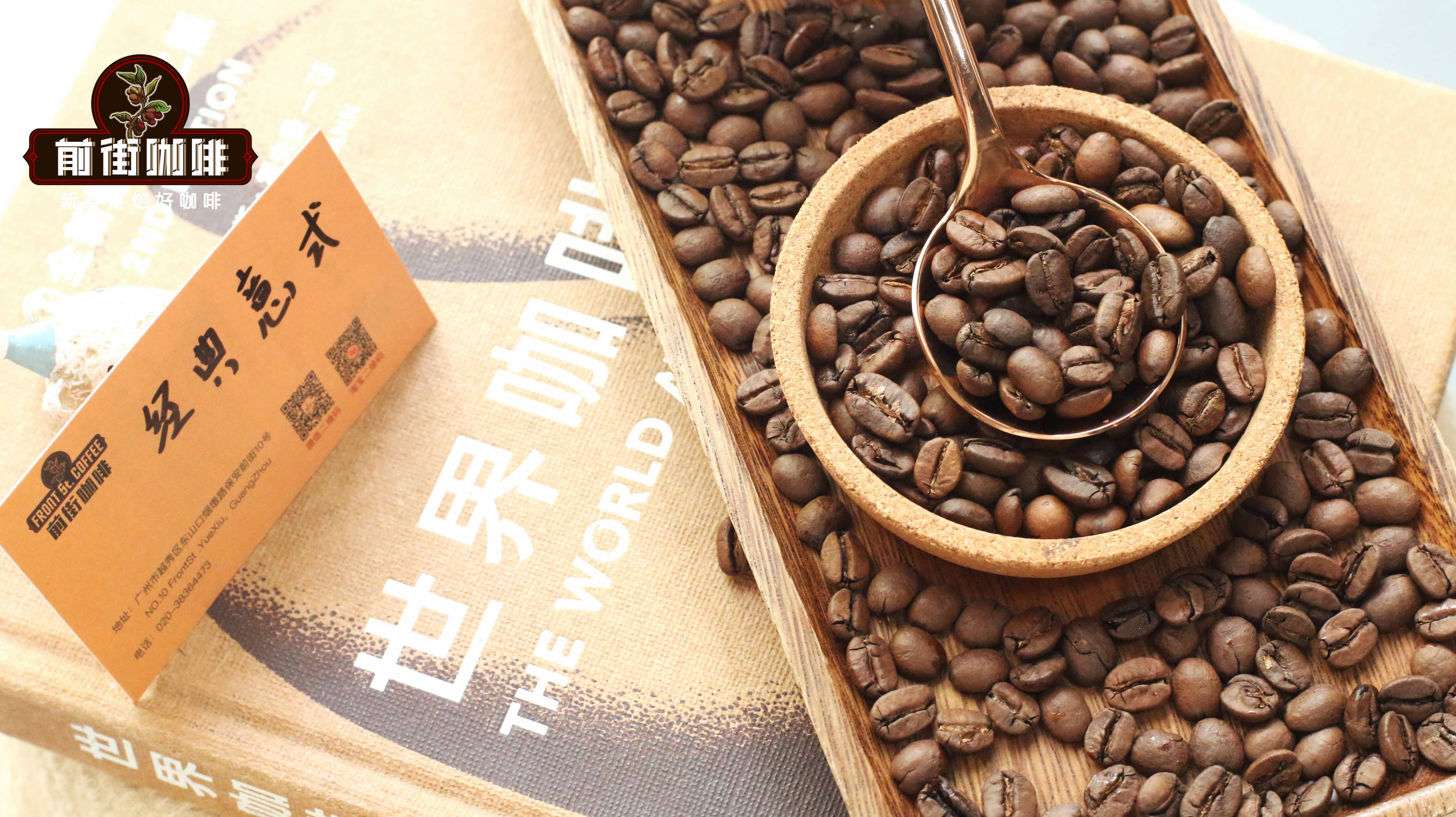
Extraction experiment Let's get straight to the point and see what changes in espresso extraction time and taste occur with the same dose of coffee under different tamping forces. Considering the characteristics of espresso, the experiment used the rich-crema Front Street Classic Blend coffee beans. This blend is composed of beans from three origins: Brazil, Indonesia, and Vietnam. It uses a dark roast, which can highlight the coffee's mellow aroma to the greatest extent and also makes it easy to extract rich, dense crema. Whether made into an Americano diluted with water or a latte paired with milk, it is very suitable, and it can be purchased at the Front Street Taobao store or the Front Street Tmall flagship store.
Step one: the dose was set at 20 g, the target liquid weight was 40 ml, and the tamping forces used were light tamping at 2 kg and heavy tamping at 18 kg. To ensure stable results, Front Street extracted a total of 6 espressos and took the average extraction time. The results were as follows:
Average time for three coffee pucks with 2 kg light tamping: 33 seconds. Average time for three coffee pucks with 18 kg heavy tamping: 34 seconds. In terms of taste performance, there was almost no obvious difference between the two: balanced acidity, sweetness, and bitterness, with prominent flavor. But the experiment did not end there. Front Street additionally extracted two special espressos. What was special about them?

What was special was that these two espressos were not tamped at all after distribution was completed, and were extracted directly. As a result, their extraction time was also 33 seconds. In terms of time, whether lightly tamped, heavily tamped, or not tamped at all, the extraction time did not fluctuate greatly.
This may be somewhat different from what many people believe. Front Street also used to think that the greater the tamping force, the tighter the coffee puck would be pressed, and the extraction time would be prolonged due to increased resistance, thereby improving extraction efficiency. But the fact is not so. The reason is simple: many people overlook how the coffee machine extracts.
Exactly how strong is the coffee machine's extraction pressure? As is well known, espresso machines make coffee quickly in a short time by applying pressure. Usually, during espresso extraction, the coffee machine uses 9 standard atmospheres, which is what is commonly called 9 bar.
Because the number is a single digit, many friends find it hard to understand exactly how strong this force is. To put it simply: 1 bar from the coffee machine applied to the coffee puck in a 58 mm portafilter basket is approximately equal to 27 kg of force, so 9 bar is about 27 × 9 = 243 kg, equivalent to the body weight of 4 adults. You can imagine why the coffee machine can extract coffee substances so quickly. So even if you tamp with all your strength, in the face of pressure as high as 9 bar, it is not worth mentioning. But this leads to another question: why still tamp? If tamping is ineffective, wouldn't it be fine to just distribute the grounds and extract directly?
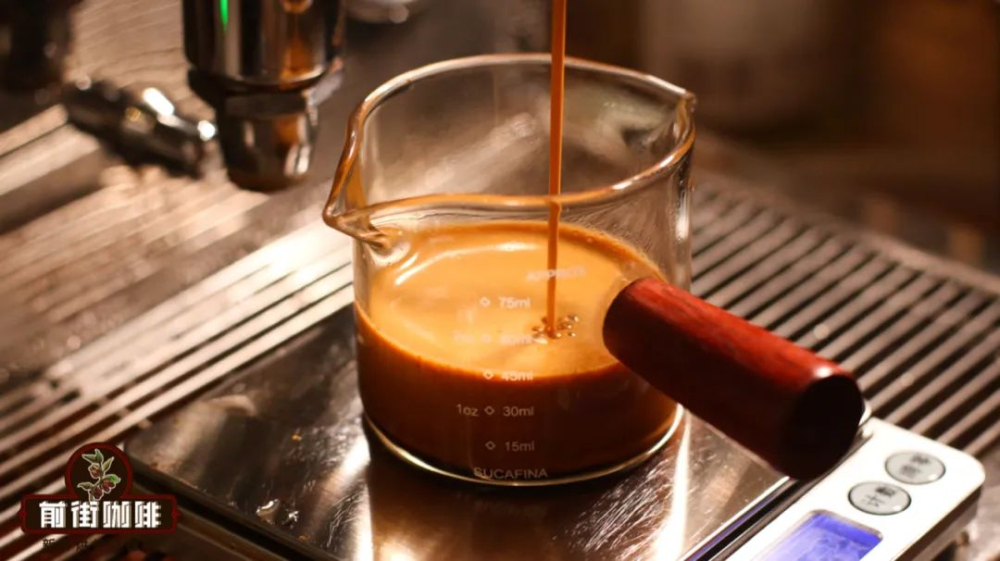
Why tamp? This question is actually very simple, because we need to reduce channeling. As the saying goes, water flows to the low places. Water is inert and will flow to places where it can move easily. The same applies to the extraction process. If you do not tamp, there are many gaps between the coffee particles, and hot water will concentrate through these gaps during extraction, resulting in uneven extraction.
The reason Front Street did not describe the taste in the untamped extraction above is precisely because uneven extraction brought negative performance. Therefore, we need to use appropriate tamping to eliminate gaps as much as possible and make the hot water extraction more uniform. The force does not need to be too great; moderate is enough.
The above content is compiled by CoffeeHunters, a coffee news website.


