







How Does an Espresso Machine Benefit From Distribution Tools?
A distribution tool and a WDT needle tool do not clearly improve espresso flavor, but they help baristas repeat good results. In a comparative test, traditional hand distribution and tool-assisted distribution each produced three shots using 20g of coffee yielding 40ml, with extraction times near 30 seconds. Taste and mouthfeel differences were not significant.
Uneven distribution causes channeling, where water finds paths of least resistance through the puck, so part of the coffee over-extracts and part under-extracts. Tools reduce that variation shot to shot, which matters in a cafe where consistency is the goal. Home users on one coffee machine can decide based on how often their shots vary, not on claims of better flavor.
Many friends who have just gotten their hands on an espresso machine struggle with this question: besides the tamper, are a distribution tool and WDT needle tool really necessary? Front Street Coffee has received similar questions before. To answer this, Front Street conducted a comparative experiment: using the traditional hand-distribution method and auxiliary tools to extract three shots of espresso each, comparing them in terms of taste and mouthfeel. The coffee beans used in the experiment were still the popular Front Street Espresso Blend Strawberry Candy·Espresso from Front Street's bean list, with parameters of 20g dose yielding 40ml. The results showed that the differences between the two were not significant, but this does not mean the auxiliary tools are meaningless. Their true value lies in helping baristas consistently make good coffee, rather than simply enhancing flavor. This article will start from the causes of channeling, analyze the importance of even distribution, and provide advice on whether these tools are worth purchasing.
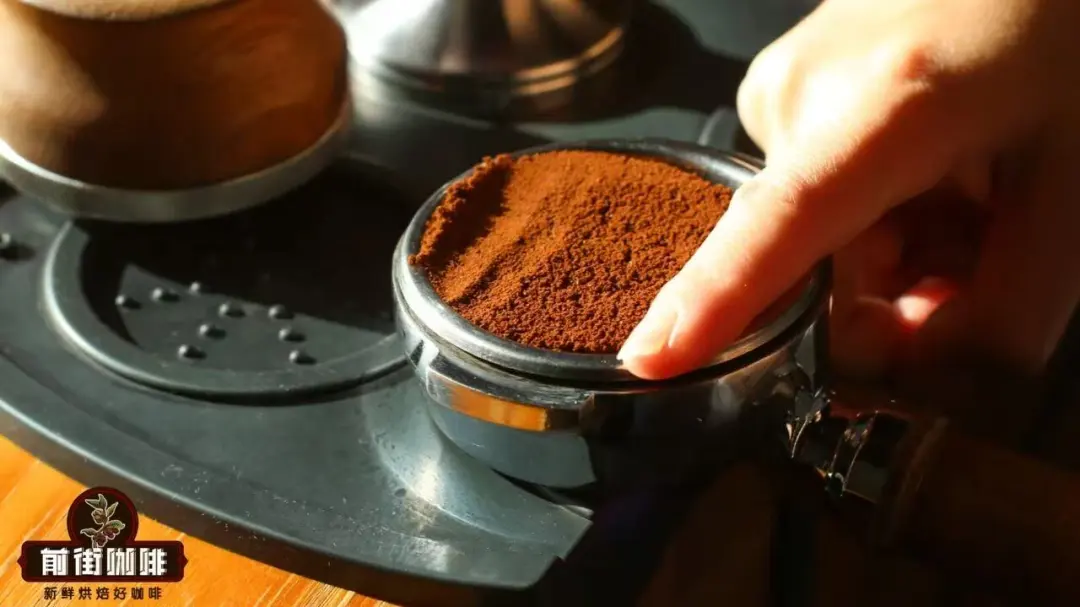
However, the situation is much more complex nowadays. Most cafes in China, when extracting espresso, in addition to the tamper, are also equipped with distribution tools, WDT needle tools, and various other auxiliary tools—Front Street Coffee is no exception. As a result, many friends, after purchasing a coffee machine, also plan to buy these auxiliary tools.
This has also led some people to wonder: "Does making a cup of coffee really need to be this complicated?" Front Street often receives similar questions. So today, Front Street is going to compare: what exactly is the difference between the "traditional" method and the method using auxiliary tools when it comes to extracted espresso! Let's see whether "a poor workman blames his tools" actually makes coffee taste better.
Extraction Experiment
In this experiment, Front Street will use the above two methods to extract three shots of espresso each, then compare them in terms of taste and mouthfeel, observing whether there are obvious overall differences. The coffee beans used are still the popular Front Street Espresso Blend Strawberry Candy·Espresso from Front Street's bean list, with extraction parameters of 20g dose yielding 40ml.
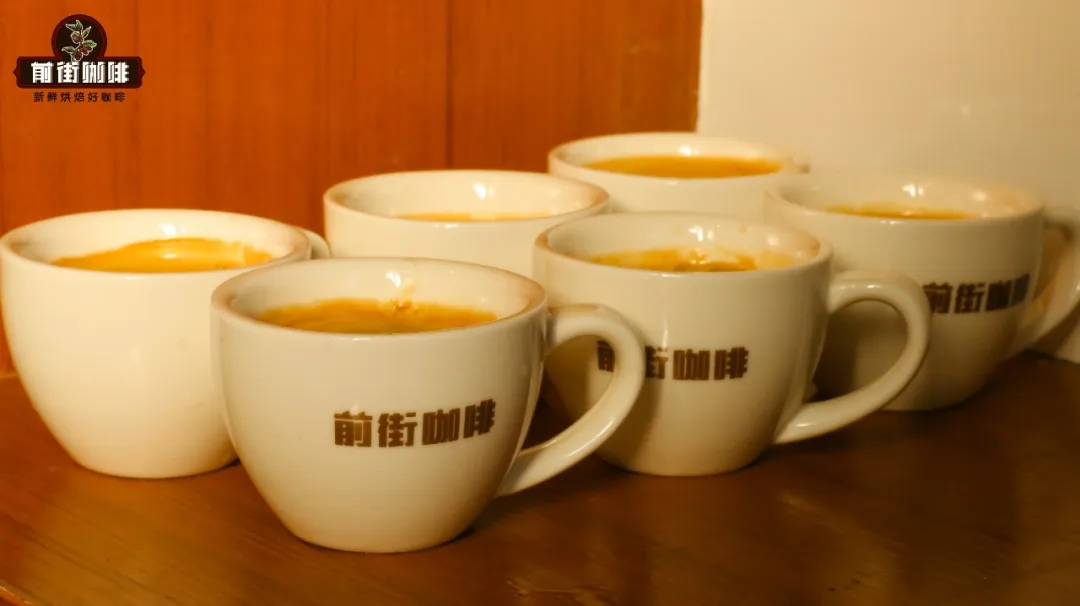
The extraction times were almost identical, both around 30 seconds. After extraction, Front Street tasted them one by one and asked colleagues to conduct a blind test. The result was unanimous—no one could taste much of a difference. Except for one cup in the hand-distribution group that had a heavier taste, the rest performed similarly, all presenting flavors of strawberry, floral, cocoa, and nut, with a predominantly sweet and sour taste.
From this case at Front Street, it can be seen that even when one group additionally used a distribution tool and WDT needle tool, the coffee made was not much different from the version without tools. So does this mean that distribution tools and WDT needle tools are just "unnecessary"?

Obviously not! The purpose of using a distribution tool and WDT needle tool is not to help us make better-tasting coffee, but to help us consistently make good-tasting coffee.
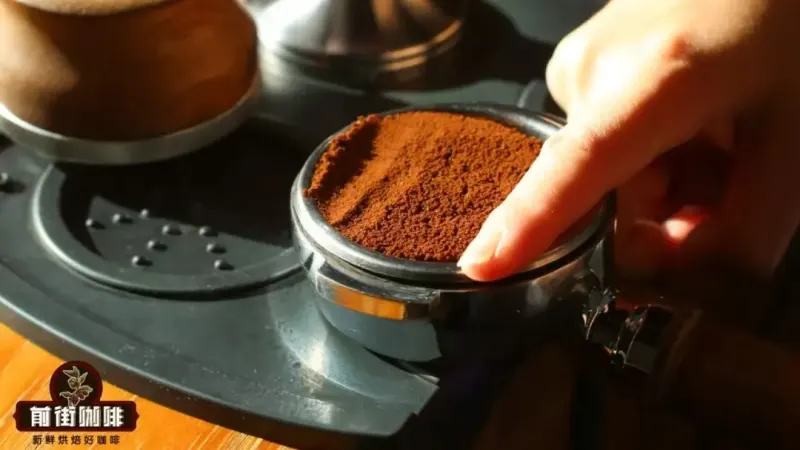
As is well known, the function of both distribution tools and WDT needle tools is to make the coffee grounds in the portafilter basket distribute more evenly. The reason for pursuing even distribution is that espresso uses pressurized extraction, and the pressure of up to 9 bar accelerates the dissolution of flavor compounds during extraction, thereby producing a high-concentration cup of coffee in a short time.
But water is lazy—it will flow in the direction of least resistance. When the density of the puck is not uniform enough, hot water will concentrate and flow toward areas of lower density during extraction, forming channels. The consequence is even more uneven extraction: areas where a lot of water flows through get over-extracted, while coffee grounds outside the channels get under-extracted due to less contact with hot water. This phenomenon has a well-known term in the industry—channeling.
Obviously, this kind of extraction will degrade the quality of the final coffee. Therefore, if you don't want channeling to occur during extraction, the best way to improve it is to make the coffee grounds distribute more evenly before extraction. For example, the early practice of hand-distribution was actually a means of improvement.
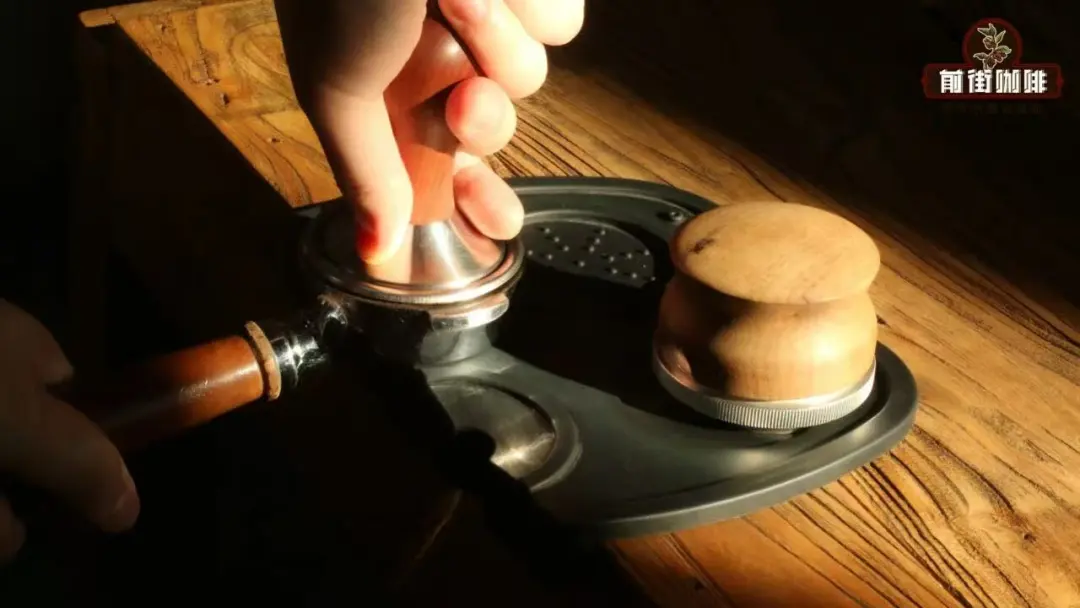
Distribution tools and WDT needle tools were born precisely out of this need! A distribution tool can replace hand-distribution to level the coffee grounds, saving a lot of time and eliminating concerns about hygiene;
Although a WDT needle tool can also be used to distribute coffee grounds evenly, its main purpose is more to break up clumped coffee grounds. The occurrence of channeling, in addition to uneven distribution of coffee grounds, can also be caused by static electricity from grinding that makes coffee grounds clump together. The presence of clumps also increases the probability of channeling.
So, when grinding dark-roasted coffee beans or in situations with low ambient humidity and more static electricity, some coffee shops will first use a WDT needle tool to break up clumped coffee grounds, then proceed with distribution and tamping.

In summary, distribution tools and WDT needle tools are not just "flashy moves." The purpose of coffee shops using them is to ensure consistent output, so that every cup of coffee maintains a consistent deliciousness. If you are just an individual enthusiast and don't need to produce many cups or sell to customers, then distribution tools and WDT needle tools are optional—after all, with solid skills, you can easily achieve even distribution;
But if you have certain requirements for quality, or need consistent output, then these auxiliary tools can also be considered. It ultimately depends on individual needs.
- END -
The above content is compiled by CoffeeHunters, a coffee news website.


