







Coffee Enthusiast Guide to Distribution and Tamping for Even Espresso
Even distribution and firm, level tamping are the two steps that keep espresso extraction even. When grounds sit unevenly in the portafilter basket or the tamp is tilted, hot water carves channels through the puck, over-extracting some grounds and under-extracting others, so the shot tastes sharply sour, astringent, and bitter at once. Fix distribution first, then tamp flat.
Start by dosing grounds into a separate cup or dosing cup instead of catching them directly in the portafilter, which usually leaves a mound in the center. Use a distribution needle tool to break up clumps and level the bed, then tamp with steady, straight pressure. This removes the low-resistance paths that let water shortcut through the puck and is the groundwork for delicious coffee.
Making a qualified espresso—the two seemingly simple steps of distributing and tamping the grounds actually hide many details that are easy to overlook. If the coffee grounds in the portafilter basket are unevenly distributed, or the tamping method is improper, hot water will form channeling during extraction, causing some coffee grounds to be over-extracted and others under-extracted, ultimately resulting in a taste that is both sour and bitter. This article, from the perspective of Front Street, explains the respective roles of distribution and tamping, the principle behind channeling, and practical key points such as dosing, distribution needles, dosing cups, and tamping posture, helping coffee enthusiasts make delicious espresso more consistently.
"Distribution" and "tamping" are two key actions in the espresso preparation process. Although they may seem like just leveling and pressing the grounds, there are many details that are easily overlooked in actual practice, and these details directly affect the extraction result and final flavor. Today Front Street will discuss what noteworthy points exist in the distribution and tamping process, and what problems these two steps are actually meant to solve.
Distribution
Ultimately, distribution and tamping share one core goal: avoiding channeling. Water is inherently lazy—it always chooses the path of least resistance. When coffee grounds are unevenly distributed in the basket, the gaps between particles form numerous "channels," and hot water concentrates through these channels during extraction. As a result, some coffee grounds in the puck are over-extracted while others are severely under-extracted, making the final coffee both sharply sour and astringent, with a burnt bitterness that is hard to accept.
Therefore, the first thing to do is "distribution." After a measured dose of coffee grounds falls into the basket, the coffee bed needs to be redistributed so the grounds spread evenly throughout the basket. This way, after tamping, no channels are left for hot water to "take a shortcut."
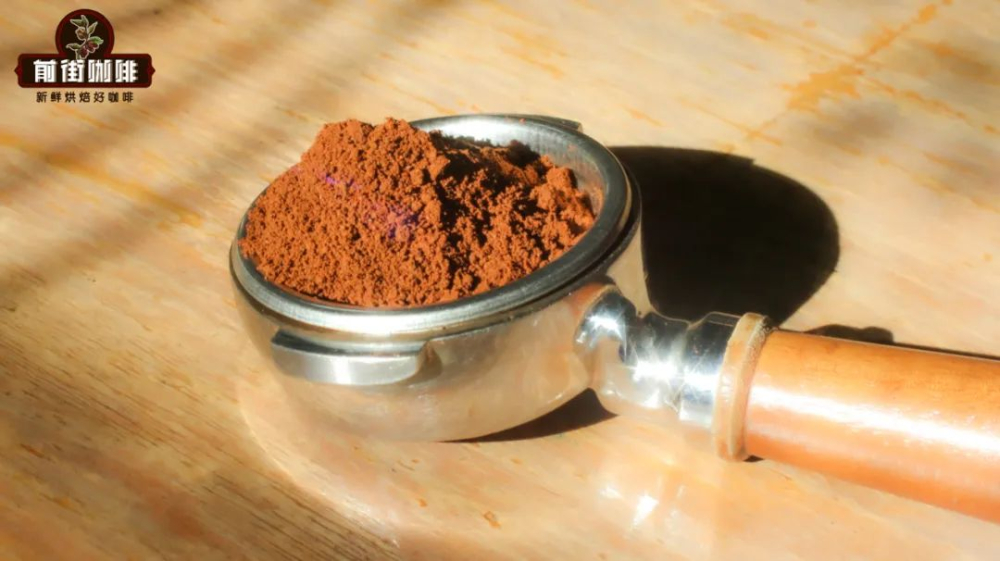
However, most people habitually hold the portafilter directly to catch the coffee grounds falling from the grinder, resulting in the grounds often piling up in a "little hill" in the center, or appearing uneven with more on one side than the other. Front Street does not recommend using a distribution tool directly in either of these situations.
This is because when the distribution tool is placed down, it itself applies a downward force. This force first presses on the piled-up grounds in the center, and only afterward does the distribution tool level the uncompacted grounds on the surface.
This operation creates an illusion: the surface of the puck looks flat, but internally the grounds are concentrated in the middle with very little around the edges. A puck like this has a very high probability of channeling during extraction. The problem is not just the number of gaps—it is also related to the way espresso extracts.
To reiterate, water is lazy and moves toward directions where it can flow easily. Even if we distribute the grounds evenly and tamp firmly, water will still find an easy path—that is, the edge of the puck, the point where the coffee grounds meet the basket.
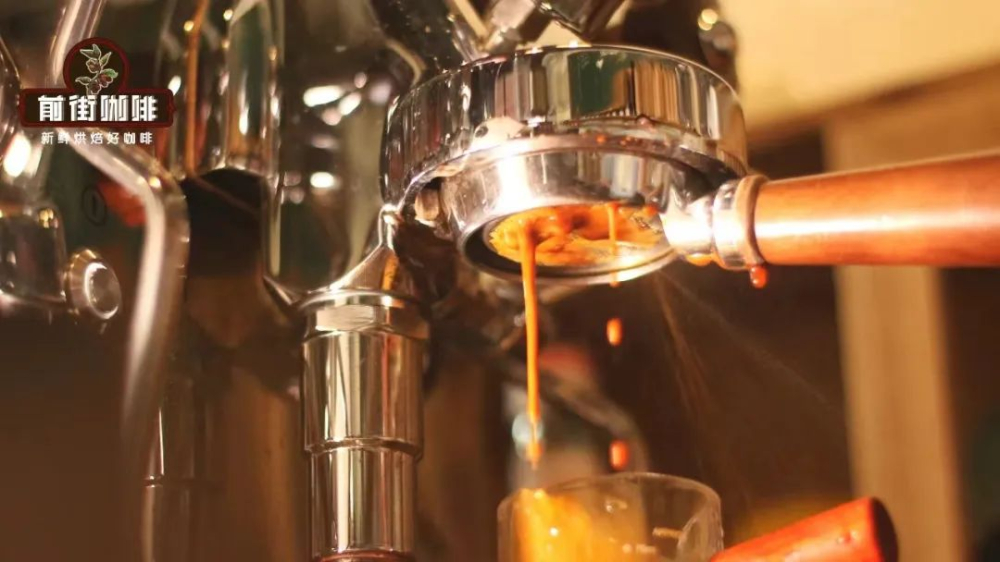
Although the puck appears to have been pressed tightly with no gaps, the smooth, flat surface of the basket actually does not fit perfectly against the puck. Under pressures as high as 9 bar, water preferentially flows toward these gaps, then gradually penetrates toward the center to extract the coffee grounds there. This also explains why, when espresso flows out, the liquid always converges from the edges toward the center.
Alternatively, you can turn off the extraction button right when the espresso just starts flowing, knock out the puck and cut it open to observe its wet and dry state. You will find that the top, the surrounding edges, and the bottom are all wet, while only the coffee grounds in the middle are dry. This is the extraction order of espresso: the periphery first, then the interior. This also explains why espresso has such a distinct layering—because the coffee grounds themselves are not all uniformly extracted, and the varying amounts of sour, sweet, and bitter substances create the multi-dimensional flavor layers.
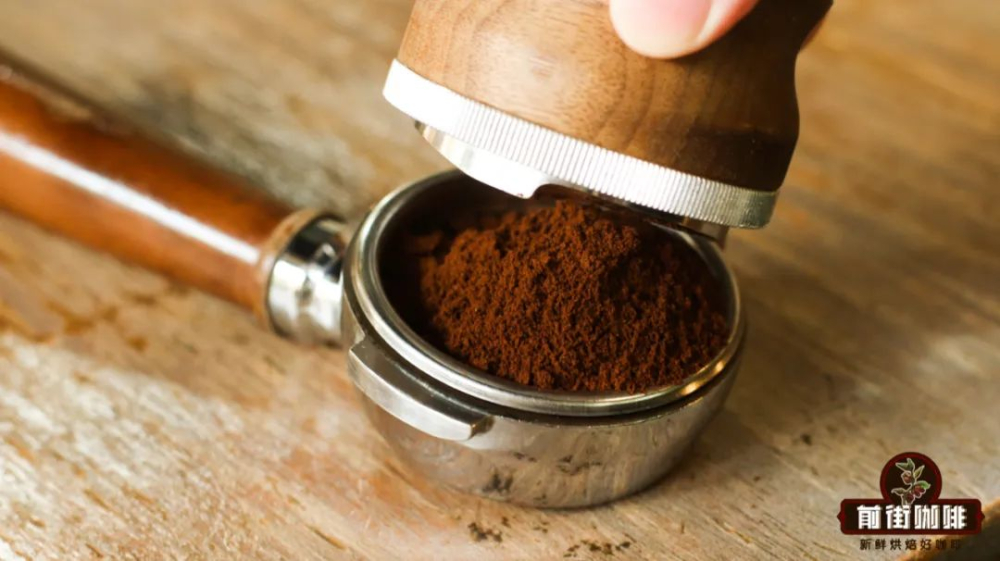
So, if a little hill of grounds appears in the basket when dosing, it is best not to use a distribution tool directly. You can first use your finger to scrape the coffee grounds level from side to side, then use a distribution tool. Of course, if time permits, it is best to use a distribution needle, which allows the coffee grounds to be distributed more evenly while also breaking up clumps.
In addition, you can reduce the hassle of distribution by changing the dosing step. For example, switch from catching grounds directly with the portafilter to using a dosing cup. A dosing cup lets the grounds fall from the side first, then to the center, greatly simplifying the distribution process. However, for stores with high output, this method is not very friendly—everyone can choose based on their own actual situation.
Tamping
The role of tamping is to strengthen the bonds between coffee grounds, preventing the high-impact hot water from easily scattering the grounds and thereby affecting extraction. Compared to distribution, tamping the coffee grounds is much simpler.
We only need to ensure that the downward pressure applied is even and appropriate. Many friends cannot tamp the puck well, mainly because of incorrect posture (as shown in the image below), such as arms not being vertical, or the force being unevenly applied. This is easy to improve—just use the power of money to buy—
As long as we practice diligently, we can master the true essence of tamping!
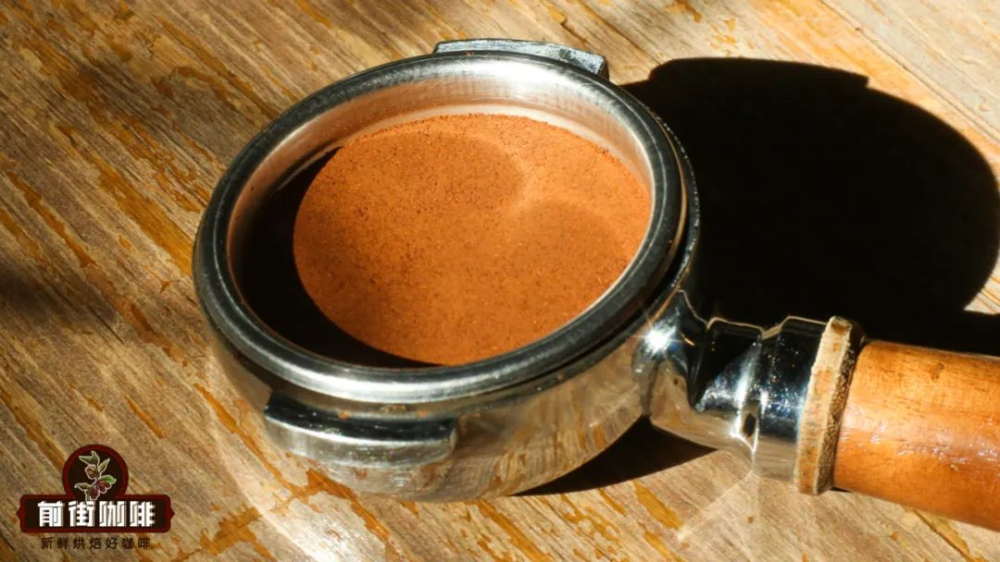
The most common tamping technique is: the thumb and index finger each occupy one side of the tamper, the remaining three fingers and palm wrap around the handle, the arm stays vertical, and pressure is applied downward.
But this skill, as Front Street said, requires continuous practice to grasp its true essence. So, if you do not want to use the power of money, continuous refinement is the best choice. When we can perform the distribution and tamping actions well, it becomes easier to make delicious espresso.
- END -
The above content is compiled by CoffeeHunters, a coffee news website.


