







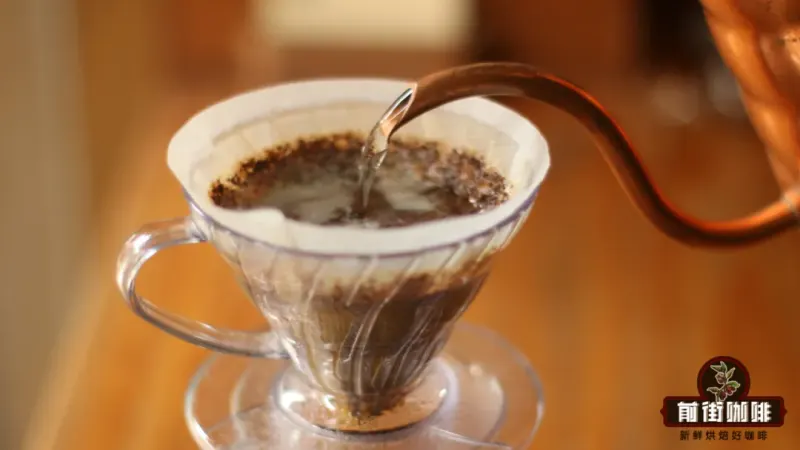
How do pour-over coffee water pouring techniques work?
Good beans alone do not guarantee a good cup, because pouring water is itself an extraction variable. The pour decides whether the coffee grounds are extracted evenly, and uneven extraction shows up directly in the flavor. Pour-over brewing calls for different flow rates and force at different moments, much like a cook adjusting wok movement so ingredients heat, brown and season at the same pace.
Anyone learning how to brew coffee with a coffee maker or a pour-over setup should treat flow control as a parameter, not an afterthought. A heavy flow and a light flow move the grounds differently through the coffee stages of blooming, main pour and drawdown. The goal stays the same throughout: saturate all the grounds evenly while holding back the unpleasant compounds that a careless pour pulls out.
Many people think that as long as they buy good-quality coffee beans, it won't taste bad no matter how they brew it, but that's not the case. Pouring water itself is an extremely critical extraction variable; it determines whether the coffee grounds can be evenly extracted and directly affects the flavor performance in the final cup. Just as a chef constantly tosses the wok while cooking to heat the ingredients evenly, the pouring motion in pour-over brewing also requires different flow rates and force at different stages to regulate. This article starts from the fundamental purpose of pouring water, explains why pour-over coffee requires attention to the pouring method, and specifically analyzes the difference between a heavy flow and a light flow, helping you understand how to achieve even extraction through flow control while avoiding extracting unpleasant substances.
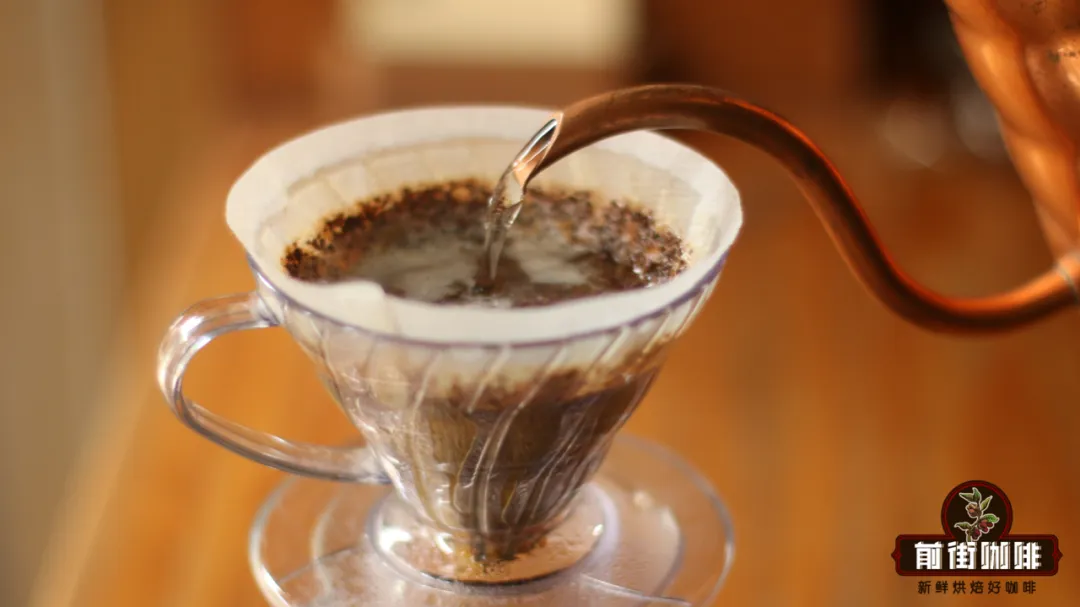
But the reality is exactly the opposite! Pouring water is likewise a pivotal "extraction parameter." To use an analogy, just as a chef uses wok-tossing techniques while cooking—applying different levels of tossing force at different moments so that the ingredients are heated, browned, seasoned, and thickened more evenly—applying this idea to pour-over brewing makes it very easy to understand.
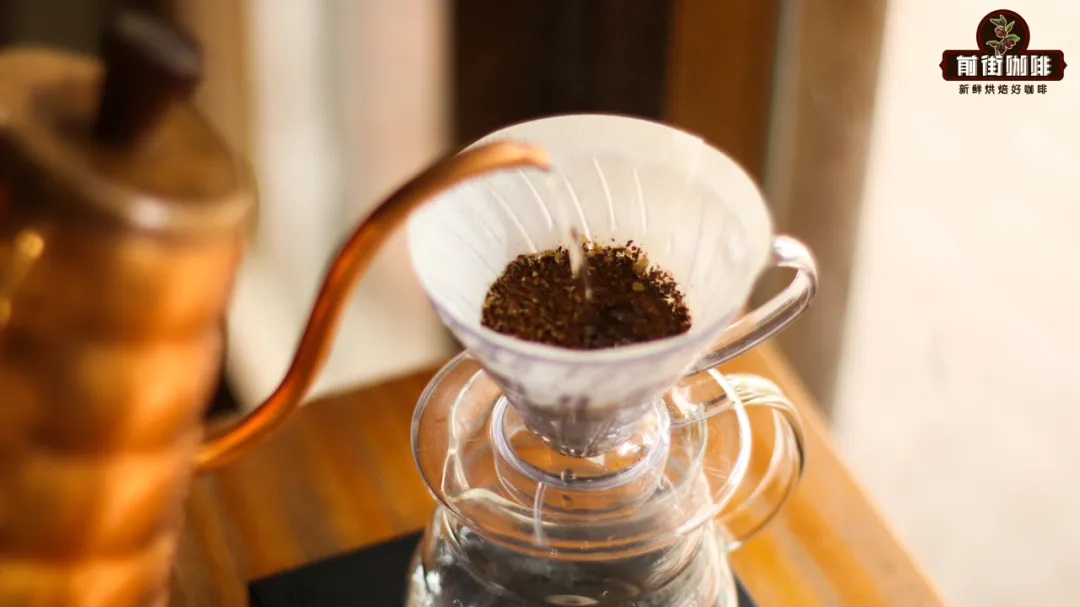
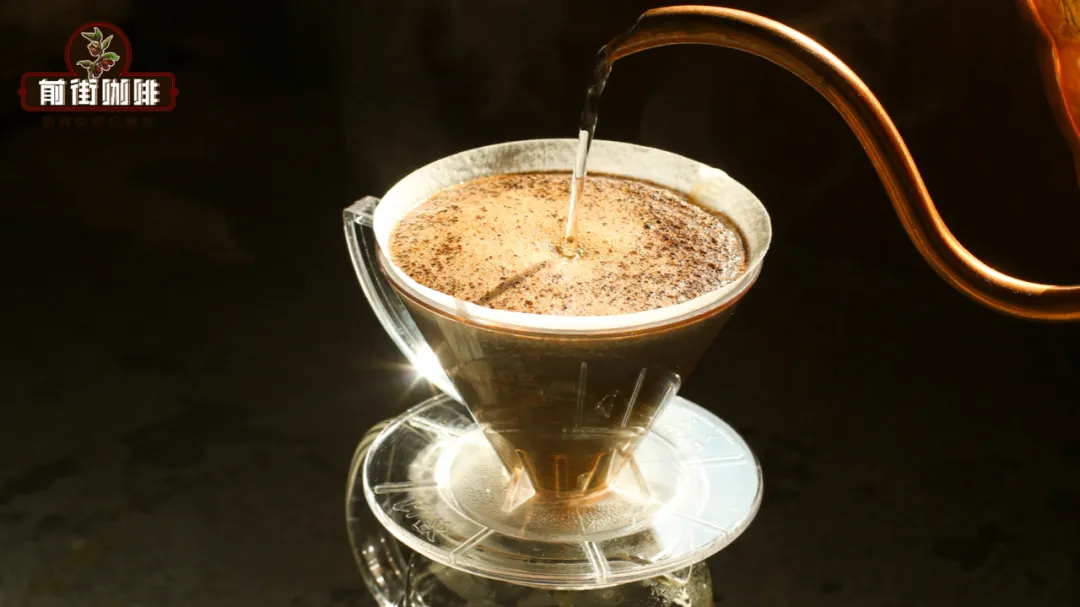
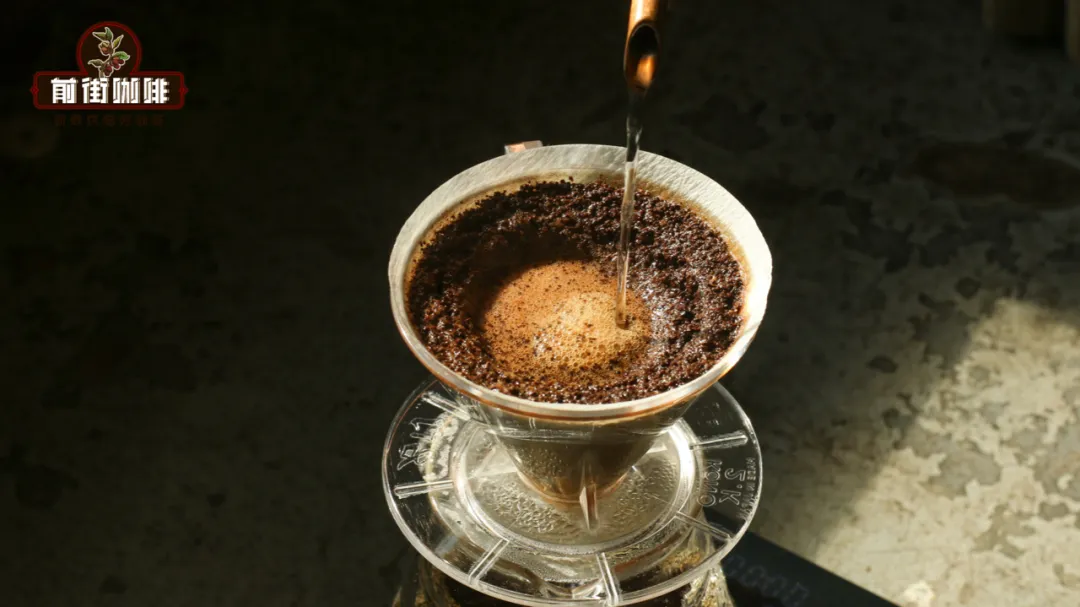
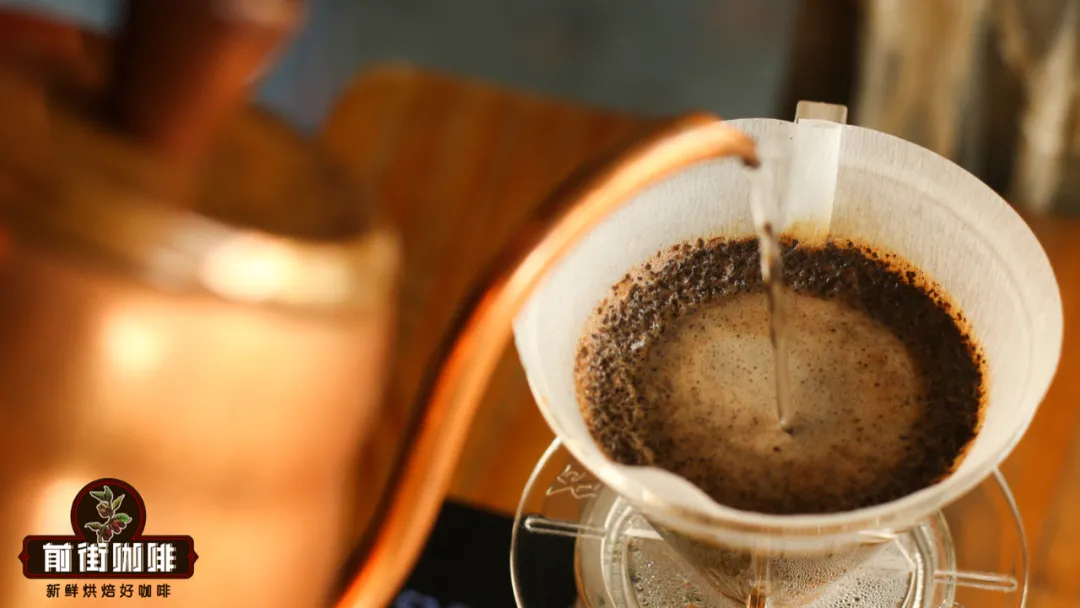
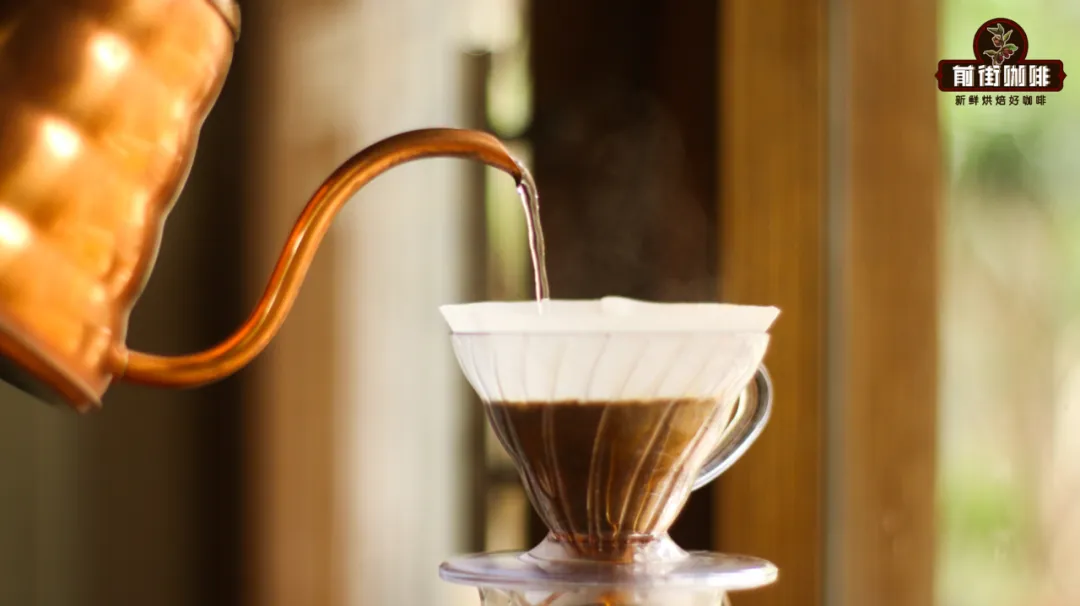
In the end, pouring water in pour-over coffee serves only one goal: to allow all the coffee grounds to be evenly extracted. It sounds like a single, seemingly simple goal, but to achieve it, we must adjust the water flow from multiple dimensions to ensure the coffee grounds are evenly extracted while not bringing out undesirable substances as well.
The above content is compiled by CoffeeHunters, a coffee news website.


