







Search Results for: coffee breeding
WCR launches global robusta breeding network; Uganda trial planting of disease-resistant varieties has delivered nearly 50,000 seedlings
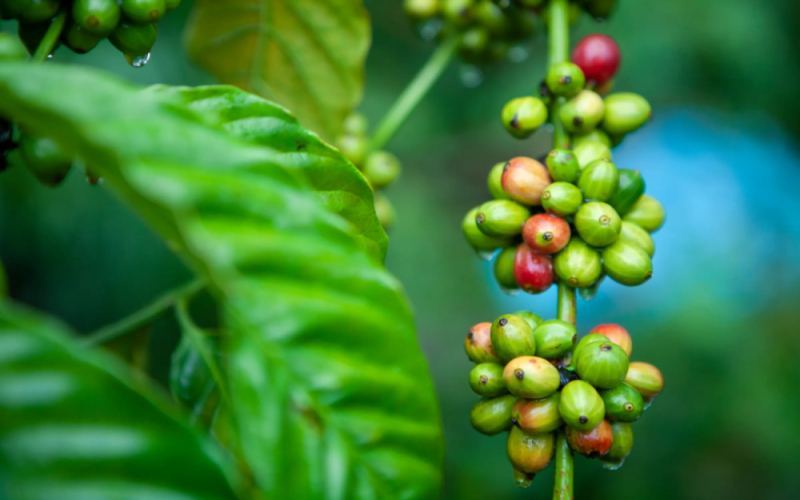
Robusta's share of global coffee production has climbed from 25% in the early 1990s to 40%, with market demand continuing to rise, yet breeding and improvement efforts have long lagged behind. WCR predicts that if consumption growth overlaps with the climate crisis, the global coffee supply could face severe shortages in 2024. To address this, WCR is about to launch a Robusta breeding program using a large amount of genetic material provided by CIRAD, and will work with major producing countries to build a global breeding network. Meanwhile, planting trials in Uganda have already been implemented, distributing nearly 50,000 disease-resistant Robusta (KR) trees to farmers. Front Street Coffee continues to monitor the industry trends and variety innovations in Robusta. [more…]
What exactly does the coffee variety F1 refer to? Analyzing the breeding process of the first filial generation and its representative bean varieties.
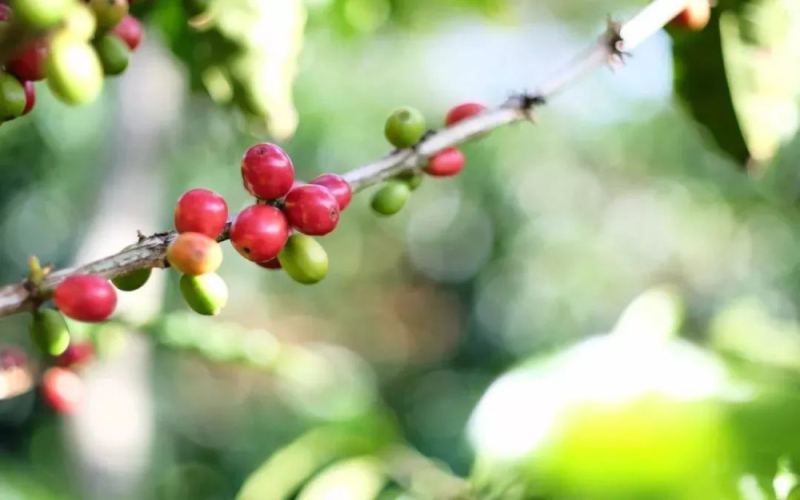
In the naming of coffee varieties, combinations of letters and numbers are not uncommon, but F1 is not a single variety—it is a collective term for a class of hybrid progeny. It originated from a breeding program promoted jointly by the French Agricultural Research Centre for International Development and the Coffee Institute of Costa Rica, among other institutions, after the major leaf rust outbreak of the 1970s, aimed at cultivating a new generation of coffee that is high-yielding, disease-resistant, and excellent in flavor. Although F1 varieties possess many advantages, they are also difficult to promote on a large scale due to the difficulty of propagation and high costs. This article will guide you through the background of F1's creation, its selection process, its main characteristics, and important commercialized representatives such as H1 and Ruiru 11, while combining recommendations from Front Street Coffee to present this innovative achievement in the field of coffee breeding. [more…]

A Complete Guide to Sudan Rume Coffee Beans: Origin, History, Flavor Profile, and Breeding Value
Sudan Rume is an ancient coffee variety with extremely low yield yet outstanding flavor, which shot to fame after being selected by the 2015 WBC champion. It originated in the border region between the Boma Plateau and the Rume Valley in Africa, was only formally documented in the 1940s, and has long been used as a hybrid father plant since then. Front Street Coffee once tasted a washed Sudan Rume batch from Costa Rica, and its bright acidity and juicy mouthfeel reminiscent of lemon and plum were deeply impressive. This article will outline this rare variety's historical origins, plant characteristics, flavor performance, and important position in modern breeding. [more…]
SL28 Coffee Variety Traceability and Flavor Analysis: From Kenyan Drought-Resistant Breeding to Front Street Coffee's Cherry Tomato-Like Cup Performance
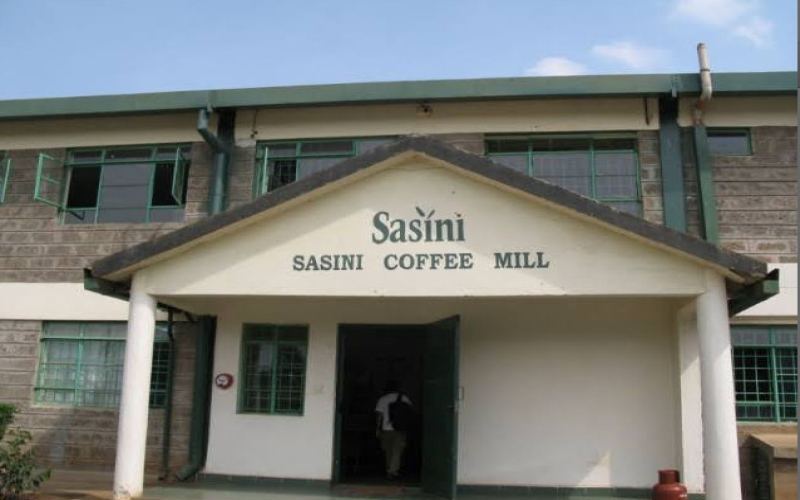
SL28 is one of Africa's most legendary coffee varieties. After being selected in Kenya in the 1930s, it gradually spread to Arabica-growing regions such as Uganda, and in recent years it has traveled even farther to Latin America. It is suited to cultivation at medium to high altitudes; it is drought-tolerant yet susceptible to disease, and its flavor is exceptionally elegant, often with floral notes. Front Street Coffee's Little Tomato coffee beans are precisely a combination of SL28 and SL34, displaying layers of pear, smoked plum, yellow sugar, and more. This article will trace the history of SL28's selection and breeding at the Scott Agricultural Laboratories, sort out its genetic relationship with the Bourbon genome, and introduce specific information about Kenya's Asali processing plant, helping coffee enthusiasts fully understand this variety's origins and development as well as its potential in the cup. [more…]
An Analysis of Kenya's Ruiru 11 Coffee Variety: The Breeding Journey Behind Disease Resistance and High Yield, and the Flavor Controversy
Kenyan coffee has long been famous for the SL series of varieties, but although SL varieties are outstanding in quality, they are extremely vulnerable to pests and diseases. To address this dilemma, the Kenyan coffee industry began promoting new varieties that combine disease resistance with climate adaptability, and Ruiru 11 is one of the representatives. This variety, officially released in 1985, has what kind of breeding story behind it? Why is it welcomed by farmers, yet also triggers quality controversy? This article will give you a comprehensive understanding of the background of Ruiru 11's creation, its varietal characteristics, cultivation advantages, and the challenges it currently faces. If you are interested in Kenyan coffee, Front Street Coffee also has related beans available for tasting. [more…]
Why Do Coffee-Producing Countries Stick to Certain Varieties for So Long? A Panoramic Analysis from the History of Leaf Rust to Laboratory Breeding
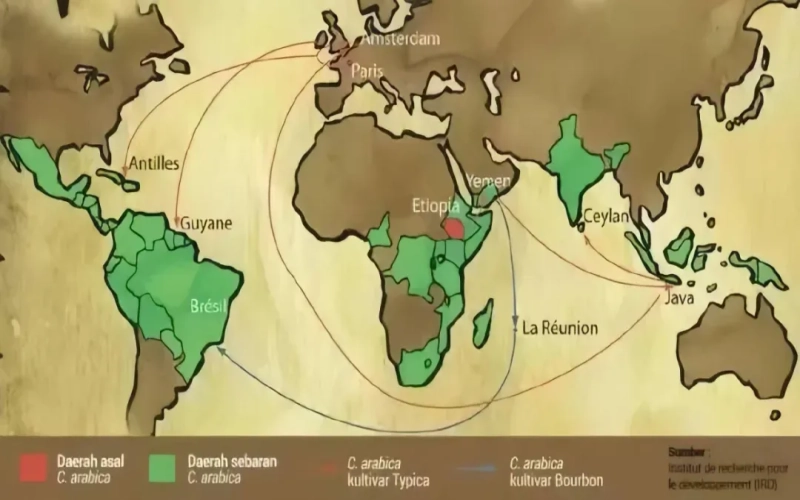
When you shop for coffee beans, have you ever noticed that certain origins always seem to grow just a few fixed varieties? Brazil, for instance, is dominated by Bourbon, while Jamaica Blue Mountain is inseparable from Typica. Behind this lies both the logic of variety dissemination and natural adaptation, as well as a chapter of coffee history rewritten by leaf rust. That devastating disease at the end of the 19th century forced many producing countries to turn to research on disease-resistant new varieties, leading to the establishment of national coffee research institutes. This article will walk you through the origins and development of common laboratory varieties such as Catuai, SL28, SL34, Ruiru 11, and H1, and how they became the mainstays of today's producing regions. It will also mention related beans selected by Front Street Coffee, offering you a practical buying reference. [more…]

Why Is Jersey Milk So Expensive? A Hands-On Report on Making Lattes and Dirty Coffee with It
In the world of specialty coffee, milk is no longer an optional supporting player—it is the key variable that determines the quality of a milk-based coffee. From Ice Blog to Jersey milk, coffee shops are becoming increasingly discerning about their milk sources. Jersey milk has long been known as the "Hermès of milk," priced far above ordinary fresh milk—so what exactly makes it so expensive? And how does it perform in a Dirty and a latte? This article will analyze the Jersey cow's breed origins, butterfat and protein content, and other dimensions, and compare the actual performance of Xiangmanlou and Weipin Jersey milk versus ordinary fresh milk in Dirty and hot lattes, to help you decide whether Jersey milk is worth paying for in your milk coffee. [more…]
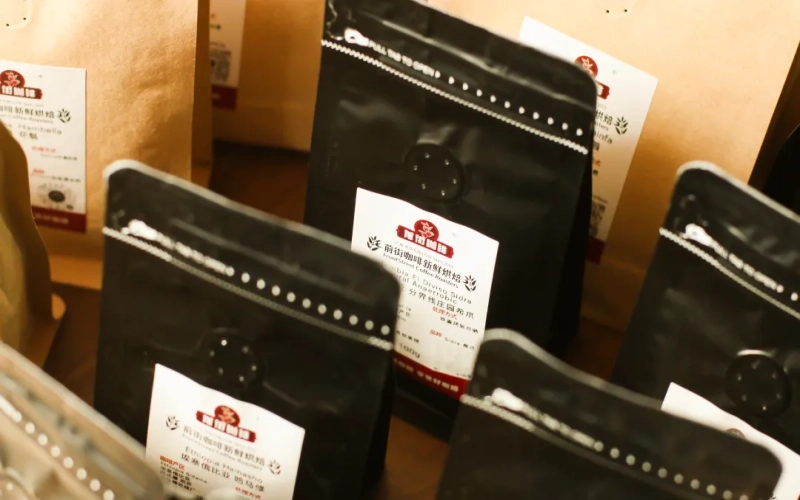
Analysis of the Three Major Coffee Varieties: Robusta Characteristics, Arabica Hybrid Breeding, and the Flavor of Yunnan Catimor
In the world of coffee, Arabica, Robusta, and Liberica make up the three major species systems. Among them, Robusta, with its strong disease resistance and high caffeine content, has become an important raw material for espresso blends and instant coffee. This article begins with Robusta's origins and growth characteristics, then takes a deep dive into the genetic advantages brought by its cross-pollination, and traces the breeding history of Arabica-Robusta hybrids such as Timor Hybrid, Catimor, and Castillo. Finally, it focuses on Yunnan small-bean Catimor, exploring its flavor performance after washed processing, as well as its application in Front Street Coffee's espresso blends and pour-over single origins. Whether you are a coffee enthusiast or a industry professional, you can gain practical reference on variety selection and flavor pairing. [more…]
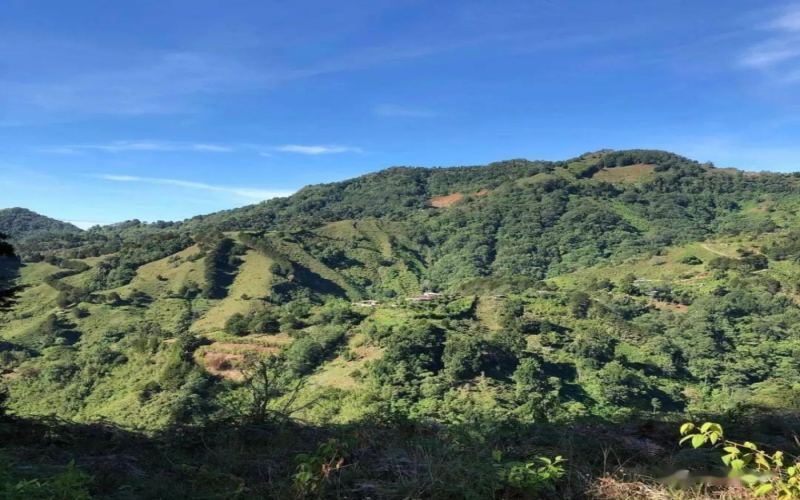
Brazil's IAC natural decaf coffee breeding enters a critical validation phase, with promising commercial prospects.
The natural decaffeinated coffee breeding program at Brazil's Campinas Agronomic Institute (IAC), which has spanned more than two decades, has now entered the stage of definitive verification. Researchers are cultivating and screening hybrid coffee plants derived from different varieties, with the goal of developing coffee varieties that are naturally low in caffeine or even caffeine-free without the need for industrial decaffeination. If this breakthrough ultimately comes to fruition, it will profoundly change the commercialization landscape of decaffeinated coffee in major markets such as the United States and Europe. According to forecasts by market research institutions, the global decaffeinated coffee market will reach US$28.86 billion by 2030, with young health-conscious consumers as the main driving force. Front Street Coffee will also continue to follow the subsequent progress of this transformative research. [more…]
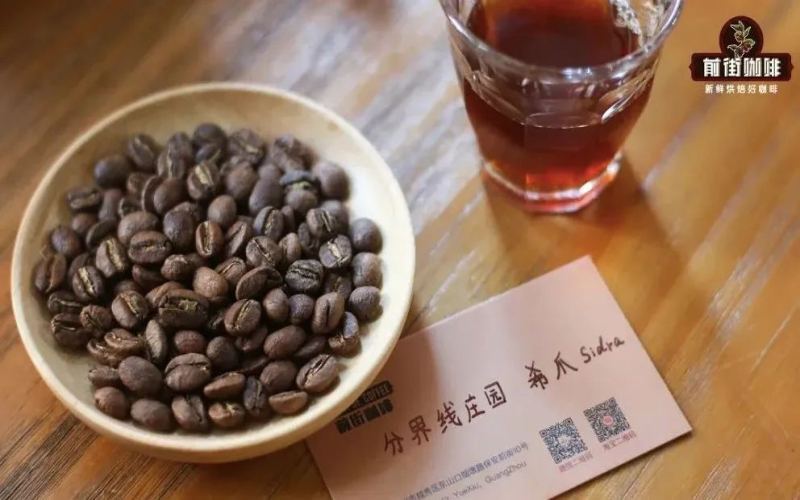
A Complete Analysis of the Sidra Coffee Variety: From Its Ecuadorian Origins to Its Rise to Fame in Colombia
In recent years, Sidra has frequently taken top honors in world coffee competitions, becoming a hot variety in the specialty coffee scene. Many people assume it originated in Colombia, but its story actually begins at a Nestlé breeding center in Ecuador. This article will walk you through Sidra's botanical characteristics, origin history, genetic testing results, and why it has not been widely cultivated globally. At the same time, Front Street Coffee has selected Sidra beans from Finca La Divisa in Colombia's Huila region, delivering grape, passion fruit, and honey-like sweetness that is well worth trying. [more…]
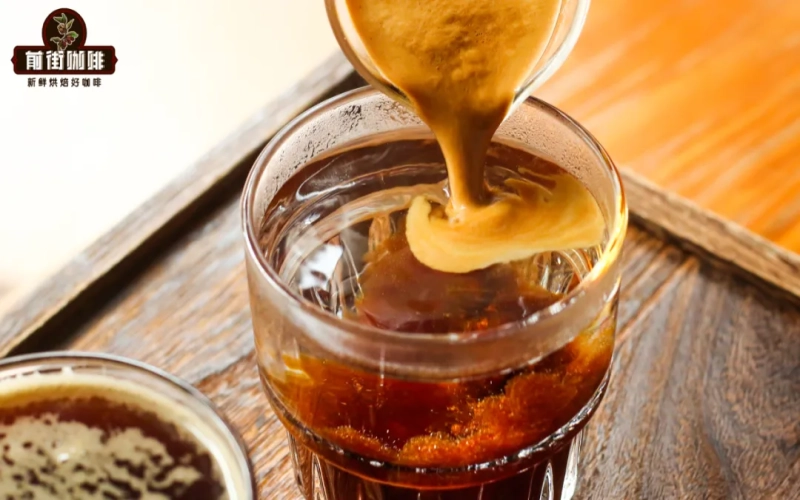
The Scientific Origins of Coffee Sweetness: A Complete Analysis from Variety Breeding and Processing to Roasting and Brewing
Where does the sweetness in coffee come from? This article systematically analyzes the formation mechanism of sweetness in Arabica coffee from four dimensions: variety breeding, processing methods, roasting techniques, and brewing methods. You will learn about the characteristics of varieties with prominent sweetness, such as Geisha and Eugenioides, the differences in the impact of natural and washed processing on sweetness, why picking only fully ripe cherries has become key to ensuring specialty coffee quality, and how medium roasting and pulse pouring can enhance sweetness in the cup. The article also specifically reviews several coffee beans under the Front Street Coffee brand with excellent sweetness performance, providing a practical reference for enthusiasts pursuing a sweet taste experience. [more…]
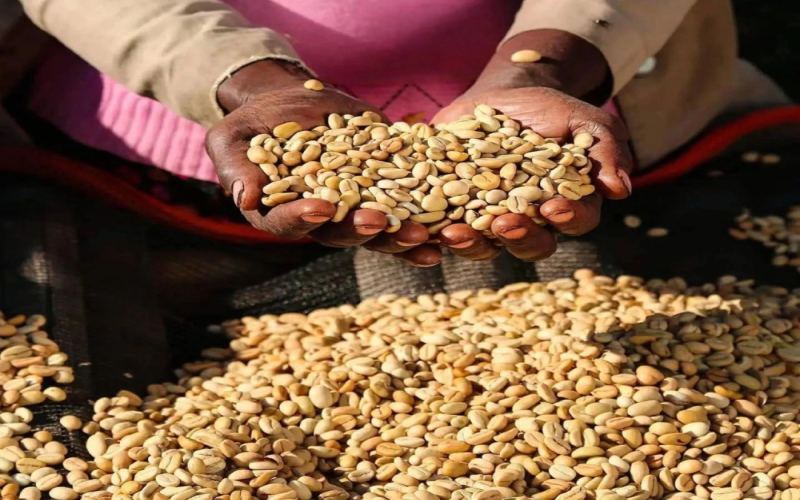
A Complete Analysis of the Ethiopian Wush Wush Variety: From Anthracnose-Resistant Breeding to Its Second Home in Colombia
In Ethiopia, besides the well-known heirloom varieties, varieties such as Wush Wush, the 74 series, and Dega have gradually come into the view of coffee enthusiasts in recent years. Among them, Wush Wush, with its endearing name and excellent flavor performance, always attracts attention despite being rare on the market. Where exactly did this variety come from? How did it travel from a small village in Ethiopia to the world, and why did it take root and thrive in Colombia? Today Front Street Coffee will systematically sort out the origins and spread of Wush Wush for everyone, from the anthracnose-resistant breeding program in the 1970s, to its official release in 2006, and then to its introduction and spread in Colombia—understanding this heirloom variety's past and present in one article. [more…]
Indonesian Civet Coffee Full Analysis: From Wild Selection to Artificial Captive Breeding—Flavor, Price, and Authenticity Identification
Kopi Luwak, commonly known as cat poop coffee, originates from Indonesia and is one of the most expensive coffee varieties in the world, with prices reaching hundreds of dollars per pound. Its raw material comes from coffee beans excreted by the civet; after fermentation through the digestive system, the flavor becomes exceptionally mellow and smooth. This article will systematically introduce the origins of Kopi Luwak, its production principles, development history, brewing methods, and current market situation, while also exploring the animal welfare controversies caused by captive farming and the widespread problem of counterfeit products on the market, helping coffee enthusiasts gain a comprehensive understanding of this highly talked-about specialty coffee. [more…]
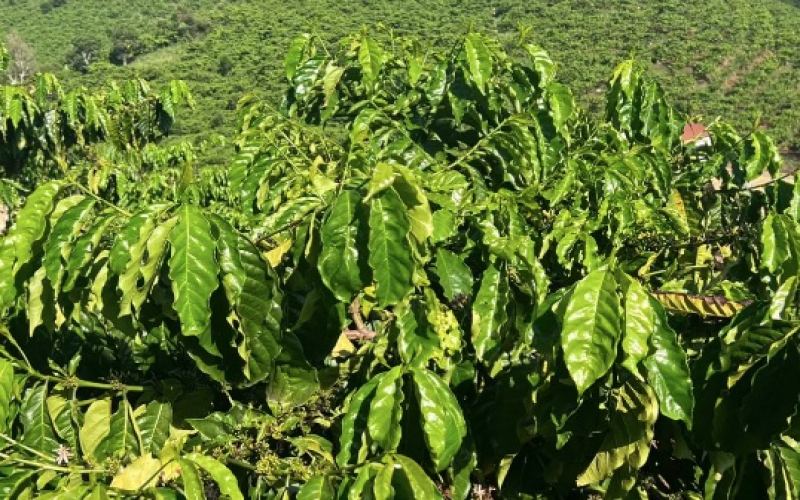
Why do some origin places only produce a fixed number of coffee varieties?
At present, some coffee-producing countries basically only produce a few fixed coffee varieties, such as Brazil mainly produces Bourbon, and Jamaican Blue Mountain mainly produces Typica, etc. In fact, in many cases, it is due to the spread of coffee [more…]
Why has Jersey milk become the new favorite of coffee shops? An in-depth review of its high price yet making Dirty coffee more outstanding
In today's world of constantly upgrading specialty coffee, the success of a milk coffee depends not only on the beans and the barista—the choice of milk is equally crucial. From Ice Blog to Jersey milk, competition among coffee shops over milk sources is growing ever fiercer. Jersey milk has been dubbed the "Hermès of milk," priced far above ordinary fresh milk, yet it is still sought after by many specialty cafés. What exactly justifies its high price? Is its taste truly superior? What kind of flavor performance does it bring when used to make a Dirty and a latte? Through actual testing of three different milks, this article comprehensively analyzes the application value of Jersey milk in coffee—from fat, protein, and lactose content to actual brewing results—and explores whether it is suitable for everyday milk coffee preparation. [more…]
A Complete Guide to the Pacamara Coffee Variety: From Its Breeding Origins to Growing Characteristics and Flavor Potential
Pacamara is a highly regarded variety in the coffee world, bred from a cross between Pacas and the giant bean Maragogype, combining unique genetics. This variety originated in El Salvador in the 1950s and is now also cultivated in Honduras, Nicaragua, and other places. The Pacamara coffee tree is relatively tall, with wavy leaf edges, and is suitable for cultivation at altitudes of 900 to 1,500 meters, with quality improving at higher elevations. Due to low yields, its cultivation scale has always been limited. In addition to the common variety characteristics, there is also a yellow Pacamara variant. In this article, Front Street Coffee takes you through a comprehensive understanding of Pacamara's origins, botanical characteristics, and key cultivation points. [more…]
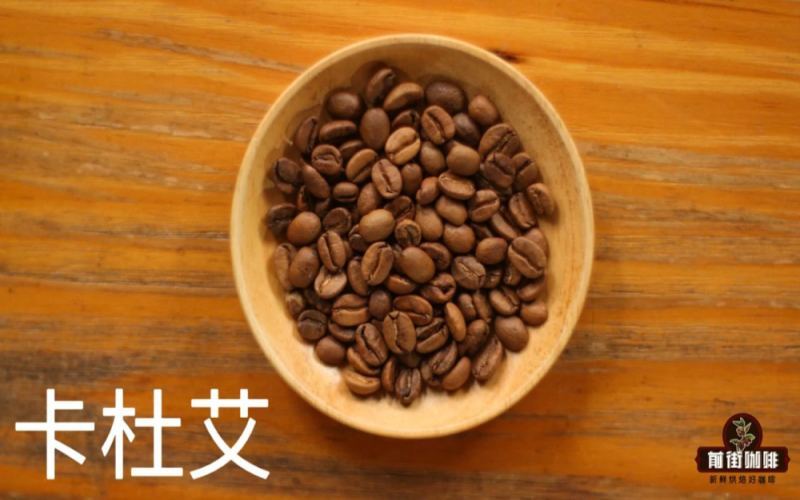
A Comprehensive Analysis of the Catuai Coffee Variety: From Breeding Origins to Flavor Profile and Pour-Over Practice
Catuai is an excellent variety in the coffee world that combines both yield and quality. It was bred by the Agricultural Institute of São Paulo State in Brazil, originating from a cross between Mundo Novo and Yellow Caturra. It inherited its parents' high yield, disease resistance, and fine acidity, and because its short stature facilitates dense planting and management, it has taken root widely across Central and South America. This article will begin with Catuai's breeding history, variety characteristics, and its spread through Central America, and then combine these with the sun-dried Catuai from Elida Estate in Panama offered by Front Street Coffee to present in detail its flavor performance and pour-over brewing parameters, providing coffee enthusiasts with a complete reference for understanding and tasting this variety. [more…]
Yunnan Catimor Coffee Bean Variety Analysis: From Disease-Resistant Breeding to Specialty Flavor Evolution
Yunnan small-bean coffee has attracted increasing attention from domestic coffee enthusiasts in recent years, and Catimor, as the most widely planted coffee variety in Yunnan, has an origin and flavor evolution worthy of deeper understanding. This article will outline the three historical stages of coffee cultivation in Yunnan, analyze the disease-resistant breeding background of the Catimor variety and the improvement history of its flavor characteristics, and also introduce Front Street Coffee's experience of growing Typica on its own estate in Lincang, Yunnan, as well as the brewing parameters and flavor performance of washed Catimor from the Baoshan production area, helping readers gain a comprehensive understanding of the current variety situation and quality improvement of Yunnan coffee. [more…]
A Comprehensive Analysis of the Origin, Flavor Characteristics, and Mouthfeel of the SL28 Coffee Variety from Kenya's Kiambu Region
SL28 is one of Africa's most legendary coffee varieties. After being selected in Kenya in the 1930s, it gradually spread to African Arabica-producing regions such as Uganda, and today it has traveled even farther to Latin America. It is suited to cultivation at medium to high altitudes, is highly drought-tolerant yet susceptible to coffee diseases, and offers an elegant cup profile that often features floral notes. Front Street's Little Tomato coffee beans are precisely a combination of SL28 and SL34. This article traces the breeding history of SL28, from the establishment of the Scott Agricultural Laboratories to the discovery of drought-resistant plants in Tanzania, and then to genetic testing that confirmed its kinship with the Bourbon genome. It also presents the specific producing region, altitude, processing method, and flavor description of Front Street's Kenyan Little Tomato, giving you a comprehensive understanding of this ancient and resilient variety. [more…]
A Complete Guide to the Pacamara Coffee Variety: From Its Breeding History in El Salvador to the Brewed Flavor of Front Street Coffee's Guatemala Beans
Pacamara is hailed by many coffee enthusiasts as the "T-Rex" of the bean world. Bred from a cross between Pacas and Maragogype, it boasts an intensely complex flavor profile that combines the juicy character of citrus and red berries with a creamy sweetness and full body. This article begins with the coffee-growing origins of the Pacas family, tracing the discovery of the Pacas variety and how El Salvador's ISIC spent roughly three decades developing Pacamara. It then uses Front Street Coffee's Guatemala Little Blueberry Estate as an example to share information about this bean along with the Hario V60 brewing parameters and techniques commonly used by Front Street Coffee, helping you gain a more complete understanding of this variety's origins and its performance in the cup. [more…]