








Where does the sweetness in coffee come from? This article systematically analyzes the formation mechanism of the sweetness of Arabica coffee from four dimensions: variety selection and breeding, processing methods, roasting techniques, and brewing methods. You will learn about the characteristics of varieties with outstanding sweetness such as Geisha and Eugenioides, the differences in the impact of natural and washed processing on sweetness, why whole red cherry picking has become the key to ensuring specialty coffee quality, and how medium roasting and staged pouring enhance sweetness in the cup. The article also specifically reviews several coffee beans under the Front Street brand with excellent sweetness performance, providing practical reference for enthusiasts pursuing a sweet taste experience.
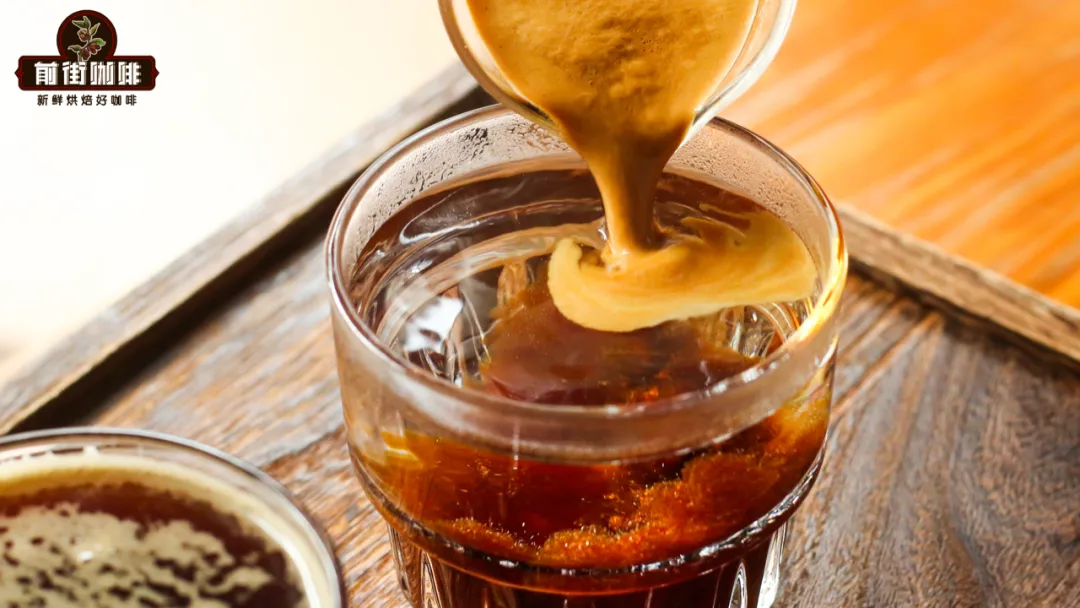
When it comes to the taste of coffee, most people will unhesitatingly acknowledge its bitterness, and some can also accept its acidic character, but if you say coffee tastes sweet, you will most likely be regarded as having something wrong with your sense of taste.
In fact, however, from coffee cultivation, green bean processing, to roasting and brewing, there are people working hard at every stage to make coffee sweeter.
In the black coffee we drink daily, the main taste profile is still dominated by bitterness or acidity, but if among a batch of coffees with prominent acidity or bitterness, you occasionally encounter a few beans that, in addition to acidity and bitterness, also carry obvious sweetness, they will taste especially sweet. So how exactly is this sweetness produced?
Variety selection is receiving increasing attention
The third wave of coffee emphasized traceability to origin, and after entering the fourth wave, origin information has become a basic threshold, and people have begun to turn their attention to coffee varieties with superior flavor. The most typical example is Geisha, which became famous in Panama in 2004 and remains synonymous with good coffee to this day. In addition, the mother variety Eugenioides (a variety with extremely high sweetness) that has frequently appeared in coffee competitions in the past two years, Chicho Gayo, which amazed the judges at the 2022 BOP, and the continuously emerging 74/75 number series from Ethiopia, are all varieties that have attracted much attention.
These unfamiliar-sounding varieties are not new things that suddenly appeared, but have gradually taken shape after years of selection and breeding. Making consumers more clearly aware of the influence of variety on coffee flavor, just as everyone began to understand origin information back then, is an inevitable process of cognitive upgrading.
The evolution of processing methods
Coffee processing methods have a quite significant impact on flavor, mainly reflected in two aspects. The first point can be seen directly from the changes in the names of processing methods, such as washed processing, natural processing, anaerobic washed processing, slow natural processing, and so on. If you prefer the sweetness brought by honey processing, Front Street Blackberry, Front Street Mozart, and Front Street Strawberry Candy are all good choices; if you like a black tea note, you can choose Front Street Hualei; if you are after nutty flavors, you might try Front Street Queen's Estate or Front Street 2013 Yunnan Typica.

The sweetness of coffee is closely related to the types of substances involved in fermentation and the degree of fermentation. Generally speaking, the more substances involved in fermentation and the deeper the degree of fermentation, the more prominent the sweetness of the coffee. Taking the two major categories of natural and washed processing as examples, in natural processing the entire coffee fruit participates in fermentation, while in washed processing only the mucilage participates in the first one to two days, after which basically only the coffee bean itself continues to ferment. Therefore, naturally processed coffee beans often show more obvious sweetness than washed processed ones.
Introducing an anaerobic fermentation step, adding enzymes to assist fermentation, and extending the drying cycle of coffee beans can all increase the degree of fermentation, thereby making sweetness more prominent.
So, if you want to drink coffee with relatively outstanding sweetness, you can give priority to coffee beans that are natural processed, anaerobic natural processed, black honey processed, or raisin honey processed.
Another change cannot be seen directly from the names of processing methods, such as the currently popular whole red cherry picking. On the Front Street bean list there is a coffee bean called Front Street Red Cherry. This name actually originated from the "Red Cherry Project" launched by a Dutch green bean merchant in 2007. The core content of this project was to raise the purchase price of whole red cherries, thereby encouraging coffee farmers to pick only fully ripe red fruit.
Why are whole red cherries so important? Because unripe coffee cherries are usually green-yellow or light red, while overripe fruit is purplish red. Unripe beans give coffee a green and astringent taste, while overripe beans are prone to rot, causing the coffee to have rotten fruit flavors and off-flavors. Therefore, if you want to ensure excellent coffee quality and abundant sweetness, whole red cherry picking is an indispensable means. As the consumer market's requirements for coffee quality continue to rise, whole red cherry picking has become a routine practice in specialty coffee, so it is no longer specially emphasized in introductions to processing methods.
How the roasting stage enhances sweetness
Entering the roasting stage is essentially about bringing out the substances stored inside the coffee beans. Different roasting styles will cause the same coffee to differ in subtle flavors. For example, in some roasting competitions for designated coffee beans, everyone's roast level may be similar, but because each roaster's operating techniques differ, although the main profile of the coffee beans is consistent, the nuanced flavors each have their own characteristics, with some leaning toward extreme acidity and others pursuing a balance of acidity and sweetness.
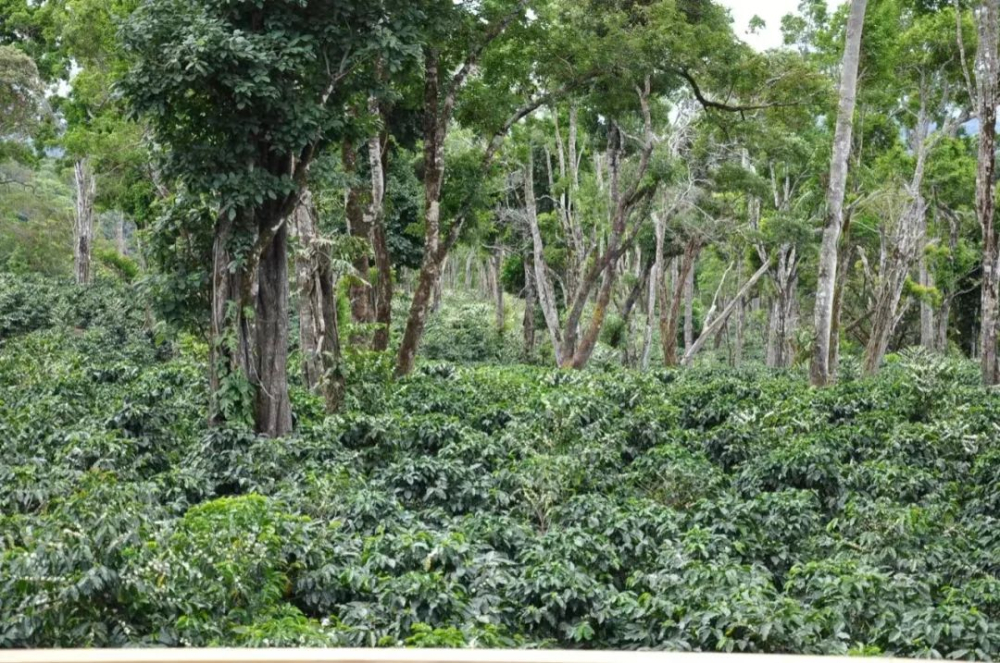
If discussing only from the perspective of roast level, Front Street believes that medium-roasted coffee performs most ideally in terms of sweetness. You can also judge based on flavor descriptions: those with flavor notes such as "cantaloupe, grape, slightly acidic fruit" and other sweeter fruits usually belong to the medium range within medium-light roasting; those described with obvious sweetness characteristics such as "sucrose, maple syrup, chocolate" can be judged as medium range within medium-dark roasting.
How the brewing stage releases sweetness
Once the coffee beans have been selected, the general flavor direction is set and cannot be changed. But in terms of detailed expression, it can still be regulated through different brewing methods. Among these, how to brew out the sweetness of coffee is a question everyone cares about more.
As for the specific brewing methods, Front Street has already shared them in detail in previous articles, so here is a brief summary of three points:
1. Appropriately increasing the pouring temperature helps enhance the sweetness of coffee;
2. Using staged pouring can enhance the sweetness and layered complexity of coffee;
3. Increasing the force of stirring and tumbling the coffee grounds makes it easier to extract sweetness, but it also easily brings out bitter and off-flavors.
The above content is compiled by CoffeeHunters, a coffee news website.


