








How did the Ruiru 11 coffee tree beans come about?
Ruiru 11 is a Kenyan coffee variety released in 1985 to solve a specific problem: SL varieties cup well but resist pests and diseases poorly. After coffee berry disease destroyed roughly half of Kenya's production capacity in 1968, the Ruiru research station began breeding for resistance, and Ruiru 11 emerged from that program with a broad genetic base.
Its parentage includes Catimor, Rume Sudan, Bourbon, K7, N39 and SL28. For growers planting coffee trees, the practical draw is speed and density: Ruiru 11 can reach a first harvest within about two years, and up to 3,000 trees fit on a single hectare. It also needs less pesticide and fertilizer, though its cup quality remains debated.
Kenyan coffee has long been renowned for its SL series varieties, but although SL varieties are outstanding in quality, they are extremely vulnerable to pests and diseases. To address this dilemma, the Kenyan coffee industry began promoting new varieties that combine disease resistance with climate adaptability, and Ruiru 11 is a representative example. This variety, officially released in 1985, has what kind of breeding story behind it? Why is it popular among farmers, yet also triggers quality controversies? This article will give you a comprehensive understanding of the background of Ruiru 11's creation, its varietal characteristics, cultivation advantages, and the challenges it currently faces. If you are interested in Kenyan coffee, Front Street Coffee also has related beans available for tasting.
Kenyan coffee has always earned its reputation in the international market through SL series varieties, yet although SL varieties perform excellently in cupping, they have relatively weak resistance to pests and diseases. Faced with this reality, the Kenyan coffee industry gradually turned its attention to varieties with stronger disease resistance and climate adaptability, and Ruiru 11 is one of the most closely watched.
In 1968, coffee berry disease (CBD) broke out on a large scale, and about half of Kenya's coffee production capacity was damaged as a result. Entering the 1970s, the coffee research station located in Ruiru launched a systematic breeding program for CBD-resistant varieties, and it was against this backdrop that Ruiru 11 was bred and officially released in 1985.
According to information provided by World Coffee Research, Ruiru 11 has a fairly diverse genetic background, incorporating genetic material from several different varieties, including Catimor, Rume Sudan, Bourbon, K7, N39, and SL28.
Compared with other varieties that have longer growth cycles, Ruiru 11 can usually complete its first harvest within two years after planting. Its plants are short and compact, which means growers can plant more coffee trees on limited land, thereby increasing yield per unit area. At the same time, Ruiru 11 requires less pesticide and fertilizer than other mainstream Kenyan varieties, which helps ease the economic pressure on farmers.
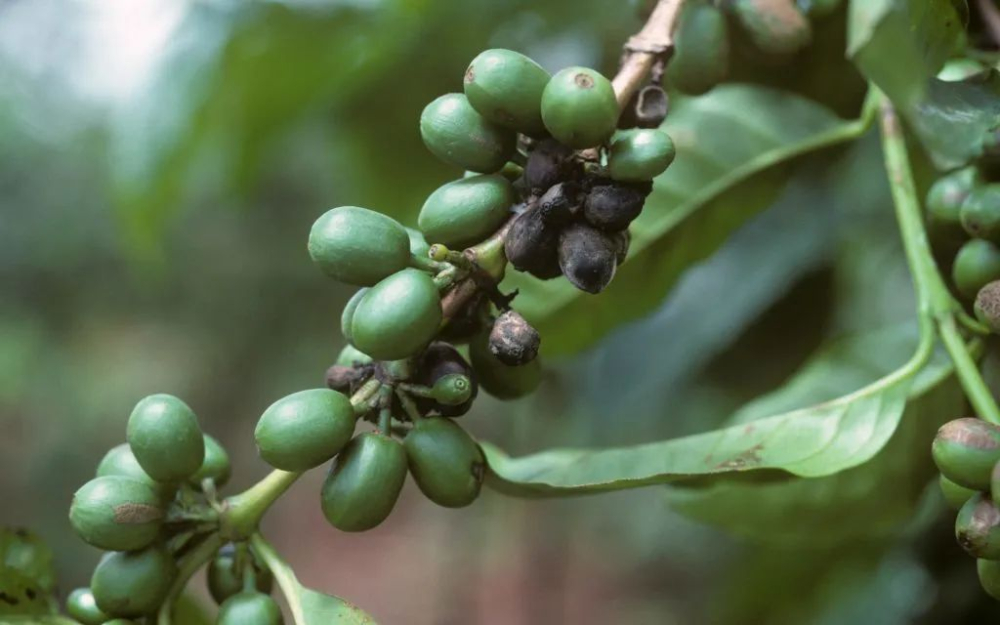
Under ideal cultivation conditions, up to 3,000 Ruiru 11 trees can be planted per hectare, and they can continuously and steadily produce large quantities of fruit, making them highly favored by growers.
However, despite Ruiru 11's obvious advantages at the cultivation level, some Kenyan farmers still have doubts about whether its quality can match that of SL varieties—they worry that this will lead to lower prices. In fact, few consumers can truly distinguish the flavor differences between Ruiru 11 and SL varieties. This is largely because Ruiru 11 is still regarded as a "young" variety in Kenya, and its sensory characteristics still await more thorough exploration and research.
Because the large-scale propagation of Ruiru 11 relies on manual pollination, producing enough seeds to meet farmers' needs is not easy. Growers hope that coffee research institutions can overcome this problem by cultivating more seeds and broadening producers' access to seeds.
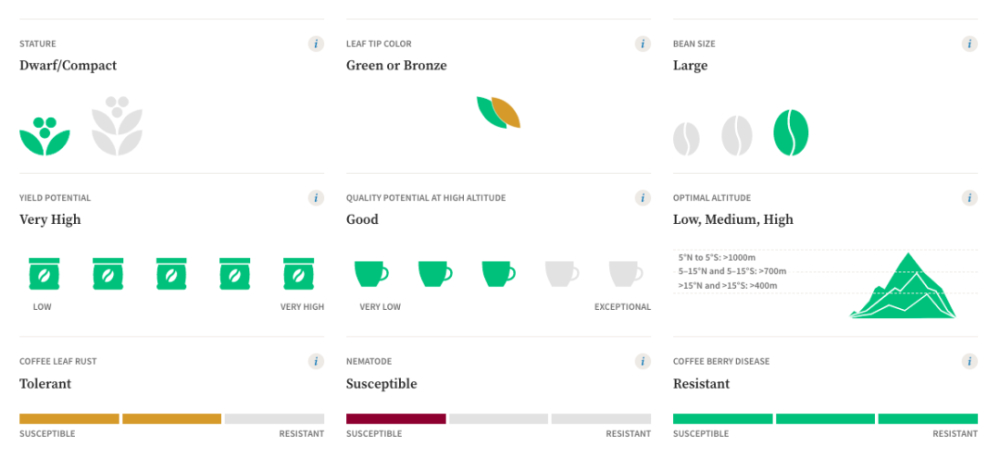
Ruiru 11 shows broad tolerance to a variety of major diseases. Some researchers and producers believe that as the variety continues to evolve, it will continue to adapt to Kenya's soil and climate conditions, and research on how to better cultivate this variety is also expected to begin soon. However, whether this vision can ultimately be realized still depends on whether the seed supply is sufficient.
Disclaimer: Some images in this article are from the internet. For some content on the website, such as images, we will respect the original author's copyright and indicate the source, but due to the large quantity, some images and texts may not have been credited in time; please understand. If the original author has any dispute, they may contact the website for handling, and once verified we will correct it immediately. Compiled and edited by "Coffee Review vdailycom"; please indicate the source when reposting. This article is intended to spread coffee culture. If there is any infringement, please inform us for deletion. Thank you~!
The above content is compiled by CoffeeHunters, a coffee news website.


