







Search Results for: Crossbreeding

Ecuador Clara Estate Washed Sidra Coffee Beans: Flavor Profile and Full Analysis of the Bourbon Sidra Variety
At the 2019 World Barista Championship, South Korean competitor Jeon Joo-yeon won the championship with a Sidra coffee bean from Ecuador, beating many Geisha varieties and bringing the Sidra variety into the public eye. In 2022, Anthony Douglas won again with Sidra, which further sparked the industry's curiosity about it. After investigation, Front Street Coffee found that Sidra is a variety developed by an Ecuadorian coffee research center in the 1990s by crossing Typica with local Red Bourbon, and due to its outstanding flavor, small-scale commercial cultivation gradually began. The Sidra Jeon Joo-yeon used that year came from Hacienda La Clara—a specialty coffee estate located on the Loja plateau and established in 2014. This article will introduce the varietal origins of Sidra, the terroir conditions of Hacienda La Clara, as well as the flavor performance of this washed Sidra and Front Street Coffee's brewing suggestions. [more…]
A Detailed Guide to the Three Bourbon Coffee Varieties: Red, Yellow, and Pink—Fruit Color, Flavor Characteristics, and Rarity Compared
Bourbon is a classic, long-standing variety within Arabica coffee. As the fruit gradually matures, its skin undergoes a transition from green to yellow, and then to red, ultimately giving rise to three distinct color types of Bourbon: red, yellow, and pink. This article will interpret the characteristics of Red Bourbon, Yellow Bourbon, and Pink Bourbon one by one: Red Bourbon has outstanding aroma and bright acidity, often carrying a wine-like nuance; Yellow Bourbon, resulting from hybridization, develops particularly prominent flavors when cultivated at high altitudes; Pink Bourbon is especially rare because its recessive genes are highly prone to interfering with each other, and it is currently mainly distributed in Colombia and Guatemala. At the end of the article, Front Street's Brazil Queen Estate Yellow Bourbon and Colombia Pink Bourbon bean lists are also included for enthusiasts to refer to when purchasing. [more…]
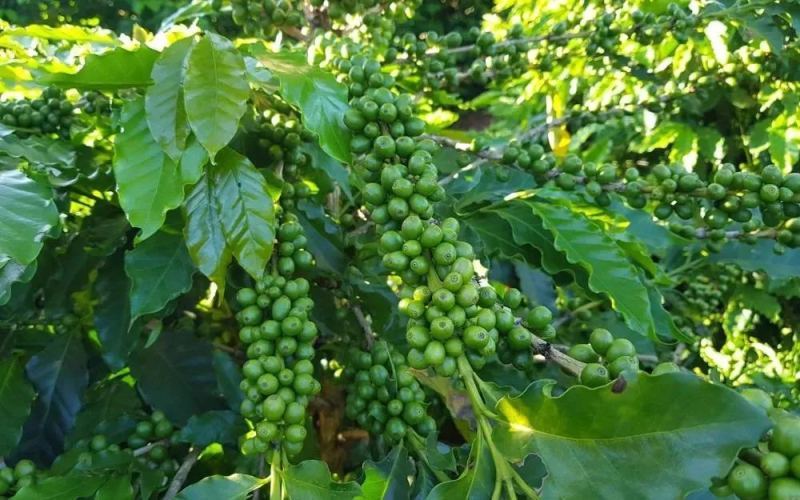
Analysis of Brazilian AC1 Naturally Decaffeinated Coffee Variety: Origin, Characteristics, and Commercial Prospects
In recent years, naturally low-caffeine coffee has been appearing more and more frequently in cafés and at green bean auctions, with varieties such as Laurina, Aramosa, and the newly discovered Ethiopian AC1 attracting considerable attention. AC1's caffeine content is only about 0.76 mg/g, far lower than that of ordinary Arabica. This variety originated from Ethiopian seed resources and was later discovered and studied by the Brazilian Agronomic Institute (IAC) at Santa Elisa Farm. Although AC1 is chemically similar to mainstream varieties and has strong resistance to coffee leaf rust, its low yield and demanding growing conditions pose challenges to its commercialization. The IAC is now developing new varieties with even lower caffeine content and higher yields through crossbreeding. Front Street Coffee continues to follow the latest developments in this field. [more…]

2022 BOP Competition Hacienda La Esmeralda Chicho Gayo: Is It a Geisha Variety? Unveiling the High-Scoring Coffee in the Traditional Group
The results of the 2022 Best of Panama (BOP) green bean competition are in, and beyond the rankings of the various estates, one coffee bean that broke the historical high-score record in the Traditional category—Chicho Gayo from Hartmann Estate—has sparked heated discussion. Is it actually a Geisha variety? Why was it disqualified last year, yet this year won the Traditional category championship? This article will take you deep into the origins of this coffee bean, the story of its variety cultivation, and its connection to and differences from Geisha. At the same time, we will also share the overall performance of this year's BOP competition under climate challenges, as well as Front Street Coffee's attention to and recommendation of this bean. Whether you are a coffee enthusiast or a professional in the industry, this article will unveil the mystery of Chicho Gayo for you. [more…]
An Analysis of the Three Major Coffee Varieties: Arabica, Robusta, and Liberica — A Complete Overview of the Characteristics of Typica, Bourbon, Geisha, and Maragogype
There are many coffee-producing countries around the world, and coffee beans from Brazil, Colombia, Indonesia, and elsewhere each have their own strengths. Classified by variety, coffee is mainly divided into three major categories: Arabica, Robusta, and Liberica. Among them, Arabica has an elegant flavor and prominent sweetness, and nearly all specialty coffee shops on the market choose it. Common varieties include Typica, Bourbon, Catimor, and others. Typica is the oldest tree species and has given rise to well-known varieties such as Blue Mountain and Maragogype; Robusta, on the other hand, is heat-tolerant and high-yielding, and is mostly used for instant coffee. Crossbreeding between the two has also produced varieties such as Castillo that combine flavor with disease resistance. This article will guide you through these coffee varieties one by one, covering their appearance characteristics, flavor performance, and cultivation stories, and will also share Front Street Coffee's product selection experience. [more…]

Complete Guide to Coffee Varieties and Flavor Comparison: From Typica and Bourbon to Geisha
The world of coffee varieties is intricate and diverse, with over 500 species of coffee trees globally and as many as 6,000 varieties. However, those with real commercial value and widespread cultivation are mainly concentrated in the two major systems: Arabica and Robusta. Front Street Coffee has systematically sorted out the origins, characteristics, and flavor profiles of major varieties and their mutations, from Typica and Bourbon to Geisha, while also introducing the cupping characteristics and brewing parameters of classic regional coffees such as Mandheling, Blue Mountain, and Kona. Through a combination of text and images, this article helps coffee enthusiasts build a clear understanding of the relationship between coffee varieties and taste. Whether you are a novice just starting out or a seasoned enthusiast, you will find practical reference information here. [more…]
Analyzing the Relationship Between Arabica and Specialty Coffee: An Overview from the Three Primary Species to Major Varieties Such as Bourbon, Typica, and Geisha
Many people habitually equate Arabica coffee beans with specialty coffee beans, but from a definitional standpoint, specialty coffee is necessarily Arabica, while Arabica does not necessarily reach specialty grade. This article begins with the global spread of coffee varieties throughout history, sorting through the varietal distribution of major producing regions such as Africa, Latin America, Asia and the Pacific, and Australia, then moves into a botanical taxonomy perspective, introducing the three primary species—Arabica, Robusta, and Liberica—and expanding one by one on the origins, characteristics, and flavor profiles of common varieties such as Typica, the Bourbon family, Caturra, Catuai, Pacas, Mundo Novo, Tim Tim, Catimor, and Geisha, while interspersing information on representative products from the Front Street Coffee brand, helping coffee enthusiasts build a clear framework for understanding varieties. [more…]
Pink Bourbon Coffee Variety Analysis: Colombian Flavor Characteristics and Pour-Over Parameter Practical Sharing
Pink Bourbon, a cross between Red Bourbon and Yellow Bourbon, is especially prized for its poor reproductive stability and scarce yields. This article will guide you through the origin background, processing method, and flavor profile of this Front Street Colombia Pink Bourbon, along with complete pour-over extraction parameters and step-by-step instructions, enabling coffee enthusiasts to recreate at home the juicy sensation interwoven with grapefruit, blueberry, and sweet orange, and to experience the charm of its mid-palate floral notes and lingering yellow sugar finish. [more…]
Exploring Colombia Sakura Coffee Beans: A Full Analysis of the Double Anaerobic Washed Process and Flavor
Front Street Colombia Sakura coffee beans are produced at Finca El Paraiso in the Cauca region and use a double anaerobic washed processing method, an innovative technique that has attracted considerable attention in recent years. Since it began operating in 2008, Finca El Paraiso has continuously improved its coffee quality, and in 2015 it even won first place in a Cauca regional competition. This Sakura bean uses the Castillo variety, which combines high disease resistance with excellent flavor. This article will introduce in detail its origin background, processing method, and variety source, and share V60 brewing parameters and flavor experience, giving you a comprehensive understanding of this bean's unique charm. [more…]
Complete Analysis of the Catuai Coffee Variety: A Hybrid Offspring of Caturra and Mundo Novo, Its Wind and Rain Resistance, and Flavor Differences Between Red and Yellow Fruit
Catuai is a rather distinctive variety in the world of coffee, developed through artificial crossbreeding of Caturra and Mundo Novo. It originated in Brazil and is now widely cultivated throughout Central America. It is naturally highly resistant to wind and rain, making it especially suited to regions with variable climates. The plant is relatively short, and its fruit holds firmly to the branch, making harvesting difficult. It also exists in both red-fruited and yellow-fruited types. As for the flavor differences between red and yellow fruit, cupping experience shows that although yellow fruit can show acceptable acidity, its cleanliness often falls short of red fruit. Front Street Coffee's bean list also includes several Catuai variety coffees, and this article will give you a comprehensive understanding of this variety's origins, development, and flavor profile. [more…]
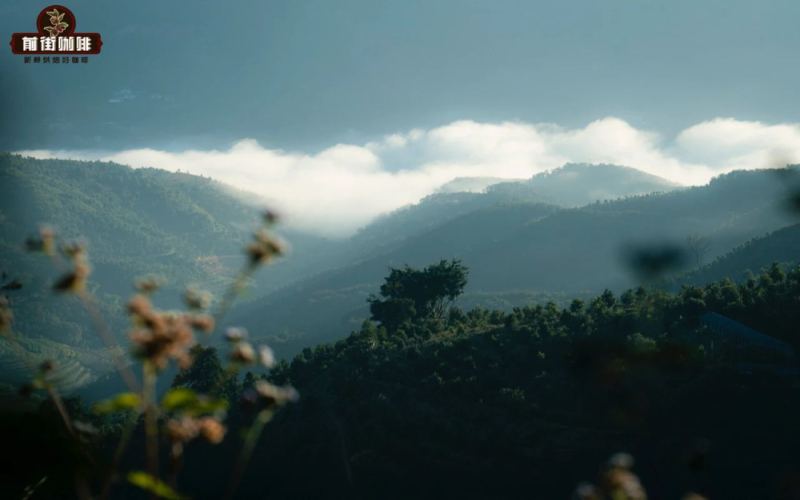
The Flavor Truth of Yunnan Washed Catimor Arabica Coffee and an Analysis of Its Path to Specialty Status
Yunnan coffee is gaining increasing recognition within China, yet most enthusiasts have limited understanding of its varietal composition and current specialty status. Front Street Coffee currently offers two Yunnan beans: the Typica variety is classified under the specialty series, while the Catimor variety is conventionally called Yunnan small-batch coffee in the market. Both are medium-roasted to present a balanced profile of nuts, brown sugar, and soft fruit acidity. This article will trace the varietal origins of Yunnan Catimor, its shifting fortunes relative to Typica, analyze the impact of high-altitude cultivation and post-processing on flavor, and share Front Street Coffee's five-year cultivation practice from seed to cupping. At the same time, we will verify rumors one by one regarding Yunnan green bean competition scores, CQI records, and other claims, exploring the real path of Yunnan coffee toward specialty status. [more…]
Analysis of the Flavor Characteristics of the Caturra Coffee Variety and Its Relationship with Bourbon Coffee Beans
Caturra is a natural mutation of Bourbon, developed and promoted by the Alcides Carvalho Coffee Center at the Agricultural Research Institute of São Paulo State in Brazil, and it has had a profound influence on the global coffee industry. This article will introduce in detail the discovery history of Caturra, its plant characteristics, flavor performance, and its genetic relationship and differences with Bourbon coffee beans. The Caturra plant is short with short internode spacing, has higher yield than Bourbon, matures faster, has stronger disease resistance, and broad adaptability, performing best in areas at altitudes of 1,200 to 2,000 meters with annual rainfall of 2,500 to 3,500 millimeters. In addition, the article will also mention similar mutant varieties such as Pacas and Villa Sarchi, and share Front Street Coffee's dedication to coffee knowledge and giving back. [more…]
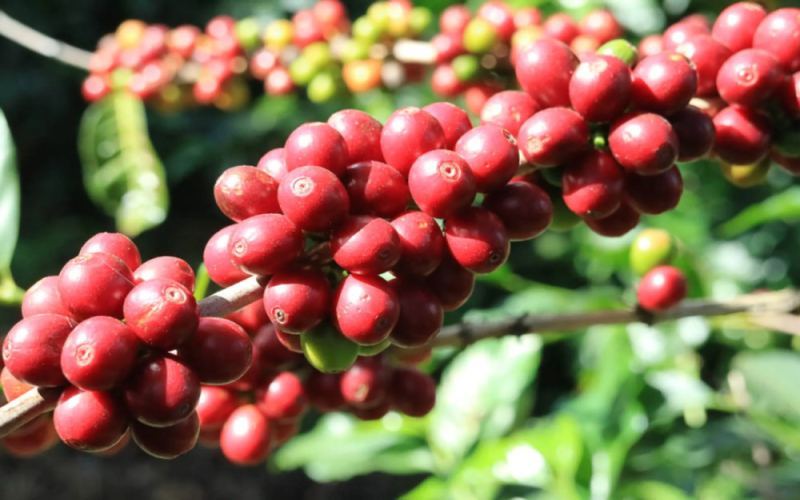
Exploring Sidra and Pacas: The Origins, Characteristics, and Current Cultivation Status of Two Distinctive Coffee Varieties
In the world of specialty coffee, beyond common varieties like Bourbon, Typica, and Caturra, some rare bean varieties are gradually coming into the public eye. Sidra and Pacas are two representatives that have attracted much attention. Sidra originated in Ecuador and rose to fame after winning the World Coffee Championship, and now performs brilliantly in Colombia's Huila region; Pacas is a natural mutation of Bourbon and is widely grown in El Salvador and Honduras. This article will introduce in detail the origins, genetic characteristics, growing conditions, and flavor profiles of these two varieties, and bring a brewing experience of the Sidra coffee beans from Colombia's Finca La Divisa obtained by Front Street Coffee. [more…]
Origins of the Pacamara Coffee Variety, Flavor Differences Across Producing Regions, and Front Street Brewing Parameters Explained
Pacamara is a hybrid variety that originated in El Salvador in 1958, produced by crossing the Bourbon variant Pacas with the Maragogipe (elephant bean). It combines a large bean size, bright acidity, and full-bodied sweetness. This article will outline the breeding history and physical characteristics of this variety, compare the flavor differences of Pacamara from three producing regions—Guatemala, Nicaragua, and El Salvador—and share Front Street Coffee's V60 brewing parameters and flavor performance, helping coffee enthusiasts gain a comprehensive understanding of this star bean variety that has frequently appeared in cupping competitions in recent years. [more…]
A Detailed Guide to Brazil's Main Coffee Variety Catuai: Flavor Characteristics, Growing Conditions, and the Proper Way to Drink Black Coffee
As the world's largest coffee producer, Brazil is known as the "Coffee Kingdom." Locals treat guests to small cups of strong black coffee called "cafezinho," much like the Chinese serve tea. Among the many Brazilian coffee varieties, Catuai, along with Caturra, Mundo Novo, and Bourbon, is considered one of the four mainstays. This article will introduce in detail the origins of Catuai, its plant characteristics, elevation requirements for cultivation, disease resistance, and flavor profile, while also guiding you through the proper way to enjoy Brazilian black coffee. Front Street Coffee is always dedicated to sharing coffee knowledge, and holds three low-discount events each month so more people can enjoy good coffee at affordable prices. [more…]
Missionary Bourbon Coffee Beans: Origin Story, Flavor Profile, and Washed Brewing Parameters Guide
The coffee world boasts a vast array of varieties, yet the tree species that truly achieve commercial scale and outstanding quality are actually few. Within the extensive pedigree of Arabica varieties, Bourbon is the oldest surviving member, and "French Mission Bourbon" is a living witness to the history of coffee dissemination—it was introduced by French missionaries from the Gulf of Aden in Yemen to East Africa, taking root in Kenya ever since. This article begins with the classification of coffee trees, outlining the botanical characteristics of the Bourbon species and Kenya's coffee grading system, then focuses on Front Street's Kenya Haniya natural beans, analyzing the terroir background of the West Hanna Estate and the Harris family's nearly a century of cultivation heritage. The article also provides Front Street's recommended V60 brewing parameters and describes the layers of yellow plum, lemon, brown sugar, and chocolate flavors presented by this bean under natural processing, offering a complete reference for coffee enthusiasts who appreciate fruity acidity and fermented wine-like aromas. [more…]

Pichincha Province, Ecuador: A Specialty Coffee Region Nurtured by the Andean Volcanic Highlands
In northwestern South America, Ecuador—traversed by the equator—has become an ideal place for coffee cultivation thanks to the volcanic soils and diverse climates of the Andes. Although cocoa and oil long dominated the country’s economy, the coffee industry, after vicissitudes, is gradually reviving. Among them, Pichincha Province in the northern highlands, with an average elevation of 2,800 meters, volcanic-rich soil, and pure water sources, has nurtured the well-known Sidra variety and brought together representative specialty coffee estates such as Meridian Estate and Sacred Hill Estate. Front Street Coffee has noted that this producing region performed impressively in the 2023 Ecuador Cup of Excellence (COE), demonstrating the unique potential of highland coffee in the Andes. This article will take you into Pichincha Province to learn about its terroir conditions, variety cultivation, and estate stories. [more…]
Brazil Pulped Natural Bourbon Pour-Over Parameters Explained: A Comprehensive Analysis from Variety Characteristics to Brewing Methods
The Brazilian Bourbon variety is one of the most iconic varieties in the coffee world; its low acidity, balance, and pronounced sweetness make it a high-quality base bean for espresso blends. Starting from the botanical characteristics of the Bourbon variety, this article compares it with the Catuai variety and takes an in-depth look at the terroir conditions of Brazil's three major specialty coffee regions. Using Front Street Coffee's Brazilian semi-washed Bourbon as an example, it also provides a complete pour-over recipe of 15 grams of grounds, 88-89°C water temperature, and a 1:15 coffee-to-water ratio, helping coffee lovers recreate at home a cup of full-bodied Brazilian specialty coffee with notes of dark chocolate and toasted sunflower seeds. [more…]
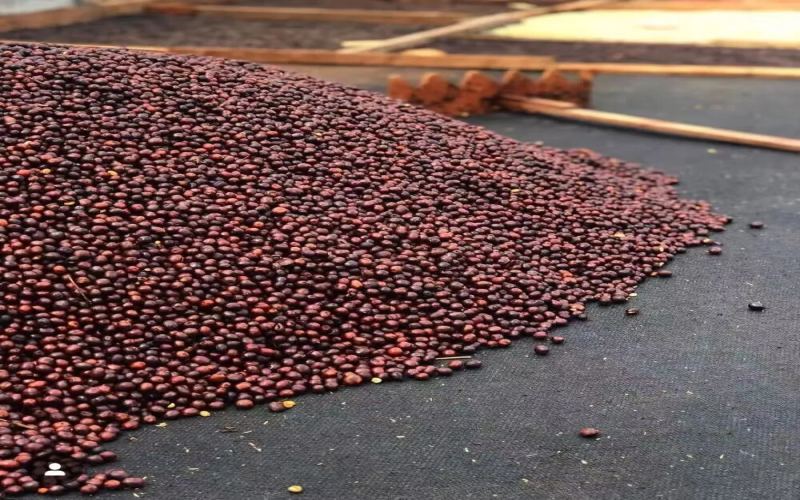
Are Caturra and Catuai coffee beans both Arabica varieties? What are the differences in their flavor characteristics?
"Caturra" and "Catuai" are two varieties under the Arabica umbrella. They may not be as universally well-known as Typica, Bourbon, Geisha, and other varieties, but they are the rising stars that most coffee farmers are eager to cultivate. Whether it's a large estate like La Esmeralda or Elida, or [more…]
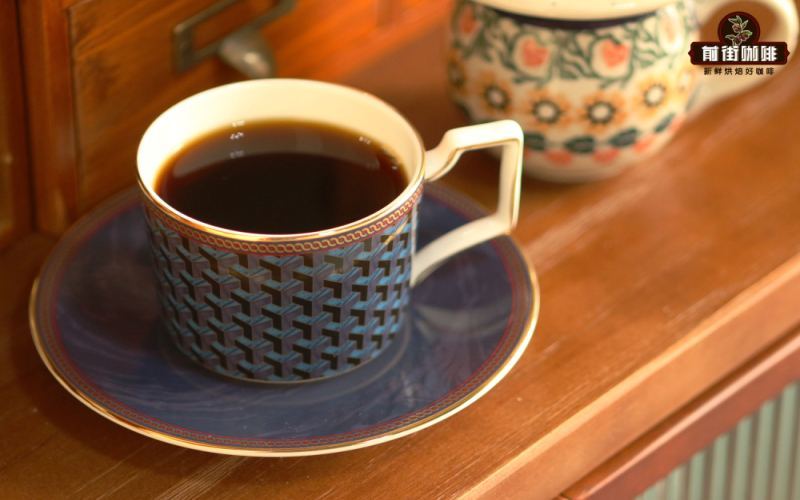
Jamaican Blue Mountain Coffee Flavor Characteristics and Grade Classification: A Detailed Guide to the Typica Variety, Price, and Differences from High Mountain Coffee
Blue Mountain Coffee is one of the most globally renowned coffee categories, originating from the Blue Mountains region of Jamaica, and is celebrated for its highly harmonious balance of acidity, bitterness, sweetness, and body. The highest peak of the Jamaica Blue Mountains stands at 2,256 meters, the tallest in the Caribbean, and its unique geographical and climatic conditions give Blue Mountain Coffee a flavor that is difficult to replicate. The harvest period runs from June to November each year, with hand-picking, followed by steps such as washing, depulping, fermentation, dehydration, sun-drying, hulling, and roasting to produce the finished beans. Only coffee grown within the 6,000-hectare area above 1,600 meters in the Blue Mountains can bear the name Blue Mountain, resulting in scarce yields and prices among the highest in the world. In terms of variety, Blue Mountain Coffee belongs to Typica, an ancient native Arabica variety, and thanks to Jamaica's isolated island environment, its genetic purity has been well preserved. This article will systematically introduce the taste characteristics, variety origins, and grade classifications of Blue Mountain Coffee, as well as the differences between Blue Mountain Coffee and High Mountain Coffee, along with relevant recommendations from Front Street Coffee. [more…]