





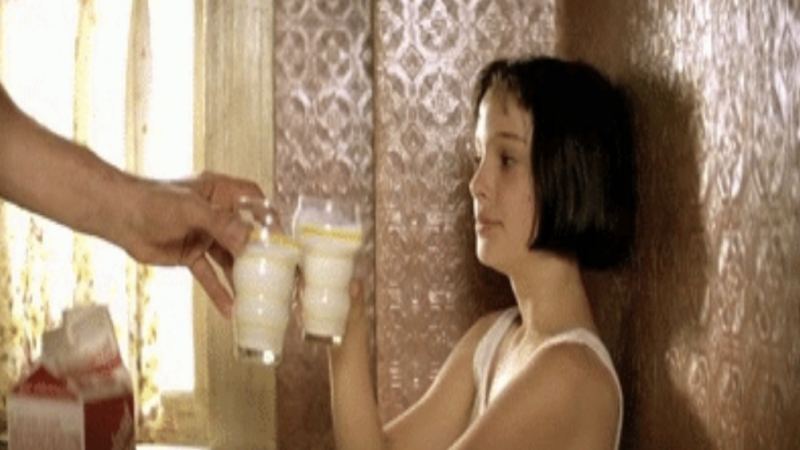
Why does Jersey milk cost more for cafe fair coffee?
Jersey milk commands a price well above ordinary fresh milk because of the breed that produces it. Jersey cows yield a smaller volume of milk per animal than common dairy breeds, but that milk carries a higher butterfat and protein content. That composition is what lets a Dirty or a hot latte taste richer and hold a fuller mouthfeel, and it is the main reason shops pay more for it.
The breed factor explains most of the cost gap. Jersey cattle are smaller, give less milk per lactation, and need more care per liter produced, so the price per liter climbs. In the cup, the higher fat and protein help milk foam hold and add body. Whether that premium is worth it depends on the shop's menu and the coffee beans being paired.
In the specialty coffee world, milk has long ceased to be a dispensable supporting player—it is now the key variable that determines the quality of a milk coffee. From Ice Blog to Jersey milk, coffee shops are becoming increasingly particular about their milk sources. Jersey milk has long been known as the "Hermès of milk," priced far above ordinary fresh milk. What exactly makes it so expensive? How does it perform in a Dirty and a latte? This article will analyze the Jersey cow's breed origins, butterfat and protein content, and other dimensions, while comparing the actual performance of Xiangmanlou, Weipin Jersey milk, and ordinary fresh milk in Dirty and hot lattes, to help you decide whether Jersey milk is worth buying for milk coffee.
In the specialty coffee industry, the factors that determine the quality of a cup of coffee are no longer limited to the grade of coffee beans and the skill of the barista—the milk chosen by the shop is equally pivotal. Once there was Ice Blog, now there is Jersey milk... At some point, coffee shops began a silent competition over milk.
As an indispensable ingredient in coffee shops, milk has also undergone an identity transformation throughout the evolution of coffee culture—from a minor supporting player used merely to mask the bitterness of coffee, to a key role capable of elevating the mouthfeel and complexity of the entire drink.
Although more and more consumers today are pursuing the flavor expression of the coffee itself, the market demand for milk coffee remains strong. In order for customers who prefer milk coffee to capture the unique flavors of coffee beans within the embrace of milk, the combination of "cold milk + espresso" (that is, Dirty) has become a signature product in many specialty coffee shops.
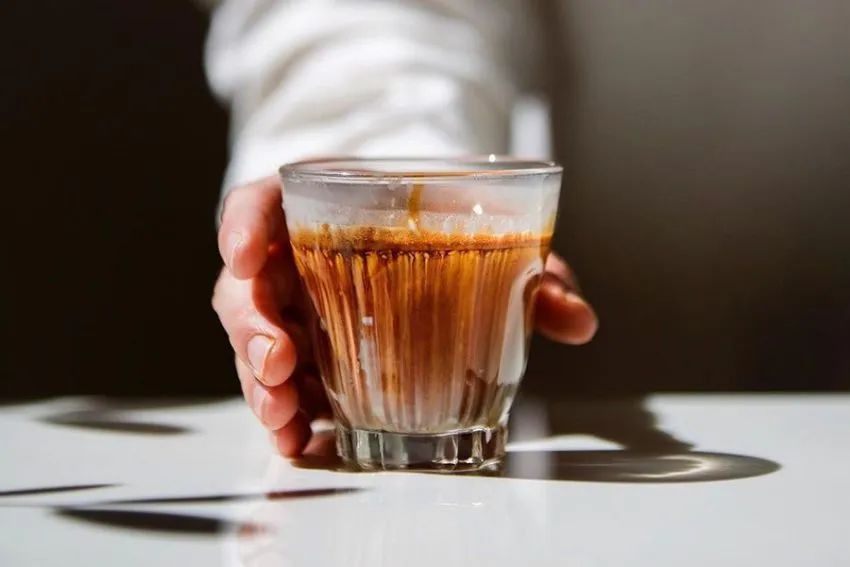
Simply put, a Dirty is a drink made by combining refrigerated milk with espresso. Under the proper extraction of a pressurized espresso machine, the carbon dioxide and insoluble oils in the coffee grounds reach a saturated state and flow out together with the coffee liquid, so a golden crema foam appears on the surface of the coffee.
At this point, well-chilled milk is poured into the cup, and the espresso is dropped onto the milk from a close distance. Due to the difference in liquid density, a layered visual effect of coffee and milk clashing against each other is created. Take a sip, and the impact of alternating hot and cold hits the palate directly, while the flavor, through the sweet blend of coffee and milk, presents complex changes that unfold layer by layer.
With this method, you can not only taste the unique flavors of the coffee beans themselves, but also experience a brand-new taste sensation produced by the combination of coffee flavors with the butterfat and lactose in the milk, as well as the milk's own sweetness. The gradual transition of layers and mouthfeel has secured Dirty's place at the top of the milk coffee world.
It is precisely because of Dirty's popularity that people, in order to make the gradient layers more distinct, have raised higher requirements for milk's body, lactose, and butterfat content. When the industry was still at the stage of using fresh milk, some cutting-edge coffee shops had already begun using ice-distilled purified milk (Ice Blog) to make Dirty; and now, some coffee shops have even taken the lead in using Jersey milk.
Jersey milk has long been recognized as the "Hermès of milk" and is also the latest rising star in the milk world. Why has it suddenly become popular in coffee shops?
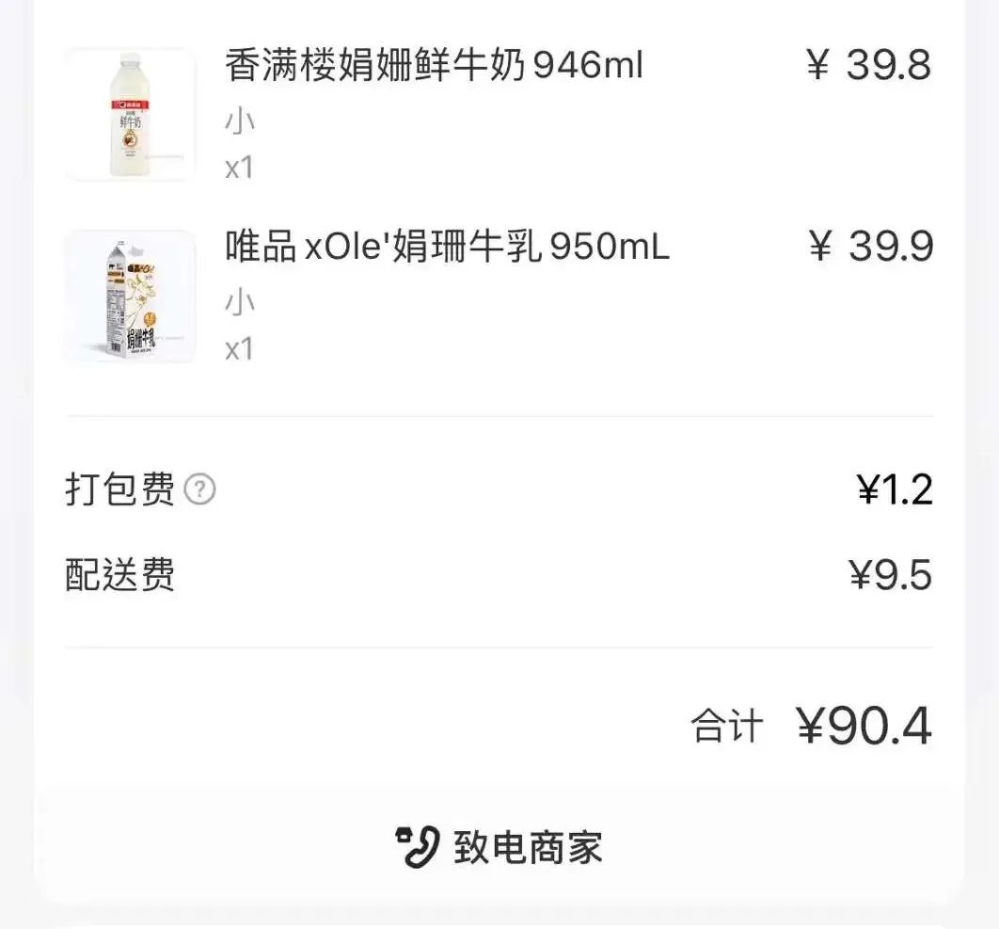
Thinking of this, the writer suddenly had a whim, opened a food delivery platform, and ordered two types of Jersey milk that could be bought immediately in Guangzhou... (after placing the order, my heart still ached a little)

If we are to talk about why it can compete so fiercely, price accounts for a large part (it really cost a fortune). Just as the value of luxury goods often stems from their origin stories, the reason Jersey milk is expensive is, to a great extent, also related to the legendary experiences behind it.
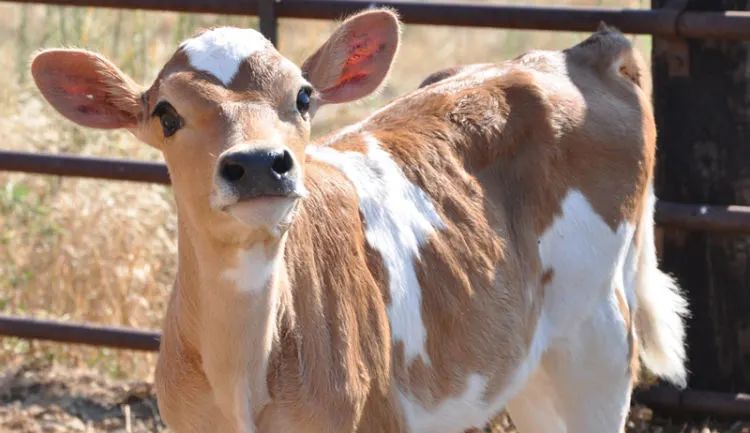
Jersey milk, as the name suggests, comes from Jersey cows, and the hometown of Jersey cows is the British island of Jersey, which is both familiar and unfamiliar to everyone, also known as 哲尔赛岛.
The reason everyone is not unfamiliar with "Jersey" is, on the one hand, because many WeChat friends list their location there, on the other hand, because of the famous horror film The Others, and on yet another hand, because this island is home to the "closed breeding" aristocratic cattle—Jersey cows. It is no exaggeration to say that without Jersey cows, Jersey would not be so widely known.
-Jersey cow
The breed origins of the Jersey cow are variously described, and the exact origin of the breed cannot be verified, but the breeding history of this dairy cow breed is very clear. In order to breed purebred Jersey cows, Britain issued a decree in 1763 prohibiting other cattle breeds from entering the island of Jersey. In 1844, the English Jersey Cattle Society was established, marking the successful breeding of the breed. More than 200 years have passed, and the bloodline of Jersey cows has still not been altered by other breeds.
Compared with the milk source we drink daily—Holstein cattle—it is famous for its fast reproduction rate and large milk output. Jersey cows are exactly the opposite: they are famous for their slow reproduction rate and their small but fine milk output, so the quality and nutritional value of the milk are higher. It is precisely because scarcity creates value that Jersey milk, whether in the past or now, is worth several times more than ordinary milk.
- Holstein cow
When we think a milk tastes good, that is inseparable from its butterfat and protein content. The writer picked up "Guangming Fresh Pasture Fresh Milk," "Weipin Jersey Milk," and the Guangzhou local brand "Xiangmanlou Jersey Milk" for a comparison of butterfat content. Ordinary fresh milk has a butterfat content of 3.9g per 100ml and a protein content of 3.4g; Jersey milk has a butterfat content of 4.9g per 100ml and a protein content of 4.0g; and Ice Blog has a butterfat content of 5.5g per 100ml and a protein content of 6.2g.
Without purification, Jersey milk can still achieve such high butterfat and protein content, and its mouthfeel, body, and aroma among fresh milks are beyond doubt.
Are you now thinking, isn't Ice Blog just as good? Drinking milk is all about freshness. Compared with Ice Blog, which still requires the step of freeze purification, Jersey milk seems much fresher!
At the same time, one special thing about Jersey milk is that its lactose content is not as high as ordinary milk. Ordinary fresh milk has a lactose content of 5.2g per 100ml, while Jersey milk has a butterfat content of 4.8g per 100ml, and the Ice Blog we are familiar with has a butterfat content of 8.3g per 100ml. For those who like high aroma and body but worry about high lactose! Jersey milk can satisfy everyone!!!
Of course, the reason coffee shops are now starting to choose Jersey milk to make Dirty is, to a large extent, because Jersey milk's butterfat content is "strong enough" to support the coffee liquid and form a good gradient layering, while its lactose content is not too high, so the milk's sweetness will not excessively dominate the overall flavor of the coffee.
So the writer used an espresso blend of sun-dried Yirgacheffe Red Cherry and Honduras Sherry in a 3:7 ratio to make three Dirty coffees with different brands of milk. (The characteristic flavors of this coffee bean lie in vanilla cream, soft berry acidity, and a nutty finish.)
The Xiangmanlou contender could express the nutty vanilla cream aroma in the blended coffee beans, but the berry-like acidity was masked. During the gradient process, one could feel the overall body of the coffee and the body of the milk itself, but the flavor layers were not obvious.
The Weipin contender could express berry-like acidity and vanilla cream flavors, but perhaps because this contender's lactose was higher than Xiangmanlou's, during the gradient process one could feel the coffee's layers and the milk's sweetness. The flavor layers were obvious, but it lacked a solid mouthfeel.
The ordinary fresh milk contender, however, because its butterfat content was not high, had weaker supporting strength; the coffee's overall performance was rather thin, and the flavor layers were not strong either.
(Why was the Dirty layering not particularly obvious? Because the blended coffee beans used this time were not roasted especially dark, and during extraction, in order to preserve the coffee's own vanilla cream flavors and berry acidity, the overall concentration of the coffee was not especially high either, so there was not the strong layering effect we usually see in a Dirty.)
For fairness, the writer also made three hot lattes with different brands of milk, and stirred them evenly to ensure the milk and coffee were fully integrated before tasting.
The Xiangmanlou contender had a more noticeable milky barnyard odor after heating. After fully blending with the coffee, the milk flavor was too prominent and covered most of the coffee's own taste.
The Weipin contender, after heating, had a more obvious sweetness from the milk. After fully blending with the coffee, one could drink sweet coffee without adding sugar, but the milky barnyard odor was still fairly noticeable, and only by tasting carefully could one detect the coffee's own flavor.
Although the ordinary fresh milk contender was unremarkable after heating, after fully blending with the coffee it did not steal the spotlight from the coffee's own flavor, so drinking it offered the aroma of nutty vanilla cream and a slight berry-like sweet acidity.
If you drink Jersey milk on its own, the mouthfeel and richness are really great!!! Xiangmanlou's Jersey milk has a more solid overall mouthfeel, and the milky aroma is also more obvious. Weipin's Jersey milk has a smoother overall mouthfeel, and the milky sweetness is also more obvious. (This may be the difference between cows from the north and the south.) Ordinary fresh milk is relatively balanced overall, with no particularly outstanding mouthfeel or flavor.
Jersey milk is delicious! But it is not universally compatible... Perhaps paired with a certain kind of coffee, it can highlight its own distinctive flavors while also producing another unique flavor after blending with Jersey milk.
Is it special? Special... expensive! If you are just buying it for daily drinking, an occasional indulgence is still a good choice, but I really do not recommend using it to make milk coffee—I worry that if you cannot find a coffee that perfectly matches Jersey milk, you will be disappointed...
"Will you continue doing reviews of other Jersey milks?"
"No, it's just too expensive!"
Some image sources: Internet
For professional coffee knowledge exchange and more coffee bean information, please follow Coffee Workshop (WeChat public account: cafe_style)
For more specialty coffee beans, please add the private WeChat Front Street Coffee (FrontStreet Coffee), WeChat ID: qjcoffeex
The above content is compiled by CoffeeHunters, a coffee news website.


