







Search Results for: WCR
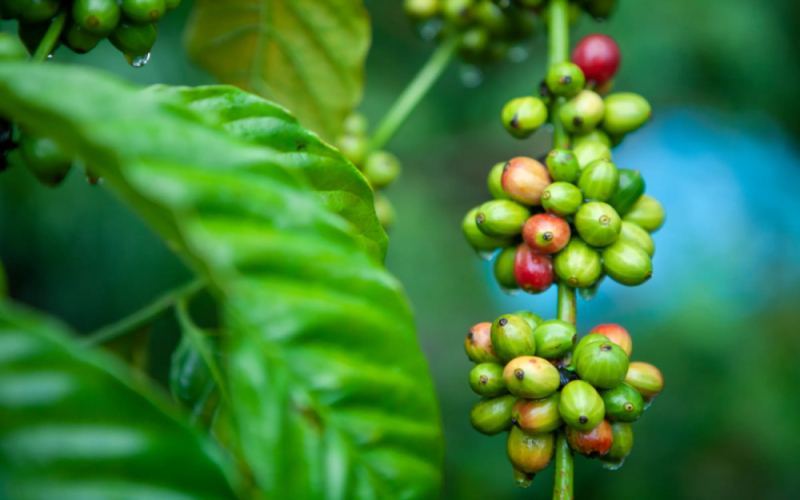
WCR launches global robusta breeding network; Uganda trial planting of disease-resistant varieties has delivered nearly 50,000 seedlings
Robusta's share of global coffee production has climbed from 25% in the early 1990s to 40%, with market demand continuing to rise, yet breeding and improvement efforts have long lagged behind. WCR predicts that if consumption growth overlaps with the climate crisis, the global coffee supply could face severe shortages in 2024. To address this, WCR is about to launch a Robusta breeding program using a large amount of genetic material provided by CIRAD, and will work with major producing countries to build a global breeding network. Meanwhile, planting trials in Uganda have already been implemented, distributing nearly 50,000 disease-resistant Robusta (KR) trees to farmers. Front Street Coffee continues to monitor the industry trends and variety innovations in Robusta. [more…]
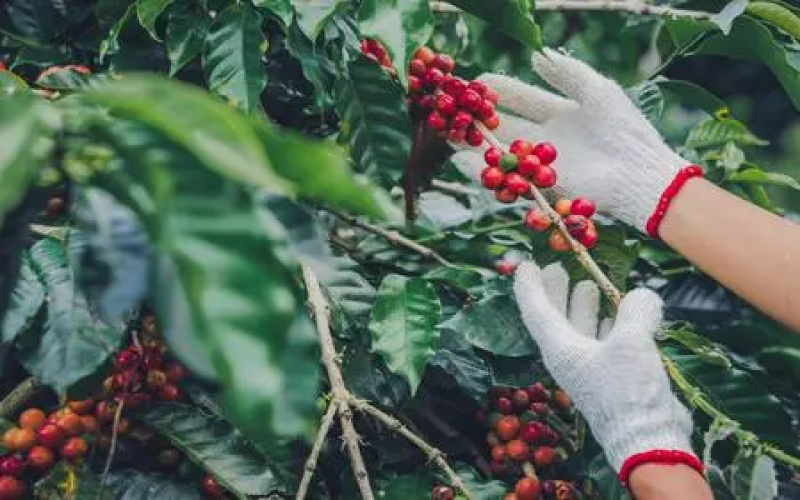
Philippine Coffee Industry Achieves Breakthrough: ACDI/VOCA Partners with WCR to Complete Five-Year Project, Legally Introduces New Arabica Varieties for the First Time
Recently, the five-year Philippine Coffee Advancement and Farm Enterprise (PhilCAFE) project, funded by the United States Department of Agriculture and implemented through a partnership between ACDI/VOCA and World Coffee Research (WCR), has officially concluded. Launched in 2019, the project aimed to improve coffee production and quality, empower farmers, and support the skills development of national researchers and producers. The project legally introduced new Arabica varieties to the Philippines for the first time, established 18 on-farm technical trials and 2 coffee variety trial sites, paving the way for innovation in the Philippine coffee industry. Front Street Coffee notes that this initiative is expected to help the Philippines cope with climate change-induced yield declines and provide farmers with more high-yielding, climate-resilient, and pest- and disease-resistant variety options. [more…]
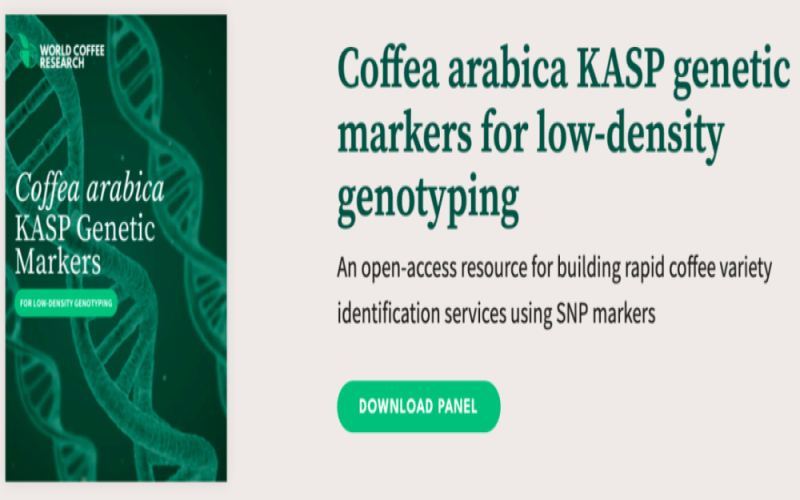
World Coffee Research releases Arabica SNP genetic fingerprint database covering 23 common varieties.
The World Coffee Research (WCR), in collaboration with the Swedish laboratory Intertek Agritech, collected samples of common Arabica varieties in Latin America and Africa, successfully constructing a reference database based on SNP fingerprints. This database currently covers 23 varieties and is open to the public free of charge, aiming to address the long-standing issue of variety misidentification in the coffee industry caused by the high cost of genetic testing. Through simple leaf collection and genotyping, producers can verify the genetic purity of coffee trees at low cost, avoiding economic losses caused by variety mismatches. WCR plans to continue expanding the number of varieties in the future, promoting variety identification and protection in the coffee supply chain. [more…]
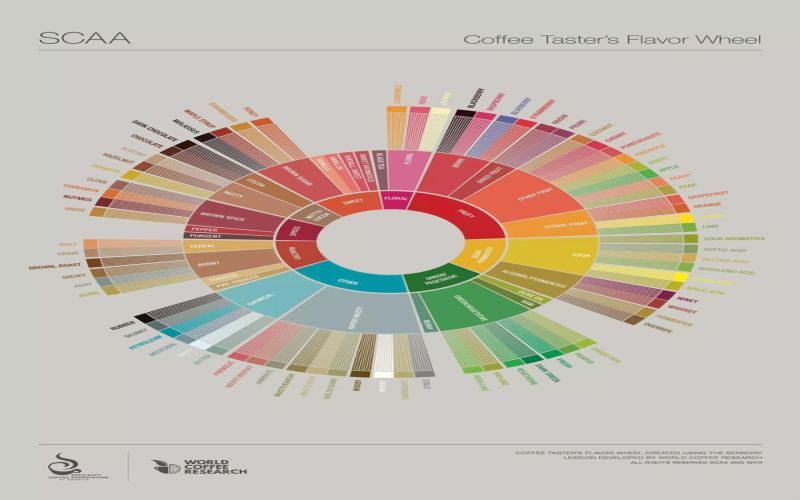
2017 SCAA Coffee Flavor Wheel High-Definition Illustrated Detailed Explanation: Chinese-English Versions and the Historical Evolution of the Flavor Wheel
In January 2016, the SCAA, in collaboration with WCR, undertook the first major revision of the coffee flavor wheel in over two decades—a change that drew widespread attention in the coffee community. As a vital tool for cuppers and roasters, the flavor wheel provides a common language for sensory evaluation of coffee. This article traces the origins and evolution of the flavor wheel in detail, interprets the latest high-resolution Chinese-English comparison chart, and explores its key role in enhancing coffee quality. It also retains relevant recommendations from Front Street Coffee for coffee enthusiasts' reference. [more…]
Under the double assault of climate stress and disease, Indonesia's coffee production is declining—can the Komasti resistant variety break through?
In recent years, Indonesia's coffee industry has faced severe challenges under the dual pressures of climate change and farm pests and diseases. The USDA Foreign Agricultural Service predicts that Indonesia's coffee exports will decline by 32% year-on-year in 2023/24. Previously, excessive rainfall disrupted coffee fruit development, leading to a sharp reduction in yield; now, high temperatures and drought are accelerating the spread of pests and diseases, restricting tree growth and further causing coffee supply shortages. Faced with this situation, the Indonesian Coffee and Cocoa Research Institute (ICCRI) continues to seek solutions through agricultural research, including the introduction of the disease-resistant and high-yielding Komasti Arabica variety. In 2022, ICCRI partnered with the World Coffee Research Institute to establish a demonstration plot in West Java to showcase the variety's performance to local farmers. Front Street Coffee is paying attention to this important development in Indonesia's coffee industry, and this article will review the research and development background, current promotion status, and future potential of the Komasti variety. [more…]

The Colombian Sidra Favored by WBC Champions: Variety Origins, Genetic Lineage, and Flavor & Brewing Analysis
In the past two years, a coffee variety called "Sidra" has rapidly risen to fame in the specialty coffee circle. Two WBC champions each won with Sidra lots from Colombia's Palma y El Tucán estate and Finca El Diviso, propelling this experimental variety—once relegated to the fields—onto the world stage. In Spanish, Sidra means apple juice or cider. It is generally considered a hybrid descendant of Typica and Red Bourbon, but WCR genetic identification shows it is closer to Ethiopian landraces, and its origins remain unclear to this day. In this article, Front Street Coffee will sort through Sidra's origin story, genetic research, plant characteristics, and flavor performance, and share a cupping experience and pour-over recommendations for Finca El Diviso's anaerobic natural Sidra, giving you a comprehensive understanding of this champion variety that combines floral aromatics with high-sweetness fruit notes. [more…]
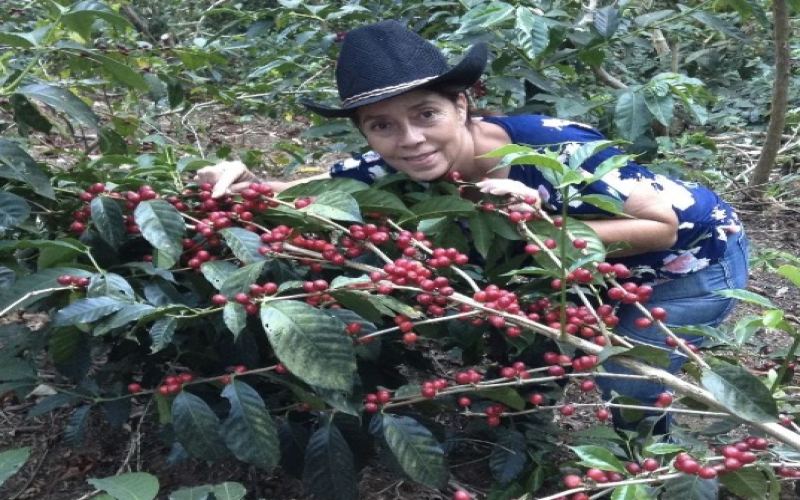
COE Rare bean variety introduction: Elefante Elephant Bourbon, San Roque.
In the winning batches of the COE competitions in Costa Rica and El Salvador this year, there are two new bean varieties mixed among the well-known varieties such as Geisha, which are particularly eye-catching. Elefante, in Spanish, means elephant. I [more…]
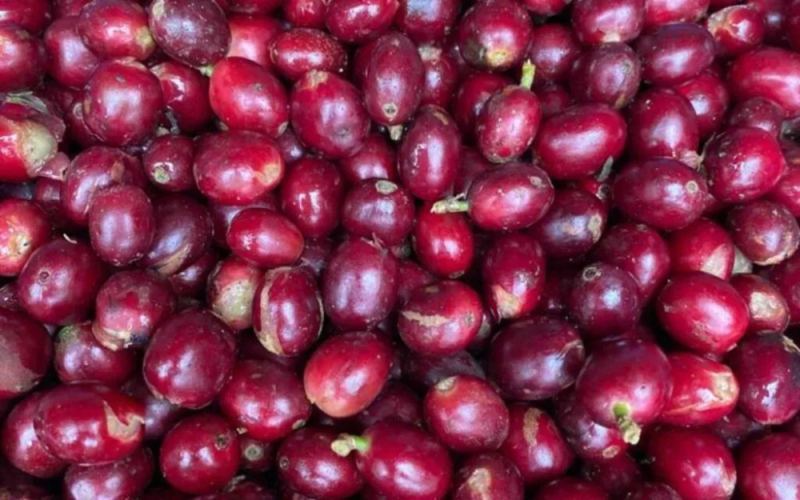
What Exactly Is the Improved Typica Mejorado Variety? A Full Analysis of the Origins and Flavor of This Rare Coffee Variety
Typica Mejorado is one of the representative bean varieties of Ecuadorian specialty coffee. Although its name contains "Typica," it actually has no direct genetic relationship with Typica. It originated from a breeding trial project established by Nestlé in Pichincha Province, Ecuador, and was created by crossing Red Bourbon with Ethiopian native varieties. It became popular among local coffee farmers due to its outstanding pest resistance. At Ecuador's first COE in 2021, Typica Mejorado took 10 of the 23 winning beans scoring above 87 points, and its fame soared thereafter. This article will help you gain a comprehensive understanding of this rare variety from the perspectives of its origins, genetic identification, competition performance, and flavor characteristics. [more…]
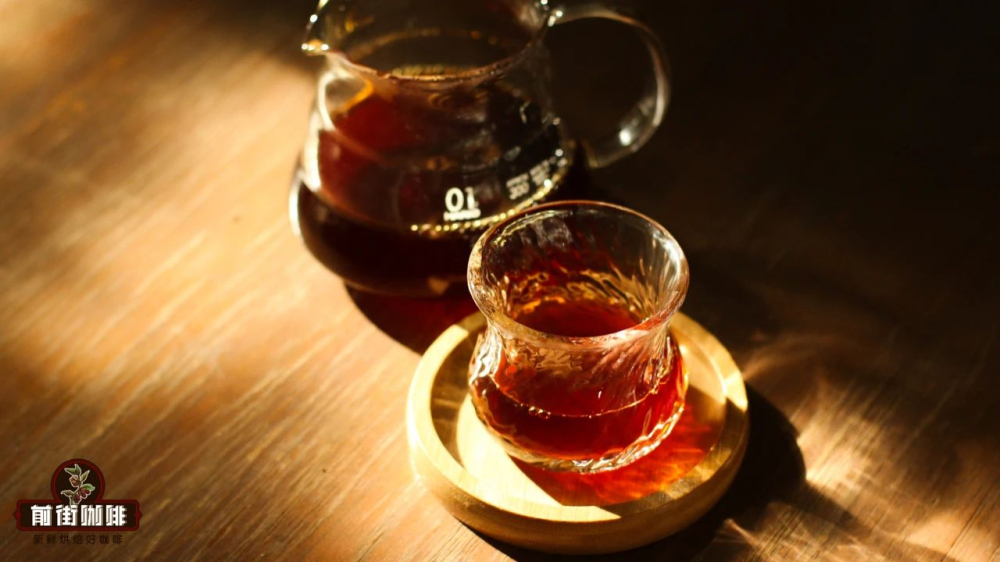
High-Resolution Coffee Flavor Wheel Reference Chart Download | How Can Coffee Beginners Understand the Coffee Flavor Wheel? How to Taste and Describe Single-Origin Coffee Flavors?
A large part of the reason the coffee flavor wheel was created was to meet the tasting standards that emerged after coffee became more specialty-oriented. It also drew on wine tasting and cupping, gradually evolving from vague, general flavor descriptions into a detailed, logical flavor wheel. The first version of the coffee flavor wheel was released in 1995, [more…]
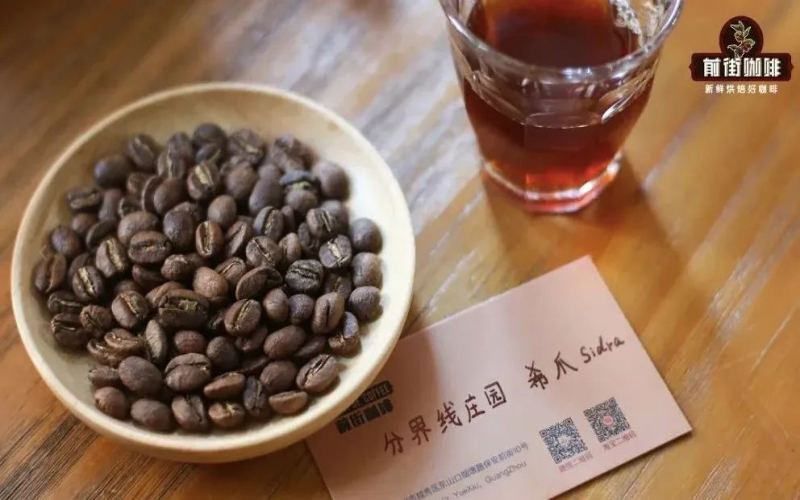
A Complete Analysis of the Sidra Coffee Variety: From Its Ecuadorian Origins to Its Rise to Fame in Colombia
In recent years, Sidra has frequently taken top honors in world coffee competitions, becoming a hot variety in the specialty coffee scene. Many people assume it originated in Colombia, but its story actually begins at a Nestlé breeding center in Ecuador. This article will walk you through Sidra's botanical characteristics, origin history, genetic testing results, and why it has not been widely cultivated globally. At the same time, Front Street Coffee has selected Sidra beans from Finca La Divisa in Colombia's Huila region, delivering grape, passion fruit, and honey-like sweetness that is well worth trying. [more…]
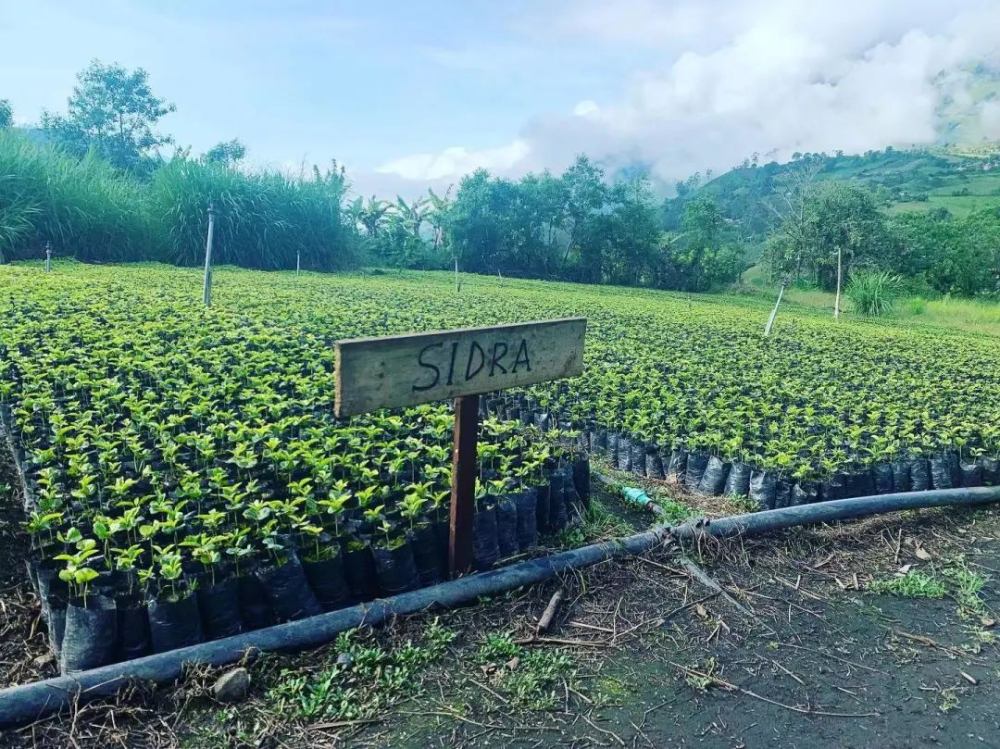
Colombian Sidra Coffee Beans | Flavor Characteristics of Anaerobic Fermentation Sun-Dried Sidra Coffee Beans and Introduction to the Sidra Coffee Variety
"Variety" is another consideration some friends use when selecting coffee beans, in addition to flavor and origin. Sidra, transliterated from "Sidra," also known as "Sydra" or "Bourbon Sidra." In Spanish, Sidra means "apple juice." [more…]
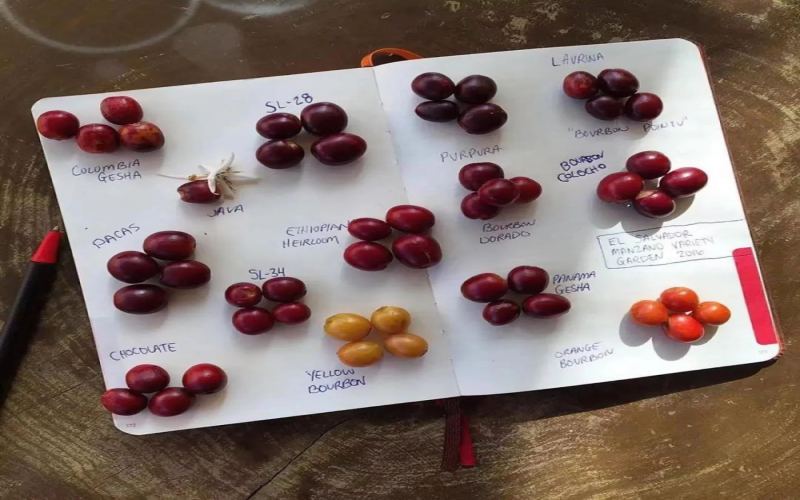
What are the differences between Typica and Bourbon? What is the relationship between Panama Geisha and Huakui?
There are many coffee varieties, and many common ones on the market actually originate from the two great elders under Arabica—Typica and Bourbon. This article starts with identification by appearance, and introduces Typica, Bourbon (Red Bourbon), SL28 and SL34, Caturra, Catuai, and Geisha, which rose to fame in Panama. The article also answers a question that is often confused: what exactly is the relationship between Panama Geisha and Ethiopia Harrar? By sorting out the origins, dissemination paths, and naming origins of each variety, it helps coffee enthusiasts more clearly understand the kinship and differences among these varieties. [more…]
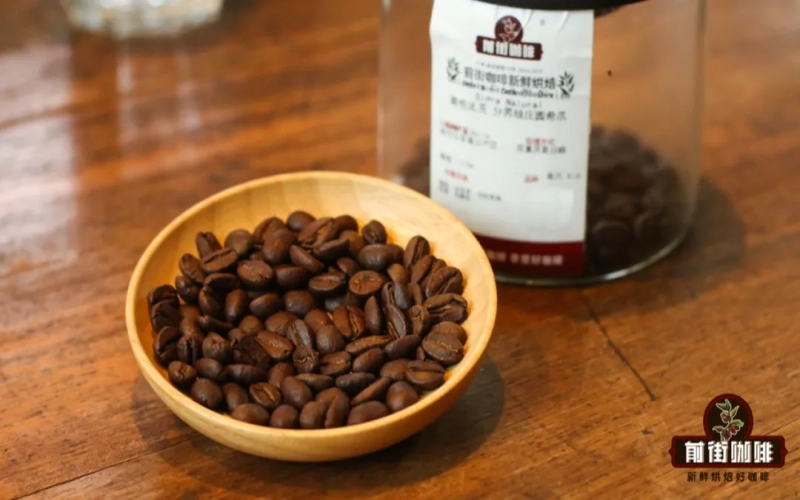
Why Can Sidra Coffee Beans Become Championship Beans? A Detailed Guide to Brewing Colombia Finca La Divisa Sidra
Sidra rose to fame after the 2022 World Coffee Championships and has become a highly anticipated variety in the specialty coffee world. It originated in Ecuador, and genetic identification shows it is closer to Ethiopian landraces, with a flavor profile known for rich fruitiness and floral notes. The Sidra in Front Street Coffee's bean lineup comes from Colombia's Finca El Diviso, uses anaerobic natural processing, and is the same coffee used by the 2022 World Coffee Championships champion. This article will review Sidra's varietal background and genetic research conclusions, and for this more deeply fermented bean, provide specific V60 three-pour brewing parameters and operational key points to help enthusiasts recreate at home the layered complexity of grapes, passion fruit, apricot, and floral notes. [more…]
The Two-Generation Evolution of the Coffee Flavor Wheel: A Comparative Interpretation of the SCAA Specialty Coffee Flavor Maps from 1995 to 2016
The Coffee Taster's Flavor Wheel is an important tool for every coffee enthusiast and professional to understand coffee flavors. From the first edition of the flavor wheel published by the SCAA in 1995 to the comprehensively revamped new flavor wheel in 2016, the two generations differ significantly in structure, classification logic, and sensory description. This article will compare the design concepts and methods of use of the old and new flavor wheels from a professional perspective, analyze the background and significance of the birth of both versions, and help you cup and taste coffee more accurately. When you come to Front Street Coffee, you can see physical displays of both versions of the flavor wheel in the shop, and follow this article to gain a deeper understanding of the evolution of the Coffee Taster's Flavor Wheel. [more…]
A Comprehensive Analysis of the Evolution of the SCAA Coffee Flavor Wheel: From the Authoritative Version to Localized and Consumer-Friendly Simplified Versions
The Coffee Flavor Wheel is an important tool in specialty coffee learning. From the first version published by the SCAA in 1995, to the updated version in 2016, to localized adaptations in Taiwan, Indonesia, and elsewhere, as well as simplified versions aimed at consumers, the flavor wheel has continually evolved. This article reviews the characteristics and limitations of each version, explores how to use the flavor wheel to taste and describe coffee more accurately, and examines how cultural differences influence flavor perception. [more…]

Origins of the Coffee Flavor Wheel | What's the difference between the old and new coffee flavor wheels? What are the limitations of the SCAA Coffee Flavor Wheel? How do you use the flavor wheel to taste and describe coffee?
On the journey of learning about specialty coffee, I believe everyone is especially impressed by a colorful ring. It is the SCAA 2016 Coffee Flavor Wheel that has tormented you countless times. Of course, this is already a "simplified" version; the first edition of the flavor wheel in 1995 had two, one on the front. [more…]

SCA Specialty Coffee Flavor Wheel User Guide: How to Interpret It Correctly and Download High-Resolution Images
The coffee flavor wheel is an important tool for coffee enthusiasts and professionals in sensory training, but the prerequisite is that one must correctly master its method of use. The most commonly used version at present is the one released by the SCAA in 2016, and many coffee training institutions use it as sensory teaching material. Front Street uses this flavor wheel as a blueprint and introduces how to understand and digest it from four aspects: do not blindly follow the flavor wheel, seek flavor relationships from the three-ring structure, use colors for association, and observe the density details among categories. Although understanding the flavor wheel cannot make you immediately taste all flavors, it can help you systematically sort out the connections among various flavors in coffee, and then by tasting more in correspondence with the flavor wheel, gradually step into the door of coffee flavor sensory perception. [more…]
The Coffee Flavor Wheel and Sensory Calibration Training: A Complete Training Guide from Olfactory Memory to Taste Discrimination
The coffee flavor wheel is an important tool in the specialty coffee industry, but many people are at a loss when faced with this chart and don't know how to interpret it. This article systematically sorts out the development background and practical value of the coffee flavor wheel, and provides an in-depth explanation of specific methods for sensory calibration training—from the daily accumulation of aroma memory to the dual perception mechanism of taste buds and mouthfeel in taste discrimination. Only by building a personal flavor memory bank through scientific training can you truly understand a cup of coffee. The article also introduces the working principles of the tongue's two types of receptors, as well as the material basis behind smoothness and astringency. If you want to improve your tasting ability, this training method is worth studying repeatedly. [more…]
A Complete Guide to the SCA Coffee Flavor Wheel HD Wallpaper: From the Old Version to the New, Teaching You How to Understand and Apply the Flavor Wheel
Have you ever wondered where those citrus, berry, chocolate and other flavor descriptions on coffee packaging come from? This article provides a detailed interpretation of the SCA Coffee Flavor Wheel, starting from the first edition released by the SCAA in 1995, tracing its background, the classification logic of positive and negative flavors, and the major updates in the 2016 new edition. The article not only explains the different roles of taste and smell in coffee cupping, but also introduces the simplified consumer flavor wheel launched by the Belgian company Cuperus. Front Street Coffee takes you through a systematic understanding of the design intent and practical application of the coffee flavor wheel, helping beginners build sensory awareness more quickly and understand the language of flavor communication in cupping. [more…]
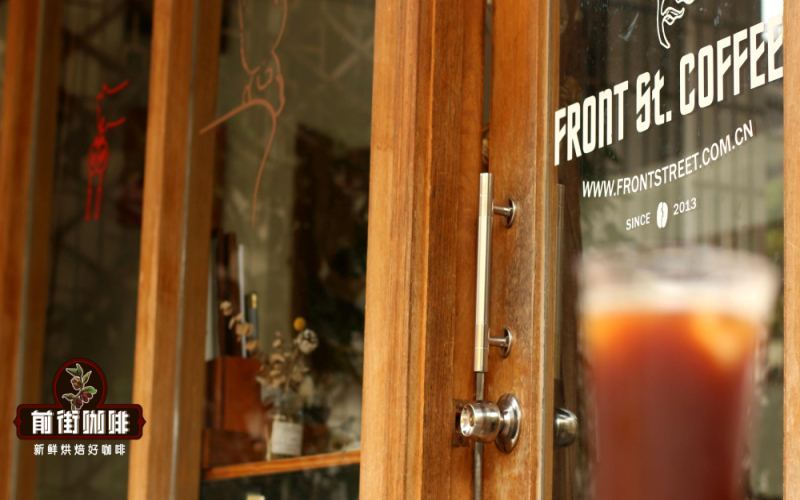
What do people who truly understand coffee actually drink? The choice between espresso and pour-over is not absolute.
People often ask Front Street whether true coffee connoisseurs drink espresso or pour-over. In fact, there is no standard answer to this question. Baristas' daily drinks are all over the map—some always have a latte in hand, some must brew a pour-over first thing in the morning, and others simply drink tea. Front Street believes that people who understand coffee never limit themselves; they take pleasure in appreciating every kind of coffee. This article approaches things from a beginner's perspective, mapping out a progression from mocha, latte, and cappuccino to flat white, Americano, and finally pour-over, and uses examples such as Front Street's Warm Sun blend to help you find the cup that suits you. [more…]