







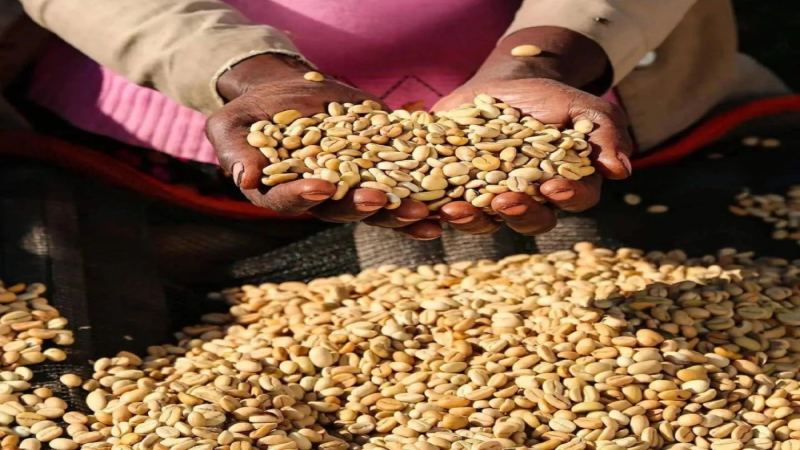
What is arabica beans and where does Wush Wush fit?
Wush Wush is an heirloom coffee variety from a small village of the same name in Ethiopia's Gimbo town, near the Kaffa ecological zone. Like Geisha, it belongs to the heirloom coffee family. It gained attention after Ethiopia's Jimma Agricultural Research Center selected it for natural resistance to coffee anthracnose, an epidemic that began in 1970.
Anthracnose once caused losses of more than seventy percent of coffee production in Kenya, so JARC explored the primeval forests of western Ethiopia, including Bishari, Gera, and Wasi, looking for resistant wild trees. Wush Wush was officially released in 2006, then spread to Colombia. This shows where do arabica coffee beans come from and how what is arabica beans can vary widely.
In Ethiopia, beyond the familiar heirloom varieties, cultivars such as Wush Wush, the 74 series, and Dega have gradually come into the view of coffee enthusiasts in recent years. Among them, Wush Wush, with its endearing name and outstanding flavor performance, though rarely seen on the market, always manages to attract attention. Where exactly did this variety come from? How did it travel from a small village in Ethiopia to the world, and why did it take root and flourish in Colombia? Today, Front Street Coffee will systematically sort out the origins and spread of Wush Wush for everyone—from the 1970s anthracnose-resistant breeding program, to its official release in 2006, to its introduction and diffusion in Colombia—understanding this heirloom variety's past and present in one article.
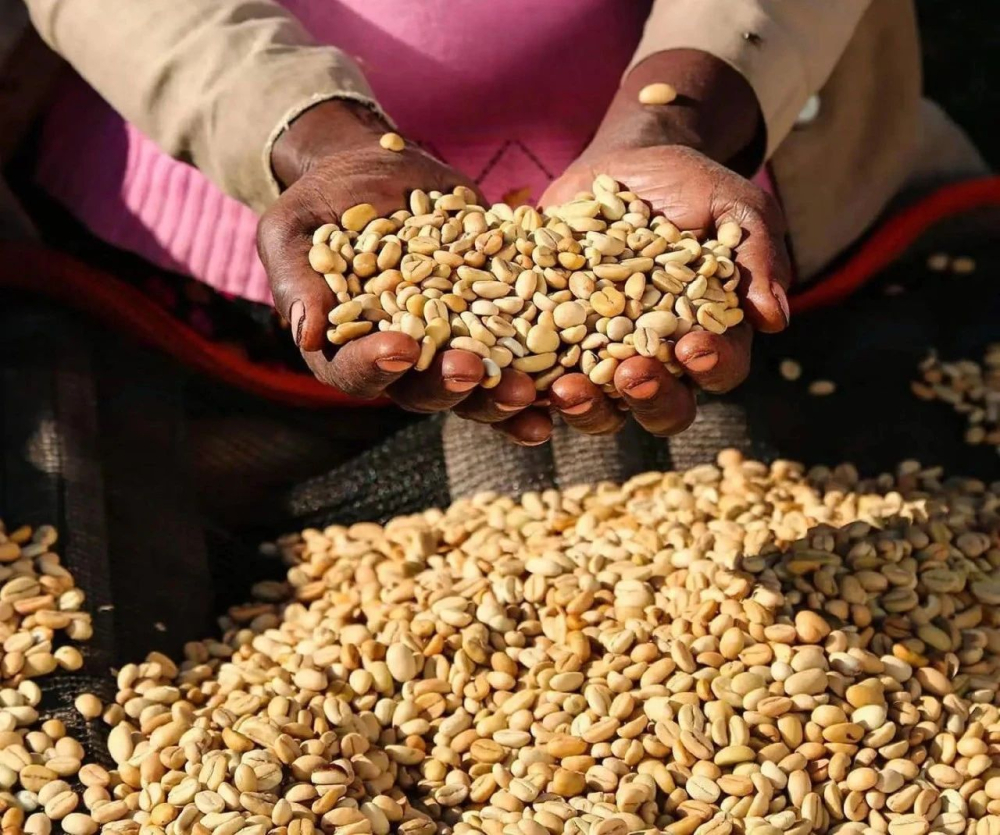
In Ethiopia, in recent years, besides heirloom varieties, cultivars such as Wush Wush, the 74 series, and Dega have also begun to appear more and more frequently in people's view. Among them, Wush Wush, a variety whose name is particularly delightful to pronounce, although not much of it is available for purchase on the market, always arouses the interest of quite a few coffee enthusiasts whenever it appears. That being the case, today Front Street Coffee will have a good talk about this variety.
Like the renowned Geisha, Wush Wush also originates from Ethiopia and is a member of heirloom coffee. It was initially discovered in a small village a few kilometers away from the Kaffa ecological zone, and this village is called Wush Wush, located within Gimbo town. Wush Wush village is known for its fertile highlands, which not only nurtured the variety now popular in the coffee world, but also produces a high-quality tea of the same name that people often talk about with relish.
In 1970, a severe coffee anthracnose epidemic broke out in Ethiopia. This disease had once caused over seventy percent of coffee production losses in Kenya. In order to respond to the anthracnose threat, Ethiopia's famous Jimma Agricultural Research Center (JARC for short) decided to select varieties naturally resistant to anthracnose from wild coffee tree species.
To this end, JARC conducted explorations deep into the areas of western Ethiopia covered by primeval forests, with Bishari, Gera, Wasi, WushWush and other places all within the scope of investigation. This is the center of origin of Arabica, with extremely rich genetic diversity, and researchers selected hundreds of coffee plants from them and brought them back to the laboratory.
After years of research and cultivation, in 1978, JARC selected 13 varieties with anthracnose resistance from these samples and began promoting their cultivation nationwide in Ethiopia. According to the year of selection, these varieties were given numbers such as "74***" or "75***". Friends familiar with Ethiopian coffee should have already realized that they are the source of today's famous 74110 and 74158. The Santa Vini, Aloalo and other beans on Front Street Coffee's bean list use exactly the 74158 variety.
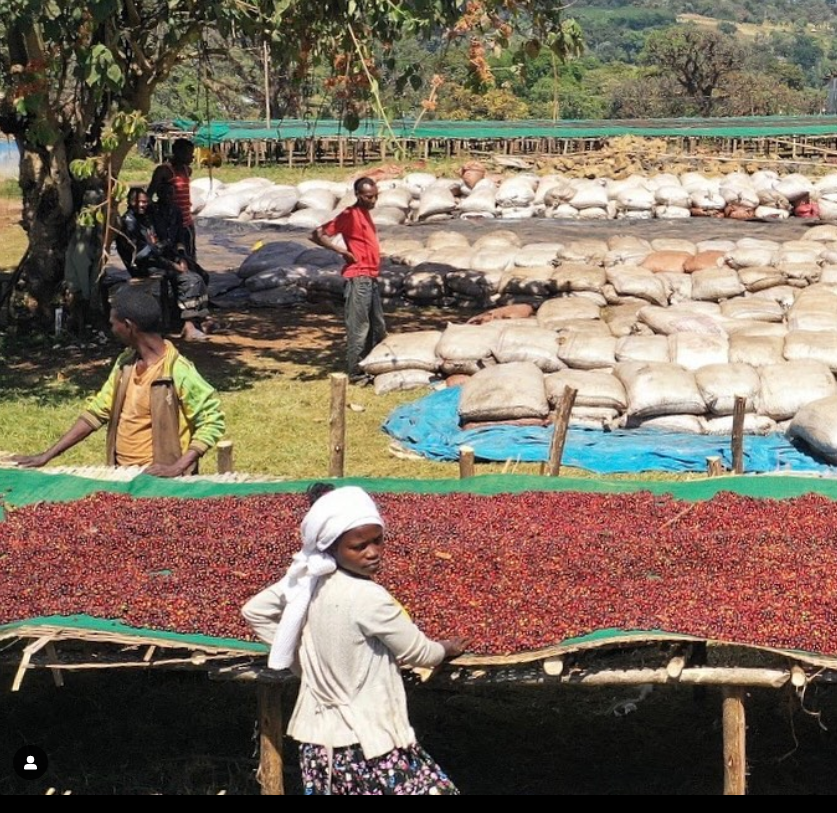
Around 2002, JARC once again turned its attention to the 25 anthracnose-resistant coffee varieties selected from Wush Wush village, continuing to cultivate and purify them, and found that these varieties not only had excellent disease resistance, but also quite outstanding flavor performance. In 2006, JARC officially released the purified variety of Wush Wush, requiring cultivation in high-altitude areas of 1700–2100 meters, which is how today's highly sought-after Wush Wush coffee came to be.
However, Front Street Coffee has noticed that, compared with its native Ethiopia, most of the Wush Wush sold on the market actually comes from another continent—Colombia. In terms of production, Colombia's Wush Wush has long far surpassed Ethiopia's, making it worthy of being called this variety's second homeland. So why did a variety originating from a small town in Ethiopia appear in Colombia?
In the late 1970s, Colombia's National Coffee Research Center, Cenicafé, brought back Wush Wush coffee seedlings from Ethiopia for cultivation and research. After selection and cultivation by experimental staff, these seedlings were distributed to representative estates in various regions of Colombia around 1980 to 1990 for the first round of trial planting.
In this way, Wush Wush took root in Colombia. Through the tempering of different terroirs, climates, soil conditions and planting patterns on various farms, it gradually showed stronger adaptability. Today, this variety has spread across Colombian provinces such as Santander, Quindio, Tolima, and Huila, and due to terroir differences in each place, it has developed distinctive flavor and mouthfeel expressions.
The above content is compiled by CoffeeHunters, a coffee news website.


