







Can a machine brew specialty coffee pour-over?
A growing coffee chain opened its first flagship store and introduced pour-over coffee for the first time, part of an effort to move past its 9.9-yuan budget image. A customer video showed the cup being made by a machine that mimics a champion barista's method: 23 grams of coffee, ground to a fine powder, poured ten times at 88°C over about three minutes, with no intervention when the bed clogged.
The result drew criticism for pale color and weak flavor, prompting the question of whether machine brewing counts as pour-over. Supporters note the 20-yuan price and that light-roast beans taste mild by nature. The debate reflects both the chain's tentative step toward specialty coffee and a broader argument about where human technique ends and machine consistency begins.
Robusta's share of global coffee production has climbed from 25% in the early 1990s to 40%, with market demand continuing to rise, yet breeding and improvement efforts have long lagged behind. WCR predicts that if consumption growth overlaps with the climate crisis, a severe global coffee supply shortage could occur in 2024. To address this, WCR is about to launch a Robusta breeding program using a large amount of genetic material provided by CIRAD, and will join hands with major producing countries to build a global breeding network. Meanwhile, planting trials in Uganda have already been implemented, distributing nearly 50,000 disease-resistant Robusta (KR) seedlings to farmers. Front Street Coffee continues to monitor the industry trends and variety innovations in Robusta.
Over the past few decades, Robusta has developed into a major market force in coffee, rising from 25% of global coffee production in the early 1990s to 40%. Under current circumstances, future demand for Robusta is expected to increase further. However, Robusta cultivation also faces many difficulties, though it still holds considerable potential.
Therefore, WCR predicts that by 2024, the global planting rate of Robusta will not keep up with growing demand. Although Robusta is more robust than Arabica in some respects, it is equally affected by climate change, diseases, and pests. In many Robusta-producing countries, little breeding or cultivation improvement work has been done to address this. As a result, WCR has begun exploring opportunities to strengthen research and breeding to enhance global Robusta production.
According to WCR research, if coffee consumption rises combined with the effects of the climate crisis, the world could face a severe shortage in 2024. Meanwhile, Robusta production is increasingly concentrated in six major producing countries, as they account for 95% of global Robusta output by volume. But they are vulnerable to climate change, leading to reduced yields and market shortages.
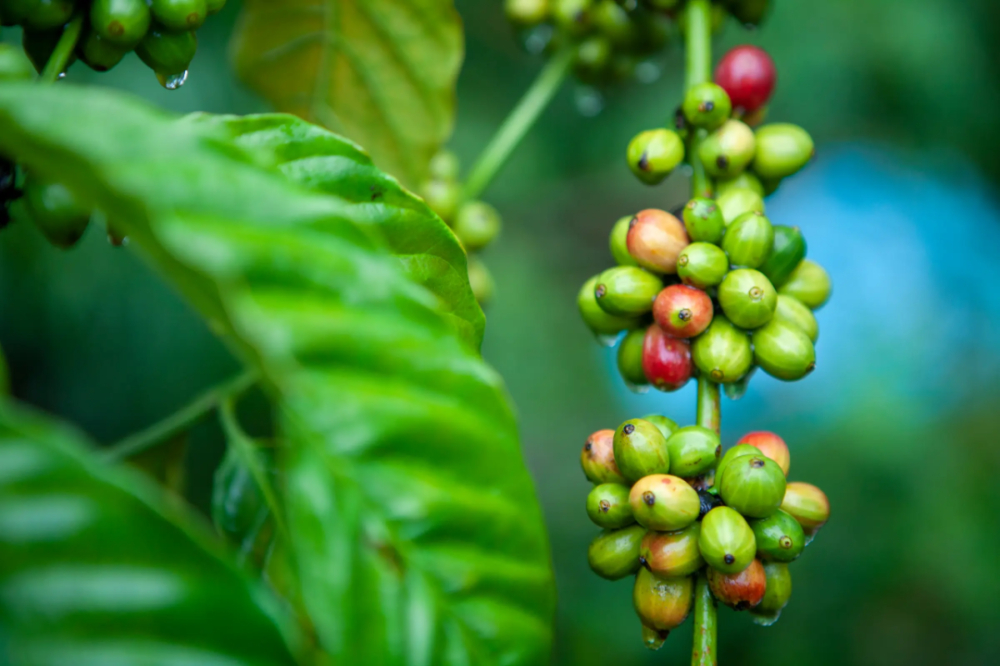
Previously, WCR obtained a large amount of Robusta genetic material provided by the French Agricultural Research Centre for International Development (CIRAD). It then analyzed and studied these materials, which will ultimately be used for the upcoming Robusta breeding program. The program will collaborate with key countries and participate in a global Robusta breeding network. Partners will be able to use the materials for further hybridization or breeding and attempt commercialization.
Earlier, WCR launched a Robusta cultivation and breeding project in Uganda, aimed at enhancing Uganda's capacity to supply and improve Robusta varieties. It also provided Uganda with Robusta (KR) 1-10 coffee seedlings. These seedlings possess resistance to coffee wilt disease (CWD) and leaf rust, which can help farmers increase their income. The project aims to transfer 100,000 healthy Robusta (KR) seedlings to farmers, while improving nursery operations, planting, and disease-resistance knowledge to ensure future supply.
In collaboration with the Uganda Coffee Development Authority (UCDA), it will train all UCDA extension officers across Uganda in grafting Robusta. Currently, nearly 50,000 Robusta (KR) plants have been provided to farmers, along with information on variety management.
The above content is compiled by CoffeeHunters, a coffee news website.


