







How do robusta and arabica differ in caffeine and breeding?
Coffee beans sold commercially fall into three groups: arabica, Robusta, and Liberica. Arabica and Robusta dominate trade. Robusta belongs to the Canephora species, traces back to the Congo region, grows at lower elevations, resists disease well, and carries 2.7 to 4 percent caffeine, roughly twice the level found in arabica.
On the question of is arabic coffee high in caffeine, the answer is no, not compared with Robusta. That gap is why Robusta appears in espresso blends and instant coffee. Cross-pollination gave breeders rust-resistant hybrids such as Timor Hybrid, Catimor, and Castillo, and Yunnan small-bean Catimor from that line now serves both blends and single-origin pour-over.
In the world of coffee, Arabica, Robusta, and Liberica form the three major varietal groups, with Robusta—thanks to its strong disease resistance and high caffeine content—becoming an important ingredient in espresso blends and instant coffee. This article begins with Robusta's origins and growing characteristics, then takes a deeper look at the genetic advantages brought by its cross-pollination, and traces the breeding history of Arabica-Robusta hybrids such as Timor Hybrid, Catimor, and Castillo. Finally, it focuses on Yunnan small-bean Catimor, exploring its flavor profile after washed processing and its use in Front Street Coffee's espresso blends and pour-over single origins. Whether you are a coffee enthusiast or a industry professional, you will find practical reference here on varietal selection and flavor pairing.
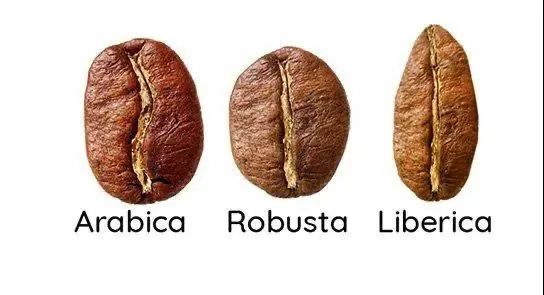
In today's coffee consumer market, the coffee beans used in beverages are mainly divided into three major categories: Arabica, Robusta, and Liberica. Among these three, Arabica and Robusta are currently the two most widely commercially cultivated and most familiar to the general public.
Robusta
Robusta's place of origin can be traced back to the Congo region of West Africa. Although people often compare Robusta with Arabica, from a genetic sequence perspective the two actually belong to different species. Taxonomically, Robusta belongs to the Canephora species (also known as the Congo species), yet within Canephora, only Robusta has achieved large-scale commercial cultivation and widespread recognition, so today Robusta has almost become synonymous with the Canephora lineage.
The global coffee-growing belt is basically distributed across the equatorial region between the Tropics of Cancer and Capricorn, and Robusta is no exception. However, Robusta's requirements for growing conditions are far less strict than Arabica's. It can grow and bear fruit normally at lower elevations, has strong adaptability to high temperatures, and has relatively outstanding disease resistance. In addition, Robusta has a shorter growth cycle and higher tolerance when facing extreme weather. At present, Robusta is cultivated on a large scale in countries such as Vietnam, Brazil, and India.
Robusta's caffeine content ranges between 2.7% and 4%, roughly twice that of Arabica. Caffeine itself is a natural insect-repellent substance in plants, helping the plant resist attacks from certain insects. In terms of pollination, Robusta is cross-pollinated, while Arabica is self-pollinated. The difference in pollination mechanisms is directly related to the issue of genetic diversity.
Generally speaking, plant varieties obtained through cross-pollination have higher genetic diversity. Offspring produced through cross-pollination inherit the genetic characteristics of both parent plants at the same time, which may allow new traits to evolve, and these new traits help the plant survive in changing environments. By contrast, self-pollinated Arabica appears more fragile, because repeated reproduction causes its genes to become increasingly uniform. Once it encounters diseases such as leaf rust or berry disease, coffee trees with a single genetic makeup may be destroyed en masse. Therefore, Robusta's advantage lies precisely in its ability to adapt to environmental changes by continually altering its genetic composition.
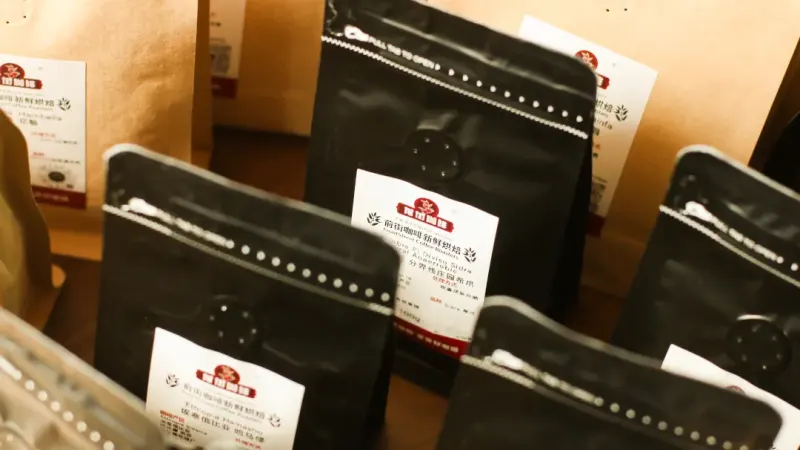
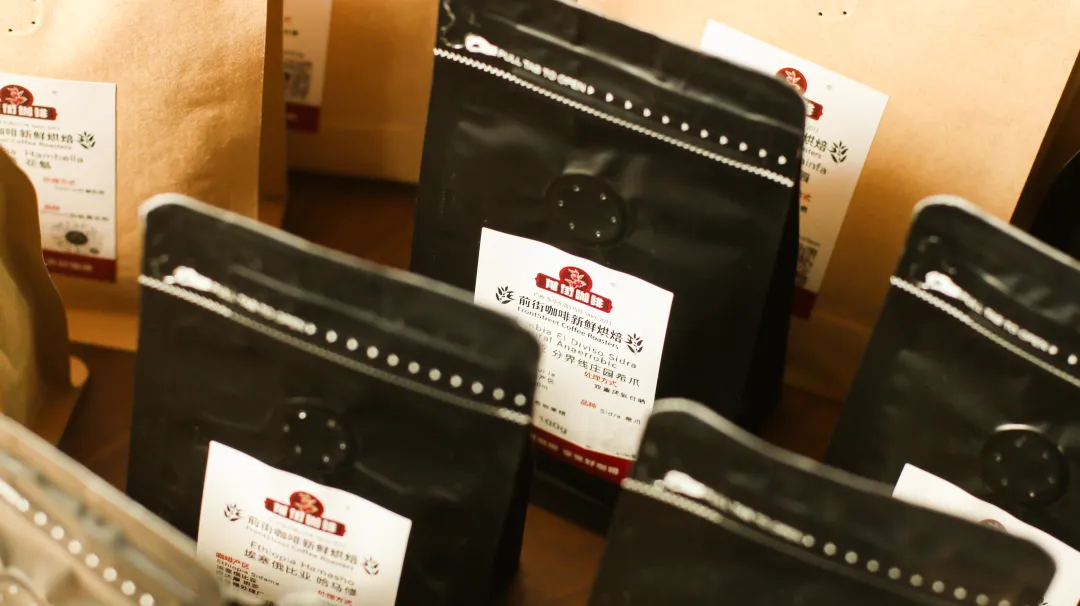
From a chemical composition standpoint, Robusta's caffeine, amino acid, and chlorogenic acid content are all higher than Arabica's, and chlorogenic acid is precisely the source of bitterness. As a result, Robusta's taste is fuller and deeper, with flavor tendencies toward walnut, nut, and grain notes, while its oil content is also the richest. For this reason, Robusta is rarely used as a pour-over single-origin coffee and appears more often in espresso blend beans or instant coffee products. If you are after coffee oils and a rich, full-bodied taste, you might consider buying Front Street Coffee's Classic Blend and Front Street Coffee's Commercial Blend; both products include a small amount of Robusta.
With the continuous development of the coffee industry, coffee varieties have undergone ongoing transplantation, mutation, and hybridization, giving rise to many new varieties. Robusta can also be crossed with Arabica so that the offspring acquire Robusta's resistance genes. For example, Timor (called Tim Tim in Indonesia), Catimor, and Castillo all belong to this category of hybrid varieties.

In 1920, Timor Hybrid appeared on the island of East Timor. This was a natural hybrid product of Arabica and Robusta; it belongs to the Arabica coffee plant but carries disease-resistance genes from the Robusta species. Later, the Timor variety was crossed with Caturra, giving birth to the first generation of F1 hybrid variety groups, which is today's Catimor. In 1961, the Colombian research center launched a research program to breed varieties with resistance to leaf rust, such as Caturra and Timor Hybrid. After 23 years of effort, it ultimately developed six varieties including Castillo, and began widespread promotion of their cultivation in 2005.
Front Street Coffee also has a Yunnan small-bean Catimor coffee bean, processed by the washed method, in which you can taste a melon-and-fruit-like aroma. Because it uses a medium roast, Front Street Coffee's Yunnan small bean has a slight plum acidity and cocoa flavor, with a mouthfeel leaning toward black tea and an overall balanced performance.
In addition to being a pour-over single origin, Front Street Coffee's Yunnan small bean is also used in espresso bean formulas because of its gentle mouthfeel. Beginners are very well suited to buying Front Street Coffee's Black Cocoa Base Blend. This blend combines the creamy peanut aroma of Brazil with the slight acidity and tea-like quality of Yunnan small bean, giving an overall balanced taste and a clean, fragrant finish.
The above content is compiled by CoffeeHunters, a coffee news website.


