







Search Results for: coffee bed structure
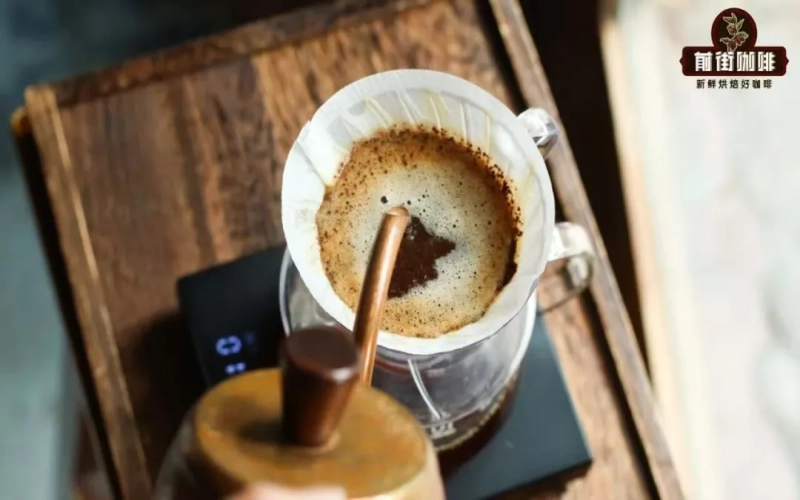
Pour-Over Coffee Dripper Buying Guide: A Full Breakdown of Bed Structure, Flow Rate, and Material, Plus Front Street Recommendations
Faced with a dazzling array of pour-over drippers, many coffee lovers often don't know where to start. In fact, the differences between drippers mainly come down to three aspects: the bed structure, the flow rate, and the material choice. The bed structure determines the evenness of extraction and the layering of flavors—cone-shaped, flat-bottomed, and wedge-shaped each have their own characteristics; the flow rate is affected by the rib design and the size of the outlet, with fast and slow rates leading to completely different flavor profiles; the material affects heat retention and price. Once you understand these differences, you can make a choice based on your personal taste preferences. Front Street Coffee will provide specific buying recommendations at the end of this article—just follow them and you can easily get started. [more…]
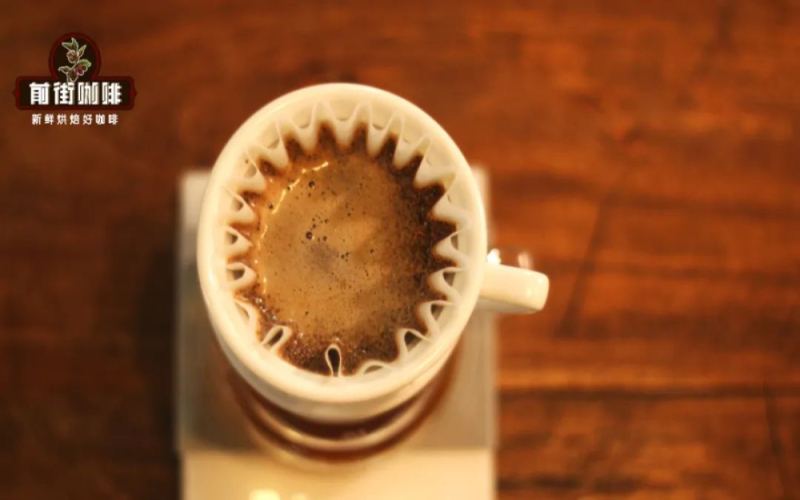
Why Is the Flat-Bottom Dripper Considered Beginner-Friendly? A Full Breakdown of the Cake Filter Cup Structure and Compatible Brewing Methods
When it comes to choosing a dripper, there is a common consensus: flat-bottom drippers offer a larger margin for error and are friendlier to those just getting into pour-over. Front Street Coffee has also mentioned in several articles that the flat-bottom structure has a natural advantage when it comes to even extraction. So what mechanism actually makes this possible? This article will clarify the differences between flat-bottom and conical drippers from the perspectives of coffee bed shape, rib design, and drainage hole layout. With the cake dripper as the main thread, it will also introduce the approaches of different schools such as Melitta 101, Lili, Ice Eye B75, Torch Donut, and April Brewer, helping you understand what kind of brewing approach flat-bottom drippers are suited to, and the role they play in the "fine grind, fast brew" trend. [more…]
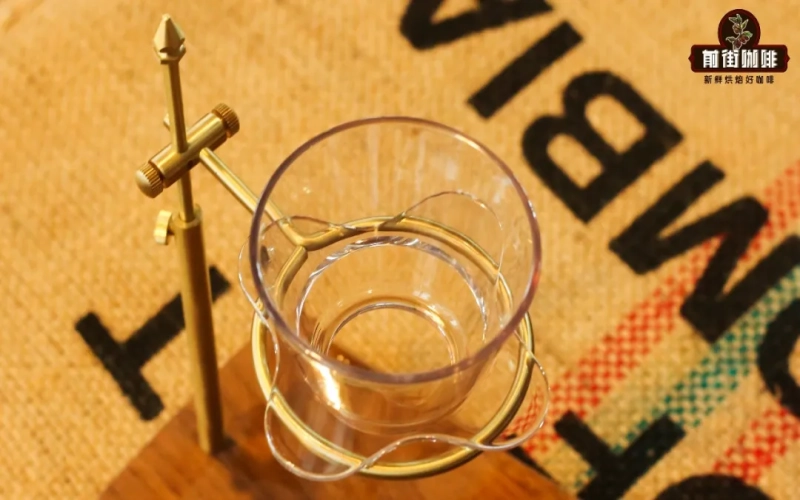
How to Choose Between a Flat-Bottom and a V60 Conical Dripper? Hand-Brew Parameters and Practical Analysis of the Large-Hole Cake Dripper
In the world of pour-over coffee, the shape of the dripper often determines the structure of the coffee bed and the direction of extraction. Flat-bottom drippers and V60 conical drippers each have their own followers, while the large-hole flat-bottom drippers that have emerged in recent years have attracted considerable attention for their combination of immersion and percolation characteristics. This article will compare the differences between the two types of drippers from the perspectives of coffee bed distribution, flow rate, and extraction balance, and, using Front Street Yirgacheffe Gutingding as an example, share in detail the adjustment approach for brewing parameters and practical techniques for the large-hole flat-bottom dripper, helping you find a brewing solution that suits you better. [more…]
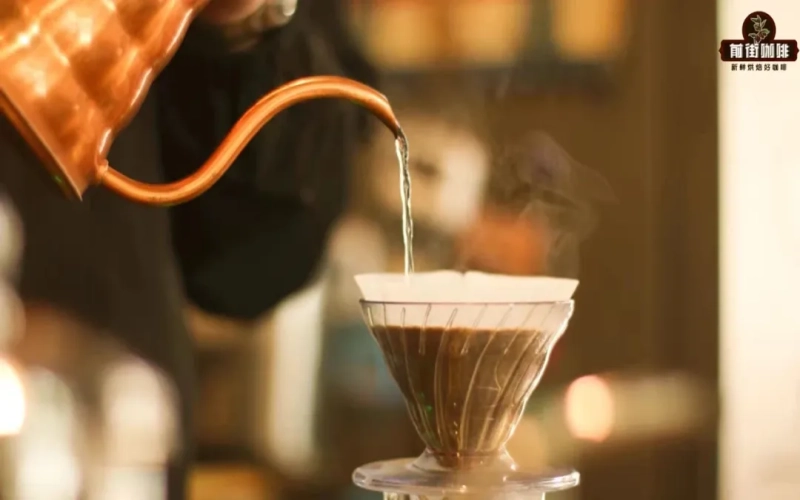
How Does Water Level in Pour-Over Coffee Shape Flavor: Explaining the Principles and Practical Points of a High-Sweetness Brewing Method
On various coffee-sharing platforms, the term "high water level" appears frequently, claiming that by controlling the water level height during brewing, coffee can be made to show a more prominent sweetness. Can the water level really dictate the flavor direction of a cup of coffee? This article will start from the coffee bed structure and extraction mechanism, analyze the respective advantages and applicable scenarios of high and low water levels, and give specific operational suggestions, including how high the coffee bed should be raised in the dripper, and how to reduce the difficulty of water control through pulse pouring and other practical techniques. It will also recommend Front Street series bean lists suitable for pursuing sweetness, helping you brew your ideal flavor with the right method. [more…]
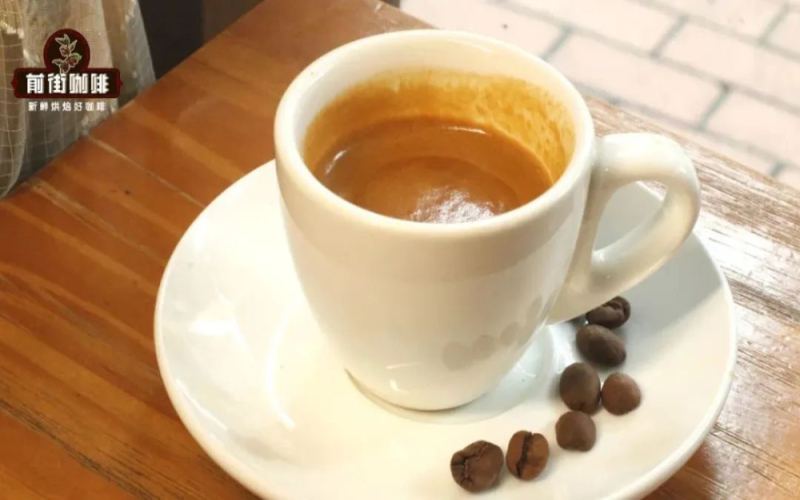
Why Are Single Shots Being Phased Out? A Detailed Explanation of the Differences Between 1 Shot and Double Shots and Their Extraction Variations
When ordering at a coffee shop, you often hear the phrase "add a shot," but do you know what 1 shot actually refers to? In the early days, 1 shot was a 30ml single espresso extracted from 9–11g of grounds, whereas today at most cafés, 1 shot is actually a double espresso extracted from 18–20g of grounds. Why would shops rather pull doubles than use single baskets? What exactly are the differences between single baskets and double baskets in appearance, structure, and extraction performance? Starting from Front Street's extraction experiments, this article uses concrete data to explain why single baskets have been phased out, and analyzes how basket structure affects water flow distribution, extraction uniformity, and channeling, helping coffee enthusiasts understand the extraction logic behind espresso. [more…]
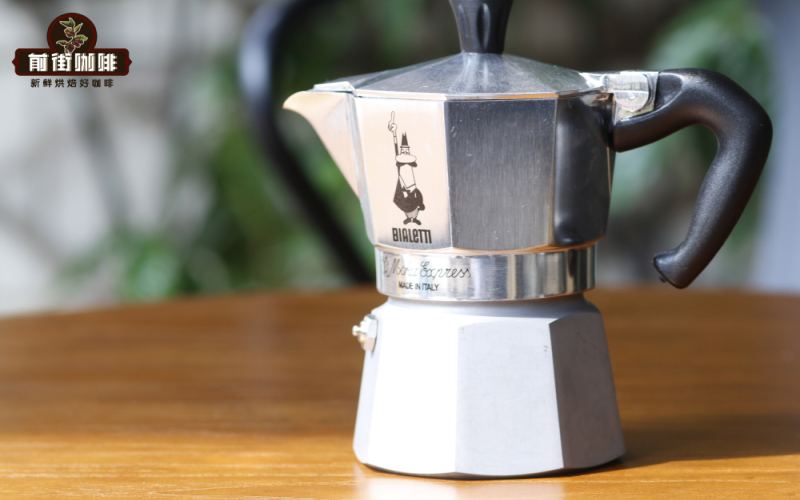
Must the Moka Pot Filter Basket Be Filled to the Brim? Differences Between Bialetti Single-Valve and Double-Valve Structures and Buying Advice
The moka pot, which has been around for nearly a century, has once again become a hot topic in the coffee world with the emergence of a new generation of pressurized models. Many enthusiasts are torn: should the filter basket be filled to the brim? And how should one choose between single-valve and dual-valve? This time, Front Street Coffee will break down these questions one by one, from the logic of filling the basket and the principles of extraction to the valve structure. The article will explain why reducing the amount of coffee grounds tends to produce an unbalanced taste combining sharp acidity and bitterness, share the specific steps for making moka pot coffee with half a dose of grounds, and clarify the fresh medium-dark roast bean conditions needed to obtain crema. Finally, it compares the differences between single-valve and dual-valve in terms of pressure and tolerance for error, helping beginners find the one that suits them better. [more…]
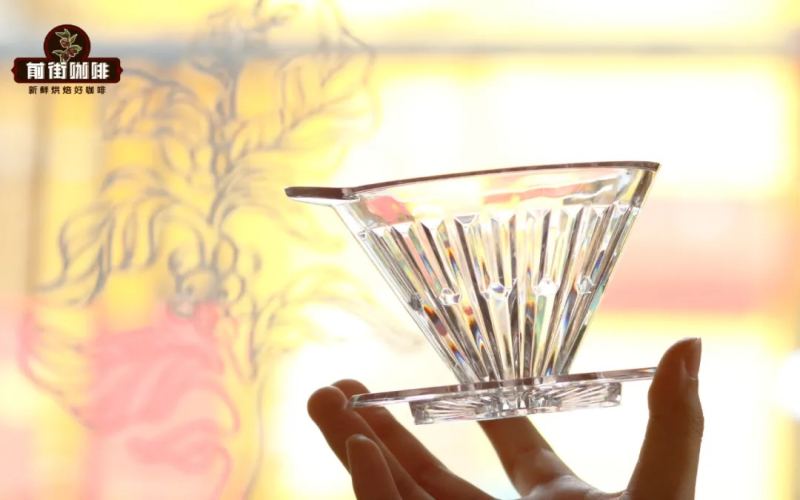
Coffee Beginner's Filter Cup Buying Guide: Ice Eye Filter Cup Structure Principles, Brewing Performance, and Comparison with V60
For those new to pour-over coffee, choosing the right dripper is often the first step in ensuring consistent results. This article provides a detailed analysis of the Ice Eye dripper, starting with the design of its exhaust groove structure, explaining its fundamental differences from the V60's spiral ribs, and presenting the differing flavor tendencies of the two drippers through practical comparisons under identical brewing parameters. The article also incorporates a brewing case using Front Street Yirgacheffe Gotiti Cooperative washed beans, offering dripper selection recommendations for coffee beans of different roast levels and processing methods, helping beginners make more suitable choices based on bean characteristics. [more…]
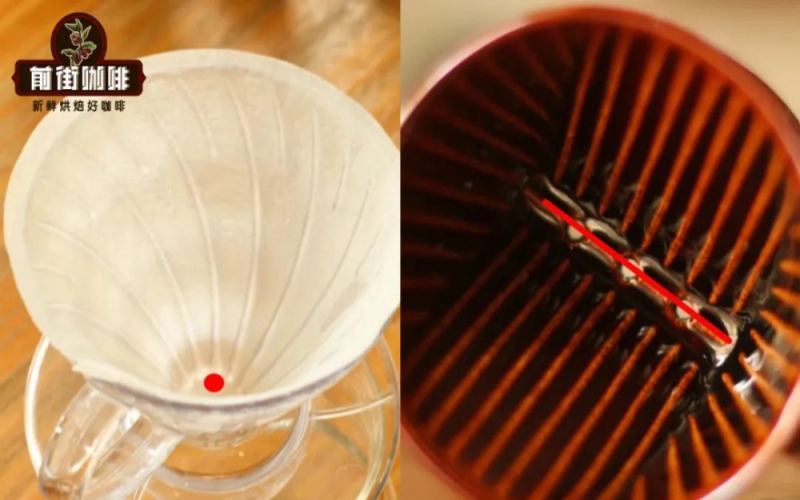
Flavor Characteristics and Key Operational Points of Flat-Bottom Dripper Coffee Brewing: From Structural Principles to Front Street Coffee's Practices with the Sidra Variety
Flat-bottom drippers have gradually drawn attention in the pour-over field in recent years. The extraction performance brought by their flat bottom and special flow-guiding structure differs noticeably from common conical drippers. This article starts with the background of the birth of the Kalita Wave, sorting out the design origins of flat-bottom drippers, the distribution characteristics of their flow-guiding ribs, and their influence on water flow paths, then compares them with the extraction logic of conical drippers such as the V60. After that, using Front Street Coffee's Colombia·Frontera Chiroso as an example, it shares a three-pour brewing recipe suited to flat-bottom drippers, recording the actual brewing time and tasting impressions to help coffee enthusiasts understand the unique aspects of flat-bottom drippers in flavor presentation. [more…]
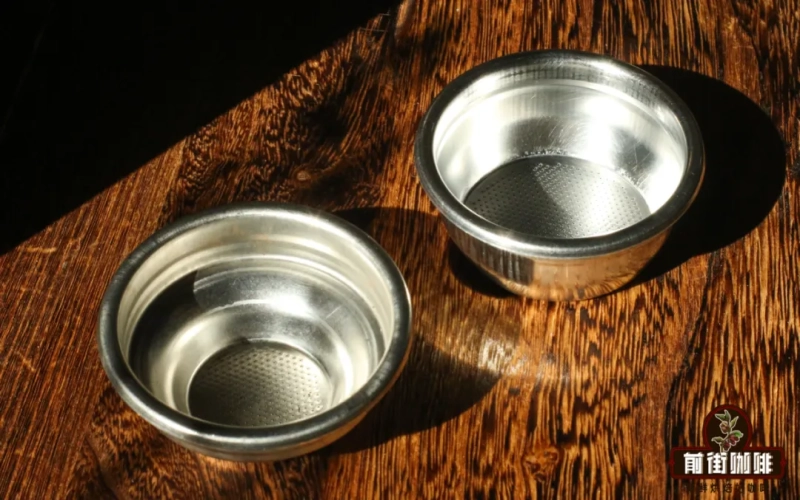
Single vs. Double Portafilter Baskets: Which One Should You Use to Pull a Shot of Espresso?
When ordering at a coffee shop, have you ever noticed the filter basket the barista uses? A single basket typically holds 9–11g of coffee grounds for pulling a single espresso; a double basket can hold 18–22g for a double espresso. But in reality, most cafés would rather use a double basket to pull an extra shot—even pouring half of it down the drain—than switch to a single basket. Why is that? Starting from Front Street's comparative experiments, this article takes a deep dive into the structural differences, extraction performance, and consistency issues of the two baskets, helping you fully understand which basket a single espresso should actually use. [more…]
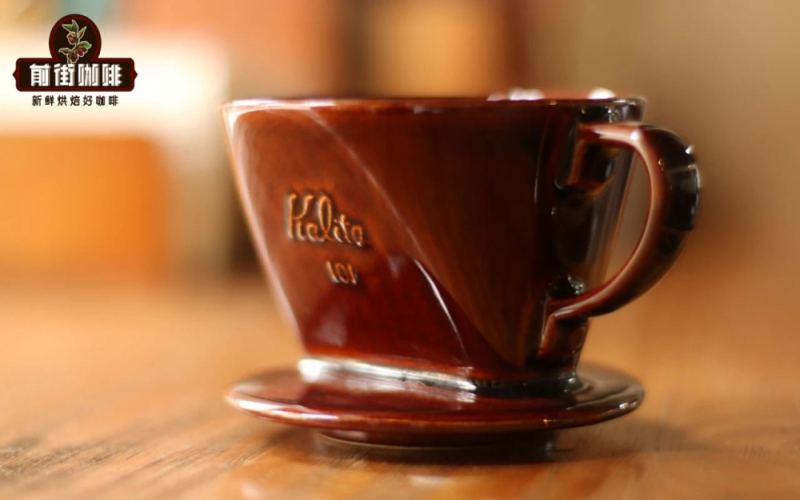
Conical vs. Flat-Bottom Dripper Showdown: Extraction Differences and Brewing Essentials of the Hario V60 and Kalita Wave
In the third wave of specialty coffee, pour-over coffee has become the top choice for many enthusiasts thanks to its clean cup profile and its ability to showcase origin flavors. As the core piece of equipment, the dripper's shape design directly affects the extraction path—conical drippers represented by the Hario V60 emphasize layers and fruit acidity, while the flat-bottom dripper pioneered by the Kalita Wave focuses on balance and sweetness. Front Street Coffee commonly uses the V60 in its daily production. This article will systematically compare the extraction logic of the two drippers from the perspectives of pouring uniformity, coffee bed depth, rib structure, and drain hole design, and will include three-pour brewing parameters for the flat-bottom dripper to help you find a clearer direction in equipment selection and technique adjustment. [more…]
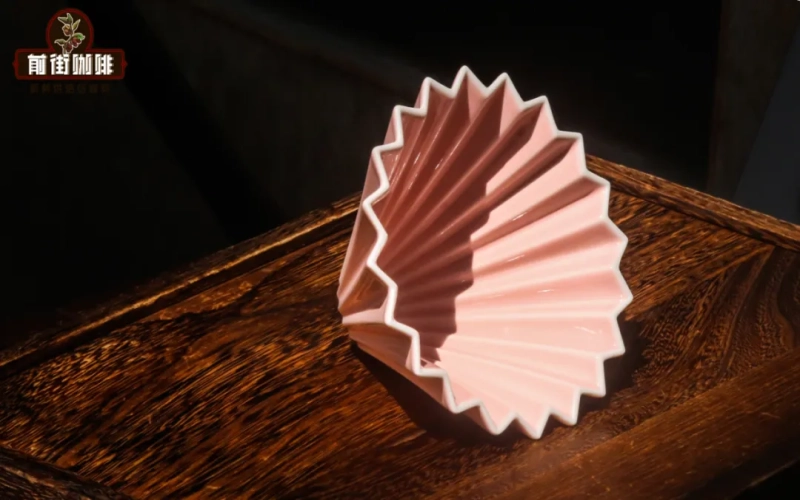
What is the Origami Dripper? How does it differ from the V60, and which filter paper should be used with it?
Among the many coffee drippers, one product stands out for its unique appearance and high compatibility: the Origami dripper, designed by Yasuo Suzuki, one of the founders of Japan's TRUNK COFFEE BAR. Its name comes from the Japanese word "折り紙," meaning origami. The most distinctive feature of this dripper is that it can be paired with either conical filters or cake filters, resulting in completely different extraction effects. So what are the characteristics of each of these two filter combinations? And what differences are there in the flavor and mouthfeel of the brewed coffee? In this article, Front Street will use the same Panama Boquete Geisha coffee beans for a comparative brew to help you find the filter pairing that suits you best. [more…]
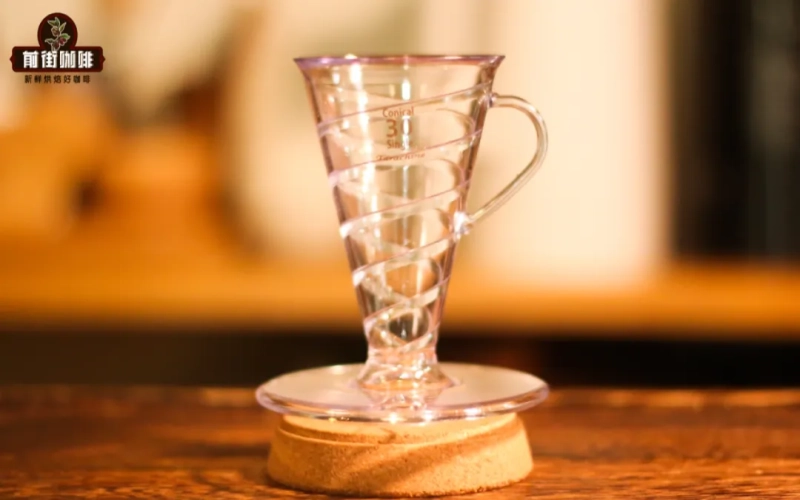
A Full Analysis of the Differences Between V30 and V60 Drippers: The Impact of Cone Angle Design on Extraction and the V30 Brewing Method
After sharing V60 small-dose brewing techniques, Front Street Coffee received many reader inquiries about how to use the V30 dripper, and some customers also asked in-store about the differences between the V30 and V60. For this reason, Front Street Coffee deliberately placed these two conical drippers side by side for a horizontal comparison. Although their names and shapes are similar, the V60 and V30 come from two different Japanese companies, Hario and Tarachine Conical, respectively, and because of their different cone-angle designs, their extraction effects are also vastly different. This article will analyze the origin of their names, structural differences, and the impact of coffee bed depth on extraction, and will also introduce the brewing method for the V30 dripper in detail, helping coffee enthusiasts understand the characteristics of these two devices more clearly. [more…]
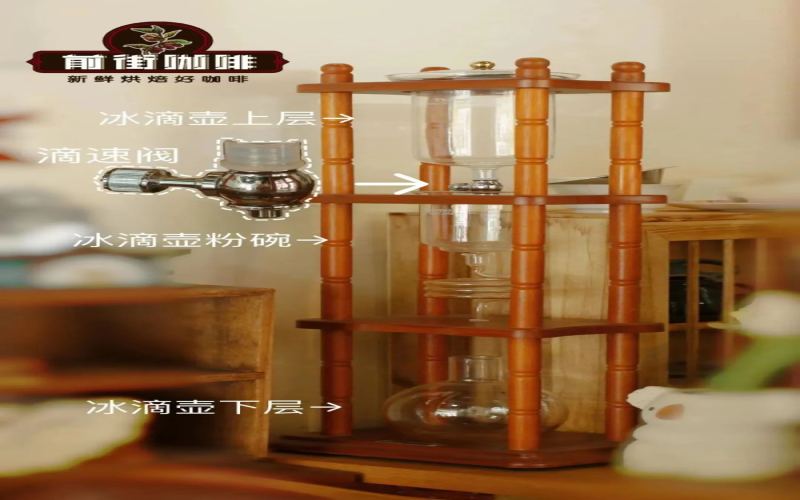
A Detailed Guide to Cold Brew Coffee Making: From Equipment Structure to Coffee Bean Selection, Master Cold Brew Techniques at Once
The ice drip pot has a unique shape, and its stacked layers often make people mistakenly think they have walked into a laboratory. Many customers who come to Front Street are curious about this set of equipment and want to replicate the store's signature ice drip at home. This article will systematically explain the structure and usage of the ice drip coffee pot, including key parameters such as grind size setting, coffee-to-water ratio, and valve flow rate control, and will share a production example using Costa Rica Mozart coffee beans from the Front Street store. In addition, the article also discusses the idea of choosing beans for ice drip coffee, offering specific coffee bean recommendations one by one according to four categories: tropical fruit fermented type, refreshing and clean type, sweet and mellow type, and flavor blend type, to help readers find the ice drip solution that best suits them. [more…]

How do you use a V30 conical pour-over dripper? How many beans to use for small-dose extraction and what to watch out for
Small doses in pour-over brewing are often a headache: the coffee bed becomes thin, water tends to channel straight through, and the cup easily turns out thin and insipid. The 30-degree conical dripper from Japan's Tarachine Conical, known in coffee circles as the "V30," was designed specifically for small doses under 15 grams. How does it differ from the classic V60? How do you fold the filter paper? Front Street Coffee tested light and fruity roasts, medium-dark roasts, and three medium-roast beans, comparing the extraction performance of the V30 and the small V60. This article will explain the V30's structural features, filter-folding method, brewing parameters, and suitable roast levels, helping you brew a cup with concentrated flavor and a full body even at small doses. [more…]
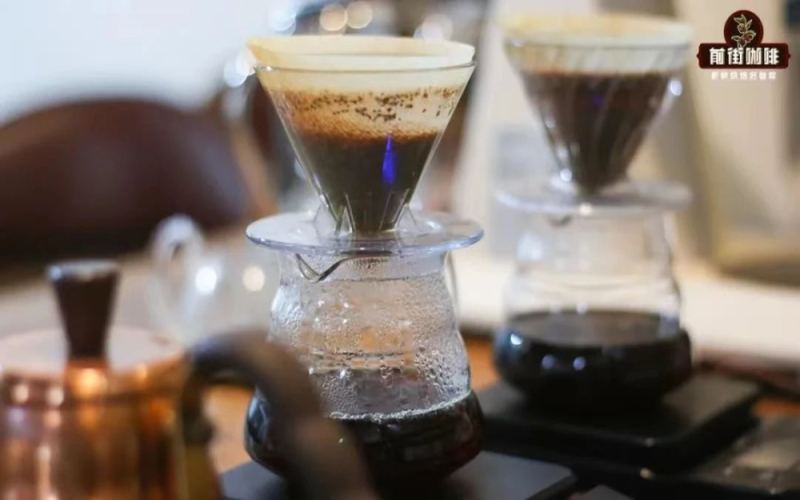
An In-Depth Analysis of the KONO Meimon Dripper: Structural Design, Suitable Bean Types, and Practical Brewing Parameters
Pour-over coffee enthusiasts often face the dilemma of choosing a dripper, as different shapes and structures directly affect extraction and flavor outcomes. As a classic representative of conical drippers, the KONO dripper stands out in brewing medium-to-dark roasted coffee beans thanks to its unique design philosophy. This article will provide a detailed explanation of the KONO dripper's origins, structural features, and extraction principles, and, drawing on Front Street Coffee's hands-on experience, share the specific parameters and techniques for brewing Front Street Indonesia Golden Mandheling with the KONO dripper. From grind size adjustment and water temperature control to the three-pour technique, we break down step by step how to bring out this dripper's strengths in body and sweetness. Whether you are a beginner just getting into pour-over or a coffee enthusiast hoping to refine your skills, you will find practical references and inspiration here. [more…]
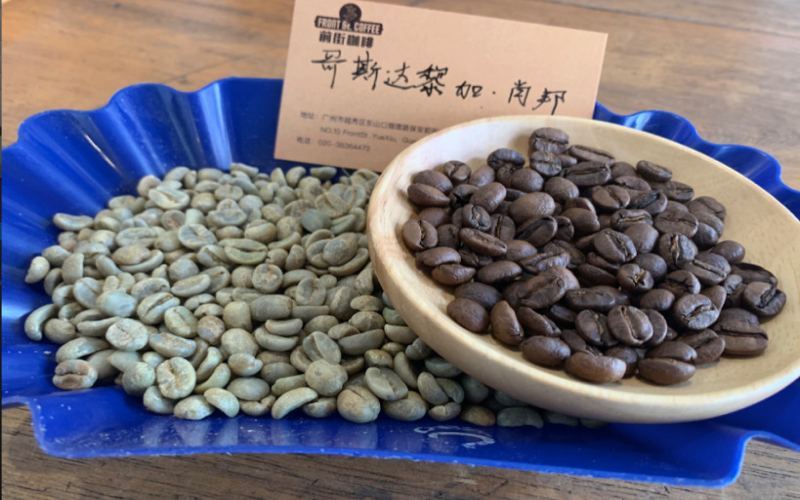
Costa Rica Canet Estate Chopin Coffee: Four Pour-Over Brewer Methods and Flavor Comparison
Front Street Coffee has recently added Chopin coffee beans from Costa Rica's Canet Estate to its lineup. After joining the Musician Series, this bean has drawn attention for its prominent rose aroma and sweetness in cupping. To investigate how different brewing devices affect the flavor expression of this bean, Front Street Coffee conducted four comparative brews using the Hario V60, Ice Eye dripper, Strawberry dripper, and Origami dripper. This article focuses on the structural characteristics of these four drippers, the parameters and brewing techniques used for each, and the resulting differences in aroma, acidity, sweetness, and finish, helping coffee enthusiasts find an extraction approach better suited to their own taste. [more…]
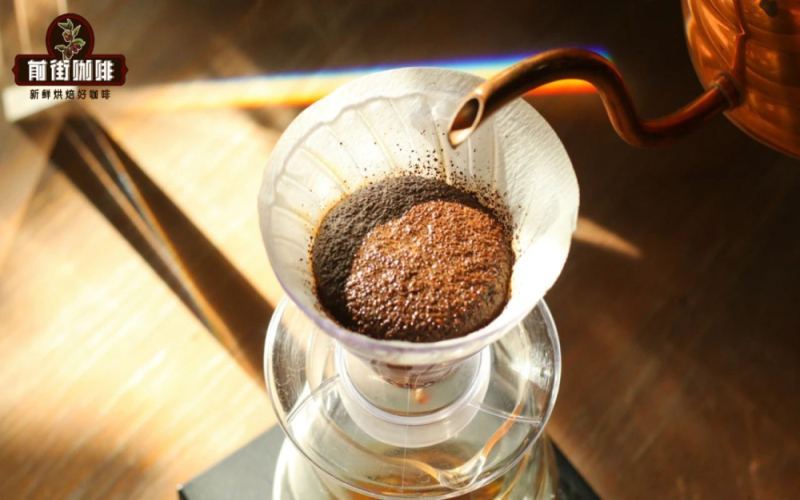
Multiple Brewing Methods for the Same Yirgacheffe: A Practical Comparison of Cake Filter, KONO, French Press, Strawberry Filter, and SOE
The same coffee beans, brewed with a different device, often yield dramatically different flavors in the cup. Front Street Coffee maintains an experimental spirit year-round, happily using different brewing methods to uncover the many facets of a bean. This article takes Front Street washed Yirgacheffe as a sample, extracting it using five methods: cake filter, KONO dripper, French press, strawberry dripper, and SOE, recording the parameters, techniques, and flavor performance one by one, and comparing the extraction logic and taste direction each device brings due to structural differences. After reading this article, you can make a more suitable choice based on the flavor you want to present, combined with the characteristics of the device. [more…]
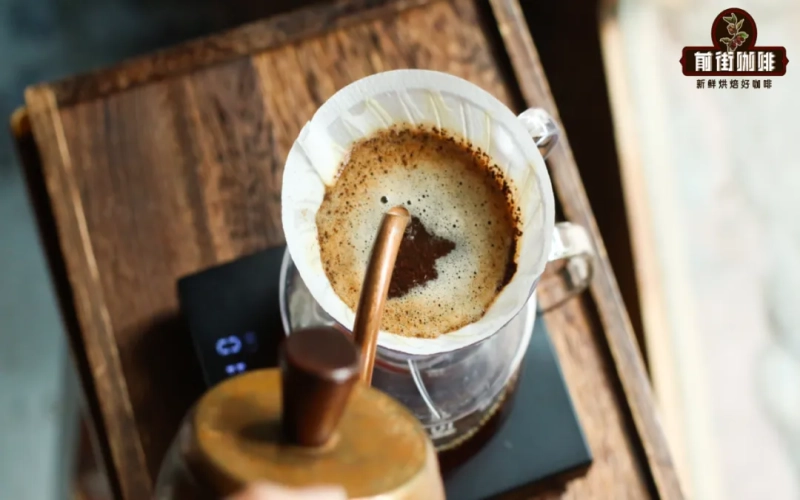
Why has the V60 dripper endured? From the origin of its name to an analysis of its conical shape, large hole, and spiral ribs
In the world of pour-over coffee, the V60 dripper's status has remained unshakable for years. Why is it so popular? This article will start with the background of the V60's birth, tracing the historical moment when it was launched by Hario in 2004, and analyze its three core designs one by one—the 60-degree conical body, the large outlet opening, and the spiral ribs—explaining how these structures together create its extraction characteristics: fast flow, rich layering, and versatile brewing possibilities. It will also compare the differences between conical, fan-shaped, and cake drippers, introduce the choice of different materials, share Front Street Coffee's reasons for preferring the resin version of the V60, and finally objectively point out the practice threshold that beginners need to face when using the V60. [more…]
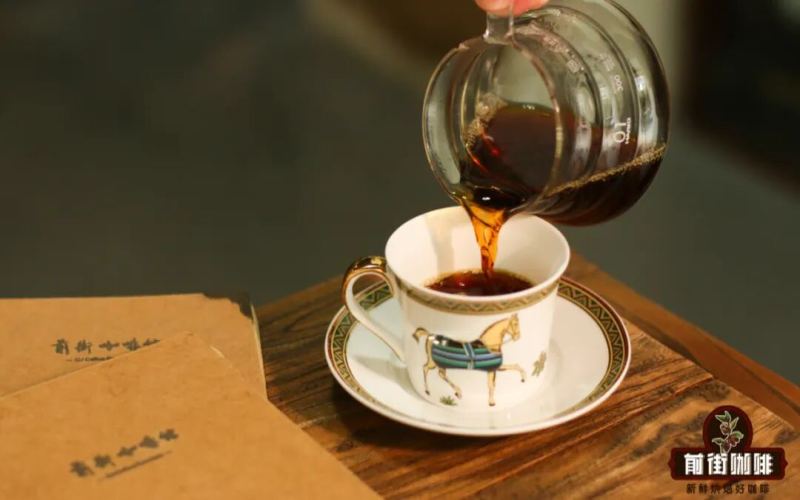
Coffee Brewing Tutorial | What Is Puck Management? Does the Coffee Puck Affect the Taste of Pour-Over Coffee? How to Master Puck Management to Make Coffee Taste Better?
We often hear experienced coffee enthusiasts or bloggers say something like this: "Master your puck bed management, and your pour-over coffee will taste better!" Some friends find this quite puzzling! Since they've just started out, they haven't even had the chance to figure out what exactly a puck bed is, let alone manage it. [more…]
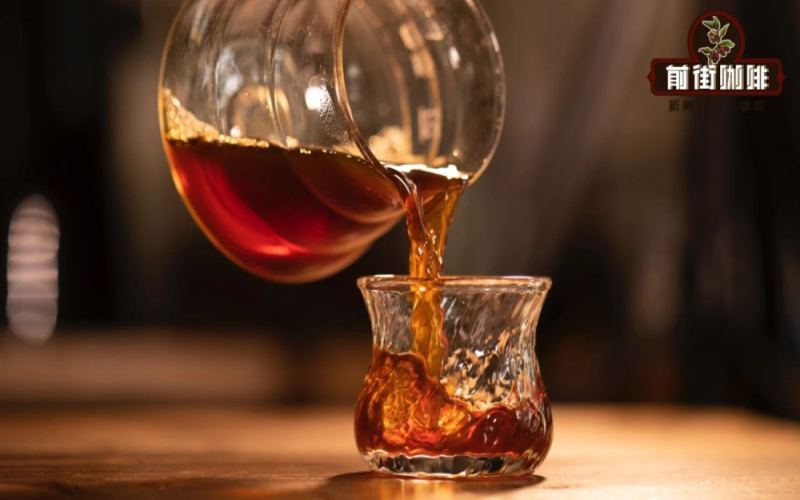
How to Control the Extraction Time of Pour-Over Coffee? The Combined Effects of Dripper Structure, Coffee Dose, and Pouring Speed on Flow Rate and Flavor
The extraction time of pour-over coffee directly affects the final flavor strength and mouthfeel. This article breaks down how four dimensions—dripper structure, coffee dose, pouring speed, and grind size—influence the contact time between coffee grounds and water, and in turn change the coffee's layering and body. Using 15 grams of coffee, a 1:15 coffee-to-water ratio, and a V60 or KONO dripper as an example, a Front Street Coffee barista shares a 2-minute brewing recipe suitable for beginners, helping enthusiasts consistently recreate café flavors at home while understanding the logic behind different combinations such as fast brewing with a fine grind and slow brewing with a coarse grind. [more…]