







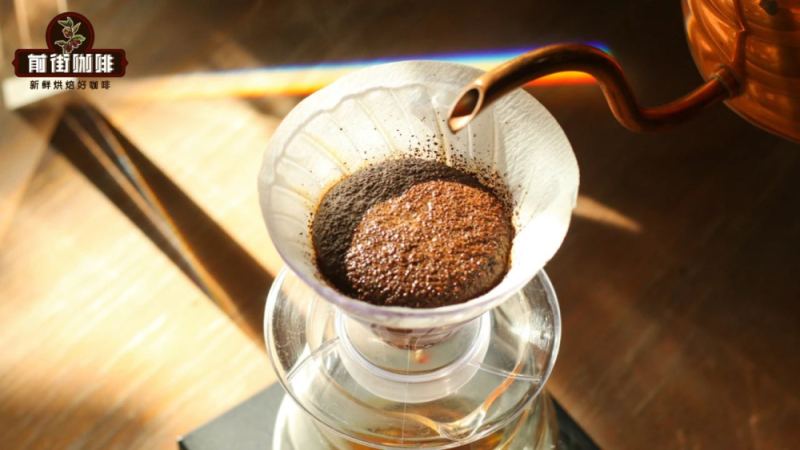
How does s.o.e coffee change Yirgacheffe flavor?
One washed Yirgacheffe, brewed five ways, produced five different cups. Cake filter and KONO drippers gave a more balanced, sweeter result because the flat bottom and restricted flow keep grounds soaked longer. French press added body and oils, the strawberry dripper sat between the two, and SOE coffee pushed concentration and clarity forward through fine grind and higher pressure.
Parameters were kept comparable to make the comparison fair: 15g of coffee, medium-fine grind at about 78 percent passing a No. 20 sieve, 90°C water, and a 1:15 ratio, with a 31g bloom for 30 seconds before the main pours. The Yirgacheffe came from 1,800–2,000 meters in Ethiopia and was washed and local heirloom variety, so the same beans carried the same acidity into every device, only redirected by structure.
The same coffee beans, brewed with a different device, often yield vastly different flavors in the cup. Front Street Coffee maintains an experimental spirit year-round, happily using different brewing methods to uncover the many facets of the beans. This article takes Front Street washed Yirgacheffe as a sample, extracting it using five methods: cake filter, KONO dripper, French press, strawberry dripper, and SOE, recording the parameters, techniques, and flavor performance one by one, comparing the extraction logic and taste direction each device brings due to structural differences. After reading this article, you can make a more suitable choice based on the flavor you want to present, combined with the characteristics of the device.
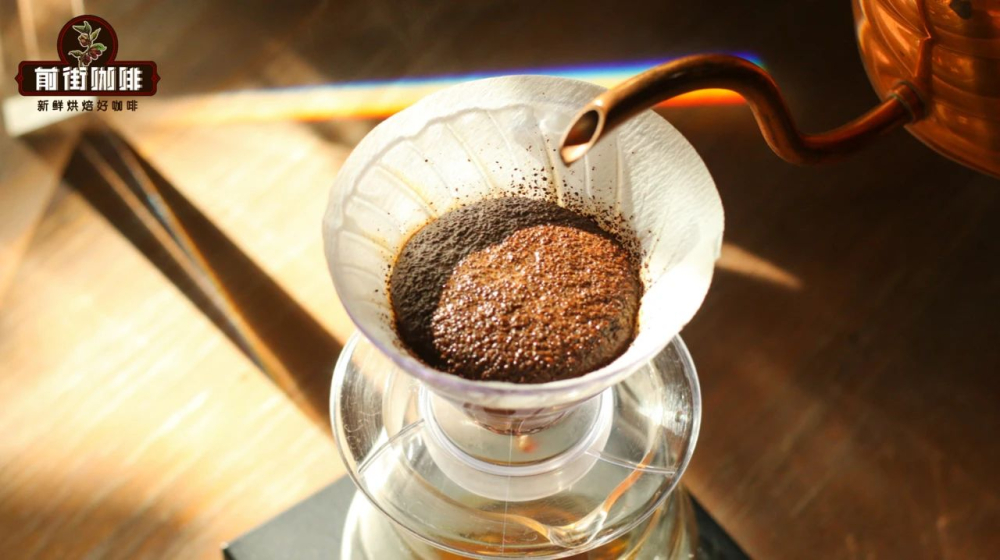
Front Street knows well that the same beans can have many brewing paths, and each path brings different flavors and mouthfeels, also allowing the drinker to have different experiences. Front Street has an experimental spirit, accustomed to using different brewing methods to discover the uniqueness of each coffee, whether it's French press, siphon, or espresso extraction, all are brewing experiences worth trying. Today, Front Street selects one bean and uses several different brewing methods for comparison, to see what differences actually exist between them.
| Bean Introduction |
Yirgacheffe is a small town in Ethiopia, with an altitude between 1700-2100 meters, making it one of the highest coffee-growing regions in the world. Speaking of it, the Yirgacheffe region originally belonged to the Sidamo region, but because the coffee produced here has a unique flavor, it was later separated out.
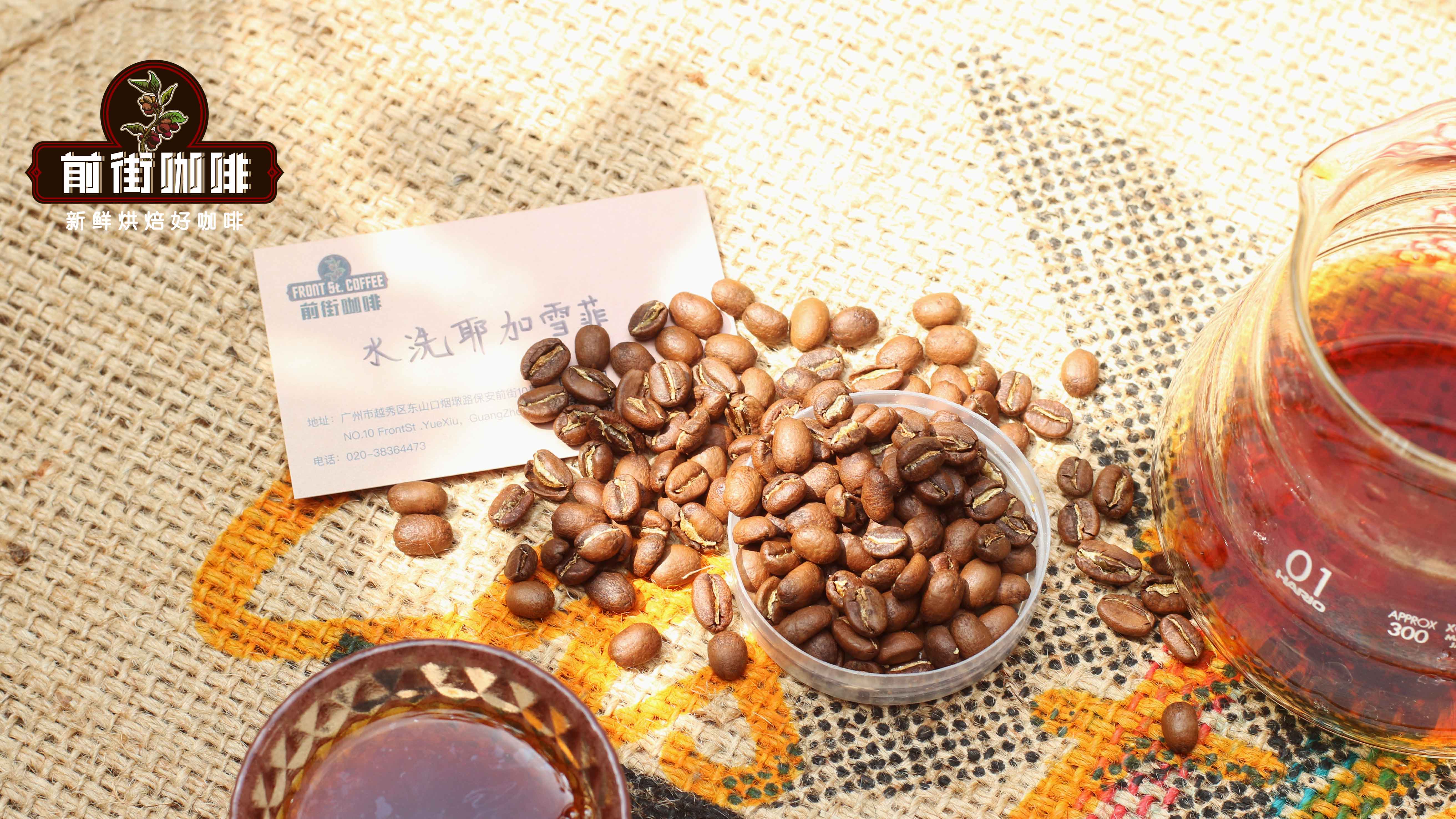
Ethiopia Yirgacheffe
Front Street Washed Yirgacheffe
Country: Ethiopia
Region: Yirgacheffe
Altitude: 1800-2000 meters
Processing Method: Washed
Variety: Local Heirloom
【Cake Filter】
The bottom of the cake filter is flat, and this flat-bottom structure allows for more thorough extraction of the coffee. At the same time, there are only three small holes at the bottom, so the flow rate is relatively slow, allowing the coffee grounds to remain in a soaked state, and the final extracted coffee is overall more balanced.
Parameters & Technique: 15g coffee grounds; medium-fine grind (78% passing through China standard No. 20 sieve); water temperature 90°C, coffee-to-water ratio 1:15; bloom with 31g water for 30 seconds, pour with a small stream in the center to 122g, when the water level drops and is about to expose the coffee bed, continue pouring to 227g, when the water level drops and is about to expose the coffee bed, remove the dripper. (Timing starts at blooming) Extraction time is two minutes.
Flavor: Aroma of lemon and nuts, entry is lemony acidity, clear sweetness of sucrose, with a faint floral note, lingering oolong tea finish.
【KONO】
The ribs of the KONO dripper are relatively short, and the fit between the filter paper and the dripper is high, so during brewing the exhaust space of the dripper is limited, air flow is reduced, the flow rate slows down, and a considerable portion of the coffee grounds remains soaked. As a result, the water absorption time of the coffee particles is extended, and the extracted coffee is overall more balanced, less prone to under-extraction.
Parameters & Technique: 15g coffee grounds; medium-fine grind (80% passing through China standard No. 20 sieve); water temperature 90°C, coffee-to-water ratio 1:15; bloom with 31g water for 30 seconds, pour with a small stream in the center to 124g, when the water level drops and is about to expose the coffee bed, continue pouring to 228g, when the water level drops and is about to expose the coffee bed, remove the dripper. (Timing starts at blooming) Extraction time is 2 minutes.
Flavor: Entry has cream and lemon flavors, black tea finish. The aroma is relatively restrained, with obvious sweetness.
【French Press】
The French press can be considered a quite convenient device. Making coffee with it is not complicated; simply let the coffee fully soak in the pot, then use the plunger with a metal filter to separate the coffee liquid from the grounds. The coffee obtained by this brewing method has a prominent full body, enhancing texture and oils, making it a convenient and easy-to-use device.
Parameters & Technique: 20g coffee grounds; medium-fine grind (80% passing through China standard No. 20 sieve); water temperature 90°C, coffee-to-water ratio 1:15; pour directly to 300g, at 1 minute 30 seconds stir 5 circles to allow the grounds and water to fully contact, soak until two minutes, press and filter out, the extraction time for pouring out all the coffee is 2 minutes 30 seconds.
Flavor: With floral notes, entry is lemony acidity, cream and sucrose sweetness, black tea finish, the mouthfeel is relatively thick and smooth.
【Strawberry Dripper】
The ribs on the inner side of the dripper are designed as a dotted distribution structure, resembling the small seeds on the surface of a strawberry, and the bottom hole diameter is relatively small, from which it can be judged that its flow rate is relatively slow, thereby playing a role in increasing the extraction yield.
After adding the filter paper, because there are many bumps between the dripper and the filter paper, the fit is not very high, and water can penetrate the filter paper and flow away through the gaps between the bumps, thus avoiding over-extraction. In addition, these bumps can also adsorb fine particles; when the fine particles adhere to the upper edge of the cup wall, most of what is soaking at the bottom are relatively coarser ground particles, so while the extraction yield is improved, the probability of over-extraction is also greatly reduced.
Parameters & Technique: 15g coffee grounds; granulated sugar grind (75%); water temperature 90°C, coffee-to-water ratio 1:15; bloom with 30g water for 30 seconds, pour with a small stream in the center to 121g, when the water level drops and is about to expose the coffee bed, continue pouring to 226g, when the water level drops and is about to expose the coffee bed, remove the dripper. (Timing starts at blooming) Extraction time is 2 minutes.
Flavor: Aroma of floral and tea notes, entry is lemony and citrus acidity, chocolate finish, the mouthfeel is relatively full-bodied.
【SOE】
Extraction parameters are as follows Coffee dose: 20g Coffee yield: 40g Extraction time: 27 seconds
Flavor Description
Citrus, berry, fermented aroma, syrupy, medium bitterness, medium-high acidity, bright and lively acidity
| Summary |: When the same beans are brewed with different devices, the flavors and mouthfeels presented are all different. Therefore, when choosing a brewing device, everyone can base it on the flavor of the beans they want to express, combined with the characteristics of the device itself, to make a choice.
The above content is compiled by CoffeeHunters, a coffee news website.


