







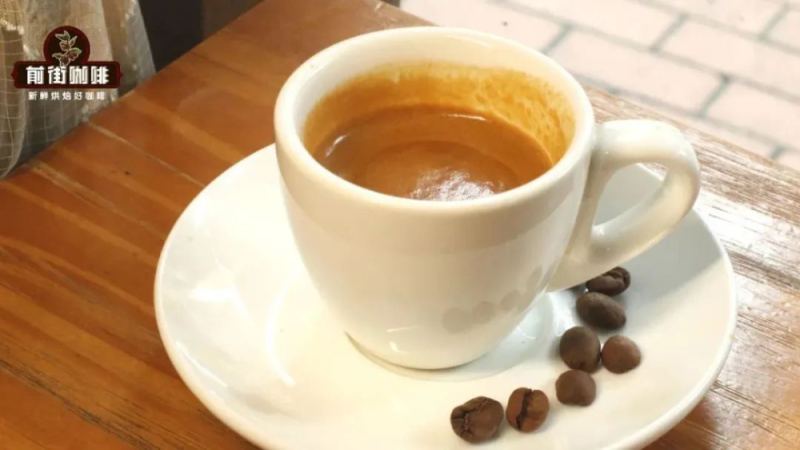
Why do most modern coffee machine shots pull doubles?
A single shot once meant 30ml of espresso pulled from 9 to 11 grams of grounds. Today most cafés serve what they call one shot as a double: 18 to 20 grams of coffee extracted into roughly 60ml. Single baskets have largely been phased out because they distribute water less evenly, which causes channeling and inconsistent extraction across the puck.
The shift in extraction philosophy followed decades of equipment change, from the first espresso machine 1822 onward, as baskets grew deeper and doses climbed. Splitting a double into two servings was a common workaround in earlier years, but it wastes half the shot. A modern coffee machine with a deeper double basket gives more even water flow, better uniformity, and a repeatable result the barista can actually control.
When ordering at a coffee shop, you often hear the phrase "add a shot," but do you know what 1 shot actually means? In the early days, 1 shot referred to a 30ml single espresso extracted from 9–11g of grounds; today, the 1 shot at most cafés is actually a double espresso extracted from 18–20g of grounds. Why would shops rather pull a double than use a single basket? What exactly are the differences between single and double baskets in appearance, structure, and extraction performance? Starting from Front Street's extraction experiments, this article uses concrete data to explain why single baskets have been phased out, and analyzes how basket structure affects water flow distribution, extraction uniformity, and channeling, helping coffee lovers understand the extraction logic behind espresso.
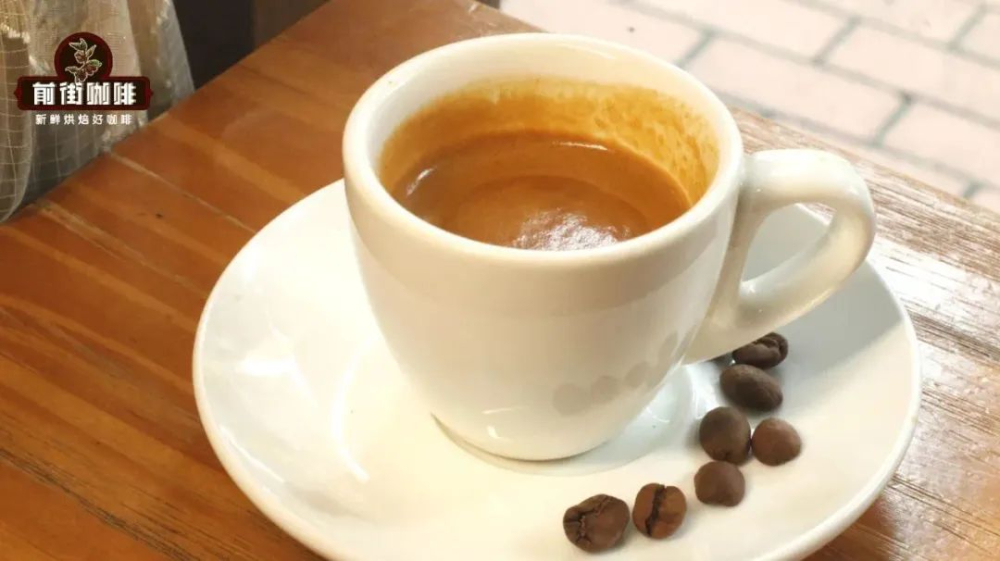
In coffee contexts, 1 shot refers to a single espresso. The word "shot" originally comes from the world of spirits, where it is a unit for measuring liquor. 1 shot equals 1 ounce, and 1 ounce is roughly 30ml. In the early days, 1 shot meant a 30ml single espresso extracted from 9–11g of coffee grounds; but as extraction philosophy evolved, what most coffee shops now call 1 shot is actually a double espresso extracted from 18–20g of grounds.
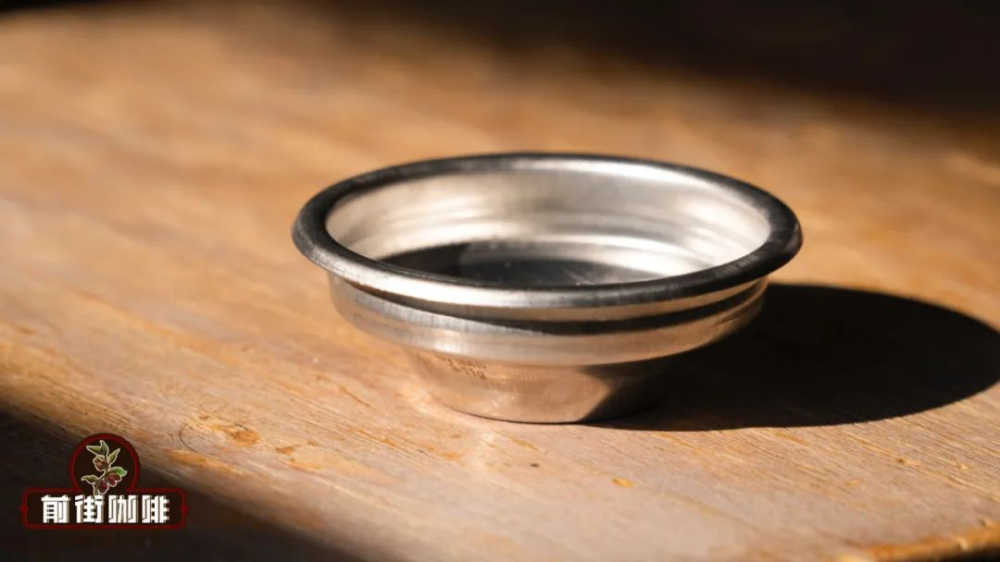
Of course, many coffee shops worry that customers can't handle the strength of four shots stacked together, so they still use the old parameters: first pull a double espresso, then split it into two. One portion goes into the customer's coffee, and the other is either thrown away or drunk by the staff. This was also a common practice among businesses before specialty coffee became popular. But those of you with a coffee machine at home will know that, besides double baskets, machines also come with single baskets—the ones used in the early days to extract 9–11g of grounds. They look like this ↓
So the question arises: why would shops rather extract two espressos than use a single basket to pull just one? Wouldn't that save more resources and control costs better?
The reason isn't complicated. It is precisely the progress in extraction philosophy that changed extraction methods, and single baskets cannot meet today's extraction demands, so they have gradually been phased out. So today Front Street will share why single baskets have been "eliminated"!
Single espresso baskets
Let's first look at the differences in appearance between single and double baskets:
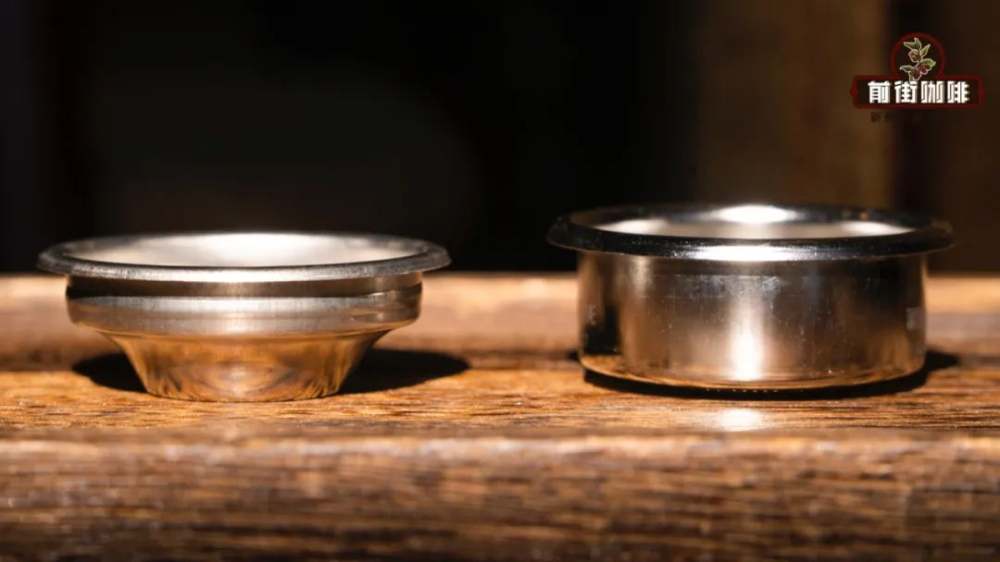
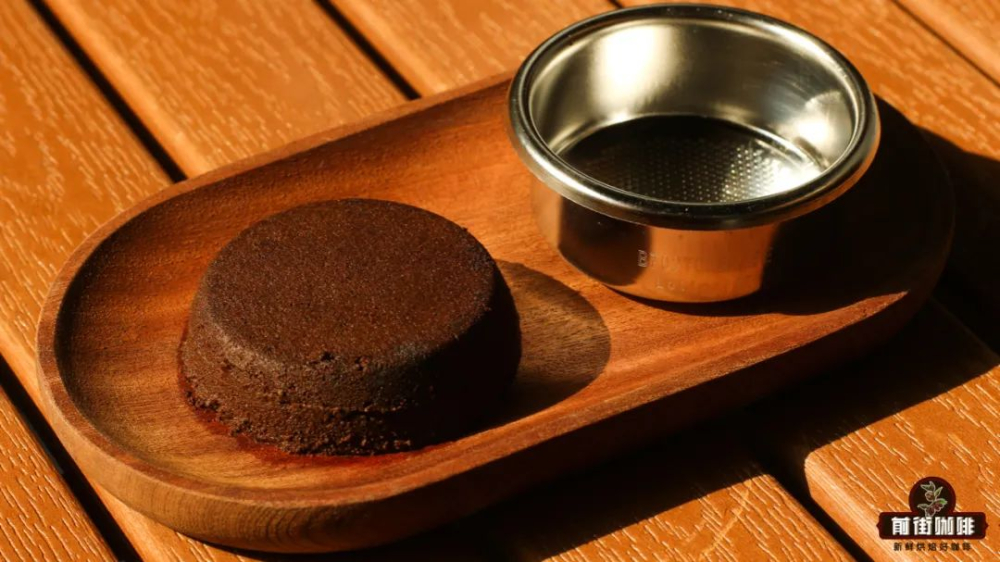
A common double basket is cylindrical overall, and the puck knocked out after extraction is also a neat, round block.
A single basket, by contrast, is relatively irregular, mainly featuring a double-layer, inverted-cone structure. The upper rim matches the diameter of a regular basket, but because a single uses half the dose of a double, the lower layer of the single basket is narrowed. This keeps the rim consistent while keeping the maximum thickness of the coffee bed similar, leaving more room for extraction.
But! Extraction is not as simple as it seems. Using a single basket is not just a matter of splitting 20g of grounds in half and dumping one portion over to use, as shown in the extraction experiment Front Street did below.
When Front Street extracted with a double basket, using 20g of grounds as the baseline, it yielded 40ml of coffee liquid, took 30 seconds, measured a concentration of 11.28%, and calculated an extraction yield of 21.89%.
When extracting with a single basket, using 10g of grounds as the baseline, it yielded 20ml of coffee liquid. The flow rate was a bit faster. The key point is that during extraction, there were also multiple spraying effects—in short, channeling.
It took 18 seconds, measured a concentration of 8.55%, and calculated an extraction yield of 18.12%. As you can see, the difference in extraction yield is far from negligible.
If we want to raise the extraction yield and concentration of a single basket to the same figures as a double basket, then we must add more grounds or grind finer, so that the hot water has ample extraction time. But this undoubtedly increases costs for the shop, such as the material cost of dialing in the grinder and the time cost.
After multiple rounds of extraction, Front Street found that the dose needed to be 13g for the espresso's various aspects (concentration, extraction yield, taste) to come close to the espresso extracted from a double basket. And the reason for such a big difference lies precisely in the structure of the basket.
As you can see, the structure of a double basket is a straight, cylindrical shape, which means that whether tamping or being pressurized in the espresso machine during extraction, every part of the coffee bed receives force evenly. So during extraction, hot water can more evenly extract from the vast majority of the coffee bed.
A single basket is different—it comes with more constraints. Not only must its upper rim match other baskets to fit the group head, but its bottom space must also be compressed and its bottom structure altered to ensure sufficient coffee bed thickness. So with a basket that is wide at the top and narrow at the bottom, the pressure around the edges will inevitably be higher than the pressure at the center on the same level, whether during tamping or extraction.
Then, during extraction, hot water will preferentially extract the central part first, and only afterward the edges; when the hot water penetrates to the lower layer, it will again concentrate on extracting the center. This is a completely different extraction state from a regular basket, and it is very prone to uneven extraction, which then leads to channeling. We can clearly see this from the puck knocked out and the "residue" left in the basket.
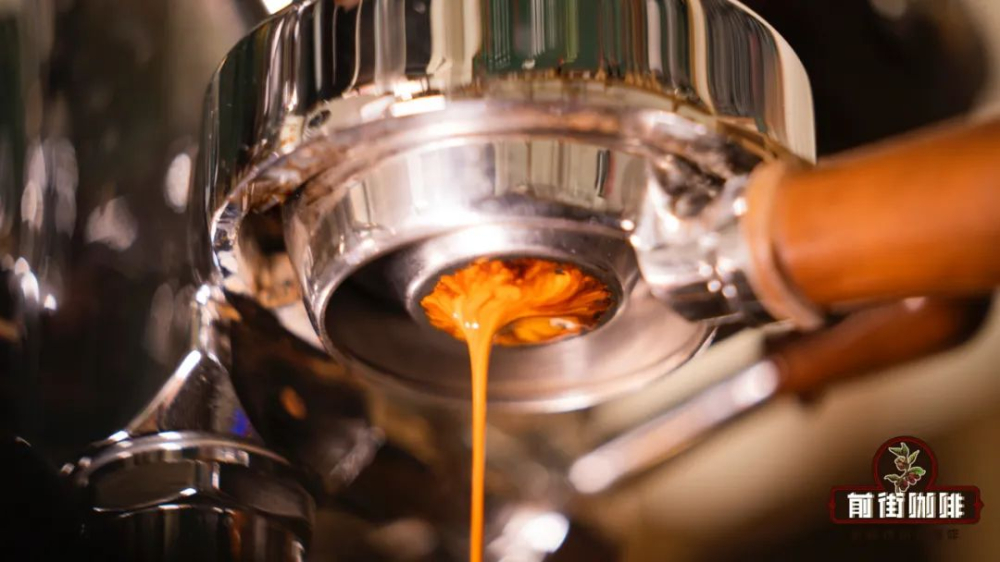
Therefore, once the concept of extraction was updated and iterated, the shortcomings of the single basket were fully exposed, and unable to keep up with the times, it was gradually phased out as time passed.
The above content is compiled by CoffeeHunters, a coffee news website.


