







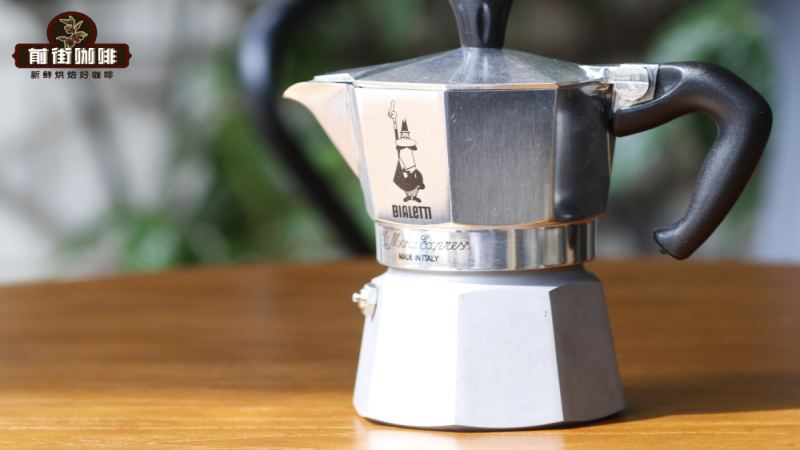
Should a moka pot filter basket be filled to the brim?
Filling the moka pot filter basket to the brim generally gives a better cup than a half dose. With less coffee, hot water meets less resistance, so the liquid shoots up faster, extraction time shortens, and the result tastes weak and sharply acidic, with the bottom layer of grounds over-extracted into bitterness.
Dosing still leaves room for choice, but a reduced load rarely tastes as full. Fresh medium-dark roasted beans help produce crema, and the choice between single-valve and double-valve models comes down to pressure and fault tolerance. Double-valve designs add pressure for heavier body, while single-valve versions are more forgiving for beginners, with brew time varying by dose and grind.
Nearly a century after its debut, the moka pot has once again become a hot topic in the coffee world with the arrival of a new generation of pressurized models. Many enthusiasts are torn: should the filter basket really be filled to the brim? And how should one choose between single-valve and double-valve? This time, Front Street Coffee will break down these questions one by one, from the logic of dosing to the principles of extraction and the structure of the valves. The article will explain why a reduced dose tends to produce an unbalanced cup with both sharp acidity and bitterness, share the specific steps for making moka pot coffee with a half dose, and clarify the fresh medium-dark roasted bean requirements for obtaining crema. Finally, it compares single-valve and double-valve models in terms of pressure and fault tolerance, helping beginners find the one that suits them better.
For more specialty coffee knowledge, please follow our WeChat official account: FrontStreet Coffee (FrontStreet Coffee)
The arrival of the new generation of pressurized moka pots has brought this appliance, born ninety years ago, back into the public eye, and the moka pot has thus ushered in a new wave of popularity. Many friends want Front Street to talk about how to choose between single-valve and double-valve, and some want to know the correct way to use a moka pot, so Front Street will now give a systematic explanation.
Must the moka pot's filter basket be filled to the brim?
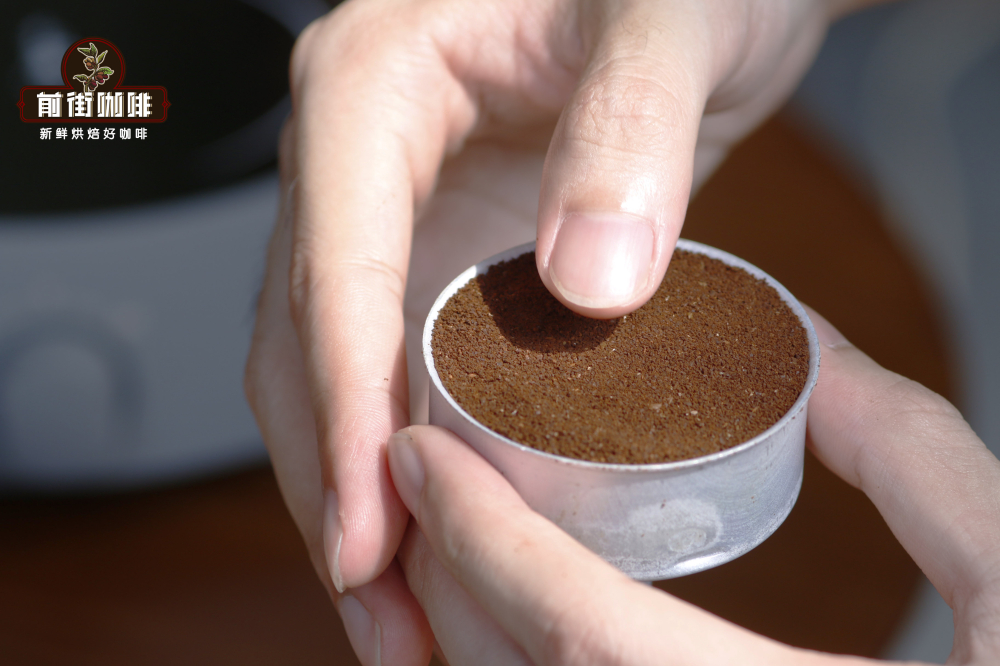
When loading coffee grounds into a moka pot's filter basket, it is recommended to fill it up, as the resulting coffee will perform better than when only half a dose is used. If only half a dose is placed, the resistance encountered by hot water passing through the coffee bed decreases, and the final coffee tastes weaker, not thick enough on the palate. So it is not a hard requirement to fill it up, but when it is not filled, the finished cup is often not as tasty.
The reason is not complicated: the smaller the dose, the less obstruction the hot water meets, and the coffee liquid more easily shoots up into the upper chamber. On one hand, the extraction time is compressed, and the coffee tends to show sharp acidity; on the other hand, the continuous scouring by hot water over-extracts the bottom layer of grounds, bringing out an unpleasant bitterness.
When Front Street discusses espresso extraction, it often mentions that water is lazy and will preferentially choose the path of least resistance, commonly known as "channeling." So in addition to the change in resistance, a reduced dose also leaves extra space in the filter basket, and as the hot water travels upward, it first bypasses the coffee bed and reaches the upper chamber directly; this portion of liquid is most likely under-extracted.
If you want to make a cup of moka pot coffee with a smaller dose, Front Street's approach is: when pouring the coffee grounds into the filter basket, first tap it gently from side to side to let the fluffy grounds settle naturally, so the particles pack closely together; then take a small spoon and gently "press" the coffee bed with the back of the spoon until the bed is compressed to half its original height. To avoid over-extraction caused by the hot water contacting the thinned coffee bed for too long, before loading the filter basket, first pour half the amount of hot water into the lower chamber, which noticeably shortens the heating time. Once the moka pot's output covers the bottom, immediately remove it from the heat source and use the residual heat to release all the remaining coffee liquid.
After this adjustment, not only was there no sputtering, but the surface also carried a thin layer of foam, and the concentration was improved quite a bit. Front Street made this cup of "half-dose moka pot coffee" into an iced milk coffee; on the palate there are clear cocoa and cream flavors, with a balanced and mellow body.
To give moka pot coffee crema, two conditions must be met: first, fresh medium-dark roasted coffee beans, and second, pressure must be applied during extraction.
Coffee beans accumulate a large amount of carbon dioxide when heated, which is released when they meet water during extraction, so the darker the roast, the more gas. At this point, light roasts should be avoided first, because they cannot release much crema. If home beginners are after better value, they can prioritize Front Street's espresso bean series, including Front Street Dark Cocoa Blend, Front Street Classic Blend, Front Street Commercial Blend, and Front Street Specialty Blend; they are all medium-dark roasted, come with caramelized aromas, and produce espresso rich in crema.
So for a moka pot, is it better to choose single-valve or double-valve?
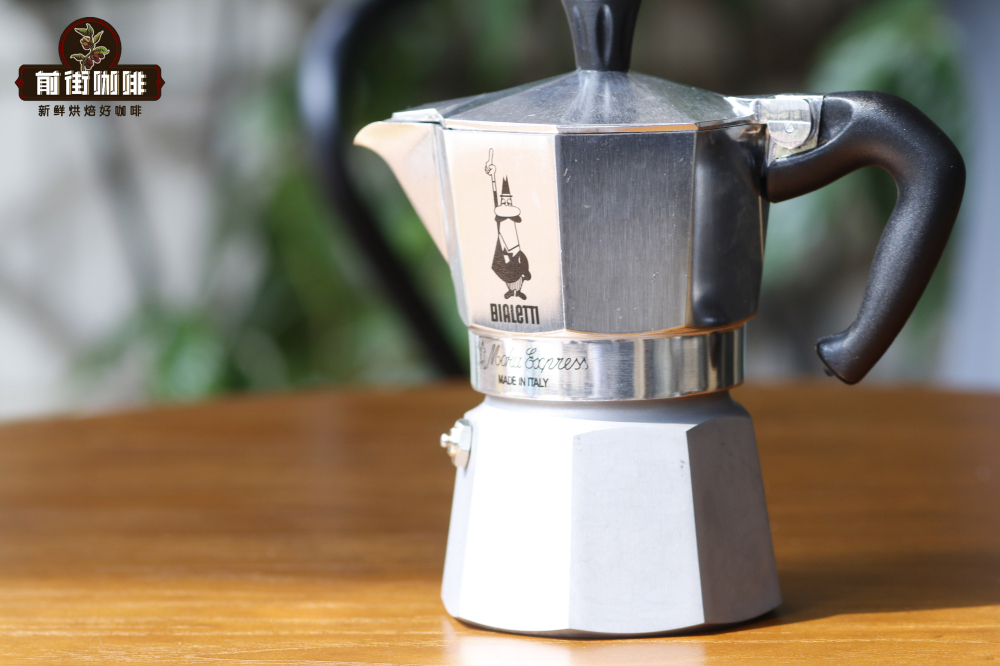
According to differences in construction and function, moka pots are divided into two types: single-valve and double-valve. Single-valve means the extracted coffee liquid flows out directly from the small hole at the top; the double-valve moka pot adds a pressure-collecting valve on top of the hollow tube, which blocks the small outlet hole of the hollow tube during extraction, and a certain steam pressure must be reached to push it upward and open. Therefore, the double-valve moka pot, with greater steam pressure, can extract richer crema and a more intense flavor. But increased pressure also easily leads to over-extraction, so the grind size and dose of the coffee grounds need to be adjusted accordingly.
Front Street believes that the single-valve moka pot has a higher fault tolerance, and the coffee it brews is not prone to over-extraction, making it friendlier to beginners just getting into coffee; while the double-valve moka pot requires greater pressure to dispense liquid and easily extracts crema, but the risk of over-extraction increases along with it, and with a moment's carelessness the coffee made will be on the bitter side.
The above content is compiled by CoffeeHunters, a coffee news website.


