







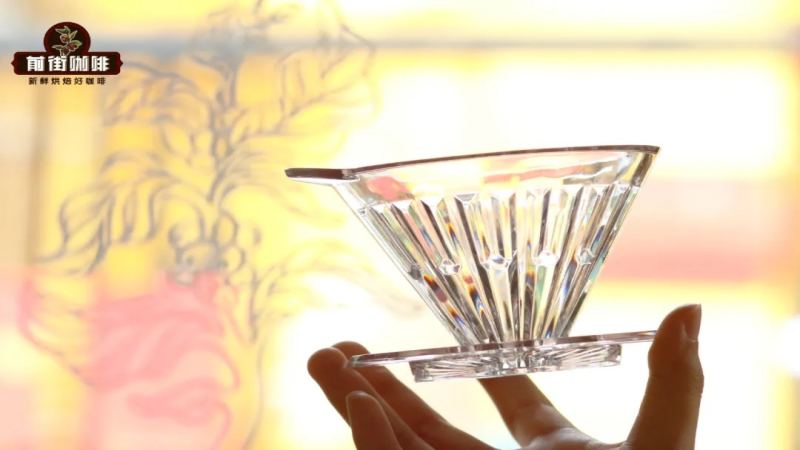
How does dripper design change the way water meets coffee particles?
A pour-over dripper's exhaust grooves control how fast water moves through the coffee bed, and that shapes the final cup. The Ice Eye Dripper recesses its grooves inward: a smooth top layer seals against the filter paper, 24 short grooves sit in the middle, and 12 long grooves run to the outlet, staggered so the lower section stays mostly sealed.
The V60 uses curved spiral ribs from rim to outlet, which lengthen the water path and extend contact between coffee particles and water, while its larger outlet hole lets the pour rate set extraction time. Tested under identical parameters, the two drippers push flavor in different directions, so the choice should match the bean's roast level and processing method.
For friends who are just getting into pour-over coffee, choosing the right dripper is often the first step in determining brewing consistency. This article provides a detailed analysis of the Ice Eye Dripper, starting with its exhaust groove structure design, explaining its fundamental differences from the V60's spiral ribs, and presenting the different flavor tendencies of the two drippers through actual comparisons under identical brewing parameters. The article also incorporates a brewing case using Front Street Yirgacheffe Gutingding Cooperative washed beans, offering dripper selection recommendations for coffee beans of different roast levels and processing methods, helping beginners make more suitable choices based on bean characteristics.

The star of today's discussion is this Ice Eye Dripper, which gleams under the light and fits tightly with the filter paper. Barista "Model" says that brewing coffee with this Ice Eye Dripper is truly a delightful experience!
What are the features of the Ice Eye Dripper?
Most common coffee drippers have raised ribs on the cup wall, which serve to create gaps between the filter paper and the cup wall—these are called exhaust grooves. The length and direction of the exhaust grooves directly affect the speed at which water passes through the coffee bed.
Taking the V60 dripper as an example, its exhaust grooves use a curved spiral rib structure, commonly known as spiral ridges. The ribs extend from the cup rim all the way to the outlet hole, maximizing the coffee's exhaust needs while the curved direction lengthens the water flow path, thereby extending the contact time between coffee particles and water. The larger outlet hole at the bottom allows users to control extraction time by adjusting the pour rate, thereby influencing flavor direction.
The Ice Eye Dripper's exhaust groove design, however, is recessed inward.
Observed from the side, the Ice Eye Dripper's pattern is divided into three layers: the upper layer is a smooth surface that can completely seal and fit with the filter paper; the middle layer consists of 24 short grooves extending from the smooth surface to the halfway point of the dripper; the lower layer has 12 long grooves extending from the short grooves all the way to the outlet hole.
The middle layer grooves and lower layer grooves are arranged in a staggered manner, so the lower layer is almost in a suspended state. This staggered design allows water to pass slowly through the middle layer for full extraction, then rapidly accelerate through the nearly suspended lower layer to avoid over-extraction. The whole process is like "riding a roller coaster"—first giving the coffee liquid ample "mental preparation," then quickly descending into the server.
Both are conical coffee drippers with relatively fast flow rates,
what's the difference between coffee brewed with the Ice Eye and the V60?
As can be seen, both drippers can achieve full extraction under certain conditions while effectively reducing the risk of over-extraction, making them quite friendly to coffee beginners. This time, Front Street will use identical brewing parameters to brew Front Street Yirgacheffe Gutingding Cooperative washed coffee beans, to see what flavor expressions each presents.
Brewing parameters: 15g coffee beans, grind size similar to fine sugar (78% passing through China standard No. 20 sieve), water temperature 91°C, coffee-to-water ratio 1:15. Three-stage pouring: first stage pour 30g water for 30-second bloom, second stage pour 95g water for extraction, then after the water level drops to two-thirds of the分层, pour 100g water. Total water volume 225g.
V60 dripper extraction time: 2 minutes 10 seconds. Coffee flavor shows jasmine floral notes, bright citric acidity, cane sugar sweetness, and a green tea finish, with rich flavor layers.
Ice Eye dripper extraction time: 2 minutes 10 seconds. Coffee flavor shows honeysuckle floral notes, pomelo freshness with a slight bitterness of pomelo peel, very pronounced honey sweetness, an oolong tea-like finish, and a full, solid mouthfeel.
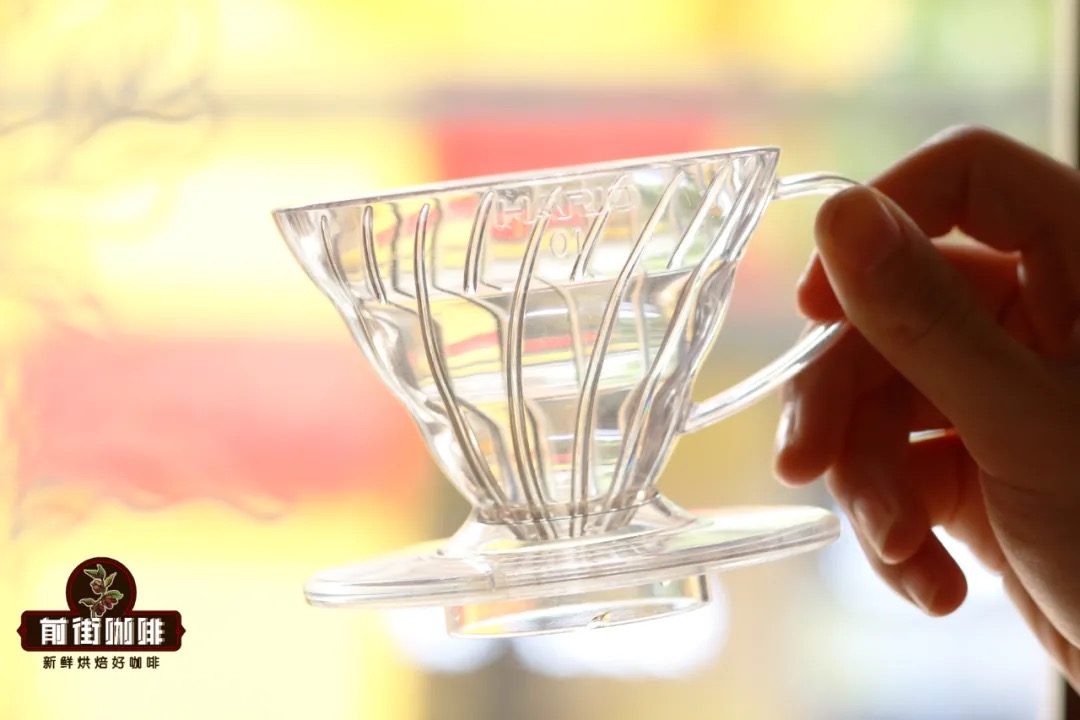
The Ice Eye Dripper experience is simply a blessing for perfectionists! After the dripper is rinsed, the filter paper really fits tightly against the cup wall, so there's no need to worry about poor adhesion changing the uniformity of the coffee bed and causing uneven extraction.
The V60's advantage is that extraction time can be controlled through pour rate, with a brighter mouthfeel and richer layers, but it lacks body. However, if pouring stability is insufficient, it's easy to break through the coffee bed or have too fast a flow rate, resulting in uneven extraction.
The Ice Eye's advantage is the high degree of fit between the upper and middle layers and the filter paper, creating immersion-style extraction, so if the water flow gets out of control, there's some room for recovery. The brewed coffee has a more balanced, saturated overall mouthfeel, with more pronounced sweetness than the V60. However, due to increased saturation, the layering is not as good as the V60, and the aroma and acidity become somewhat less defined.
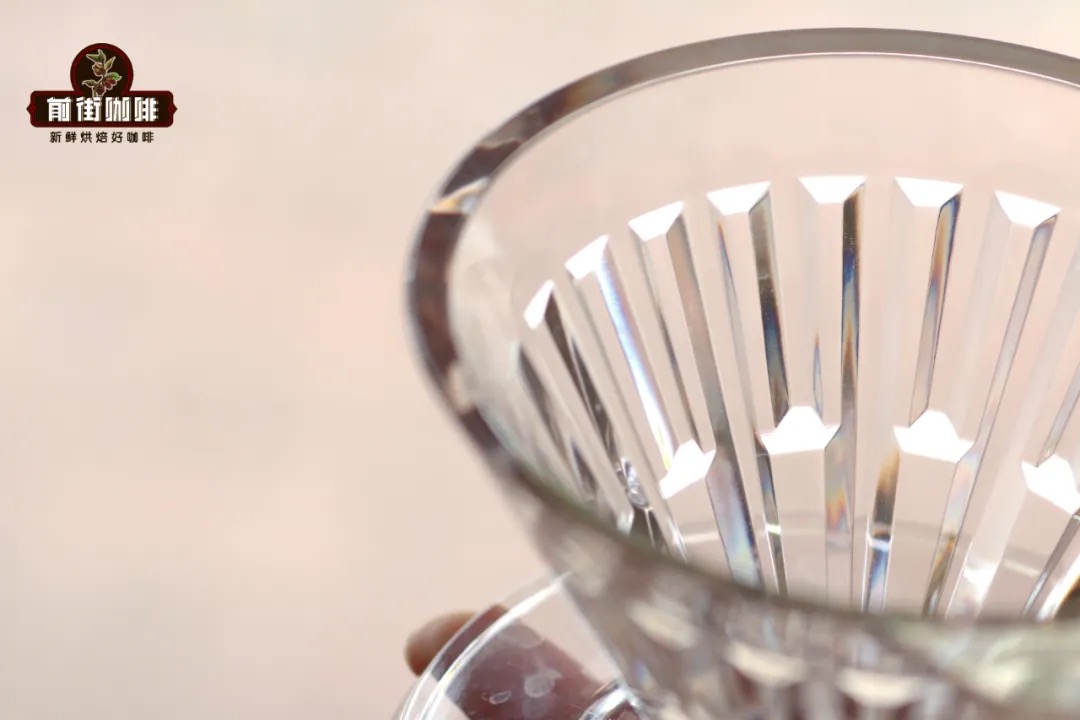
The overall flow rates of these two coffee drippers are very close, making them well-suited for brewing light-medium to medium roast coffee beans. But for coffee beans with brighter acidity and richer aromatics (such as light-medium roasted washed or natural coffee beans—Front Street recommends Front Street Natural Huakui, Front Street Gesha Village Red Label Gesha), Front Street recommends using the V60 for brewing to enhance overall layering and make the flavors clearer.
For coffee beans with higher sweetness and fermented notes (such as light-medium to medium roasted natural coffee beans or honey-processed coffee beans), Front Street recommends using the Ice Eye Dripper for brewing, which will make the mouthfeel fuller and the sweetness more pronounced.
The above content is compiled by CoffeeHunters, a coffee news website.


