







The cold drip coffee maker has a unique shape, and its stacked layers often make people mistakenly think they have walked into a laboratory. Many customers who come to Front Street are curious about this set of equipment and want to replicate the same cold drip at home as in the store. This article will systematically explain the structure and usage of the cold drip coffee maker, including key parameters such as grind size setting, coffee-to-water ratio, and valve flow rate control, and share a production example using Costa Rica Mozart coffee beans from the Front Street store. In addition, the article also discusses ideas for selecting beans for cold drip coffee, and provides specific coffee bean recommendations one by one according to four categories: tropical fruit fermented type, refreshing and clean type, sweet and mellow type, and flavor blend type, to help readers find the cold drip solution that best suits them.
In many coffee shops, you can see a set of uniquely shaped equipment—its stacked structure makes people momentarily think they are in a laboratory rather than a place for drinking coffee. This is the cold drip coffee maker. Among the customers who come to Front Street, there are quite a few who are deeply interested in this set of equipment and plan to buy one to make the same cold drip at home as in the store. That being the case, Front Street will now explain in detail the steps and correct method for making cold drip coffee.
How to use a cold drip coffee maker
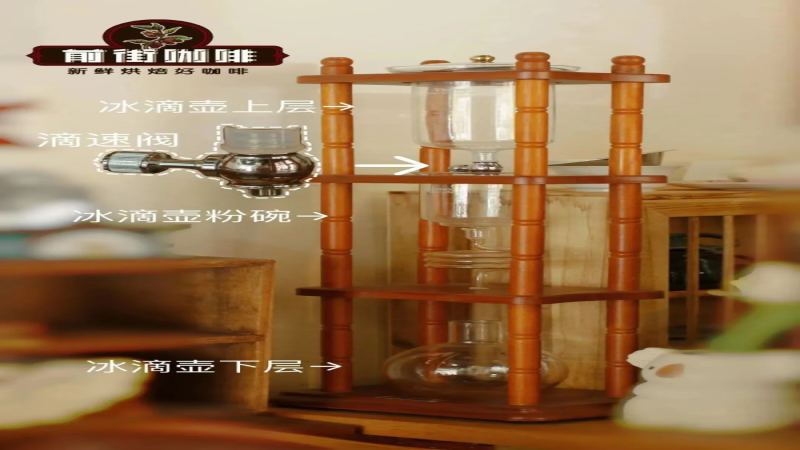
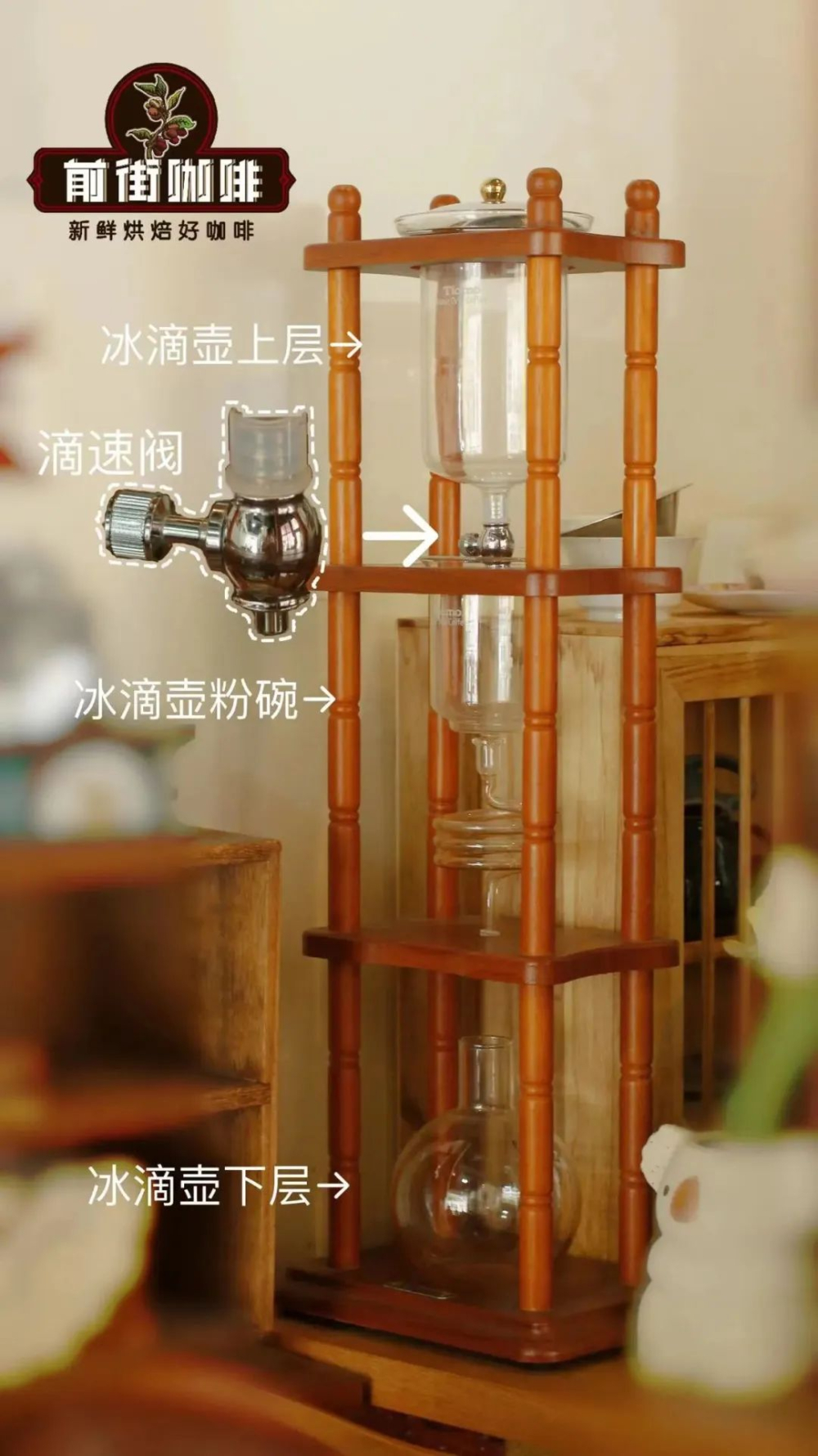
Cold drip coffee makers sold on the market come in different shapes and materials, but their basic structure includes three parts: upper, middle, and lower, which can be further divided into four core components: upper pot, valve, powder cup, and lower pot.
The topmost container is responsible for holding ice cubes and water. Below it is connected a metal part—the valve, which controls the speed of water droplets by adjusting the size of the outlet, allowing ice water to drip evenly onto the coffee grounds. The middle glass container, shaped like a cup, is used to hold the ground coffee. There is a filter hole in the center of the bottom, through which the brewed coffee liquid drips out and is finally collected by the large pot below.
This time, Front Street selected a Costa Rica Mozart coffee that is quite popular in the store for production. Mozart coffee beans use a raisin anaerobic honey process, with flavor notes of raisins, osmanthus, and the sweet aroma of fruit fermentation, and the cold drip extraction method can make the fermented sensation more prominent.
In terms of grind size, Front Street usually sets it according to the standard for ice hand brew. Because low-temperature water reduces extraction efficiency, the coffee grounds need to be ground finer to increase the extraction rate. This bean is based on an 85% passing rate with the Chinese No. 20 standard sieve, corresponding to a grind setting of 9 on the ek-43s grinder used in Front Street stores.
Before making it, first calculate the extraction parameters: the coffee-to-water ratio is 1:10, that is, 60 grams of coffee grounds extract 600 grams of coffee liquid; the ice-water mixture is prepared at 1:1; the valve flow rate is controlled at 7 drops every 10 seconds, and the entire dripping process takes about 6 to 8 hours to complete. (The coffee-to-water ratio for cold drip is usually between 1:10 and 1:12, and can be adjusted flexibly according to personal taste preferences.)
Place a round filter paper at the bottom of the middle pot, wet it with water so it adheres, then pour in the ground coffee, taking care to level it to ensure even extraction. The surface of the coffee bed is also covered with a round filter paper to prevent water droplets from impacting and scattering the coffee bed. Before officially starting the drip, the coffee bed needs to be prewet with cold water. This can both shorten the extraction time and avoid the problem of uneven extraction in the early stage.
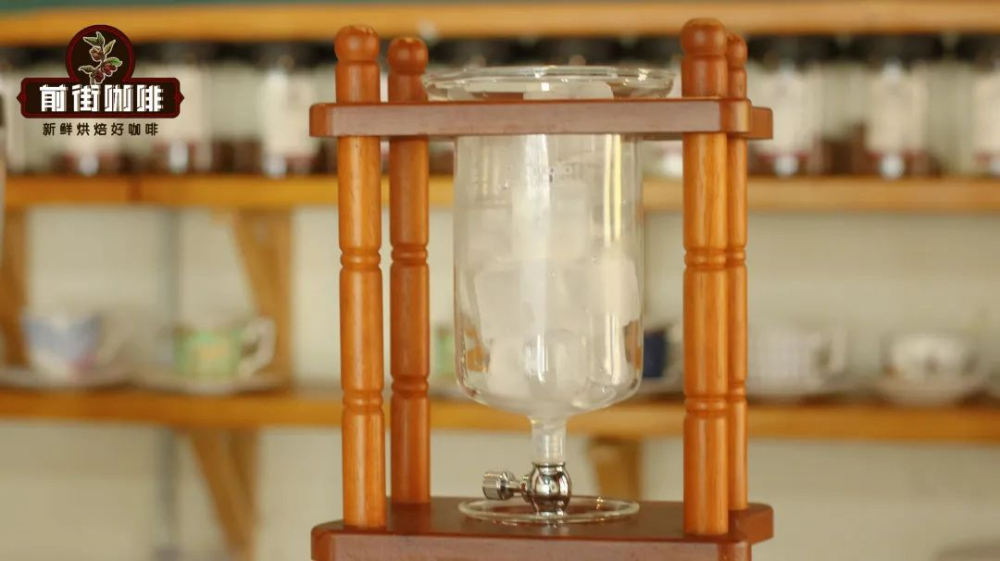
Place the powder cup on the stand and begin pouring in the ice-water mixture, usually half ice and half water. Adjust the valve so that the flow rate stabilizes at 7 drops every 10 seconds, and make sure the dripping water droplets remain aligned with the position where the coffee liquid drips out.
After the dripping is finished, pour the coffee liquid from the lower pot into a sealable container—Front Street uses a glass bottle—and refrigerate it for fermentation for more than 12 hours. It is generally ready to drink the next day.
After a night of refrigeration, Mozart coffee will show an alcoholic fermentation aroma, with the sweet and sour flavors of tropical fruits such as berries and pineapple. The mouthfeel is rich but not bitter, and after dilution with ice it feels like drinking a refreshing fruit wine.
How to choose coffee beans for cold drip coffee?
Drinking coffee ultimately means drinking the flavor you like. When brewing it yourself, you will naturally choose the coffee beans you prefer. There are many types of coffee beans. Although all beans can be used for hand brew, does cold drip also have no restrictions?
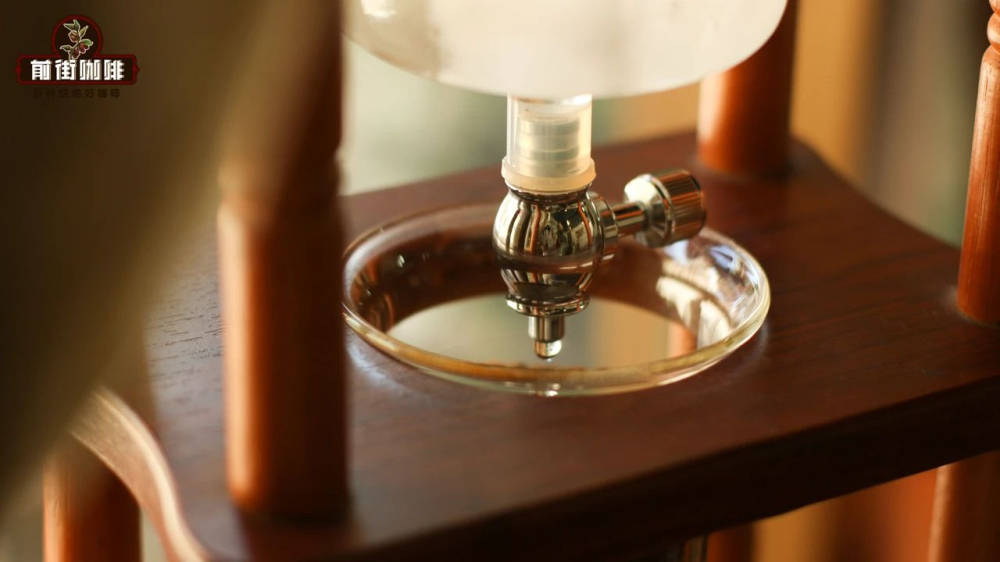
Front Street's view is that in principle any coffee beans can be used to make cold drip, but some beans may not taste ideal after being made into cold drip. Front Street suggests that when making cold drip coffee, it is best to choose representative single-origin coffee beans. Cold drip is a long-duration cold-water permeation extraction. For beans with distinctive character such as Kenya and Yirgacheffe, the extracted coffee will be very recognizable. Of course, Front Street sometimes also uses blends of two or more beans to make cold drip. Compared with cold brew coffee, cold drip coffee has richer aromatic substances and a more delicate and subtle taste.
The following are several typical flavor-type coffee beans summarized by Front Street for your reference:
1. Tropical fruit, fermented wine aroma type
Coffee beans with special processing methods, such as Front Street Mozart coffee, have the sweet and sour taste of dark berries, and the winey flavor produced by low-temperature aging makes the overall taste even better; Front Street Colombia Huayueye coffee, Honduras Sherry coffee, and Costa Rica Strawberry Candy coffee all have very distinct aromas and are equally suitable for making as ice hand brew or cold brew.
2. Refreshing and clean type
When it comes to refreshing and clean, African coffee beans are unmatched, such as coffee from the Yirgacheffe region in Ethiopia and Kenya Asalia coffee; Panama washed Butterfly Gesha blend beans also present a unique flavor.
3. Sweet and mellow type
The above two types of coffee beans are both medium-light roast, while dark roast is more often used for espresso. However, Front Street once tried using Indonesia Golden Mandheling to make cold drip coffee. After adding ice, it had a rich chocolate sweetness and a fermented aroma, with no bitterness at all. If Mandheling tastes too heavy, Front Street believes that Brazil Queen Estate can also present nutty and chocolate flavor notes, and when diluted with ice it also has a smooth creamy mouthfeel.
4. Flavor blend type
Espresso is mostly presented as a blend, and cold drip coffee can also be made this way. In addition to using single-origin beans with clear flavor, cold drip can also extract a mixture of two or more single-origin beans.
For example, Front Street once tried pairing Kenya Small Tomato coffee with Hambela Flower Queen coffee. The washed Small Tomato plus the sun-dried Flower Queen brings pleasant sweet-and-sour acidity like cherry tomatoes and plums, with a sweet pear-like texture interwoven with the richness of caramel. After being made into cold drip, you can feel a refreshing berry profile that quenches thirst, and the rich fruit aroma leads to honey-like sweetness and a juice-like mouthfeel.
The above content is compiled by CoffeeHunters, a coffee news website.


