







Search Results for: circling speed
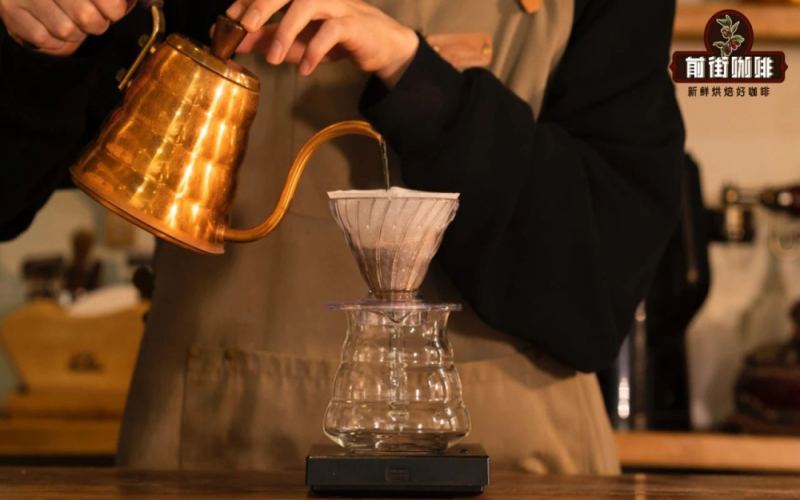
How Do Pour-Over Flow Rate and Spiral Speed Affect Flavor? A Guide to Brewing Fruity Coffee Beans
In the practice of pour-over coffee, flow rate and circling rhythm are two variables that are easily overlooked yet profoundly affect the final flavor. Front Street Coffee has previously conducted dedicated tests on these two factors separately. This time, we further cross-combined flow rate and circling speed, using two extreme methods—slow circling with a small stream and fast circling with a large stream—to conduct a comparative brewing of a fruity, rich Front Street Colombia Sidra. The experiment was carried out under completely identical conditions of dose, coffee-to-water ratio, grind size, and water temperature. Through concentration measurement and flavor description, it reveals the specific effects of different pouring strategies on extraction efficiency and taste direction. Whether you prefer a full-bodied, rich cup or a light, delicate one, this article will provide reusable adjustment ideas for your daily brewing. [more…]
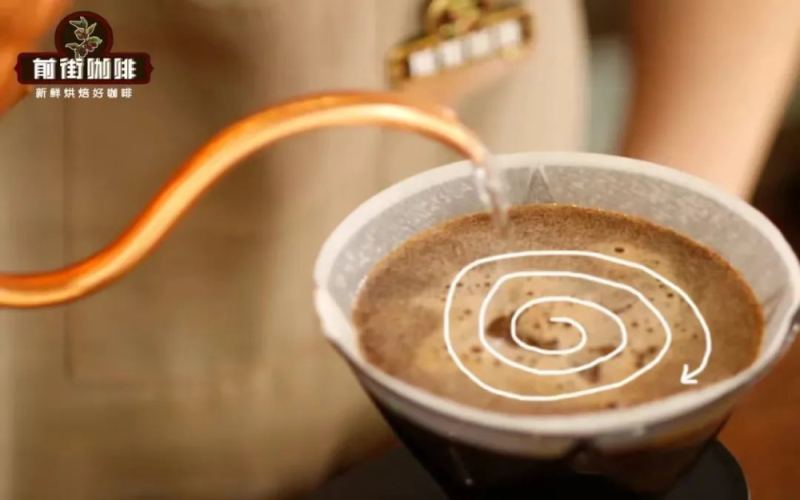
How Much Does the Speed of Circular Pouring in Hand-Brewed Coffee Actually Affect the Extracted Flavor?
Among the many variables in pour-over coffee, pouring technique is often overlooked by beginners, yet it has a significant impact on the final flavor. The speed of the circular pour is essentially equivalent to the amount of agitation applied to the coffee bed, so how much difference can it actually make to the taste of the coffee? Front Street conducted comparative experiments using washed Yirgacheffe and dark-roasted Golden Mandheling, measuring concentration and extraction yield and combining this with actual tasting to verify the effect of different pouring speeds on flavor. This article will present the parameters and results of both experiments in full, and further explore the role that agitation intensity plays when conditions such as grind size are changed. [more…]
What does circular pouring actually affect in pour-over brewing? Extraction differences and practical tips from flow rate and circling speed
When brewing pour-over coffee, the size of the water stream and the speed of the circling often determine the direction of the final flavor. This article analyzes these two variables: how a small stream and a large stream respectively change the thickness of the coffee bed, the drainage speed, and the mouthfeel; and how the speed of circling affects the washing force and extraction efficiency. Using 15g of coffee, a 1:15 coffee-to-water ratio, and a water temperature of 91℃, it conducts a comparative brew of two combinations—"small stream with slow circling" and "large stream with fast circling"—recording the differences in concentration and flavor to help you understand the true role of circling in extraction and adjust your grind and technique accordingly. [more…]
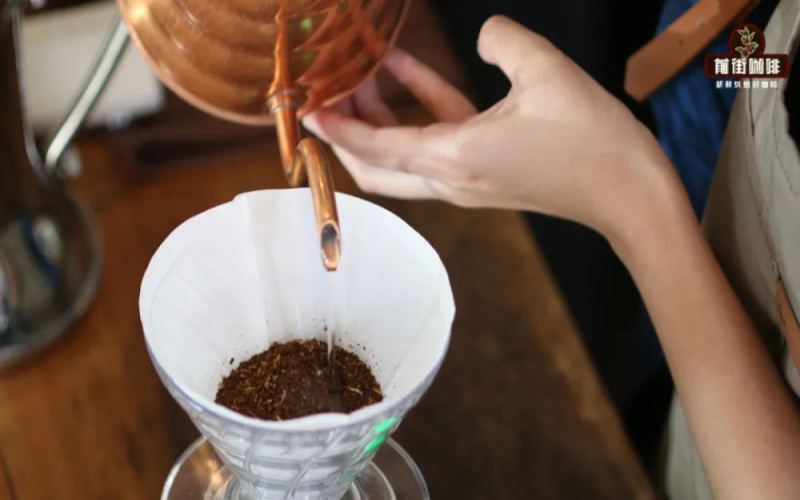
The Impact of Pouring Techniques on Flavor in Pour-Over Coffee: A Complete Analysis of Water Flow, Spiral Speed, and Trajectory
The reason pour-over coffee is called "pour-over" lies in the act of pouring water itself. Every barista has a different pouring style, and these differences directly influence the final flavor in the cup. There is no inherent hierarchy among pouring methods—what matters is whether they match the beans and the target flavor profile. Before developing a personal style, it is necessary to first understand exactly how different pouring techniques affect the extraction result. Drawing on Front Street's practical experience, this article examines three variables—flow rate, circling speed, and circling pattern—analyzing one by one how they change coffee's layers, acidity, sweetness, and body, and offering actionable combined pouring strategies to help you find the balance point between sweet-and-fruity notes and a rich, full mouthfeel. [more…]
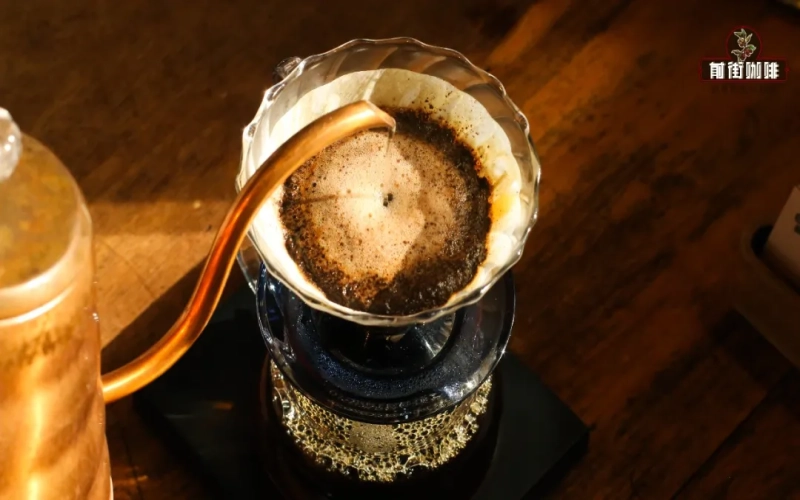
Water flow thickness, pouring height, and circular trajectory: How brewing techniques influence coffee flavor expression
The same beans and the same parameters, brewed by a different person, can taste different—the difference often comes down to pouring style. Pouring style refers to each person's preferences for flow rate, pouring height, and circling pattern when pouring water. These choices may seem subtle, but they change how the coffee grounds are distributed in the dripper, the degree to which they are disturbed by the hot water, and the dissolution rate of soluble substances, ultimately giving a cup of coffee noticeably different flavor, mouthfeel, and layering. Front Street Coffee will break down, one by one, the relationship between flow rate, pouring height, and pouring pattern—these three dimensions—and their corresponding effects on extraction, so that after understanding the principles, you can adjust your technique more calmly and brew a cup of coffee you truly enjoy. [more…]
Is There a Particular Direction for Circular Pouring in Pour-Over Coffee? Analysis of Clockwise vs. Counterclockwise Experiments and Key Techniques
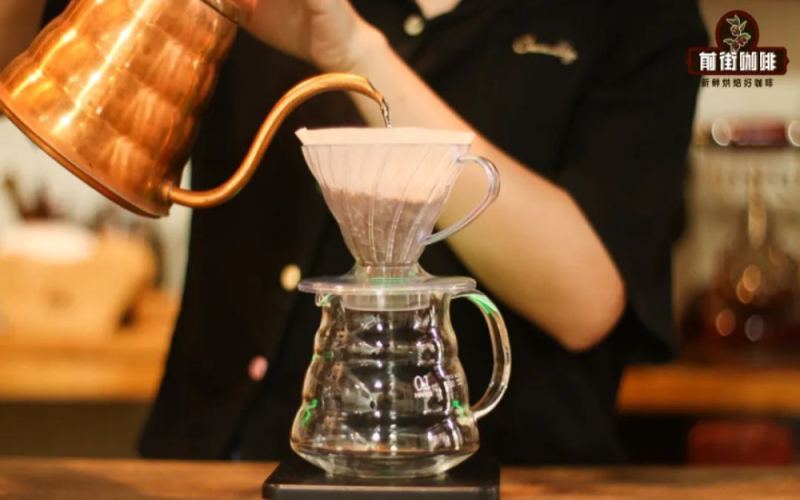
Among pour-over coffee pouring techniques, the size and speed of the circular pour are often discussed, but whether the direction of the circle affects extraction flavor has also become a question many enthusiasts are curious about. The spiral ribs of the V60 dripper are arranged clockwise, and some believe that pouring in the same direction can guide the water flow along the ribs and improve uniformity, while pouring counterclockwise may create turbulence by hitting the ribs and change the extraction result. To verify this claim, Front Street conducted a comparative experiment using the same parameters, changing only the pouring direction, and compared extraction time, concentration, and flavor performance one by one. This article will outline the experimental process and conclusions, and explain which pouring factors are truly worth paying attention to. [more…]
Comparative Experiment: V60 vs. YASUKIYO Wooden Dripper — Extraction Differences and Pairing Suggestions for the Same Yunnan Coffee Beans
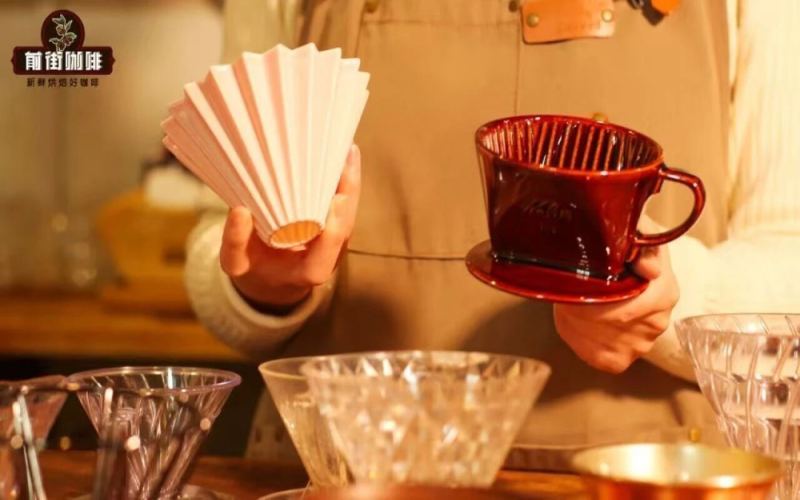
Different drippers, due to differences in shape, hole size, and groove design, directly affect water flow rate and degassing, causing the same coffee beans to present entirely different flavor expressions. For this test, Front Street chose the V60 and the YASUKIYO wooden dripper, using the same brewing method and parameters to conduct a comparative test on Front Street 2013 Yunnan Small-Bean Typica, keeping water temperature, grind size, and pouring method as consistent as possible, to observe the differences between the two drippers in aroma, mouthfeel, and extraction efficiency. The article will separately analyze the structural characteristics of the two drippers and give recommendations for Front Street coffee beans that pair well with each, helping coffee lovers choose equipment more purposefully in their daily brewing. [more…]
V60 vs YASUKIYO Wooden Dripper Pour-Over Comparison: A Flavor Difference Experiment Using the Same Beans and Method
The shape, drainage holes, and rib design of different drippers directly affect water flow rate and degassing, which in turn lets the same coffee bean present completely different flavor directions. In this session, Front Street Coffee conducted a comparative brew using the V60 and the YASUKIYO wooden dripper, with completely identical parameters and technique, keeping the process as rigorous as possible from blooming to pouring rhythm, aiming to observe the actual impact of the two drippers on extraction results. The experimental bean was Front Street 2013 Yunnan small-batch Typica. By comparing brew time and cupping flavors, we explore which types of coffee suit the flushing characteristics of the V60 and the horizontal rib structure of the YASUKIYO, and offer corresponding Front Street bean pairing suggestions. [more…]
Advanced Guide to Pour-Over Coffee: The Practical Impact of Pouring Distribution and Technique Details on Flavor
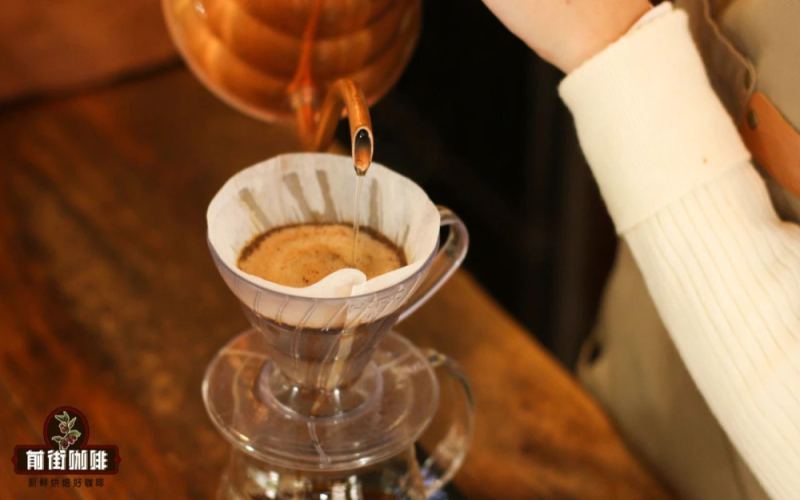
Making pour-over at home, but the taste is still inconsistent even after you've dialed in your parameters? The problem often lies in "how you pour the water." This article breaks down the extraction differences between the one-pour method and the three-pour method from two dimensions—water distribution and pouring technique—and analyzes the actual effects of bloom water volume, circling speed, pouring height, flow rate, and circling range on flavor. It also includes complete brewing recipes for three highly distinctive single-origin coffees from Front Street Coffee—washed Yirgacheffe, Tarrazú, and Lintong Mandheling. Whether you're just starting out or looking to refine your technique, these details can help you find the direction for adjustment. [more…]
A Comprehensive Guide to Pour-Over Coffee Water Control Techniques: The Difference Between High and Low Flow Rates and Systematic Practice Methods
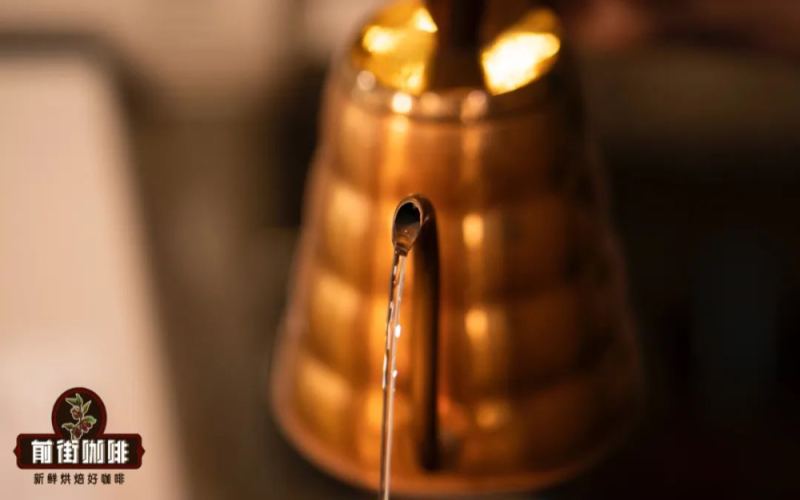
In the process of brewing pour-over coffee, the key to determining the quality of a cup often lies not in the final shape of the coffee bed, but in whether the brewing parameters match the beans and equipment, and whether the water flow is stable and controllable during pouring. An erratic flow rate or a drifting pour point can lead to problems such as excessive bypass water and uneven extraction. From the perspective of Front Street, this article systematically explains how to choose and consistently practice with a pour-over kettle, and advances water control skills in two stages—fixed-point steady pouring and circular steady pouring—while also explaining the performance differences between large and small flows under different spout diameters, helping coffee enthusiasts find a practice path that suits them. [more…]
Advanced Pour-Over Coffee Guide: Water Distribution and Technique Details, with Three Front Street Single-Origin Beans for Practice
Front Street Coffee has previously discussed many factors that influence coffee flavor, starting from five objective conditions: coffee dose, coffee-to-water ratio, water temperature, grind size, and brewing device. This time, however, we turn our attention to an easily overlooked subjective variable—your hand, that is, the pouring method during brewing. This article will break down two major areas: water volume distribution and pouring technique. First, it compares the extraction differences between a single-pour and a three-pour method, then analyzes item by item how blooming, circling speed, pouring height, flow rate, and circling range affect the direction of the flavor. At the end, Front Street Coffee has also selected three single-origin beans with high regional distinctiveness for reference in daily brewing practice. [more…]
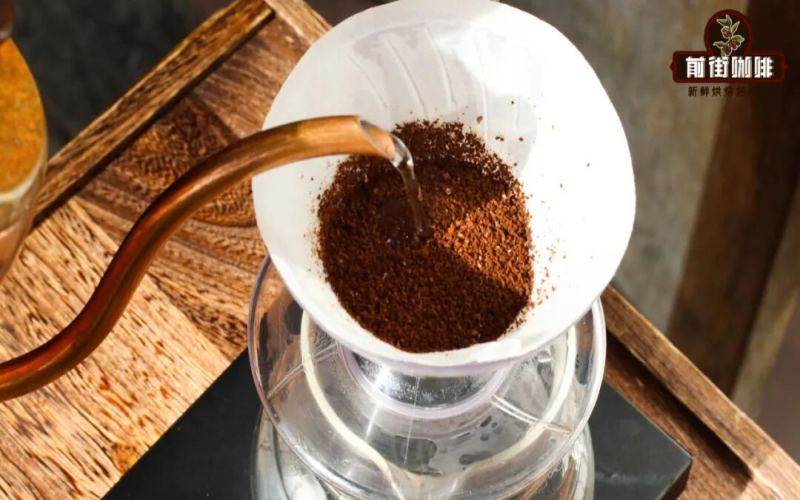
Anaerobic Coffee Pour-Over Tutorial | What Are the Characteristics of Anaerobic Coffee Beans? What Adjustments Are Needed When Using Anaerobic Beans for Pour-Over? How to Brew Anaerobic Coffee with a Juicy Mouthfeel?
Compared to other conventional processing methods, anaerobically processed coffee beans usually have a more intense and more distinctive flavor (for the most part), because their fermentation tends to go a bit deeper. For example, the Front Street 90+ Eleta on the Front Street Coffee menu has obvious notes of longan, spice, and citrus. [more…]
Master the Four Key Pour-Over Essentials: From Pouring Strategy to Circular Pouring Details, with a Practical Guide to Three Front Street Coffee Single-Origin Beans
In the flavor differences of pour-over coffee, besides the five major objective variables—dose, brew ratio, water temperature, grind size, and equipment—the brewer's own technique is equally decisive. This article focuses on two dimensions: the distribution of poured water and pouring technique, breaking down the logic of choosing between a single-pour and a three-pour method, the advanced principles of bloom water volume and time, and the specific effects of circling speed, pouring height, flow rate, and circling range on the flavor in the cup. At the end, it includes brewing recipes for three distinctive single-origin beans—Front Street Coffee washed Yirgacheffe, Costa Rica Tarrazu, and Indonesia Lintong Mandheling—to help coffee enthusiasts build a stable brewing feel through practice. [more…]
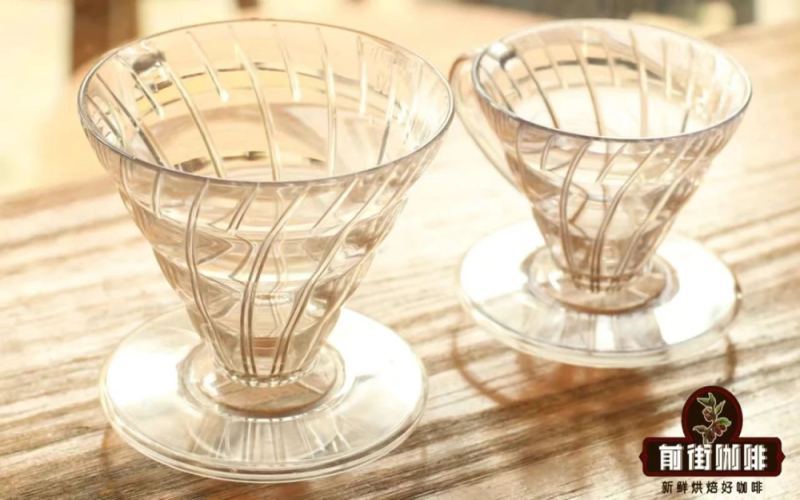
Hario V60 Dripper: Construction Principles and Pour-Over Techniques: A Complete Analysis from Design Logic to Practical Parameters
The V60 dripper, with its distinctive spiral ribs and large outlet hole, has become the go-to device for many coffee enthusiasts. Its conical structure stems from Hario's thinking on extraction efficiency: the 60-degree cone angle paired with spiral vent grooves not only speeds up the flow rate but also extends the water's path, subjecting the coffee grounds to more concentrated pressure and extracting layered, well-defined flavors. Drawing on Front Street Coffee's daily brewing experience, this article sorts through the V60's design origins, material differences, and brewing key points, and uses a three-pour method with 15 grams of coffee and a 1:15 coffee-to-water ratio as an example to break down blooming, pouring, and timing control in detail, helping you consistently reproduce a balanced, mellow pour-over coffee at home. [more…]
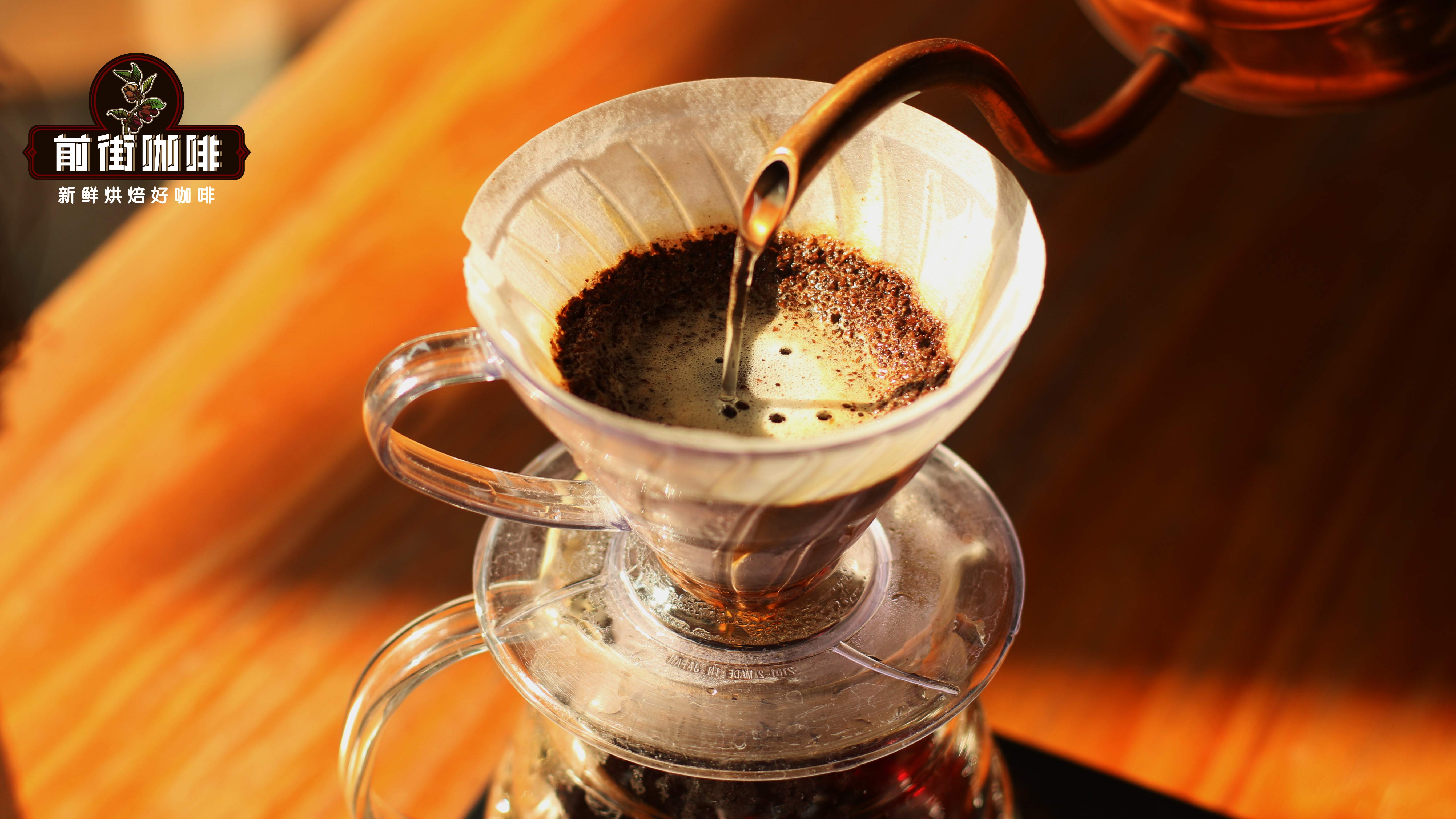
A Detailed Guide to the Seven Key Factors in Pour-Over Coffee Flavor Control and Brewing Practice
Pour-over drip extraction occupies a central position in single-origin coffee brewing, and a good cup of pour-over coffee can present rich layers of acidity, aroma, sweetness, and bitterness. So behind the seemingly simple act of pouring water, what variables are actually influencing the final flavor expression? This article will systematically sort out the seven key factors affecting pour-over coffee, from water volume distribution, blooming technique, circling speed, pouring height, and flow rate to circling range, analyzing one by one their specific effects on extraction. At the same time, Front Street Coffee will also share three highly recognizable single-origin beans from different regions and their brewing parameters, helping coffee lovers build a flavor cognition system through practice. [more…]
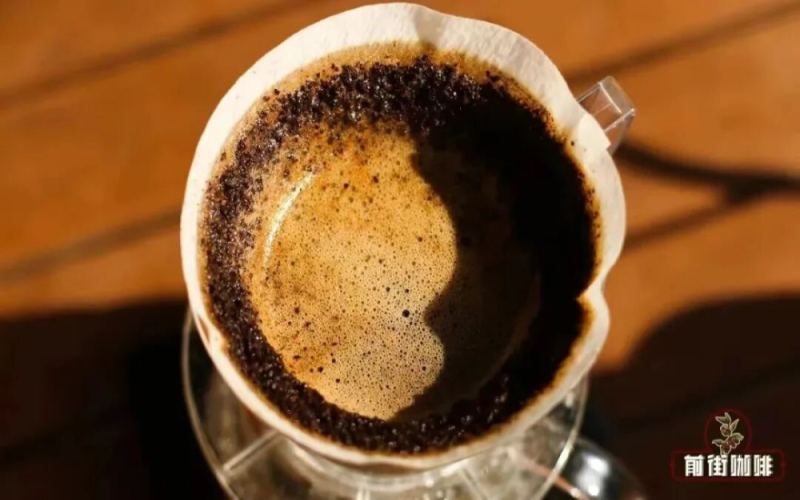
Complete Guide to Pour-Over Coffee Bed: From Muddy Bed to Crater Bed, Diagnosing Extraction Issues and Grind Adjustment Methods
The joy of pour-over coffee lies in its controllability, yet beginners often find it difficult to judge whether their brewing is done properly. Beyond tasting the flavor, the coffee bed left after brewing is also a mirror that can reflect many details such as grind size, pouring technique, and the speed of circling. An ideal coffee bed should form a uniform cone shape, with neat walls and loose, honeycomb-like granules. If the coffee bed appears muddy, sea-salt-like, uneven, flat-bottomed, or with断层, it suggests that extraction may have gone wrong. This article, drawing on Front Street's brewing recommendations, analyzes the causes and solutions for six typical coffee bed patterns one by one, helping coffee enthusiasts find directions for adjustment from the coffee bed and gradually improve the stability and flavor performance of their pour-over. [more…]

How to Use a Flat-Bottom Dripper with Adjustable Flow Rate? Hero Variable-Speed Cake Dripper Hands-On Review and Three Brewing Recipes
What kind of brewing experience does a flat-bottom dripper with manually switchable extraction modes actually deliver? Front Street recently got its hands on Hero's variable-speed cake dripper, which uses a knob mechanism to offer three flow-rate settings—immersion, slow, and uniform—while its flat-bottom design makes it quite beginner-friendly. Front Street has brewed beans such as washed Butterfly Flower, Mozart, and Juliette Geisha with it, and also tried extending the variable-speed function to iced pour-over scenarios, comparing it with the V60. This article provides a complete record of three sets of brewing parameters, flavor performance, and detailed issues found during use, for coffee enthusiasts' reference. [more…]
A Complete Guide to Common Home Pour-Over Coffee Problems: Fixes for Stalling, Sudden Flow Changes, Off-Flavors, and Burnt Bitterness
Brewing coffee at home—when neither the equipment nor the beans are lacking, yet accidents still happen all too often: the final drawdown pools and drips endlessly, the flow rate suddenly speeds up at the same grind setting, sometimes it tastes great and sometimes it's rife with off-flavors, and the aftertaste carries a smoky, bitter char... Where exactly do these problems originate? Drawing on Front Street's hands-on experience, this article breaks down one by one the five most common extraction pitfalls in home brewing—from fine-particle clogging, the characteristics of anaerobic beans, and the effects of water quality to pouring technique and dark-roast parameter settings—to help you pinpoint the root cause and bring every pour-over cup closer to the ideal flavor. [more…]
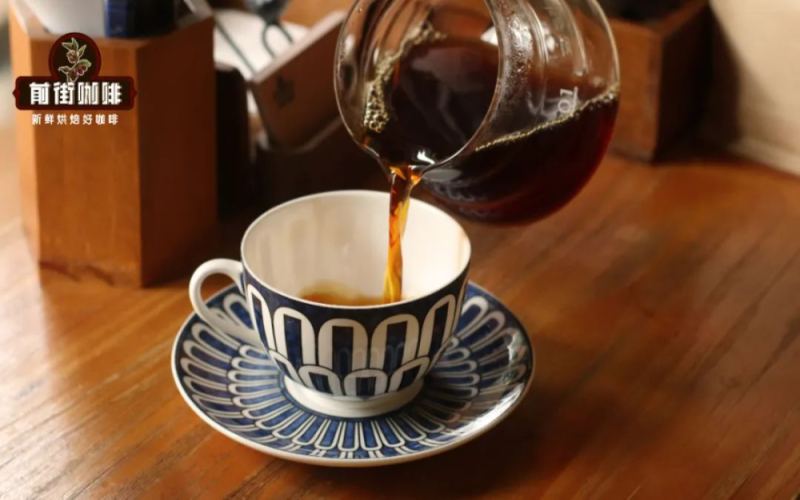
From Water Flow to Flavor: The Practical Impact of Different Pouring Strategies on Coffee Extraction Results
The pouring technique is an extremely critical variable in pour-over coffee extraction. The size of the water stream, the speed of the circular motion, and the rhythm of pouring all directly affect the release efficiency of soluble substances, thereby changing the final flavor direction. This article starts with several typical pouring styles—high-flow fast circling, low-flow steady pouring, and common mistakes in staged remediation—and analyzes the actual effects they bring during extraction. At the same time, specific operational suggestions are given for different roast levels: how medium-light roasts can highlight floral and fruity acidity through staged large-circle pouring, and how medium-dark roasts can use a coin-sized thin stream in circular motion to strengthen the nutty and chocolatey base notes. Through these analyses, the hope is to help enthusiasts control flavor expression more precisely in daily brewing. [more…]
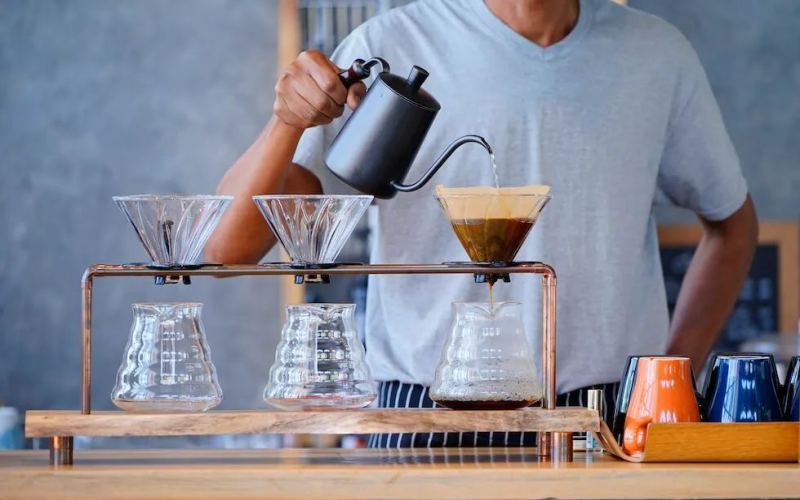
Why Does Pour-Over Coffee Use Circular Pouring? A Complete Analysis from Extraction Principles to Practical Technique
Many friends who are just getting into pour-over coffee are curious: why must you pour in circles when adding water? Can't you just pour water straight into the center? Behind this seemingly simple action lie two considerations: extraction efficiency and water flow stability. This article will analyze it from two angles—first explaining the role of agitation in improving extraction yield, then explaining why, among the many agitation methods, circular pouring is best suited to the pour-over scenario. It will also share practical pouring techniques recommended by Front Street Coffee, helping beginners effectively avoid turbulence, achieve even extraction, and reduce the chances of messing up. [more…]