







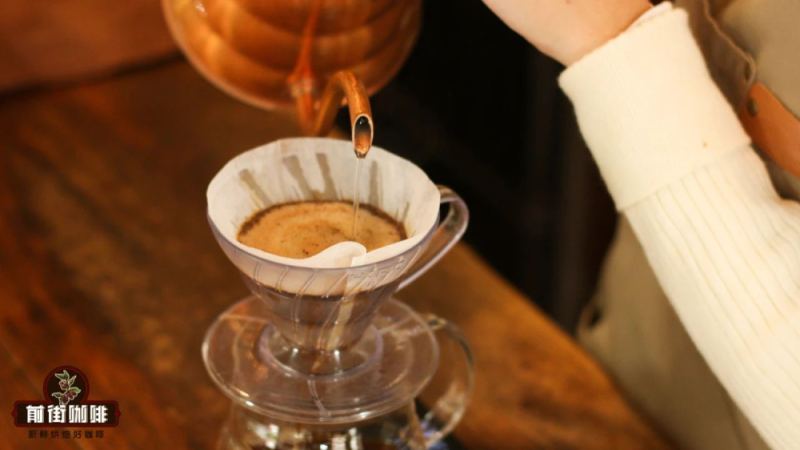
How Does the Pour-Over Coffee Process Affect Flavor?
Pour-over flavor is decided less by recipe numbers than by how the water is poured. Water volume distribution and pouring technique are the two variables that separate a clean, thin cup from a fuller, more complex one. The one-pour and three-pour methods use the same total water, but the one-pour keeps a higher water level and finishes faster.
Bloom water volume, circling speed, pouring height, flow rate, and circling range all shift extraction. In the coffee process, an uneven split between pours matters: with light-roasted beans, a larger first pour tends to taste more sour than sweet, while a larger later pour moves the cup sweeter with less acidity.
Brewing pour-over at home, but the taste is still inconsistent even with the parameters set? The problem often lies in "how to pour the water." This article breaks down the extraction differences between the one-pour and three-pour methods from two dimensions—water volume distribution and pouring technique—and analyzes the actual effects of blooming water volume, circling speed, pouring height, flow rate, and circling range on flavor. It also includes complete brewing recipes for three highly distinctive single-origin beans from Front Street Coffee—washed Yirgacheffe, Tarrazu, and Lintong Mandheling. Whether you're just starting out or looking to refine your technique, these details can help you find the direction for adjustment.
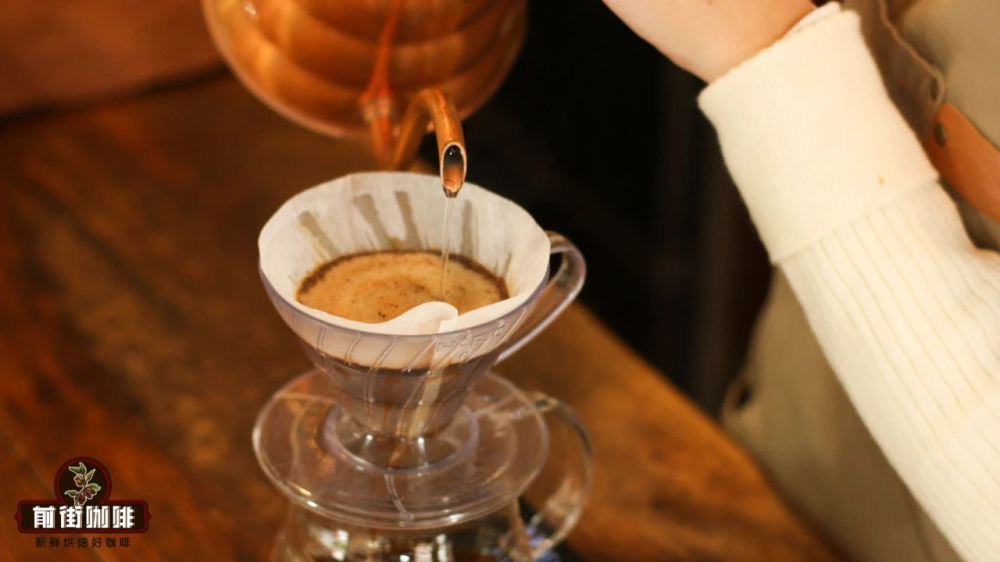
Front Street Coffee has previously discussed many variables that influence coffee flavor. Besides the five objective factors—dose, coffee-to-water ratio, water temperature, grind size, and brewing device—there is also a subjective variable: the brewer's own technique. In this article, Front Street Coffee will talk about the operational details it pays attention to when brewing coffee.
After all, brewing coffee is simply pouring water into coffee grounds, and a brewing recipe is about "how to pour water reasonably to get a good-tasting result." Breaking it down, it can be summarized into two parts: water volume distribution and pouring technique.
Water Volume Distribution
With other objective parameters fixed, how the water volume is distributed is often the most noticeable difference among various brewing recipes. The commonly mentioned one-pour and three-pour methods are essentially different approaches to water volume distribution.
One-pour method: After blooming, pour all the remaining water in one continuous pour. Three-pour method: After blooming, divide the remaining water into three segments and pour them sequentially.
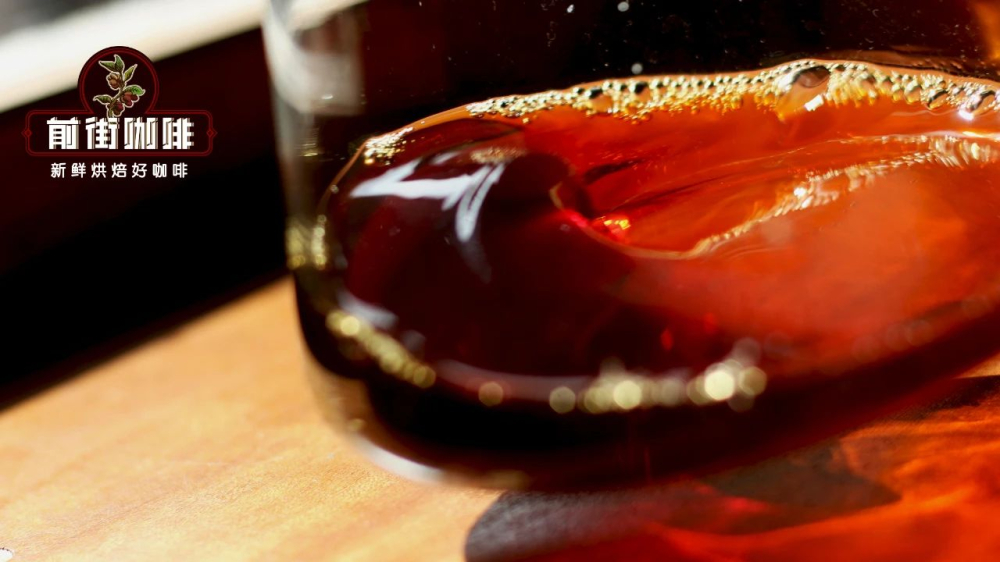
Taking the one-pour and three-pour methods as examples, both have the same total water volume. The difference is that the one-pour method pushes the water level higher, resulting in a shorter extraction time than the three-pour method. In comparison, the former tastes cleaner but thinner, while the latter is more complex and fuller-bodied.
Even with the same multi-pour approach, if the water is not evenly distributed across each segment, the result will differ. Take light-roasted beans for example: if the first pour accounts for a larger proportion, the cup will be more sour than sweet; if the later pours account for a larger proportion, it will be sweeter with less acidity, but careless operation may bring out bitterness.
Pouring Technique
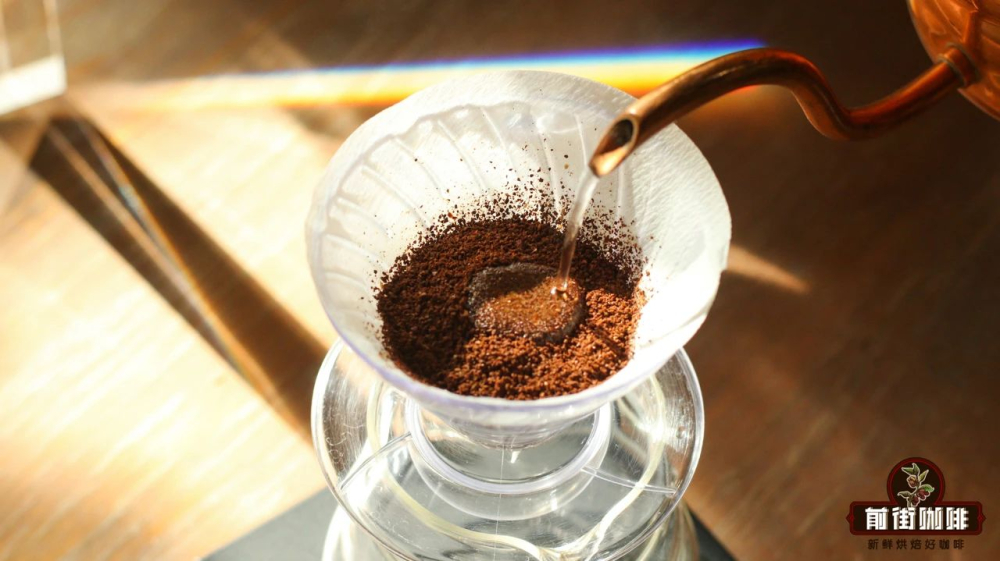
Pouring technique involves several aspects: blooming method, circling speed, pouring height, flow rate, and circling range.
Blooming Method
Blooming can be said to be the critical step that determines brewing success or failure. The most basic requirement is to saturate all the coffee grounds and allow them to degas properly. If the coffee bed absorbs water unevenly, degassing will naturally be uneven too, and extraction within the bed becomes a gamble—some areas over-extract, others under-extract, and it's no surprise when astringency appears.
Regarding blooming water volume and time, the most widely circulated advice is to use twice the coffee weight in water and bloom for thirty seconds. If you're a beginner, just follow it without overthinking the reasons. But since we're discussing advanced techniques, it's worth explaining: coffee grounds can absorb approximately twice their own weight in water, and most beans within their optimal flavor window can release their active gases in about thirty seconds after contacting water.
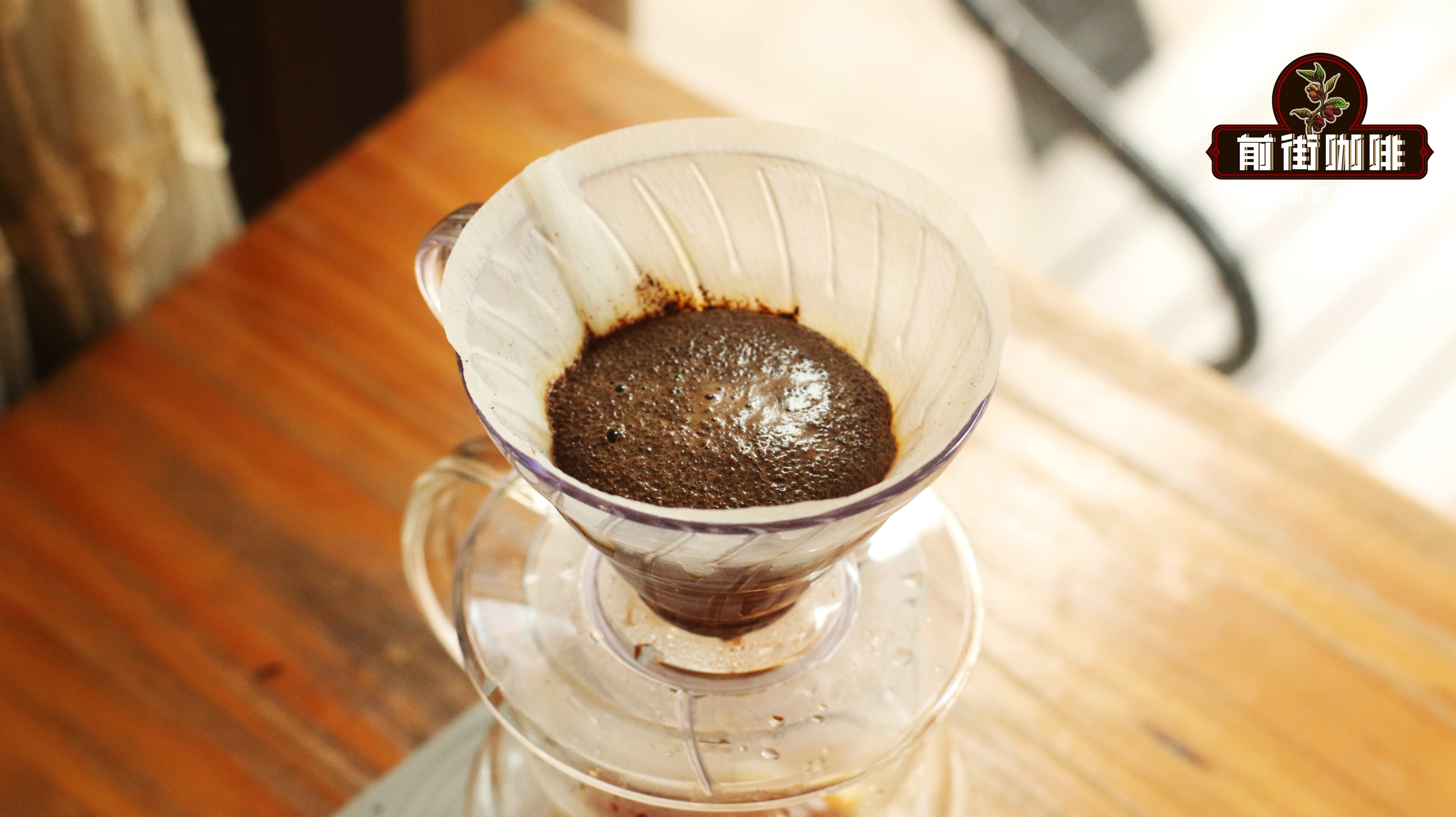
However, note that grind size affects water absorption speed. During the brief moment of blooming, coarse particles actually cannot fully saturate. So if you quickly pour twice the water volume, some water will drip through the filter. Therefore, if you're confident in your water control, try using 1.5 times the coffee weight for blooming. What happens if you exceed twice the water volume? The answer is it will be more sour than normal. The reason isn't complicated: the excess water drops into the server before fully extracting coffee compounds, lowering the overall extraction yield, and the liquid that drips through in the early stage contains a higher proportion of small-molecule acidic compounds.
If blooming time is too short, gases may not be fully released, affecting subsequent extraction efficiency; if blooming time is too long, the subsequent water is more likely to bring out large-molecule bitter compounds as well.
As for circling speed, pouring height, flow rate, and circling range, Front Street Coffee has also conducted many comparative experiments.
Circling Speed
When circling quickly, water流动性增强, which maximally agitates the coffee grounds, raising the extraction yield. The resulting coffee is fuller and more intense, with better aroma retention, but the risk of over-extraction is also greater;
When circling slowly, the water mainly relies on the impact force of the stream itself to wash the coffee bed. Some coffee grounds are not agitated and remain stationary, resulting in a lower extraction yield. The body and aroma are weaker, but the overall cup is more balanced and mild.
Pouring Height
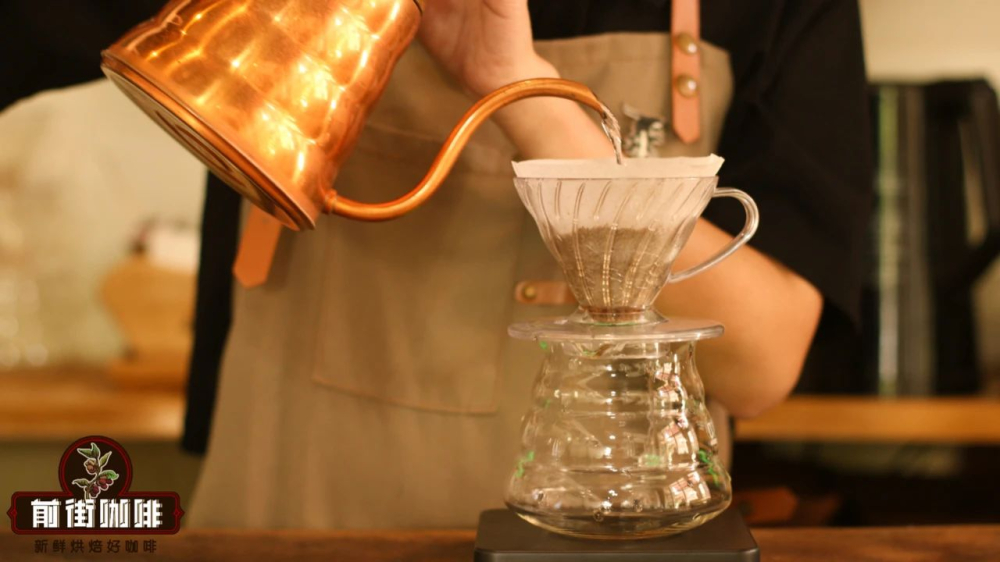
A high pour has a lower extraction yield than a low pour. It's generally recommended to keep the pouring height at 6-7 centimeters.
Flow Rate
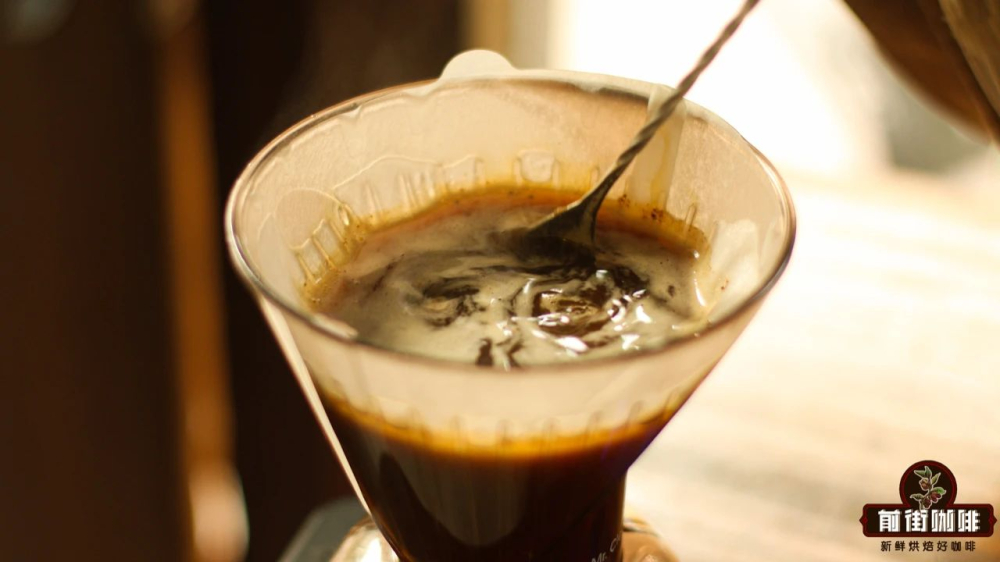
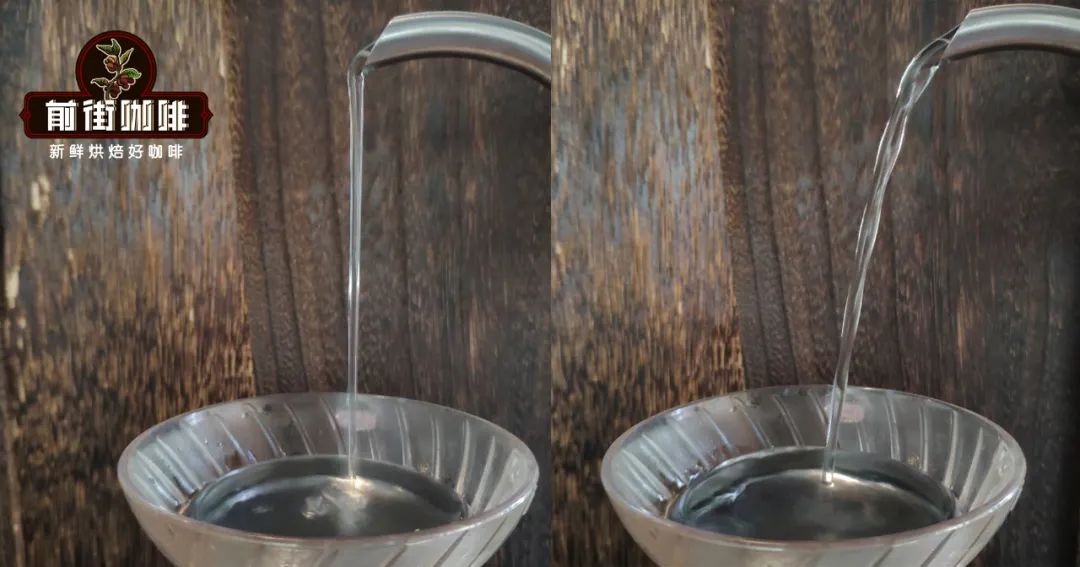
With a high flow rate, the water level is pushed up to the short ribs, and more water flows away along the edge ribs, reducing contact time with the coffee grounds; with a low flow rate, the water level doesn't rise as high, the coffee bed is thicker, and the contact time between water and coffee grounds is slightly longer.
Using a high flow rate for a fast brew shortens brewing time and highlights aroma, but the flavor tends to be simpler and cleaner; using a low flow rate for a slow brew extends extraction time, fully bringing out the coffee's flavors with superior richness and complexity, though there's also a risk of over-extraction.
Circling Range
Circling in a small range concentrates the flavor, highlighting the sweetness of light-roasted beans and giving a fuller body; circling only in a large range produces a more acidic flavor profile—refreshing but thin. Actually, when brewing with a conical dripper, circling the outer ring may appear not to hit the filter paper, but the water stream has impact force and may actually hit the ribs at the edge of the coffee bed, causing water to flow along the ribs and resulting in incomplete extraction.
Of course, all of this requires extensive practice to build up experience. Front Street Coffee shares a few single-origin beans with highly distinctive regional characteristics that are very helpful for training your brewing technique.
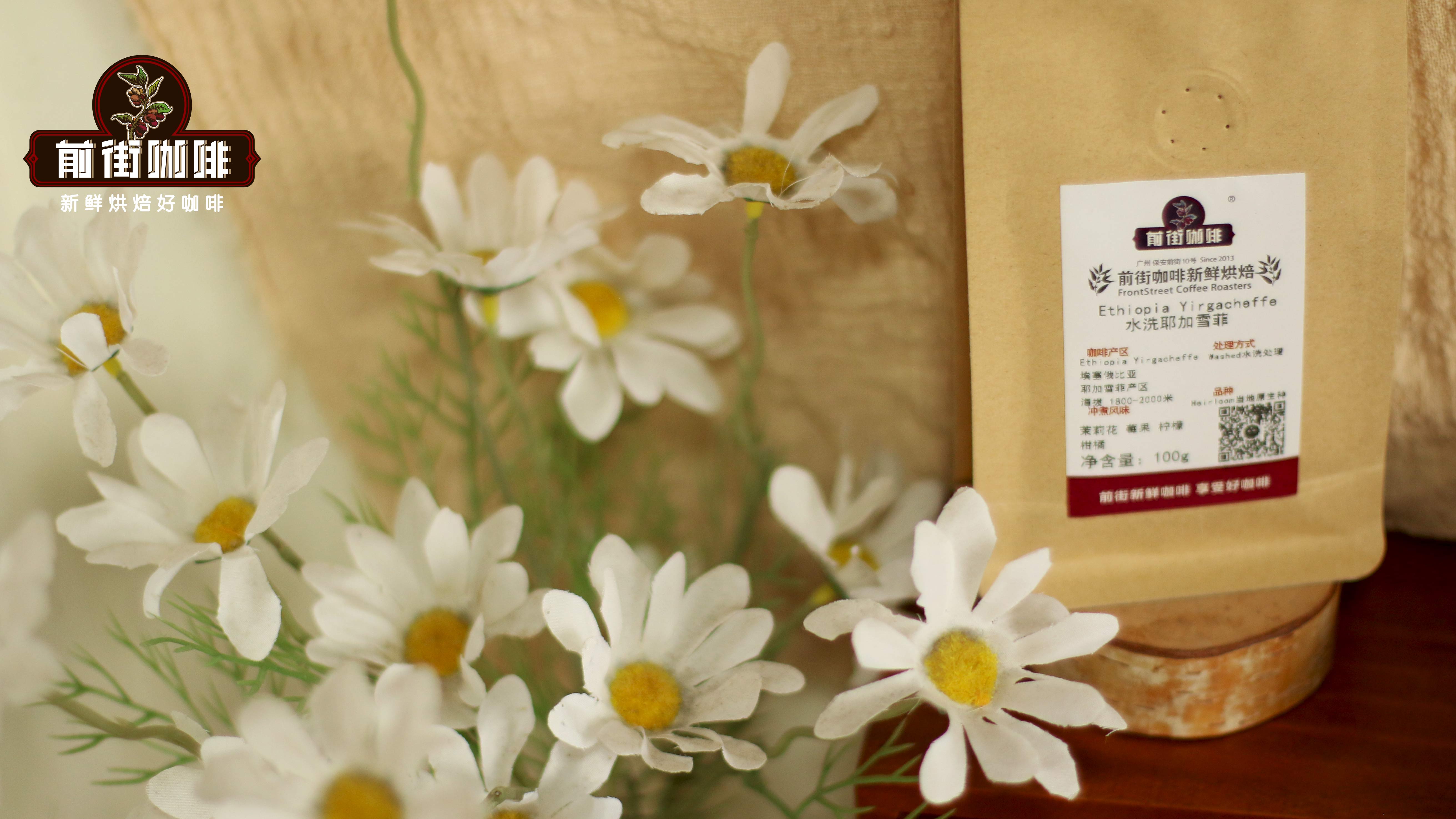
Front Street Coffee Ethiopia Washed Yirgacheffe Country: Ethiopia Region: Yirgacheffe Altitude: 1800-2000m Variety: Local heirloom varieties Processing: Washed Flavor: Jasmine, berry, lemon, citrus
Yirgacheffe is a small town in Ethiopia at an altitude of 1700-2100 meters. It is one of the highest coffee-growing regions in the world and synonymous with Ethiopian specialty coffee. Lake Turkana, Lake Abaya, and Lake Chamo bring abundant moisture to the area. The Rift Valley zone, represented by the Misty Valley, is shrouded in fog year-round, with spring-like weather all year, gentle breezes, and a cool, humid climate. Thousands of coffee varieties thrive here, nurturing Yirgacheffe's unique terroir of interwoven floral and fruity notes with endless variation. The so-called Yirgacheffe flavor refers to rich citrus-lemon acidity, intense jasmine aroma, a light and elegant mouthfeel with a tea-like quality, drinking like a refreshing, clean glass of lemon tea.
Washed Processing Method
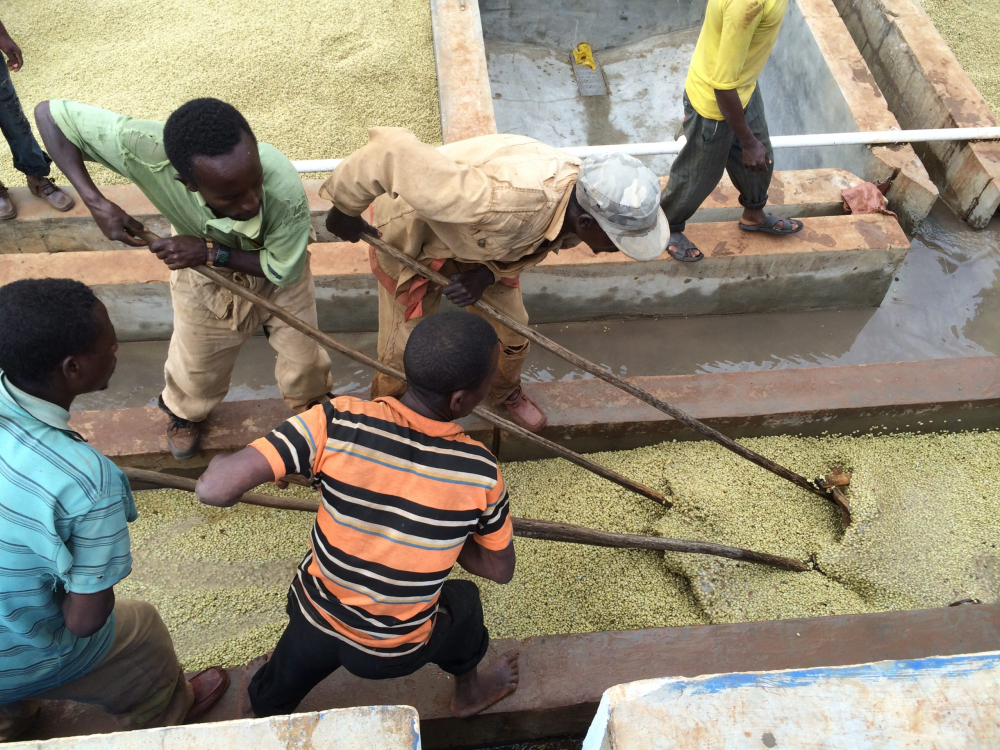
Selected coffee cherries are sent to a depulper to remove the skin and flesh first; the green beans with residual mucilage are placed in water to ferment for about 24 hours; after fermentation, the parchment beans are washed in a flowing water channel to remove the flesh and mucilage; after washing, they are sun-dried or machine-dried to reduce moisture content to about 12%, and finally the parchment is removed.
Front Street specifically considers that washed processing better showcases the cleanliness of a coffee's mouthfeel and the purity of its flavor. So when analyzing the specific flavors of a region, it uses washed beans from that region as a reference. For beginners who haven't tried Yirgacheffe, Front Street also recommends the washed version first, which helps build regional flavor recognition. Later, when trying sun-dried, honey-processed, and other Yirgacheffe versions, you'll have a basis for comparison.
Although this washed Yirgacheffe is Grade G2 (Ethiopia grades by defect rate; G2 means 4-12 non-severe defective beans are allowed in 300 grams of green beans), Front Street Coffee performs two rounds of hand sorting before roasting to remove defective beans, ensuring the quality of every batch.
To preserve the bright citrus acidity and floral characteristics of washed Yirgacheffe, Front Street's roaster chose a medium-light roast for this bean. Charge temperature 200°C, turning point at 5'35, first crack begins at 9'08 at 182.1°C, first crack development for 2 minutes, dropped at 195°C.
Front Street Coffee Brewing Recommendation Water temperature: 90-91°C Grind size: EK43s grinder setting 10 (fine sugar consistency / 80% through a No. 20 sieve) Coffee-to-water ratio: 1:15 Dose: 15g
Front Street Brewing Method: First pour 30g of water for a 30-second bloom, then pour 95g (scale reads about 125g), completing the pour at about 1 minute. When the water level drops to 2/3 of the coffee bed, pour the remaining 100g (scale reads about 225g), completing the pour at about 1 minute 40 seconds. Drip completes at 1'55''-2'00'', remove the dripper, extraction complete. Brewing flavor: Jasmine aroma, berry juice-like quality, lemon and citrus acidity, overall bright, clean, and refreshing.
Front Street Coffee Costa Rica Tarrazu Country: Costa Rica Region: Tarrazu Altitude: 1500m Variety: Caturra, Catuai Processing: Washed Flavor: Sweet orange, honey, toffee, nuts
Costa Rican coffee is known for its balanced flavor, rich chocolate notes, and smooth mouthfeel. Tarrazu is located south of the capital San José and is one of Costa Rica's most valued coffee-growing regions. Tarrazu coffee beans are plump, full-bodied, smooth, with rich chocolate and nut aromas, moderate acidity, and an enticing fragrance.
Washed Processing Method
The washed processing method sends selected coffee cherries to a depulper to remove the skin and flesh first. The green beans with residual mucilage are placed in water to ferment for about 24 hours. After fermentation, the parchment beans are washed in a flowing water channel to remove the flesh and mucilage. After washing, they are sun-dried or machine-dried to reduce moisture content to about 12%, and finally the parchment is removed.
Front Street Coffee Brewing Recommendation Water temperature: 90-91°C Grind size: EK43s grinder setting 10 (fine sugar consistency / 80% through a No. 20 sieve) Coffee-to-water ratio: 1:15 Dose: 15g
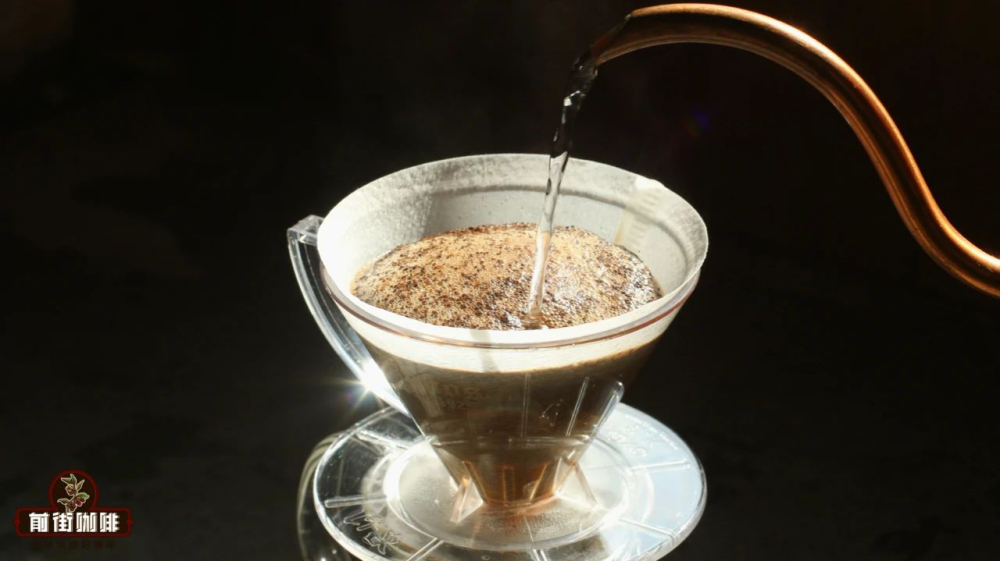
Front Street Brewing Method First pour 30g of water for a 30-second bloom, then pour 95g (scale reads about 125g), completing the pour at about 1 minute. When the water level drops to 2/3 of the coffee bed, pour the remaining 100g (scale reads about 225g), completing the pour at about 1 minute 40 seconds. Drip completes at 2'03'', remove the dripper, extraction complete.
Brewing flavor: Sweet orange acidity and sweetness on entry, prominent nut and chocolate flavors mid-palate, lasting caramel finish, with some cedar aroma, overall balanced.
Front Street Coffee Indonesia Lintong Mandheling Country: Indonesia Region: Sumatra Lintong Altitude: 1100-1600m Variety: Typica, Caturra Processing: Wet-hulled Flavor: Toasted bread, nuts, caramel, pine, herbs
Mandheling is not actually a specific coffee variety, nor a region name, but the name of a tribe. It was mistaken by the Japanese for a coffee bean name and has been used ever since.
Lintong Mandheling comes from the Lintong highlands in north-central Sumatra, near Lake Toba. Lintong Mandheling is the standard version of Mandheling, using the conventional wet-hulled method, which gives it low acidity and high body. But wet-hulling brings about a situation: the semi-hard, semi-soft moist green beans are easily crushed when the mucilage and parchment layers are removed, causing the beans to crack open in a sheep's hoof shape, commonly known as sheep hoof beans. These are not defective beans but can be said to be a very distinctive characteristic of Mandheling.
Coffee Processing Method
Wet-hulling is a fast method of processing coffee beans. The skin and flesh are removed, followed by a brief fermentation and sun-drying, then the mucilage and parchment layer are removed, and drying continues until moisture content drops to 12%. Wet-hulled Mandheling coffee beans show varying degrees of compression cracks, with a dark blue-green bean color.
Front Street Brewing Recommendation
Front Street uses a Kono dripper when brewing Mandheling. Kono's ribs extend less than half the height of the dripper. This design actually makes the filter paper cling tightly to the dripper wall when wet, restricting airflow and thereby extending the water absorption time of the coffee grounds, making the overall extraction more even and enhancing the full-bodied mouthfeel. Additionally, the groove framework at the bottom of the Kono dripper is the key design that creates a siphon effect during brewing.
Recommended water temperature: 87-88°C Grind size: EK43s grinder setting 11 (coarse sugar consistency) Coffee-to-water ratio: 1:15 Dose: 15g
Front Street Coffee Brewing Method: Bloom with 30g of water for 30 seconds, then pour in a slow circling motion with a low flow rate to 125g for a pour segment. When the water level drops and is about to expose the coffee bed, continue pouring to 225g and stop. When the water level drops and is about to expose the coffee bed again, remove the dripper. (Timing starts from the beginning of the bloom.) Extraction time is 2'00''. Brewing flavor: Herbal medicinal notes on entry, dark chocolate, caramel, sweet finish.
The above content is compiled by CoffeeHunters, a coffee news website.


