







Search Results for: turbulence

Why Does Pour-Over Coffee Use Circular Pouring? A Complete Analysis from Extraction Principles to Practical Technique
Many friends who are just getting into pour-over coffee are curious: why must you pour in circles when adding water? Can't you just pour water straight into the center? Behind this seemingly simple action lie two considerations: extraction efficiency and water flow stability. This article will analyze it from two angles—first explaining the role of agitation in improving extraction yield, then explaining why, among the many agitation methods, circular pouring is best suited to the pour-over scenario. It will also share practical pouring techniques recommended by Front Street Coffee, helping beginners effectively avoid turbulence, achieve even extraction, and reduce the chances of messing up. [more…]

Is There a Particular Direction for Circular Pouring in Pour-Over Coffee? Analysis of Clockwise vs. Counterclockwise Experiments and Key Techniques
Among pour-over coffee pouring techniques, the size and speed of the circular pour are often discussed, but whether the direction of the circle affects extraction flavor has also become a question many enthusiasts are curious about. The spiral ribs of the V60 dripper are arranged clockwise, and some believe that pouring in the same direction can guide the water flow along the ribs and improve uniformity, while pouring counterclockwise may create turbulence by hitting the ribs and change the extraction result. To verify this claim, Front Street conducted a comparative experiment using the same parameters, changing only the pouring direction, and compared extraction time, concentration, and flavor performance one by one. This article will outline the experimental process and conclusions, and explain which pouring factors are truly worth paying attention to. [more…]

Colombia's Antioquia Coffee Region: From Historical Turbulence to the Rise of Specialty Chiroso
South America is an important coffee-producing region in the world. Colombia, with its three Cordillera mountain ranges and fertile volcanic soil, has become the world's third-largest coffee producer. Among its many producing regions, Antioquia stands out for both its output and quality. This article will begin with the ups and downs in Colombia's coffee history, trace the background of FNC's founding, and then focus on Antioquia's geographical advantages and La Palma estate, telling how the Echavarría family promoted the Chiroso variety and won 8th place with 89.39 points in Colombia's 2023 COE competition. Front Street Coffee will also combine the characteristics of the producing region to interpret for you its flavor potential and representative products. [more…]

Why does pour-over brewing favor circular pouring? Analyzing the necessity of circular pouring from the perspectives of extraction evenness and over-extraction risk
When brewing pour-over coffee, the vast majority of brewers choose to pour in a circular motion rather than a single-point pour or stirring. Behind this lies a key consideration regarding extraction uniformity and the risk of over-extraction. Starting from actual tests by Front Street Coffee, this article uses an analogy of instant powder particles to explain why the coffee bed needs agitation, analyzes why a single-point pour leads to uneven extraction, and further explains how circular pouring, compared with other agitation methods, can better reduce turbulence and avoid bitterness, thereby becoming the most fault-tolerant and practical pouring technique. [more…]
A Detailed Guide to Pour-Over Coffee Pouring Methods: The Differences Between Circular and Center-Point Pouring and Practical Key Points
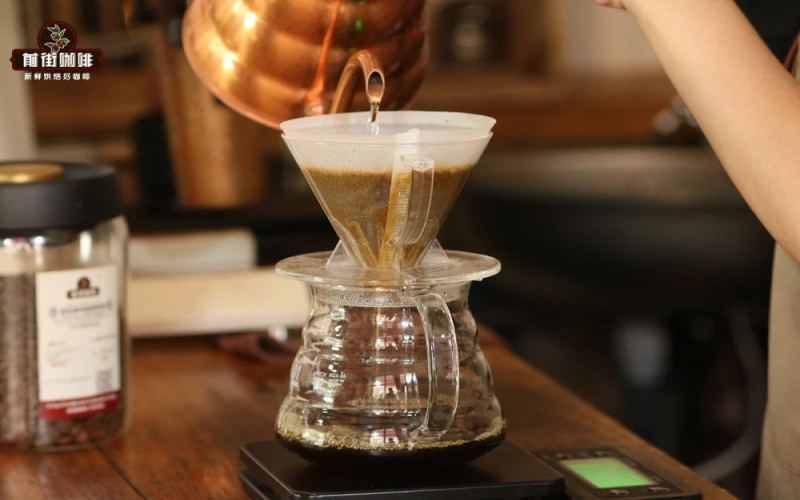
Pour-over coffee pouring techniques have always been one of the topics newbies care about most. Many friends who have just discovered Front Street Coffee often ask: why doesn't the coffee I brew taste good enough? In fact, understanding and applying the right brewing parameters is more important than obsessing over pouring techniques. This article compares two methods—circular pouring and single-point pouring—analyzes how the coffee bed changes, why turbulence occurs, and how stirring intensity affects extraction, while also answering common questions about pouring height and the direction of circular pouring. This set of pouring key points that Front Street Coffee has put together for beginners starts with slow, steady, and straight, helping you avoid channeling and brew an even, delicious pour-over coffee. [more…]

Pour-Over Coffee Water Pouring Techniques | How Should Coffee Beginners Learning Pour-Over Coffee Pour Water? What Details Should Be Paid Attention to When Pouring Water in Pour-Over Coffee?
At Front Street Coffee shops, we often meet friends who have been teaching themselves pour-over coffee at home and come to discuss brewing-related questions with us. Many of them say that although the parameters they use are exactly the same as those we recommend in the shop, the coffee they brew always tastes inconsistent—sometimes good, sometimes bad—and they have no idea where the problem lies. In cases like this, [more…]
The Complete Guide to Pour-Over Coffee Water Pouring: Analyzing the Core Techniques of Position, Path, Height, and Flow Rate
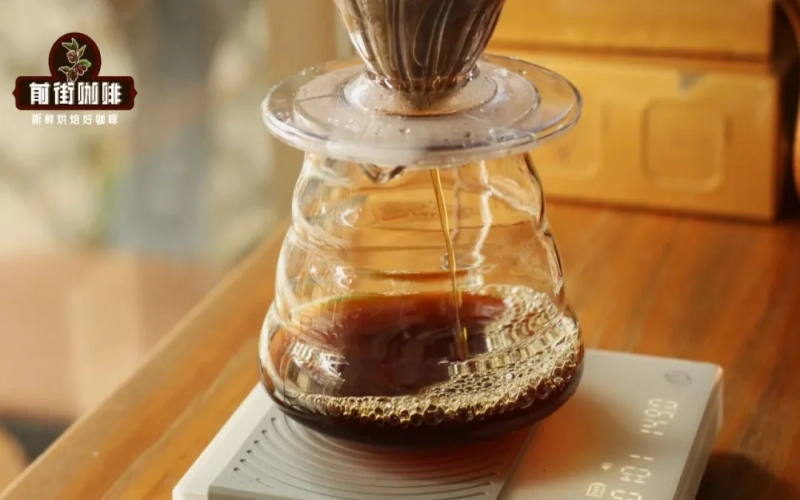
Many coffee enthusiasts who practice pour-over at home often struggle with inconsistent flavor even when their parameters match those used in cafés. The root cause usually lies in the water stream not being stable enough during pouring. In fact, the position, path, height, and size of the pour all directly affect the extraction. SCA experimental data shows that the higher the stability of the water stream, the higher the extraction uniformity. This article draws on the hands-on experience of Front Street cafés to systematically explain how to stabilize the brewing of a delicious pour-over coffee through precise control of pouring. Whether you are a beginner or an advanced player, mastering these pouring essentials can take your coffee quality to the next level. [more…]
A Complete Analysis of Pour-Over Coffee Water Pouring: How Position, Path, Height, and Flow Rate Affect Extraction
Many friends who are teaching themselves pour-over coffee at home often run into a problem: even when the parameters match those recommended by Front Street stores, the coffee they brew comes out inconsistent—sometimes good, sometimes bad. The reason is mostly that the water flow is not stable enough during pouring. The position, path, height, and size of the pour all directly affect the evenness of extraction and the flavor expression of the coffee. SCA experimental data shows that the higher the stability of the water flow, the higher the extraction evenness. Starting from the brewing practice with Front Street’s Little Tomato coffee beans, this article systematically analyzes how the four major elements of pouring affect extraction, and gives specific operational suggestions to help you consistently brew a delicious cup of pour-over coffee. [more…]
An In-Depth Analysis of Pour-Over Coffee Pouring Techniques: How Washing and Immersion Affect Single-Origin Extraction
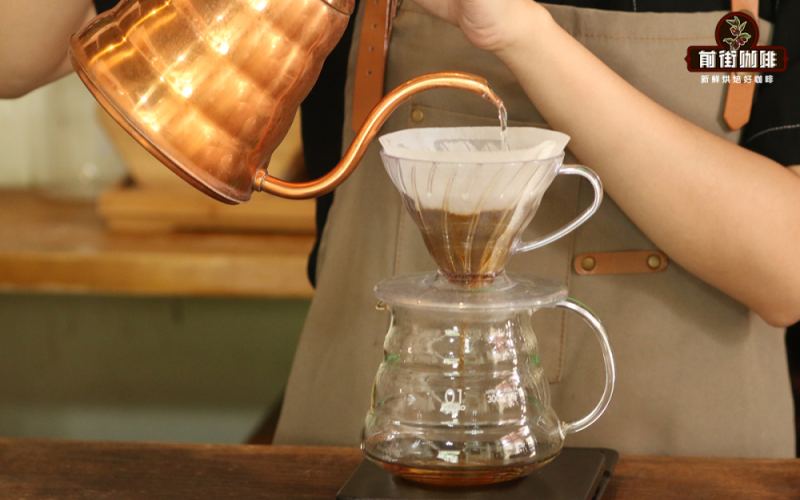
The joy of pour-over coffee lies in its many variables, and the pouring technique is precisely the most difficult part to control. Front Street rarely emphasizes technique in its daily brewing sharing, because technique itself is full of uncertainty—if you do not understand the extraction logic behind it, the more you master, the more likely your results will become inconsistent. This article will focus on the two mechanisms in the pouring process—flush extraction and immersion extraction—analyze how the number of pouring stages affects the extraction yield and total time, and highlight why circular pouring can effectively reduce turbulence and improve flushing efficiency. Whether you are a beginner just getting into pour-over or an enthusiast hoping to refine your skills, understanding these underlying principles can help you brew a delicious single-origin coffee with greater ease. [more…]
Flavor Analysis of Honduran Coffee Regions: The Impact of Washed and Natural Processing Methods and Roast Levels on Taste
Although Honduras is known for its turbulent situation, it produces coffee beans of excellent quality and considerable yield. This article focuses on the flavor characteristics and processing methods of Honduran coffee. It first outlines the key steps in the washed process, including soaking, depulping, screening, and sun drying, then analyzes the source of its balanced, full-bodied taste that is neither astringent nor sour. It subsequently explains how medium and dark roasts differently bring out sweetness and bitterness, and points out that it is suitable both for single-origin brewing and for use in blends and espresso blends. The article also mentions related product recommendations from Front Street Coffee for coffee enthusiasts' reference. [more…]
Beginner's Coffee Brewing Demo | What are the ideal pour-over parameters for washed Yirgacheffe coffee beans? Does the direction of circular pouring matter in pour-over coffee?
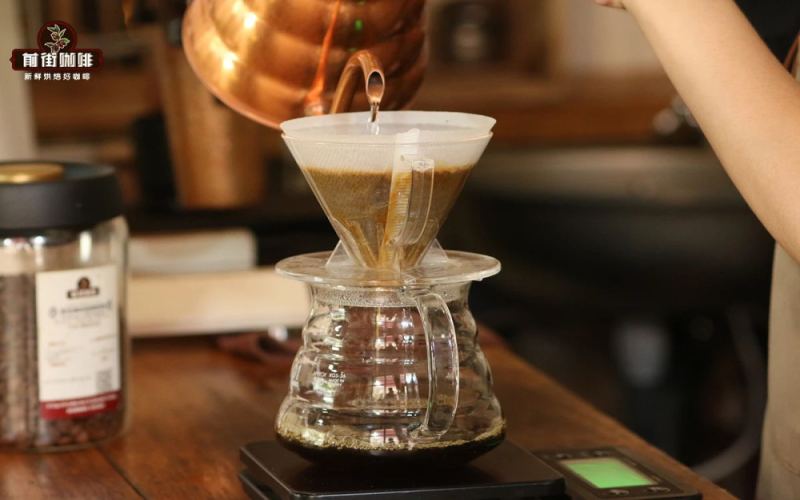
The issue of pouring water for pour-over coffee has been discussed time and again, but there are also many friends who are just starting out and following Front Street Coffee, saying, "Why can't I brew a good cup?" "Pour-over coffee is so hard!" Pour-over coffee is still a relatively niche circle, and to take care of newcomers, repeating the old familiar topics is unavoidable. As for [more…]
A Complete Guide to Honduran Coffee Origins, Varieties, Processing Methods, and Flavor Characteristics
Honduran coffee, with its balanced and rich flavor profile, occupies a unique position in the international specialty coffee landscape. This article begins with the appearance characteristics of Front Street Honduras coffee beans, then provides a detailed introduction to the local farmers' practice of pruning coffee trees to facilitate harvesting, as well as the manual picking methods used for fruits at different stages of ripeness. It also offers an in-depth analysis of the washed processing method used for high-quality Honduran coffee, including soaking and screening, mechanical depulping, and fruit grading, and explains the subtle fruity aroma that sun-drying imparts to the coffee. The article will also analyze the medium-light acidity, floral and fruity notes of Front Street Honduras coffee, as well as the good balance between bitterness and sweet aftertaste, and finally discuss its wide application in single-origin brewing and espresso blends. [more…]
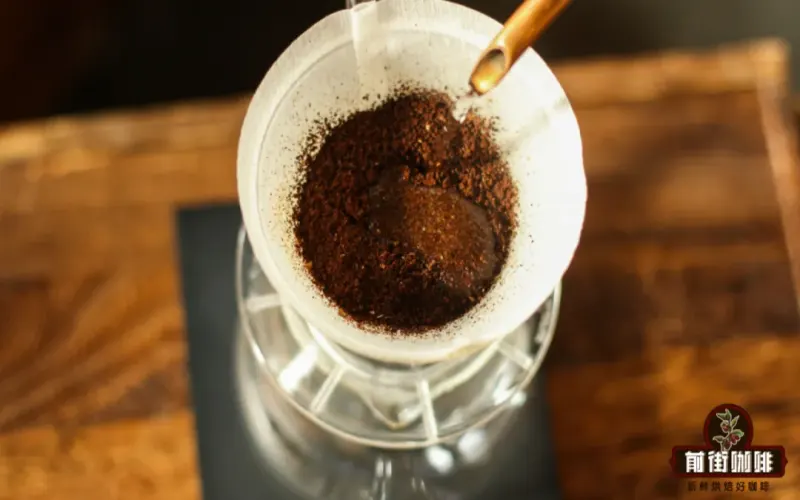
A Complete Analysis of Pour-Over Coffee Pouring Methods: The Practical Impact of Stages, Height, and Circular vs. Center Pouring on Extraction Yield
The biggest difference between pour-over coffee and other extraction methods is that the entire brewing process relies on manual pouring. Pouring water serves both to create turbulence and speed up the dissolution of flavor compounds, and to allow coffee grounds in different positions to be extracted relatively evenly. Precisely because it depends on human operation, any subtle change during the pouring stage can directly affect the final extraction yield. Front Street often says that about 30% of the substances in coffee beans are soluble, but not all of them need to be extracted. According to the Golden Cup extraction theory, 18%–22% is the extraction yield range generally accepted by most people. To stay reliably within this range, in addition to choosing parameters with a high margin for error, understanding the principles behind pouring is equally crucial. From Front Street's perspective, this article focuses on three variables—staged pouring, pouring height, and circling versus stationary pouring—and breaks down how they affect the extraction yield, helping you understand why you should pour this way and how to adjust. [more…]
In-Depth Analysis of Honduran Washed Coffee Beans: Origin Characteristics, Variety Advantages, and Processing Methods
Honduran coffee is known for its balance, making it suitable both for blends and as a single-origin brew. Front Street Coffee's Honduran coffee delivers even more surprising performance when used in espresso blends. This article will guide you through the coffee-growing characteristics of this Central American country—from the meticulous process of hand-picking, to every step of the washed processing method, and the delicate fruity notes imparted by sun-drying. Even in a volatile environment, local coffee still demonstrates remarkable resilience, and this excellence is worth savoring for every enthusiast. [more…]
2021 Darjeeling First Flush Tea Flavor Analysis: Quality and Challenges from Early Spring to Second Flush
Darjeeling black tea has long been celebrated as the "Champagne of teas," and each year's new harvest leaves tea lovers eagerly awaiting its arrival. The 2021 picking season, however, was particularly turbulent: an unusually dry early spring, followed by unseasonable snowfall in April, split the first flush into two separate waves, causing production to plummet and quality to diverge sharply. The second flush harvest was equally late, with the first samples only arriving in early June—yet the summer-picked teas rewarded the wait with rich caramel and apricot notes. Under the double pressure of the pandemic and climate shifts, shipping costs soared and demand climbed, making the scramble for fine teas one of the toughest challenges in recent years. This article revisits the distinctive character of Darjeeling's first and second flushes in this particular year and shares Front Street Coffee's insights on selecting the finest lots. [more…]

Exploring Bolivia's Tomorrow's Sun Project: The Flavor Story and Single-Origin Recommendation of Washed Caturra Coffee Beans
In a recent cupping session, we had the privilege of tasting two rare coffees from Bolivia—the washed Caturra from the Project El Sol de Mañana. Though this landlocked South American nation has endured many challenges, it has nurtured a distinctive specialty flavor. This article will take you back through the turbulent history of Bolivian coffee, explore how the Rodriguez family reversed the industry's decline through the Project El Sol de Mañana, and share Front Street Coffee's single-origin recommendations for this unique region. Whether you are a seasoned enthusiast or a curious explorer, you will feel the resilience and sweetness this land imparts to its coffee. [more…]

How Much Does the Speed of Circular Pouring in Hand-Brewed Coffee Actually Affect the Extracted Flavor?
Among the many variables in pour-over coffee, pouring technique is often overlooked by beginners, yet it has a significant impact on the final flavor. The speed of the circular pour is essentially equivalent to the amount of agitation applied to the coffee bed, so how much difference can it actually make to the taste of the coffee? Front Street conducted comparative experiments using washed Yirgacheffe and dark-roasted Golden Mandheling, measuring concentration and extraction yield and combining this with actual tasting to verify the effect of different pouring speeds on flavor. This article will present the parameters and results of both experiments in full, and further explore the role that agitation intensity plays when conditions such as grind size are changed. [more…]
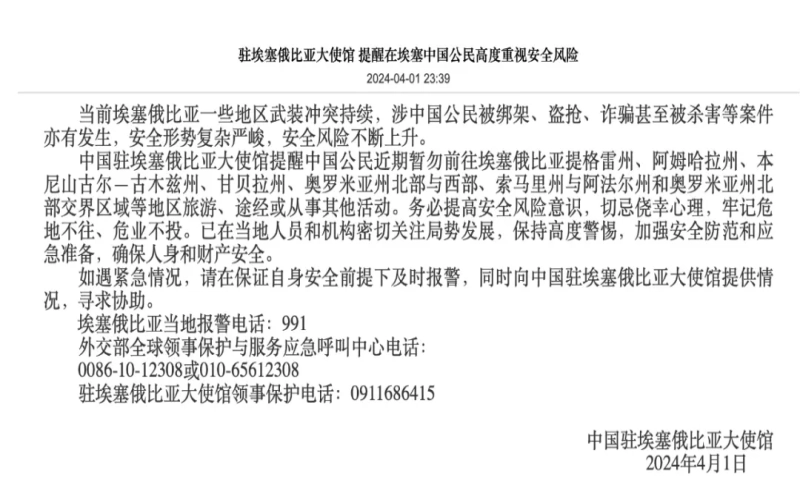
The Chinese Embassy in Ethiopia has issued a safety reminder: temporarily avoid travel to high-risk areas such as Tigray, affecting the coffee trade and tourism.
Recently, the Chinese Embassy in Ethiopia issued a notice advising Chinese citizens to temporarily avoid traveling to several high-risk areas, including Tigray and Amhara regions. The country's protracted civil war and local armed conflicts continue to spread, not only creating security risks but also severely impacting an economy and tourism industry that rely on coffee and agriculture and animal husbandry as pillars. As the recognized birthplace of coffee, Ethiopia's turbulent situation also affects the travel plans of coffee traders and bean hunters. This article outlines the background of the conflict, its impact on the economy and the coffee industry, and reiterates the embassy's safety recommendations, reminding those planning to travel to the country to remain highly vigilant and ensure their personal and property safety. [more…]
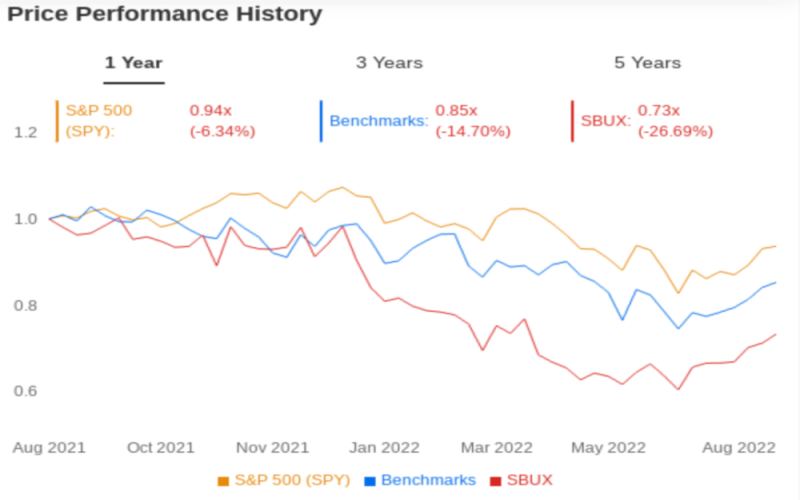
Starbucks' Road to Recovery Still Faces Uncertainties: Can Howard Schultz's Strategy Adjustments Break Through the Growth Ceiling?
Starbucks has experienced considerable turbulence this year. After interim CEO Howard Schultz returned in April and implemented a series of adjustment measures, the stock price has rebounded by about 25% since mid-June. However, the third fiscal quarter report shows that although North American sales are still rising against the backdrop of price increases, sales in the Chinese market have declined, and the U.S. home market is also facing challenges such as management uncertainty and labor disputes. Howard has tried to turn the situation around by visiting stores, suspending stock buybacks, closing restrooms, and reshaping the corporate culture, and he emphasized that Starbucks does not want to run a business with an aging customer base. Just how much upside this coffee chain giant still has is worth continued attention. [more…]

Is Counterclockwise Pouring Feasible with a V60 Dripper? An Analysis of How the Spiral Ribs of a Conical Dripper Affect Brewing Direction
Friends who are just getting into pour-over coffee are usually advised to start with the V60 dripper. Once you have the dripper, the next thing to figure out is your pouring technique—circular pouring is the most common way to agitate the coffee bed, but should you pour clockwise or counterclockwise, and does the direction actually make a difference in the cup? Starting from the structural characteristics of the V60, this article breaks down the design principles behind its 60° cone angle and spiral ribs, and through a comparative test at Front Street, brews a medium-light roasted Ethiopian Hualei 7.0 coffee with both clockwise and counterclockwise pouring to compare extraction time, concentration, and flavor performance, helping you decide whether the direction of your circles is really worth fussing over. [more…]