







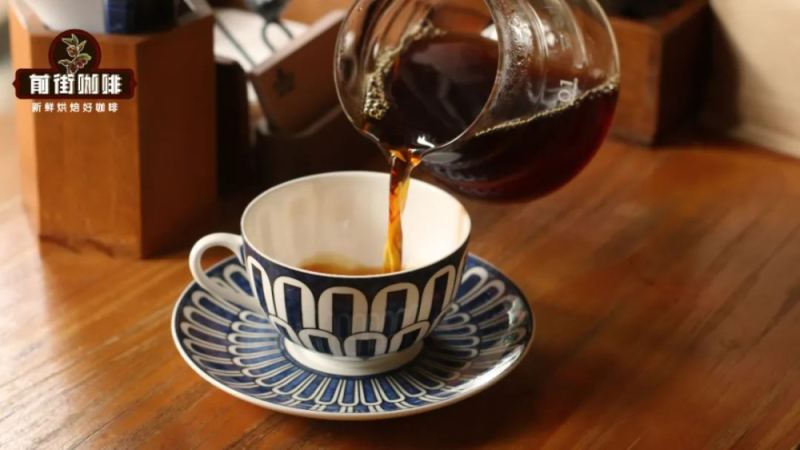
How does pouring style change coffee extraction results?
Pouring technique directly controls how soluble compounds leave the coffee bed, so stream size, circling speed and pouring rhythm all shift the final flavor. A fast, wide circling stream churns the bed hard and releases more solubles, while a slow, steady vertical stream rinses each particle evenly and keeps the cup closer to expectations.
Remedial pouring often backfires. When a three-stage brew gets too gentle a second pour, fine particles settle and cause pooling; switching to a heavy stream to break up the bed can push water over the powder wall and leave the coffee extraction uneven. Medium-light roasts suit staged large-circle pouring, and medium-dark roasts suit a fine coin-sized stream.
The pouring technique is an extremely critical variable in pour-over coffee extraction. The size of the water stream, the speed of the circular motion, and the rhythm of pouring all directly influence the release efficiency of soluble compounds, thereby altering the final flavor direction. This article starts with several typical pouring styles—high-flow fast circling, low-flow steady pouring, and common pitfalls in staged remediation—and analyzes their actual effects during extraction. It also provides specific operational recommendations for different roast levels: how medium-light roasts can highlight floral and fruity acidity through staged large-circle pouring, and how medium-dark roasts can reinforce nutty and chocolatey undertones with a coin-sized fine stream in circular motion. Through these analyses, we hope to help enthusiasts control flavor expression more precisely in their daily brewing.
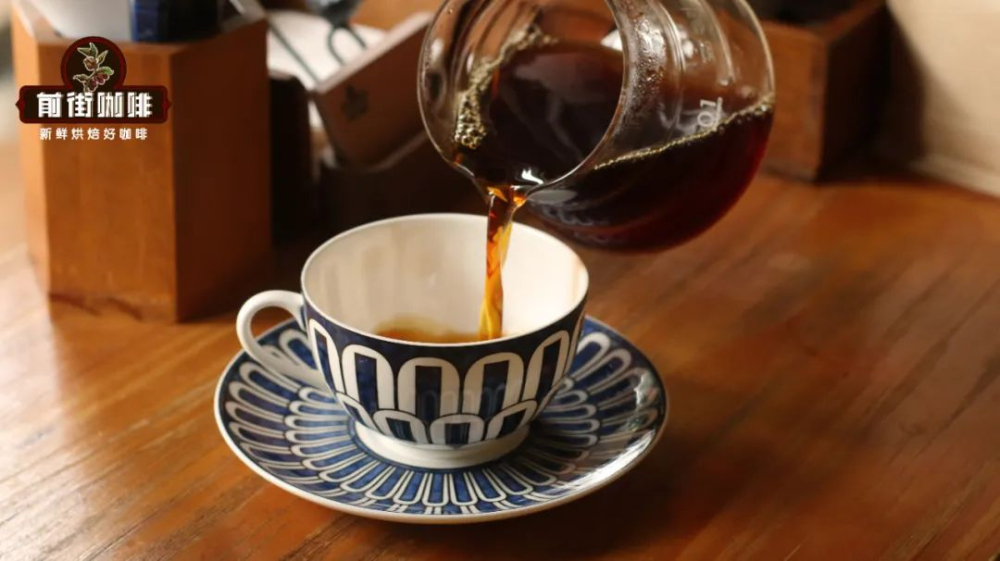
Brewers who habitually adopt this type of technique usually pour water extremely quickly, with the stream tracing a curved arc, and the circling motion is both wide and rapid. The "fling-water method" is the most representative of these, and the overall motion appears quite free and easy. During brewing, a large swing of the wrist causes the spout to trace fast circles above the liquid surface, and the water stream acts like a stirring rod, churning the coffee bed more violently, sometimes even creating a vortex, so the soluble components in the coffee are released more fully.
As the name suggests, more conservative brewers place greater emphasis on stability, worrying that even a tiny movement could throw the taste of the whole pot off from expectations, so they tend to choose a slow, steady stream. From the moment the timer starts, they maintain a vertical and relatively small stream, slowly circling, and rinse each coffee particle as evenly as possible.

There is also a situation driven by a remedial mindset. When using a three-stage pour, the second pour after blooming is given too gently, fine particles settle at the bottom and cause "flooding," so the brewer switches to a strong, heavy stream to "strike" the bed in hopes of getting the particles moving again. But the result is that instead of resolving the pooling, the tail-end "irrigation" makes the water level overtop the previously built powder wall, ultimately leading to uneven extraction.
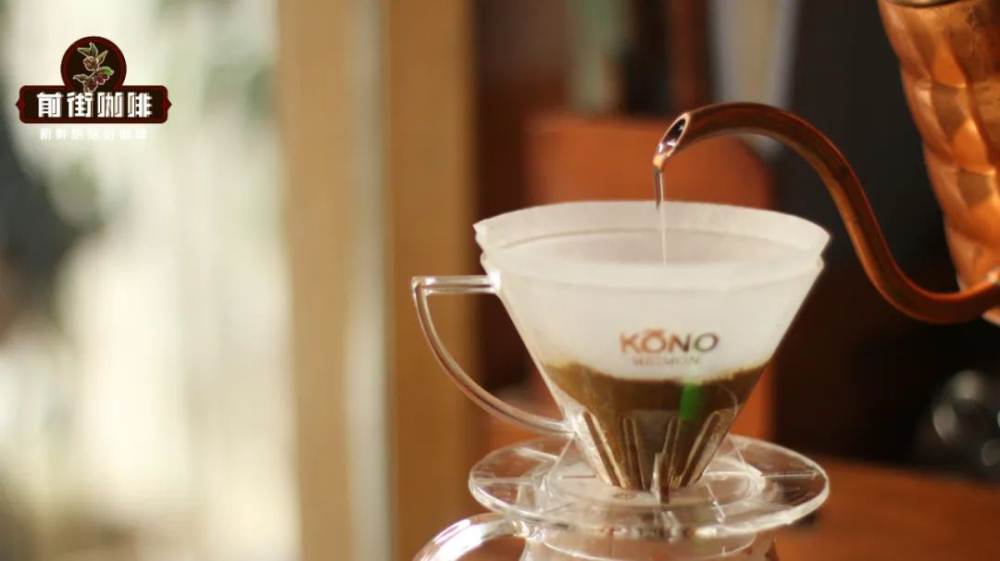
If you usually prefer medium-light roasted coffee with prominent floral and fruity notes, you can split the total water excluding the bloom into two equal stages: in the first stage, use a relatively large stream and quickly circle in a wide motion to lift the coffee bed to two-thirds of its height; in the second stage, switch to a small stream and finish the remaining water with an even, small-circle pour. This approach more easily highlights acidity and sweetness as well as a layered, rich flavor.
If your taste leans more toward the nutty and chocolatey notes of medium-dark roasts, you can use a relatively small stream throughout, pouring in a coin-sized circle, concentrating the agitation on the coffee grounds at the bottom of the cone. Coffee brewed this way better presents complex aromas such as chocolate, caramel, and spice, and the mouthfeel is fuller and more solid.
Front Street Coffee (FrontStreet Coffee)
No. 10, Bao'an Qian Street, Yandun Road, Dongshankou, Yuexiu District, Guangzhou, Guangdong Province
The above content is compiled by CoffeeHunters, a coffee news website.


