







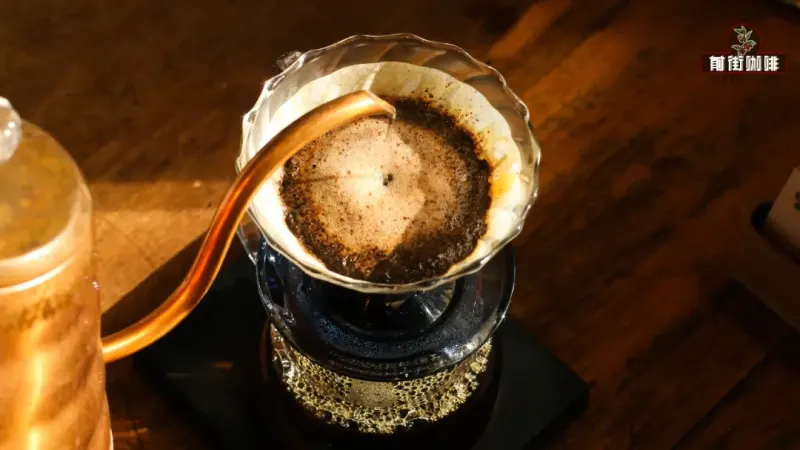
How does pouring style change the difference between aroma and fragrance in coffee?
The same beans and parameters can taste different when poured by another person because flow rate, pouring height, and circling path change how grounds sit in the dripper and dissolve. Those three choices alter ground distribution, hot water contact, and the rate soluble substances release, so the finished cup shows different flavor, mouthfeel, and layering.
Flow rate means how much water goes in per unit time, and it steers extraction direction directly. Kettle height above the coffee bed and the circling range also matter, similar to the gap between immersion and drip methods. Together they explain much of the difference between aroma and fragrance in coffee, since coffee bean structure and contact time decide what reaches the cup.
The same beans, the same parameters, brewed by a different person, can taste different—the difference often comes down to pouring style. So-called pouring style refers to each person's different preferences for flow rate, pouring height, and circling trajectory when pouring. These choices may seem subtle, but they change how the coffee grounds are distributed in the dripper, the degree to which they are disturbed by hot water, and the dissolution rate of soluble substances, ultimately giving a cup of coffee noticeably different flavor, mouthfeel, and layering. Front Street will break down, one by one, the relationship between these three dimensions—flow rate, pouring height, and pouring trajectory—and extraction results, so that after understanding the principles, you can more calmly adjust your technique and brew a cup of coffee you truly enjoy.
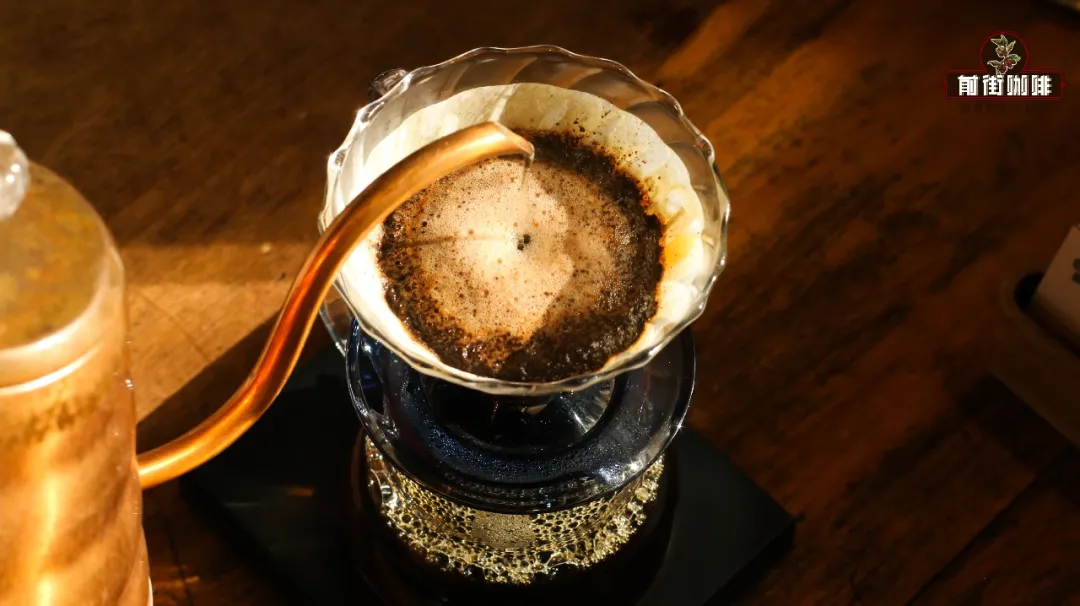
These changes may show up in the aroma direction, in body, or in the balance of acidity, sweetness, and bitterness. The difference is not necessarily dramatic, but it is enough for someone to notice on the first sip. The root cause of this difference is precisely each person's different pouring style.
So what is pouring style? Simply put, it is a person's habitual preferences when pouring. The thickness of the stream, the height of the kettle spout above the coffee bed during pouring, and the path and range of the circling—these details combine to form an individual's technique characteristics and also set people's brewing results apart.
The reason these can directly influence the taste of coffee is that these choices change how the coffee grounds pile up, the degree to which they contact hot water, and the types and amounts of substances dissolved out. The principle is somewhat like the difference between immersion and drip methods. Because of this, the coffee that finally reaches your mouth presents a different appearance.
Today Front Street will talk about how these varied pouring styles actually affect a cup of coffee. Once you understand pouring more thoroughly, you will be more confident about brewing a cup that suits your taste.
Flow rate
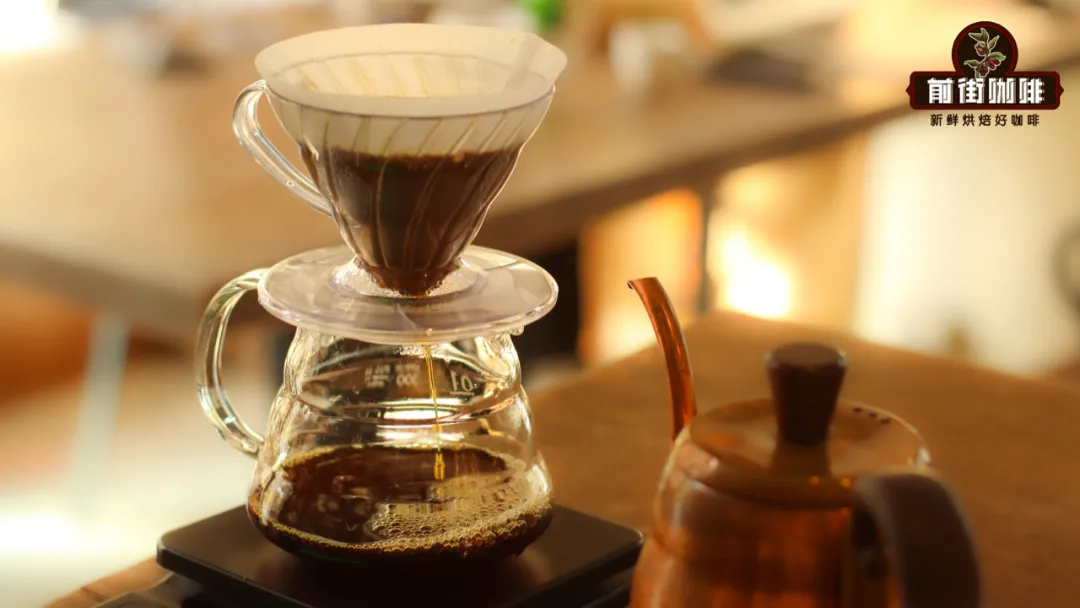
Flow rate is a key variable Front Street repeatedly emphasizes, because its influence on the extraction direction is quite direct. So-called flow rate refers to the pouring speed, or in plain terms, how much water is poured per unit of time.
In actual brewing, flow rate affects two things. The first is the distribution of coffee grounds in the dripper. Many coffee grounds are not very dense and are easily lifted by the force of the stream. Once the pouring speed exceeds the drainage speed, water gradually accumulates in the dripper, the water level rises, and the coffee grounds float up with it. This is what Front Street often calls "raising the coffee bed."
Conversely, if the pouring rate is slow, and the pouring speed equals or is less than the drainage speed, hot water will not linger in the dripper, and the coffee bed structure will not be greatly disturbed. If a small stream is maintained throughout, the final coffee bed will most likely be a flat layer.

When Front Street discussed drippers, it mentioned that different coffee bed shapes also change how evenly the coffee grounds are extracted. When the coffee bed is flat, the extraction conditions the coffee grounds experience in each place are relatively similar; when the coffee grounds are loosely and unevenly distributed in the dripper, there will be differences in extraction depth from one position to another.
This difference is directly reflected in the cup. For example, coffee brewed with a large stream that raises the coffee bed often has clearer layering; coffee brewed with a small stream tends to taste more balanced.
The second thing affected is extraction time. Generally speaking, the larger the pouring stream, the shorter the extraction time; the smaller the stream, the longer the time. The reason has already been touched on: when the pouring speed is greater than the drainage speed, water accumulates in the dripper, so water pressure rises; at the same time, the rising water level gives hot water more space to penetrate. These two factors combine, so drainage is naturally faster, extraction time is compressed, and vice versa.
When extraction time is short, fewer substances dissolve out of the coffee; when extraction time is long, more substances dissolve out. Neither is inherently better or worse; the choice depends on what flavor you want and your actual circumstances.
Pouring height
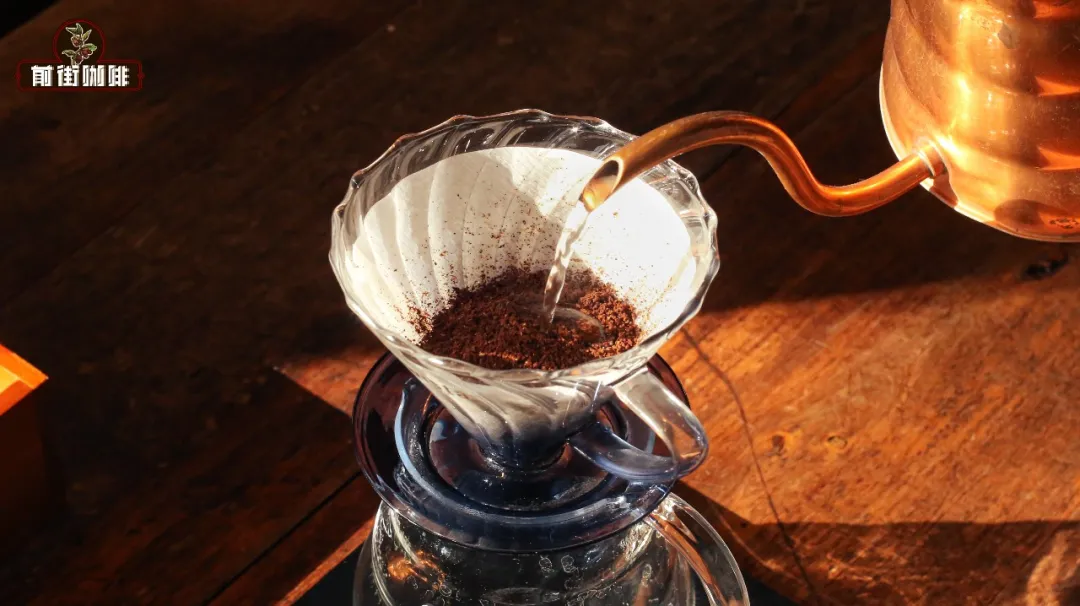
Pouring height is much simpler to understand: it is simply how high the kettle spout is above the coffee bed when pouring. It mainly affects the level of extraction efficiency. When the pouring position is higher, the falling stream stirs the coffee grounds more strongly and can drive more soluble substances into the water;
on the contrary, when the pouring position is lower, the stream disturbs the coffee bed less, and the speed at which the coffee grounds release substances is relatively slower.
However, note that pouring height is not better the higher it is. Once the spout is raised to a certain height, the hot water poured out cannot maintain a continuous stream and breaks apart into individual droplets, and droplets disturb the coffee grounds very little, so extraction efficiency is actually lowered.
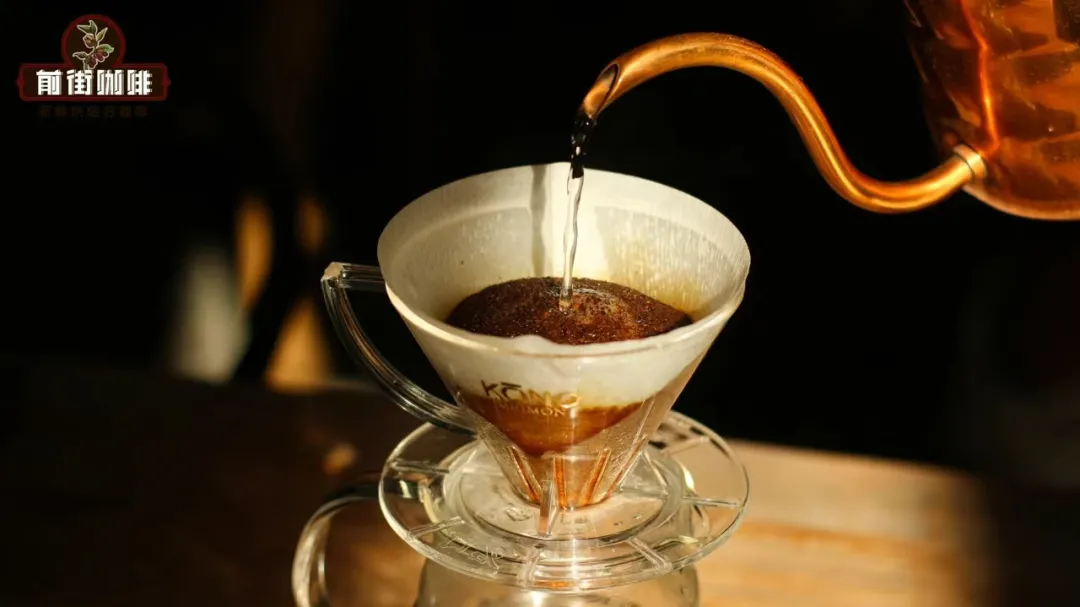
Not only that, as the hot water falls, its surface area exposed to air increases, more heat is lost, and extraction efficiency is likewise compromised. So Front Street does not recommend raising the pouring position just to pursue efficiency; it is easy to outsmart yourself. About one fist's height above the dripper is basically enough.
Pouring trajectory
Finally, let's talk about pouring trajectory. When sharing brewing methods, Front Street often mentions two paths: "circling wide" and "circling small." The difference lies in which areas the hot water washes.
Circling wide means the pouring circle is larger, allowing more coffee grounds to be hit by hot water; circling small means concentrating the pour in the center of the dripper, mainly washing the central part of the coffee bed, while the coffee grounds outside the center are less affected by the wash.
Coffee grounds that are washed by hot water release flavor substances faster. Controlling the pouring path is essentially controlling the dissolution rhythm of these substances. Likewise, which path to use should be switched flexibly according to your brewing goal and the dripper you are using.
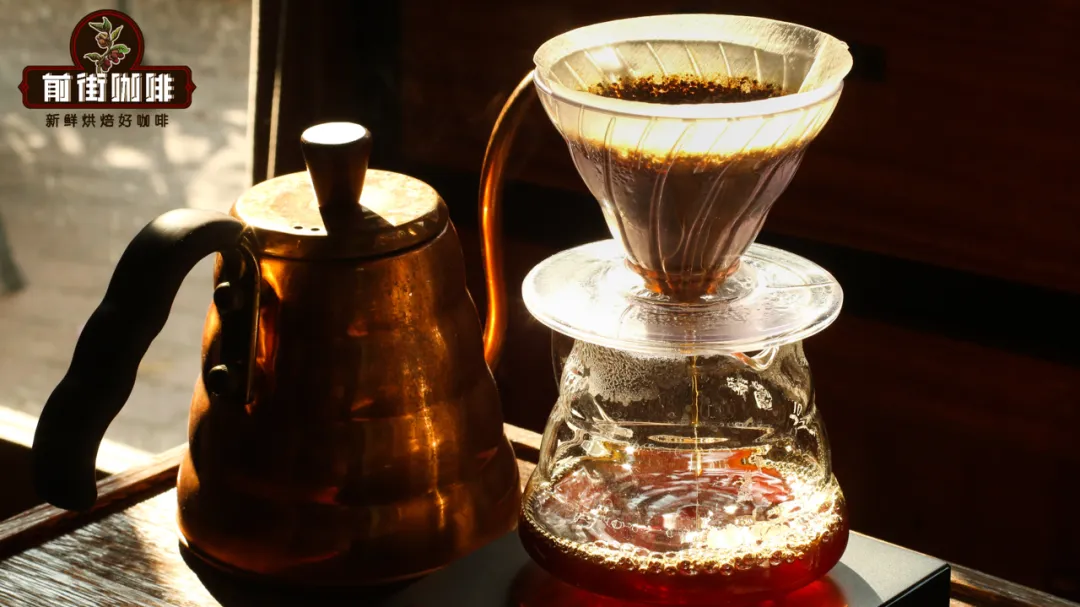
That is all for Front Street's sharing this time. Of course, there are far more factors that can affect the taste of coffee than these; it is just that their effects are relatively smaller, so Front Street will not go into detail here.
- END -
The above content is compiled by CoffeeHunters, a coffee news website.


