







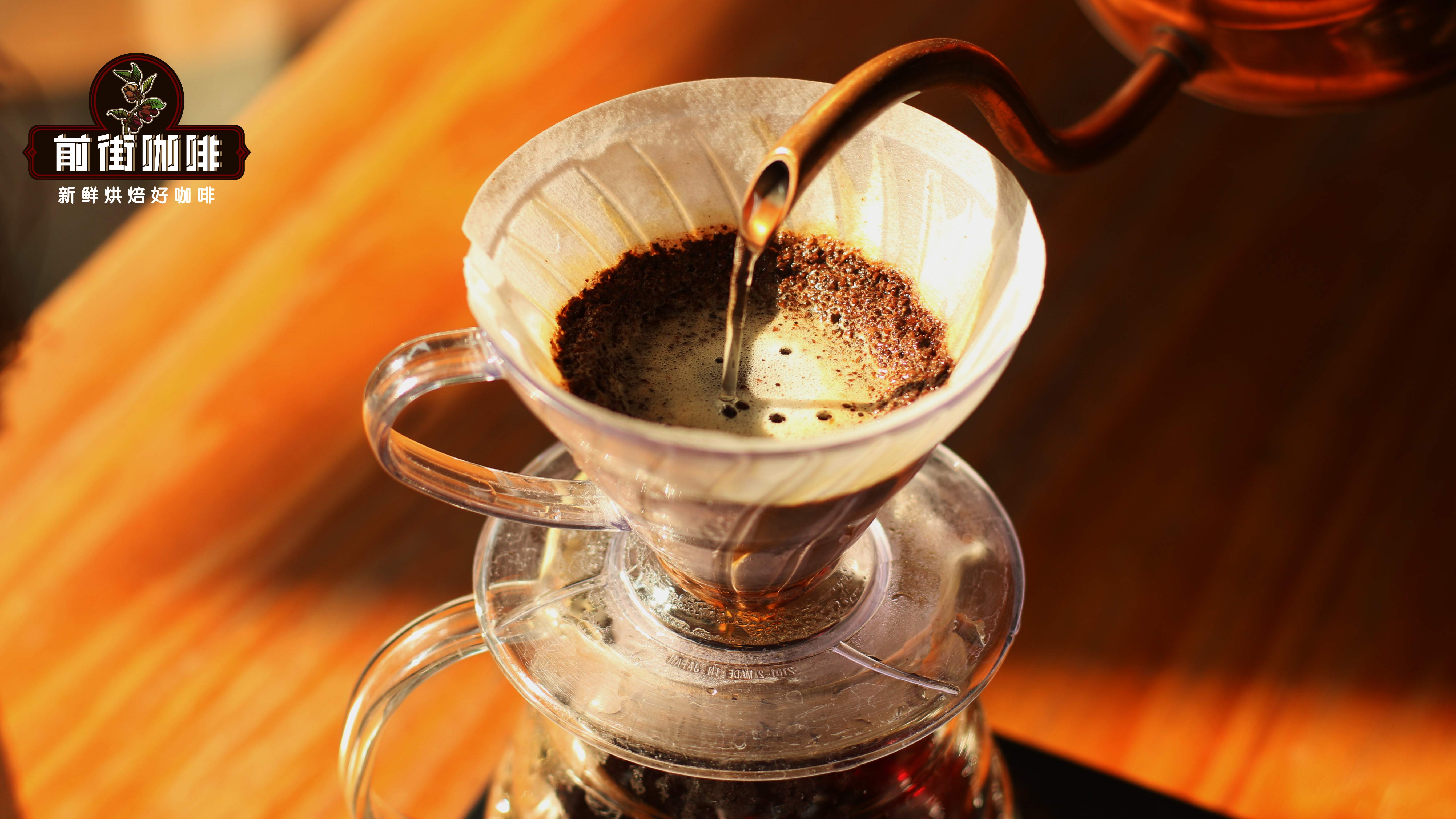
Pour-over drip extraction occupies a core position in single-origin coffee production, and a delicious cup of pour-over coffee can present rich layers of acidity, aroma, sweetness, and bitterness. So, behind the seemingly simple act of pouring water, what variables are actually influencing the final flavor expression? This article will systematically sort out the seven key factors affecting pour-over coffee, from water volume distribution, blooming technique, circling speed, pouring height, and water flow size to circling range, analyzing one by one their specific effects on extraction. At the same time, Front Street Coffee will also share three highly recognizable single-origin beans from distinct regions and their brewing parameters, helping coffee enthusiasts build a flavor cognition system through practice.
An excellently brewed cup of pour-over coffee can let people feel the multi-layered details woven from acidity, aroma, sweetness, and bitterness, with a clean and light entry and no heaviness at all. Once you have experienced this delicate flavor expression, it is hard to give it up. For this reason, pour-over drip extraction has always held a pivotal position in the field of single-origin coffee, and the vast majority of single-origin beans are produced mainly by pour-over drip. So, this operation that seems similar to brewing tea—what variables actually influence the final flavor in the cup?
Front Street has discussed the various factors affecting coffee flavor many times before. In addition to the five objective conditions of dose, coffee-to-water ratio, water temperature, grind size, and equipment, there is also a subjective variable that cannot be ignored—the brewer's hand, that is, the pouring technique itself. In this article, Front Street Coffee (FrontStreet Coffee) will share, from a practical perspective, the various techniques that need attention during brewing.
Ultimately, brewing coffee is the process of pouring water onto coffee grounds, and what a brewing recipe solves is exactly how to reasonably combine water and coffee grounds to obtain the best flavor. If further broken down, it can be summarized into two major sections: water volume distribution and pouring technique.
Water Volume Distribution
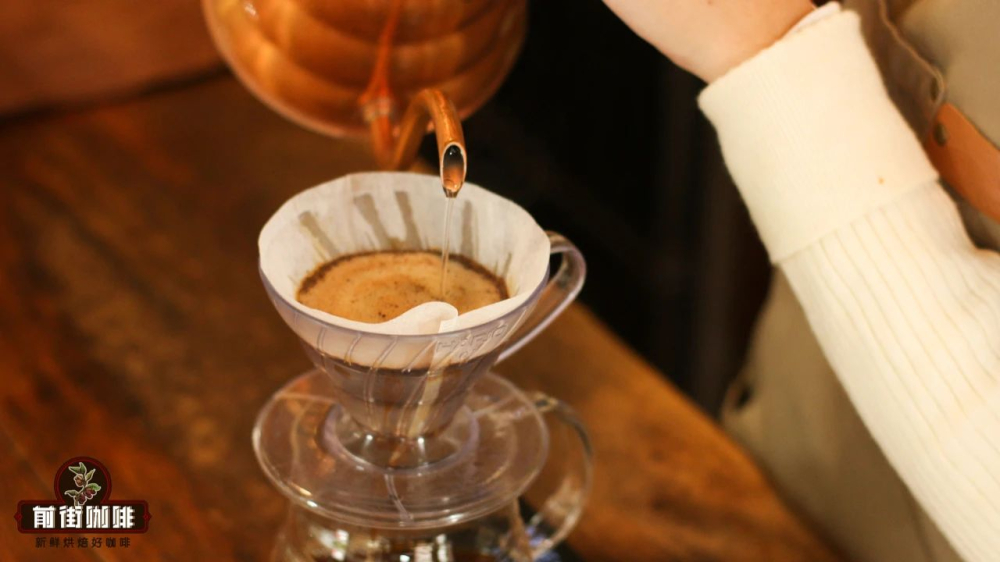
Under the premise that other objective parameters remain constant, how the water volume is distributed is often the most significant difference among various brewing recipes. What is commonly called one-pour and three-pour is essentially two different water volume distribution strategies.
One-pour: After blooming is completed, pour the remaining water in one continuous pour. Three-pour: After blooming is completed, pour the remaining water in three stages.
Taking one-pour and three-pour as examples for comparison, the total amount of water poured is the same; the difference is that with one-pour the water level is pushed higher, and the direct result is a shortened extraction time. Therefore, by comparison, one-pour produces a cleaner and lighter style, while three-pour presents a more complex and fuller texture.
Even with multi-stage brewing, if the water volume in each stage is not evenly distributed, it will also bring completely different results. Taking light-roasted coffee as an example, if the earlier stage accounts for a larger proportion of the water, the final cup will have prominent acidity and insufficient sweetness; if the later stage accounts for a larger proportion, sweetness will overpower acidity, but improper operation may also bring out bitterness.
Pouring Technique
Pouring technique can be further divided into multiple dimensions such as blooming method, circling speed, pouring height, water flow size, and circling range.
Blooming Method
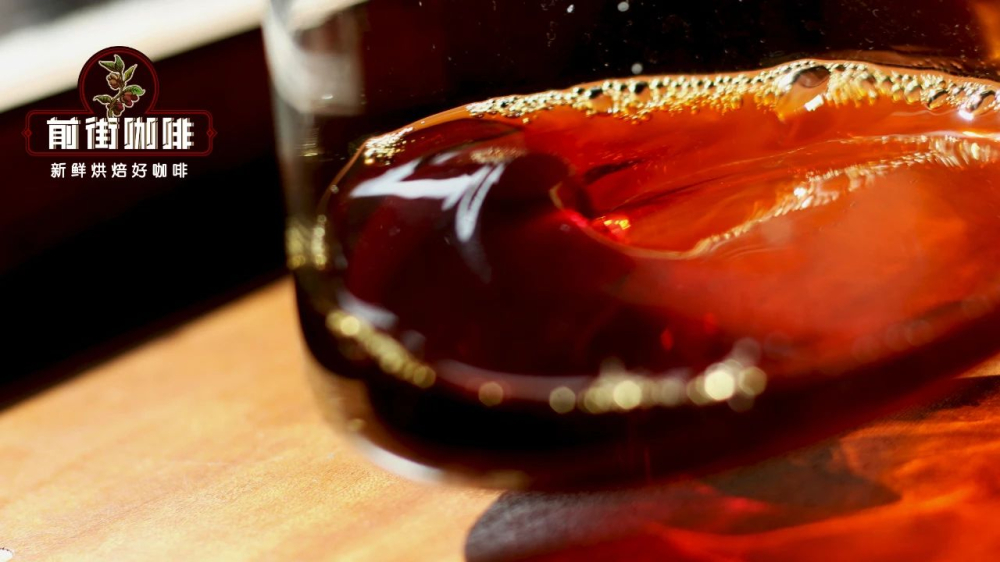
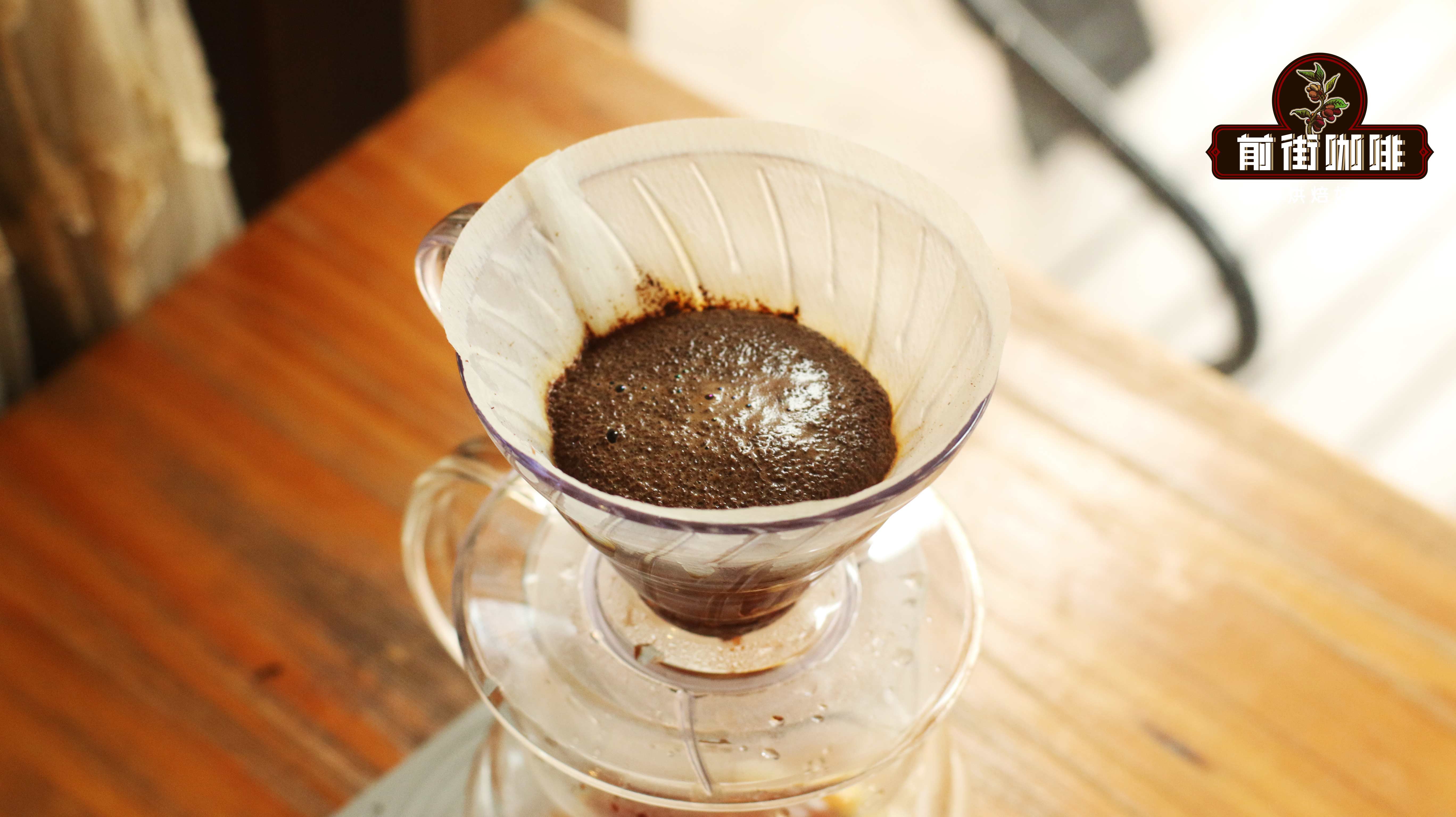
Blooming can be called one of the key steps determining the success or failure of brewing coffee. The most basic requirement is to let all coffee grounds be evenly soaked and smoothly release gas. Once the coffee bed absorbs water unevenly, gas release will naturally also be uneven, and then extraction inside the coffee bed becomes a matter of luck—some areas are over-extracted and some are under-extracted, and the appearance of astringency is only natural.
Regarding blooming water volume and time, the most widely circulated saying is twice the coffee dose in water with a 30-second blooming duration. If you are at the beginner stage, just follow it; there is no need to dig deeper. But since we have entered an advanced discussion, it is necessary to explain the principle: the saturated water absorption of coffee grounds is about twice their own weight, and coffee beans within the flavor window can release active gases in about 30 seconds after contacting water.
However, it should be noted that depending on the coarseness of the coffee grounds, during the short time of blooming pouring, coarse particles cannot achieve complete saturated water absorption. Therefore, if you finish pouring twice the water volume in a very short time, some water will drip from the bottom of the dripper. So, if you are confident in your water control ability, you might as well try blooming with 1.5 times the water volume. What if the blooming water volume exceeds twice? The answer is that the final cup will be more acidic than normal. The reason is simple: the excess water flows into the server before fully extracting coffee substances, resulting in a lower overall extraction yield, and the liquid dripping in the early stage is precisely rich in small-molecule acidic substances.
If the blooming time is too short, the gas may not be completely released, which will affect subsequent extraction efficiency; if the blooming time is too long, subsequent pouring will more easily extract components including large-molecule bitter substances.
As for circling speed, pouring height, water flow size, and circling range, Front Street Coffee (FrontStreet Coffee) also conducted several controlled experiments.
Circling Speed
When circling and stirring quickly, the fluidity of the water increases, allowing the coffee grounds to tumble to the greatest extent, thereby increasing the extraction yield. The brewed coffee is fuller and richer, and aroma retention is relatively sufficient, but there is also a risk of over-extraction.
When pouring in slow circles, only the impact force of the water stream itself rinses the coffee bed, and part of the coffee grounds is not turned and remains relatively static, so the extraction yield is lower. The mouthfeel and aroma of the final cup are slightly insufficient, but the overall performance is more balanced and gentle.
Pouring Height
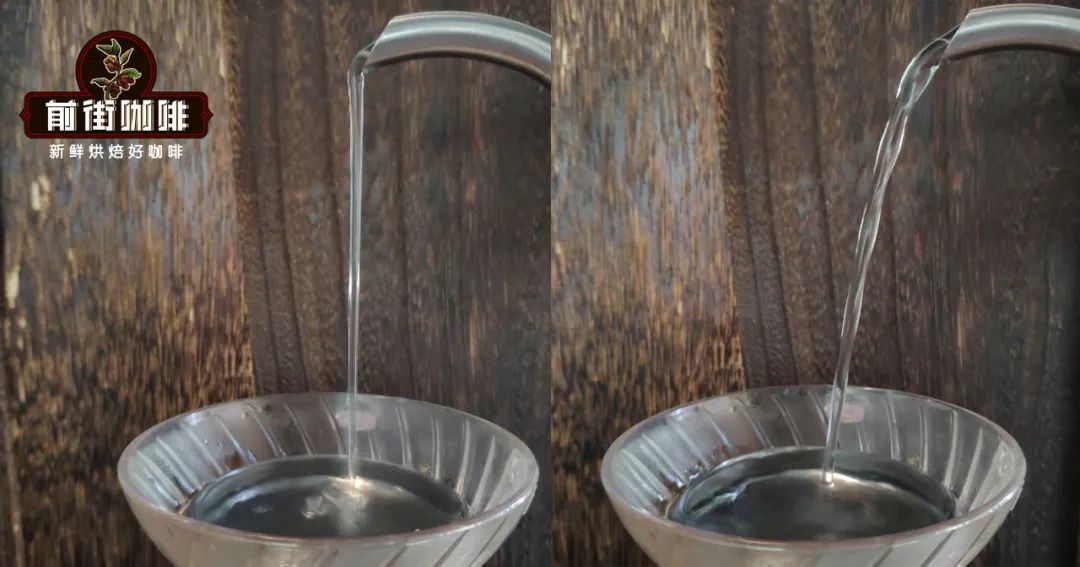
The extraction yield of a high water stream will be lower than that of a low water stream. It is generally recommended to control the water stream height at 6 to 7 centimeters during brewing.
Water Flow Size
When the pouring stream is larger, the liquid level will be raised. When the liquid level rises to the position of the short ribs, more water will flow away directly along the edge ribs, reducing the contact time with coffee grounds; when pouring with a small stream, the liquid level will not rise too high, the coffee bed is thicker, and the contact time between water and coffee grounds will be slightly longer.
When using a large-flow quick-brewing technique, the brewing time is shorter and the aroma performance is prominent, but the flavor tends to be single and clean. When using a small-flow slow-brewing method to extend the extraction time, the flavor substances of the coffee can be more fully extracted, giving it an advantage in richness and layering, but there is likewise a risk of over-extraction.
Circling Range
Small circles can make the coffee flavor more concentrated, highlight the sweetness of light-roasted beans, and make the mouthfeel more solid. If you only circle widely, the flavor will lean toward acidity and the mouthfeel will tend to be fresh and thin. In fact, when brewing with a conical dripper, pouring in outer circles seems on the surface not to rinse the filter paper, but because the water stream has impact force, it may still strike the ribs at the edge of the coffee bed, and water then flows away along the ribs, causing incomplete extraction.
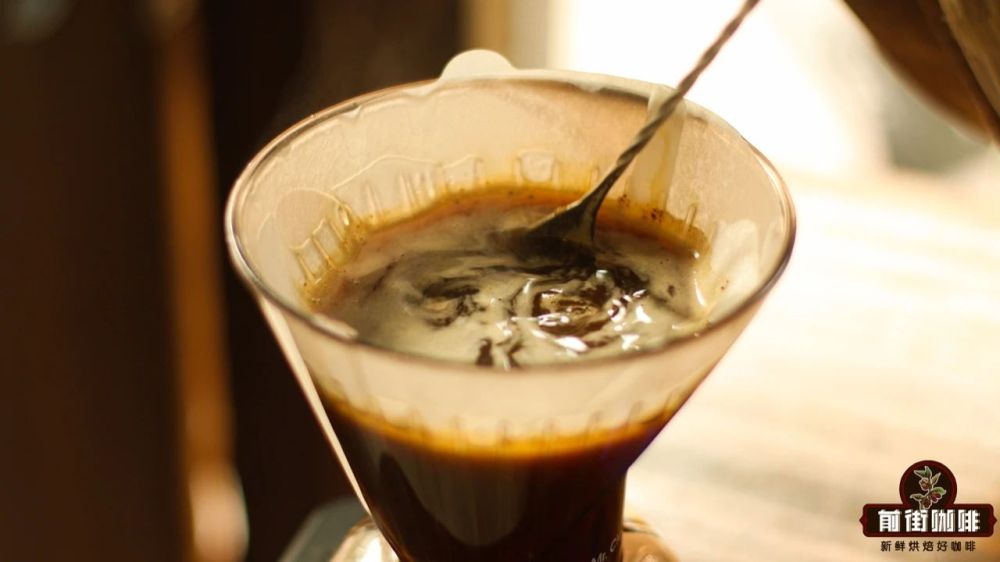
Of course, the above techniques require a great deal of practice to accumulate brewing experience. Front Street shares several single-origin coffee beans with distinct regional recognition, which are helpful for brewing training.
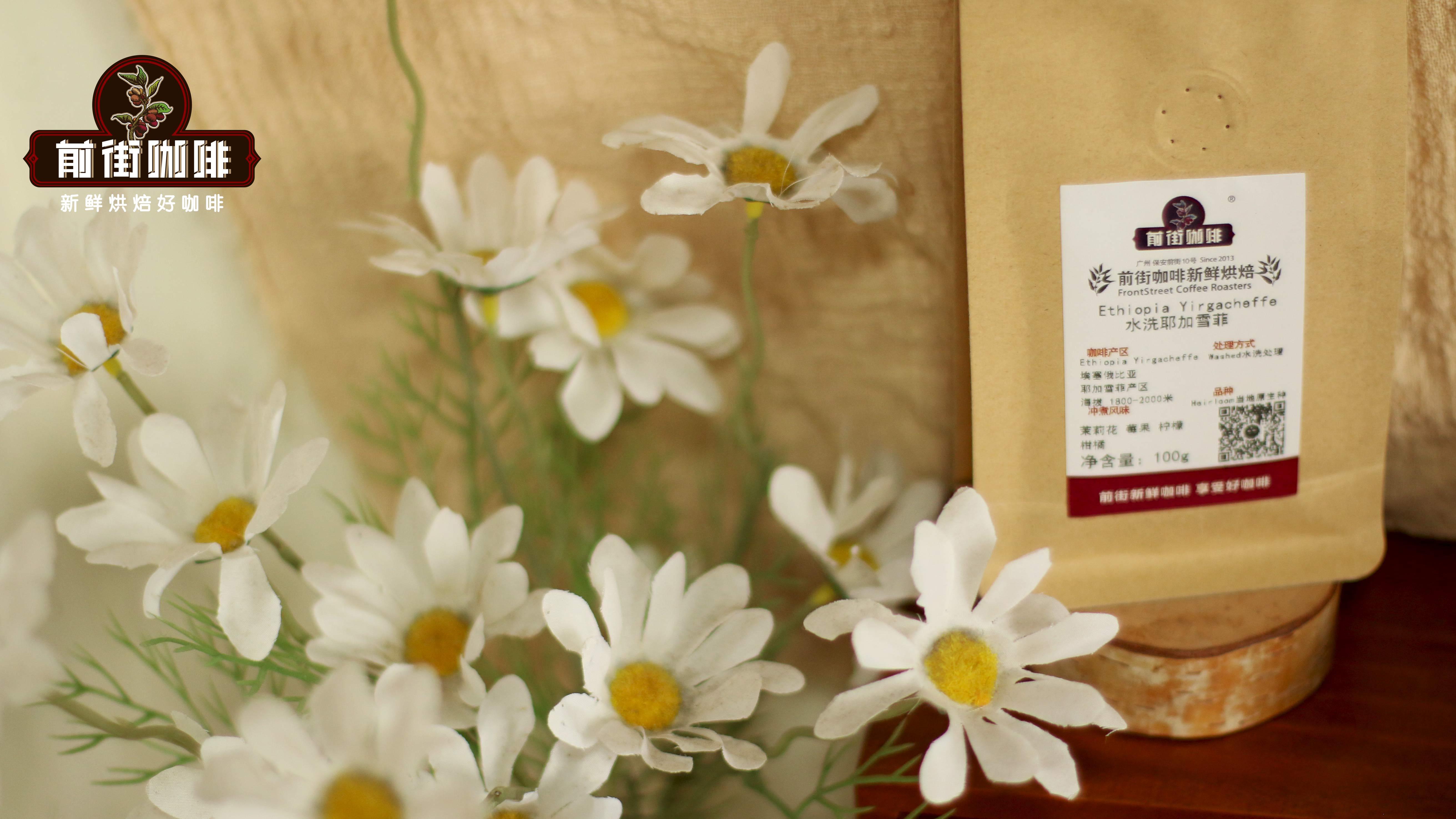
Front Street Coffee (FrontStreet Coffee) Ethiopia Washed Yirgacheffe Country: Ethiopia Region: Yirgacheffe Altitude: 1800-2000 meters Variety: Local heirloom varieties Processing Method: Washed Flavor: Jasmine, berries, lemon, citrus
Yirgacheffe is a small town in Ethiopia, at an altitude of 1,700 to 2,100 meters. It is one of the highest coffee-producing regions in the world and also synonymous with Ethiopian specialty coffee. Lake Turkana, Lake Abaya, and Lake Chamo bring abundant moisture here. In the rift valley area represented by the Misty Valley, mist lingers all year round, it is like spring throughout the four seasons, with gentle breezes, cool and humid conditions. Thousands of coffee trees thrive and multiply here, nurturing Yirgacheffe's unique terroir with intertwined floral and fruity aromas and ever-changing character. The so-called Yirgacheffe flavor refers to rich citrus and lemon fruit acidity, intense jasmine floral aroma, a light and elegant mouthfeel with tea-like notes, drinking like a refreshing and clean cup of lemon tea.
Washed Processing Method Send the screened coffee cherries into the depulper to initially remove the skin and pulp; soak the green coffee beans that still have residual pulp and mucilage attached in water and ferment for about 24 hours; after fermentation is completed, place the parchment beans into a flowing water channel to wash and remove the pulp and mucilage; after washing, dry the coffee beans in the sun or with a dryer to reduce the moisture content to about 12%. Finally, remove the parchment from the green beans.
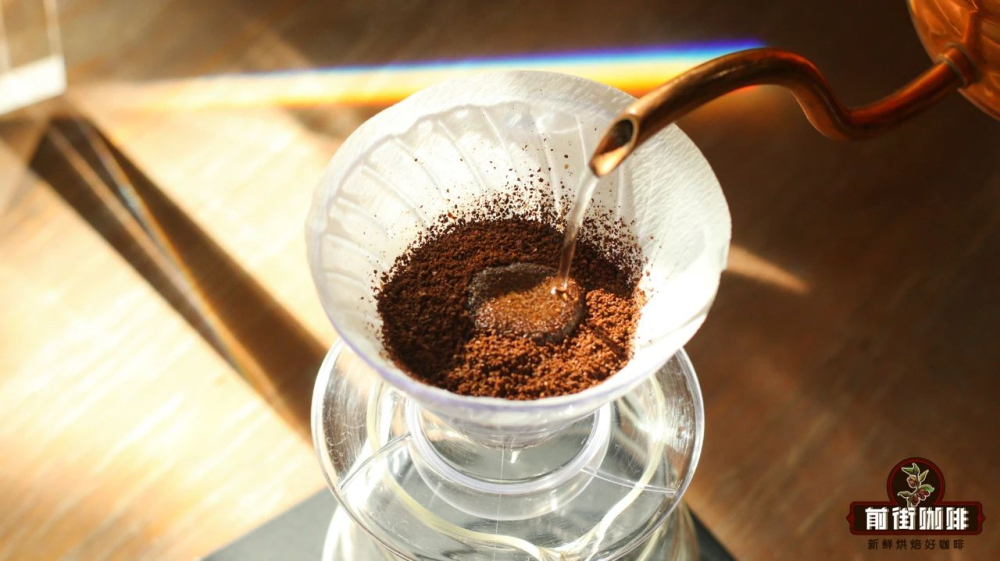
Front Street takes into consideration that washed processing can better reflect the cleanliness of coffee mouthfeel and the purity of flavor presentation. Therefore, when analyzing the specific flavor of a certain region, it uses washed beans from that region as a reference. For every beginner, if you have not yet tried Yirgacheffe, Front Street will also recommend the washed version first, which helps establish a cognitive foundation for the region's flavor. After that, when you try Yirgacheffe with different processing methods such as natural or honey, you will have a clear direction for comparison.
Although this washed Yirgacheffe is graded G2 (Ethiopia grades by defect rate; G2 means 4 to 12 non-severe defective beans are allowed in 300 grams of green beans), Front Street Coffee (FrontStreet Coffee) performs two rounds of manual sorting before roasting to remove defective beans, ensuring the quality of every batch of coffee.
To preserve the bright citrus acidity and floral characteristics of washed Yirgacheffe, Front Street's roaster chose a medium-light roast level for this bean. Charge temperature 200°C, turning point 5'35, first crack begins at 9'08 at 182.1°C, first crack development for 2 minutes before discharge at 195°C.
Front Street Coffee (FrontStreet Coffee) Brewing Recommendation Water temperature: 90-91°C Grind size: EK43s grinder 10 setting (caster sugar size / 80% passing a No. 20 sieve) Coffee-to-water ratio: 1:15 Dose: 15 grams
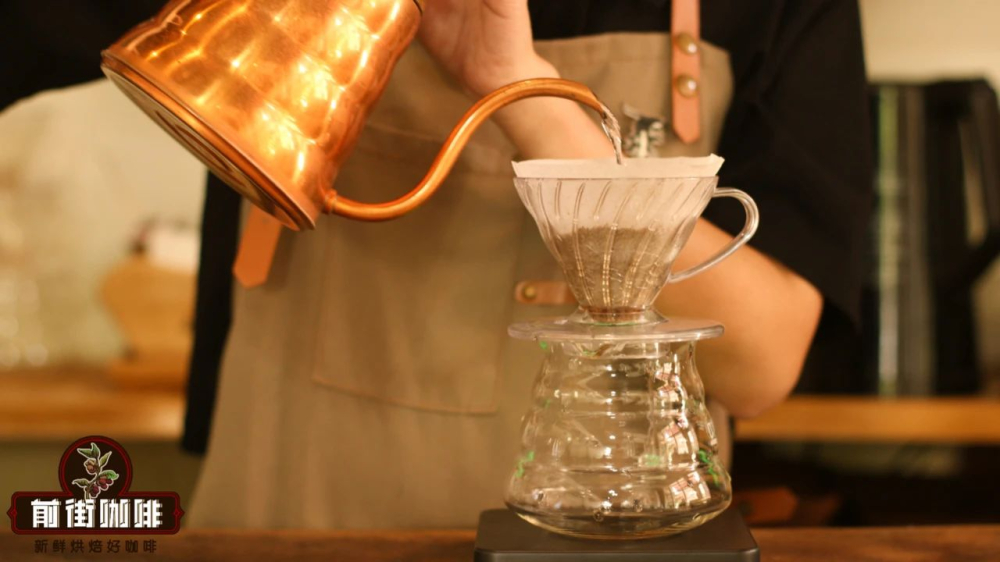
Front Street brewing method: Pour 30 grams of water in the first stage for a 30-second bloom, then pour 95 grams (scale shows about 125 grams), finishing in about 1 minute. When the water level drops to 2/3 of the coffee bed, pour the remaining 100 grams (scale shows about 225 grams), finishing in about 1 minute 40 seconds. Dripping is completed at 1'55''-2'00'', remove the dripper, and extraction is complete. Brewing flavor: Jasmine aroma, berry juice sensation, lemon and citrus acidity, overall bright, clean, and refreshing.
Front Street Coffee (FrontStreet Coffee) Costa Rica Tarrazu Country: Costa Rica Region: Tarrazu Altitude: 1500 meters Variety: Caturra, Catuai Processing Method: Washed Flavor: Sweet orange, honey, toffee, nuts
Costa Rican coffee has always been known for balanced flavor, rich chocolate notes, and a smooth mouthfeel. Tarrazu is located south of the capital San Jose and is one of the most valued coffee-growing areas in Costa Rica. Tarrazu coffee beans are plump, with a rich body, smooth mouthfeel, intense chocolate and nut aromas, moderate acidity, and an attractive fragrance.
Washed Processing Method The washed processing method places the screened coffee cherries into a depulper to initially remove the skin and pulp. Place the green coffee beans with residual pulp and mucilage into water and ferment for about 24 hours. After fermentation, place the parchment green coffee beans into a flowing water channel to wash and remove the pulp and mucilage. After washing, dry the coffee beans in the sun or with a dryer to reduce the moisture content to about 12%, and finally remove the parchment from the green coffee beans.
Front Street Coffee (FrontStreet Coffee) Brewing Recommendation Water temperature: 90-91°C Grind size: EK43s grinder 10 setting (caster sugar size / 80% passing a No. 20 sieve) Coffee-to-water ratio: 1:15 Dose: 15 grams
Front Street Brewing Method Pour 30 grams of water in the first stage for a 30-second bloom, then pour 95 grams (scale shows about 125 grams), finishing in about 1 minute. When the water level drops to 2/3 of the coffee bed, pour the remaining 100 grams (scale shows about 225 grams), finishing in about 1 minute 40 seconds. Dripping is completed at 2 minutes 03 seconds, remove the dripper, and extraction is complete.
Brewing flavor: The entry is the sweet-and-sour sensation of sweet orange, the mid-palate has obvious nut and chocolate flavors, caramel sweetness returns persistently, along with some cedar aroma, overall balanced.
Front Street Coffee (FrontStreet Coffee) Indonesia Lintong Mandheling Country: Indonesia Region: Sumatra Lintong Altitude: 1100-1600 meters Variety: Typica, Caturra Processing Method: Wet-hulled Flavor: Baked toast, nuts, caramel, pine, herbs
Mandheling is actually not specifically a coffee variety, nor the name of a coffee-producing region, but the name of a tribe. It was mistaken by Japanese people for the name of a coffee bean, and has continued to be used ever since.
Lintong Mandheling comes from the Lintong mountain area in north-central Sumatra, near Lake Toba. Lintong Mandheling is the regular version of Mandheling. Lintong Mandheling also uses the conventional wet-hulled method, creating its characteristics of low acidity and high body. But the wet-hulled method also brings a phenomenon: because the semi-hard, semi-soft moist green beans are easily crushed when the mucilage and parchment layer are removed, the beans are damaged and split into a goat-hoof shape, commonly known as goat-hoof beans. This is not a defective bean, and can be said to be a very notable characteristic of Mandheling.
Coffee Processing Method The wet-hulled method is a way of processing coffee beans quickly: remove the skin and pulp of the coffee beans, ferment briefly, then dry them, then remove the mucilage and parchment layer, and continue drying in the later stage until the moisture content drops to 12%. Wet-hulled Mandheling coffee beans clearly show varying degrees of compression cracks, and the bean color tends toward dark bluish-green.
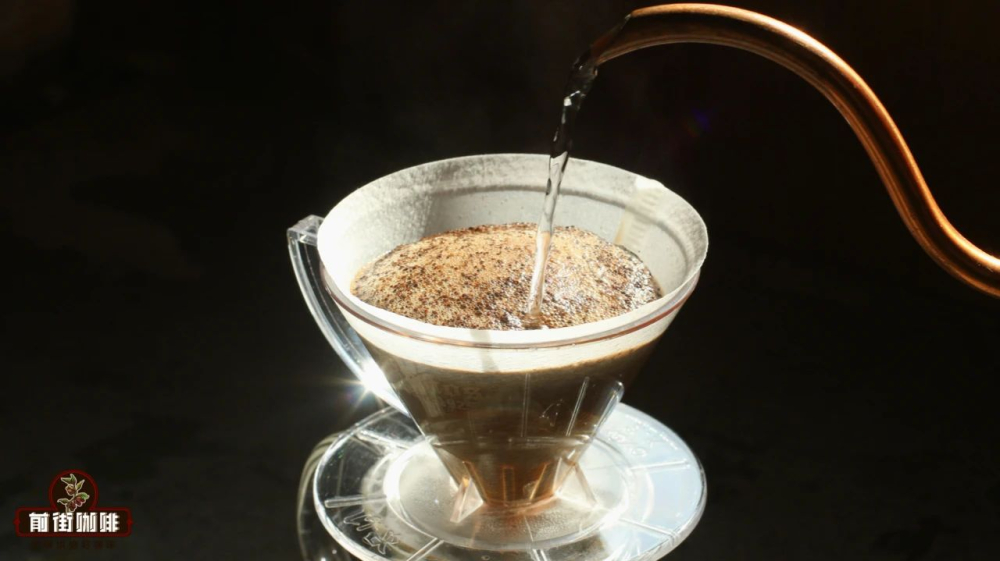
Front Street Brewing Recommendation Front Street uses a Kono dripper when brewing Mandheling coffee. Kono's ribs do not reach halfway up the dripper's height. This design is actually intended to ensure that the filter paper clings tightly to the dripper wall after wetting, playing a role in restricting airflow, thereby increasing the water absorption time of the coffee particles, making the extracted coffee more uniform overall while enhancing the full-bodied mouthfeel. In addition, the groove skeleton at the bottom of the Kono dripper is a key design made to allow subsequent brewing to produce a siphon effect.
Suggested water temperature: 87-88°C Grind size: EK43s grinder 11 setting (coarse sugar size) Coffee-to-water ratio: 1:15 Dose: 15 grams
Front Street Coffee (FrontStreet Coffee) Brewing Method: Use 30 grams of water for a 30-second bloom, pour in small circles with a small stream until 125 grams and then pause in stages. When the water level drops and is about to expose the coffee bed, continue pouring until 225 grams and stop pouring. When the water level drops and is about to expose the coffee bed, remove the dripper. (Timing starts at the beginning of the bloom.) The extraction time is 2'00''. Brewing flavor: Herbal medicinal notes on the entry, dark chocolate, caramel, sweet aftertaste.
The above content is compiled by CoffeeHunters, a coffee news website.


